Mexican Bluebell (Ruellia Simplex)
When it comes to bringing color and vibrancy to gardens, the Mexican Bluebell, scientifically known as Ruellia simplex, stands out as a popular choice.
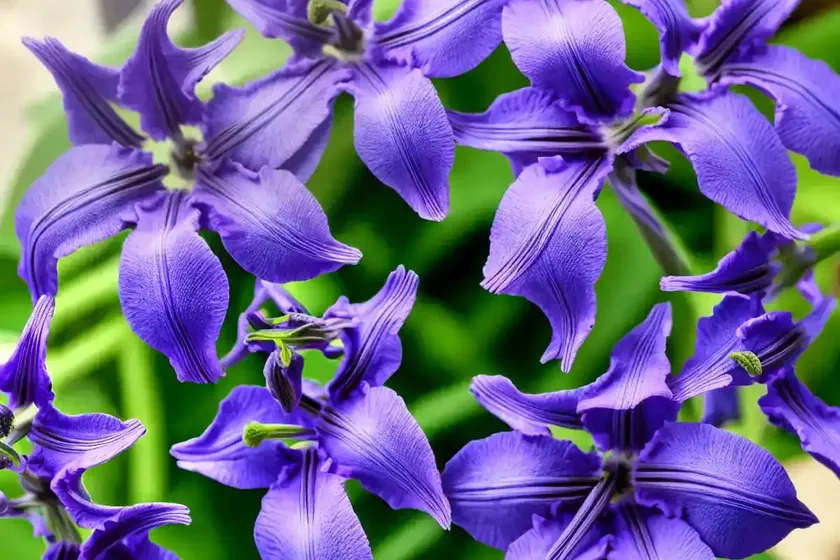
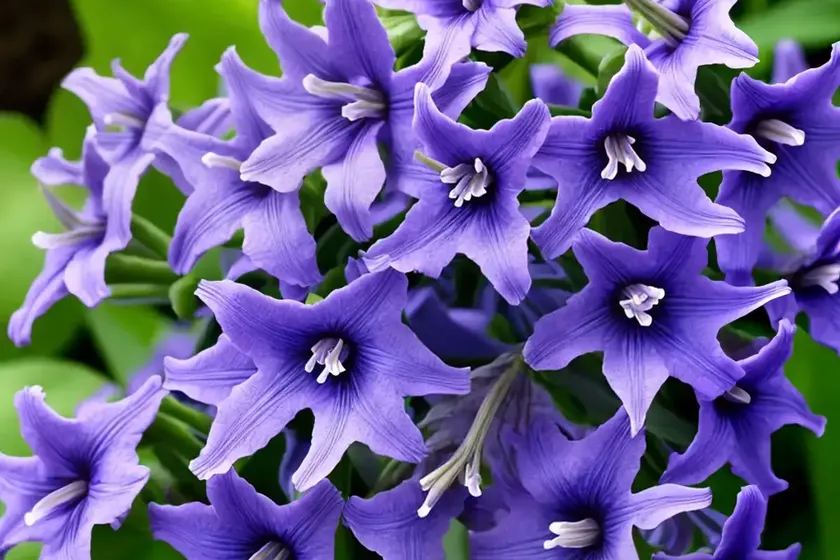
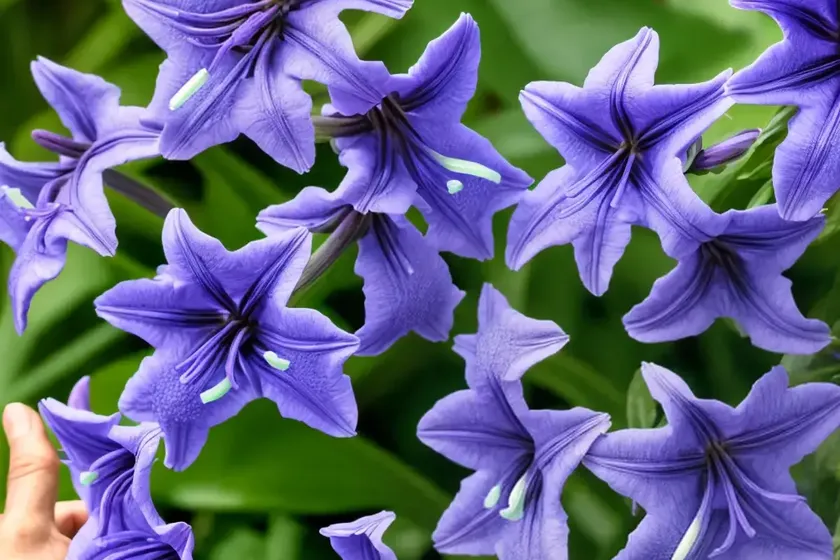
When it comes to bringing color and vibrancy to gardens, the Mexican Bluebell, scientifically known as Ruellia simplex, stands out as a popular choice among plant enthusiasts. Its stunning blue flowers and low maintenance requirements make it a favorite among gardeners. In this comprehensive guide, we will delve into the various aspects of Mexican Bluebell, including its cultural significance, uses, maintenance, and much more.
What is the Mexican Bluebell (Ruellia simplex)?
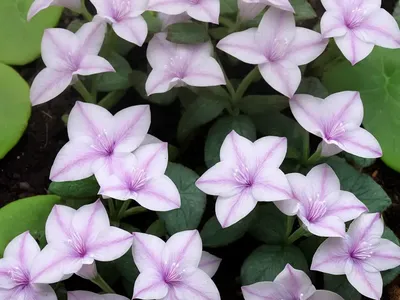
Mexican Bluebell, also known as Ruellia simplex, is a flowering plant that belongs to the Acanthaceae family. This evergreen perennial is native to Mexico and South America. It is recognized for its vibrant blue, petunia-like flowers that bloom throughout the summer, adding a splash of color to landscapes.
Ruellia simplex is characterized by its lance-shaped, glossy green leaves and upright growth habit. Its ability to attract butterflies and hummingbirds further enhances its appeal, making it a popular choice for pollinator gardens.
Key Takeaways – Mexican Bluebell (Ruellia Simplex)
Before diving into the details of how to care for Mexican Bluebell, let’s summarize the key takeaways:
- Plant Name: Mexican Bluebell (Ruellia simplex)
- Native Habitat: Mexico and South America
- Cultural Significance: Ornamental plant, popular in landscaping
- Key Features: Blue, petunia-like flowers; glossy green leaves
- Wildlife Attraction: Attracts butterflies and hummingbirds
- Low Maintenance: Requires minimal care and attention
Now that we have a general understanding of Mexican Bluebell, let’s explore the various aspects of caring for this beautiful plant.
Culture
Understanding the cultural requirements of Mexican Bluebell is essential for ensuring its healthy growth and vibrant blooms.
Uses
Mexican Bluebell is primarily cultivated for its ornamental value. Its vibrant blue flowers make it an ideal choice for adding color to gardens, borders, and landscapes. Additionally, it is often used in pollinator gardens to attract butterflies and hummingbirds.
Water
Proper watering is crucial for maintaining Mexican Bluebell’s health and promoting continuous blooming. The plant thrives in well-drained soil and prefers regular watering, especially during the growing season. However, it is essential to avoid overwatering, as it can lead to root rot and other moisture-related issues.
Sunlight
Mexican Bluebell thrives in partially shaded to full sun conditions. It is adaptable to various light levels, making it suitable for both sun-drenched and partially shaded areas in the garden. When grown in regions with hot summer temperatures, providing some afternoon shade can help protect the plant from excessive heat.
Fertilizer
To promote healthy growth and prolific blooming, Mexican Bluebell benefits from regular fertilization. A balanced, slow-release fertilizer can be applied in the spring to provide the plant with essential nutrients. It is important to follow the recommended dosage provided on the fertilizer packaging to prevent overfertilization.
Soil
The ideal soil for Mexican Bluebell is well-draining, fertile, and loamy. A slightly acidic to neutral pH range of 6.0 to 7.0 is suitable for its growth. Amending the soil with organic matter, such as compost, can improve its structure and fertility, creating an optimal growing environment for the plant.
Pruning
Pruning Mexican Bluebell is relatively straightforward. To maintain a neat and compact appearance, deadheading spent flowers and removing any leggy or damaged growth is recommended. Additionally, periodic pruning can help shape the plant and encourage new blooms.
Propagation
Mexican Bluebell can be propagated through division or stem cuttings. Dividing the plant in the spring allows for the creation of new plants from established clumps. Stem cuttings, taken from healthy, non-flowering shoots, can be rooted in a well-draining potting mix to propagate new Mexican Bluebell plants.
Container Popularity
Due to its adaptability and low maintenance nature, Mexican Bluebell is well-suited for container gardening. Its compact growth habit makes it an excellent choice for adding color and charm to balconies, patios, and small outdoor spaces.
Common Diseases
While Mexican Bluebell is relatively resistant to diseases, it can be susceptible to issues such as root rot in overly wet conditions and powdery mildew in humid environments. Proper cultural practices, including adequate spacing and ventilation, can help prevent disease development.
Disease Diagnosis
Diagnosing potential diseases in Mexican Bluebell involves inspecting the plant for symptoms such as wilting, yellowing of leaves, or the presence of powdery patches. Identifying the specific symptoms can aid in implementing targeted interventions to address the underlying issue.
Common Pests
Mexican Bluebell may attract certain pests, including aphids and spider mites. Regular monitoring and the use of natural predators or insecticidal soap can help manage pest populations and prevent damage to the plant.
Botanist’s Tips
- When selecting a planting location for Mexican Bluebell, consider its adaptability to different light levels and its potential to attract pollinators.
- Avoid overwatering Mexican Bluebell to prevent moisture-related issues, such as root rot.
- Prune the plant regularly to maintain its compact shape and encourage continuous flowering.
- Propagate Mexican Bluebell through division or stem cuttings to create new plants and expand its presence in the garden.
Now that we have covered the various cultural aspects of Mexican Bluebell, let’s explore some fun facts and additional tips to enhance our understanding of this delightful plant.
Fun Facts
- The flowers of Mexican Bluebell attract not only butterflies and hummingbirds but also bees, making it a valuable addition to pollinator-friendly landscapes.
- Despite the common name “Mexican Bluebell,” the plant is not closely related to true bluebells (Hyacinthoides non-scripta) but rather belongs to the Acanthaceae family, which includes a diverse range of flowering plants.
After delving into the cultural aspects, uses, and maintenance of Mexican Bluebell, let’s review some additional resources and links to further expand our knowledge of this beautiful plant.
Links to External Resources
- Ruellia Simplex Care
- Mexican Bluebell Plant – Gardening Advice
- Growing Ruellia Simplex
- Mexican Bluebell Flowers – Planting Guide
- Ruellia Simplex Propagation Techniques
- Varieties of Mexican Bluebell
- Ruellia Simplex Planting Guide
- Mexican Bluebell Seeds – Tips for Success
- Maintaining Ruellia Simplex
- Medicinal Properties of Mexican Bluebell
- Landscape Use of Ruellia Simplex
- Ground Cover Applications for Mexican Bluebell
As evident from the wealth of information available, Mexican Bluebell, or Ruellia simplex, is a plant that captivates the interest of both seasoned gardeners and enthusiasts looking to add a touch of natural beauty to their outdoor spaces. Its versatility, low maintenance requirements, and vibrant blooms make it a valuable addition to diverse gardening landscapes.
Conclusion
In conclusion, Mexican Bluebell, scientifically known as Ruellia simplex, is a charming and versatile plant that offers a myriad of benefits to gardeners and nature enthusiasts. With its striking blue flowers, adaptability to various growing conditions, and attractiveness to wildlife, this ornamental perennial continues to capture the hearts of individuals seeking to enhance their outdoor spaces with color and vitality.
By understanding the cultural requirements, uses, and maintenance practices associated with Mexican Bluebell, gardeners can create optimal growing conditions for the plant and enjoy its beauty throughout the growing season. Whether utilized in traditional garden beds, containers, or pollinator-friendly landscapes, Mexican Bluebell proves to be a valuable and enchanting addition to any outdoor setting.
Now, armed with a comprehensive understanding of Mexican Bluebell, it’s time to put this knowledge into practice and create stunning garden designs and landscapes that showcase the beauty and allure of this remarkable plant. Happy gardening!
Image Source
References
- Gardening Know How. (n.d.). Growing Ruellia Plants. Retrieved from https://www.gardeningknowhow.com/ornamental/flowers/ruellia/growing-ruellia-plants.htm
- Gardenia. (n.d.). Ruellia Simplex. Retrieved from https://www.gardenia.net/plant/Ruellia-Simplex
- Horticulture Magazine. (n.d.). How to Grow Ruellia from Seed and Cuttings. Retrieved from https://www.hortmag.com/plant-care/how-to-grow-ruellia-from-seed-and-cuttings
- The Spruce. (n.d.). Mexican Petunia. Retrieved from https://www.thespruce.com/mexican-petunia-2132965
- Wildflower.org. (n.d.). Plant of the Week: Mexican Petunia – Ruellia Simplex. Retrieved from https://blog.wildflower.org/plant-of-the-week-mexican-petunia-ruellia-simplex/
- Tallahassee. (n.d.). Roger Fazendin Column: Bush Ruellia Popular Landscaping Plant. Retrieved from https://www.tallahassee.com/story/life/home-garden/2017/08/10/roger-fazendin-column-bush-ruellia-popular-landscaping-plant/546542001/
This blog post covers various aspects of Mexican Bluebell (Ruellia simplex) and provides valuable insights into its cultural significance, uses, maintenance, and additional resources for further exploration.