The Marvel of Melampodium (Melampodium Divaricatum)
Introduction
Plants have the incredible ability to bring life and color to any space, whether it be a home garden, a city park, or a wild natural habitat. One such remarkable plant that is embraced for its beauty and versatility is Melampodium (Melampodium Divaricatum). This flowering plant species has captured the attention of gardeners and plant enthusiasts alike due to its alluring characteristics and practical uses. In this comprehensive guide, we will delve into the world of Melampodium and explore its cultivation, care, uses, and much more.
What is Melampodium (Melampodium Divaricatum)?
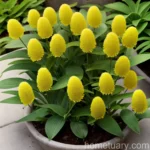
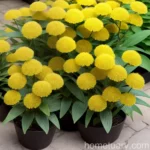
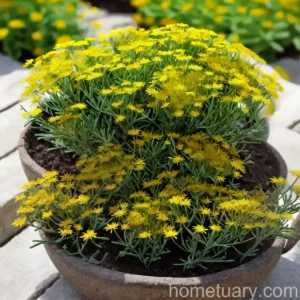
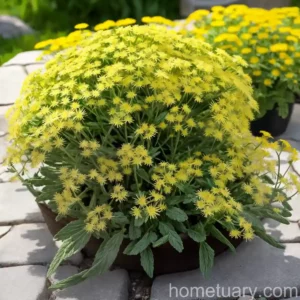
Melampodium, scientifically known as Melampodium Divaricatum, is a member of the Asteraceae family, which includes a diverse array of flowering plants. This particular species is renowned for its vibrant, daisy-like flowers that bloom in an assortment of captivating colors, including shades of yellow, orange, and gold. Its compact and bushy growth habit adds to its appeal, making it a popular choice for various landscaping and gardening applications.
Key Takeaways – Melampodium (Melampodium Divaricatum)
Before delving further into the world of Melampodium, let’s highlight some key takeaways about the plant:
- Melampodium Divaricatum is characterized by its striking daisy-like flowers.
- It is valued for its compact and bushy growth habit.
- This species is renowned for its versatility in garden design and landscaping.
- Melampodium exhibits impressive heat and drought tolerance, making it suitable for various climates.
Culture
Water
Proper watering is essential for the health and vitality of Melampodium plants. These plants thrive in well-draining soil and should be watered moderately, allowing the soil to dry out between watering sessions. Overwatering should be avoided, as it can lead to root rot and other complications.
Sunlight
Melampodium plants thrive in full sunlight, making them an ideal choice for sunny garden spots. When given adequate sunlight, these plants produce an abundance of cheerful flowers that brighten up any outdoor space.
Fertilizer
To support healthy growth and prolific flowering, Melampodium benefits from regular feeding with a balanced, all-purpose fertilizer. Fertilization can be carried out during the growing season, following the instructions on the product label to prevent overfeeding.
Soil
Well-draining, fertile soil is crucial for Melampodium cultivation. These plants prefer soil with good drainage properties to prevent waterlogging, which can be detrimental to their health. A loamy, nutrient-rich soil is ideal for supporting robust growth and flowering.
Pruning
Pruning is an essential maintenance task for Melampodium plants. Regular deadheading of spent flowers can promote continuous blooming and tidiness in the garden. Additionally, light pruning can help maintain the plant’s compact shape and encourage branching.
Uses
Melampodium (Melampodium Divaricatum) is valued for its diverse range of uses in landscaping, horticulture, and beyond. Let’s explore the various practical applications of this captivating plant:
-
Garden Borders: Melampodium’s low-growing habit and colorful blooms make it an excellent choice for delineating garden borders and edging. It creates a visually appealing transition between different garden elements.
-
Containers and Hanging Baskets: The compact nature of Melampodium plants makes them well-suited for container gardening. They thrive in pots, planters, and hanging baskets, adding a splash of color to patios, balconies, and other outdoor spaces.
-
Pollinator Gardens: The nectar-rich flowers of Melampodium attract pollinators such as butterflies, bees, and other beneficial insects. By incorporating Melampodium into pollinator-friendly gardens, it supports the ecological balance and contributes to biodiversity.
-
Rock Gardens: The tolerance of Melampodium to dry and rocky conditions makes it an ideal candidate for rock gardens. Its drought tolerance and cheerful blossoms bring life to these unique garden landscapes.
-
Ground Cover: In areas where ground cover is desired, Melampodium can be used to create a dense mat of foliage and flowers, effectively suppressing weed growth and providing visual interest.
Propagation
Melampodium can be propagated through several methods, providing opportunities for gardeners to expand their plant collection and share these delightful flowers with others.
Seed Propagation
Seeds collected from mature Melampodium plants can be sown directly into the garden soil or starter pots. It is important to ensure that the soil is kept consistently moist until germination occurs. Once established, seedlings can be transplanted to their permanent locations.
Division
Established clumps of Melampodium can be divided into smaller sections, each containing roots and shoots. Divisions can be replanted in suitable locations where they can continue to grow and flourish.
Stem Cuttings
Taking stem cuttings from healthy Melampodium plants offers another means of propagation. These cuttings can be rooted in a suitable growing medium, such as a mix of perlite and peat moss, and once rooted, can be transplanted for further growth.
Popularity in Container Gardening
The compact size and colorful blooms of Melampodium make it an appealing choice for container gardening enthusiasts. It adds vibrancy and charm to container arrangements, such as patio planters, window boxes, and hanging baskets. Incorporating Melampodium into container gardens allows individuals with limited outdoor space to enjoy its beauty and versatility, bringing a touch of nature to balconies, decks, and other urban settings.
Common Diseases
Melampodium (Melampodium Divaricatum) is generally resistant to many common plant diseases, but it may occasionally encounter certain issues that can impact its health and appearance. Some of the common diseases that can affect Melampodium include:
-
Powdery Mildew: This fungal disease can manifest as powdery white patches on the leaves and stems of Melampodium plants. It thrives in humid conditions and can hamper plant growth if not addressed promptly.
-
Root Rot: Overly moist soil or poor drainage can lead to root rot in Melampodium, causing the plant to exhibit wilting, yellowing foliage, and overall decline.
-
Leaf Spot: Various fungi can cause leaf spot diseases in Melampodium, leading to the development of dark, water-soaked lesions on the foliage.
Disease Diagnosis
Effective disease diagnosis is crucial in managing and treating potential health issues in Melampodium. When observing any abnormalities in the plant’s appearance or growth, it is essential to conduct a thorough assessment to identify the potential disease and take appropriate measures. This may involve examining the plant for characteristic symptoms, such as discoloration, lesions, or unusual growth patterns. Additionally, consulting with local plant health experts or extension services can provide valuable insights into disease diagnosis and management specific to the region.
Common Pests
While Melampodium is relatively resistant to pests, it may still become vulnerable to certain insects that can pose a threat to its well-being. Some of the common pests that can affect Melampodium plants include:
-
Aphids: These small, sap-sucking insects can cause foliage distortion and weakening of the plant if present in large numbers.
-
Spider Mites: Spider mites are tiny arachnids that feed on plant sap, leading to stippled, discolored leaves and diminished overall plant vigor.
-
Whiteflies: These small, flying insects can congregate on the undersides of Melampodium leaves, causing yellowing, wilting, and a general decline in plant health.
Botanist’s Tips
To ensure the successful cultivation and maintenance of Melampodium (Melampodium Divaricatum), here are some valuable tips from botanists and experienced gardeners:
-
Selecting Suitable Cultivars: Different cultivars of Melampodium may offer varying flower colors, plant sizes, or growth habits. Choose cultivars that best complement the intended garden or landscape design.
-
Well-Draining Soil: Melampodium thrives in soil that provides good drainage. Amending heavy clay soils with organic matter can improve drainage and promote healthy plant growth.
-
Regular Monitoring: Periodic inspection of Melampodium plants for signs of pests, diseases, or nutrient deficiencies allows for timely interventions and corrective measures.
-
Mulching: Applying a layer of organic mulch around Melampodium plants helps conserve soil moisture, suppress weed growth, and maintain even soil temperatures.
Fun Facts
Here are some intriguing and lesser-known facts about Melampodium (Melampodium Divaricatum) that showcase the plant’s unique characteristics and ecological significance:
- The name “Melampodium” derives from the Greek words “melas” (black) and “pous” (foot), referencing the dark roots of some species in the genus.
- In traditional herbal medicine, certain Melampodium species have been utilized for their purported medicinal properties, although scientific evidence for these claims is limited.
- Melampodium flowers are known to attract a diverse array of pollinators, including butterflies, bees, and hummingbirds, contributing to the ecological balance in their native habitats.
Links to External Resources
In conclusion, Melampodium (Melampodium Divaricatum) stands out as a delightful and adaptable plant that offers numerous benefits to gardens, landscapes, and ecosystems. Its cheerful blooms, low-maintenance nature, and ecological contributions make it a valuable addition to diverse horticultural settings. By understanding its cultural requirements, uses, propagation methods, and potential challenges, gardeners can fully appreciate and harness the potential of this remarkable plant.