Medusa Plant (Euphorbia Flanaganii)
The Medusa Plant, also known as Euphorbia flanaganii, is a unique and intriguing succulent that has captured the fascination of plant enthusiasts around.
Introduction
The Medusa Plant, also known as Euphorbia flanaganii, is a unique and intriguing succulent that has captured the fascination of plant enthusiasts around the world. Its striking appearance and low-maintenance nature make it a popular choice for indoor gardening, container planting, and landscape design. In this comprehensive guide, we will delve into the characteristics, care requirements, propagation techniques, common diseases, and much more, shedding light on the enigmatic beauty of the Medusa Plant.
What is the Medusa Plant?
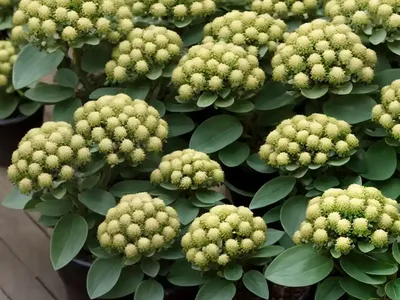
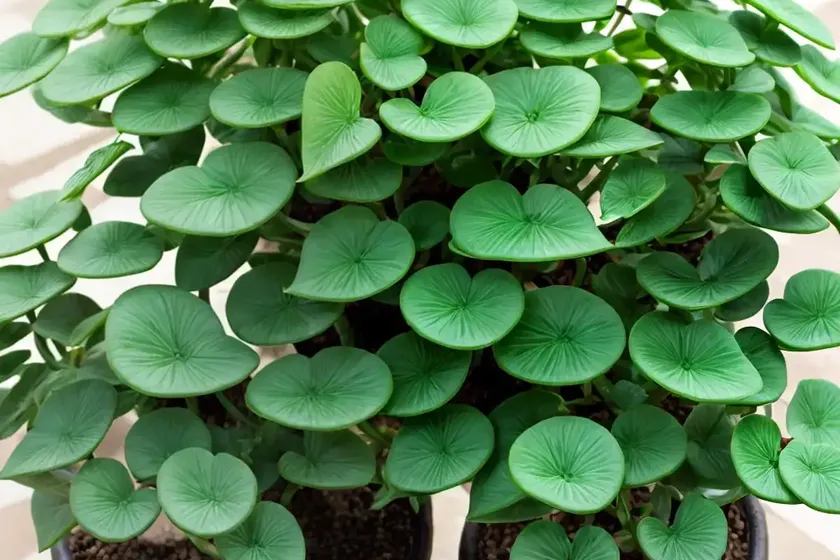
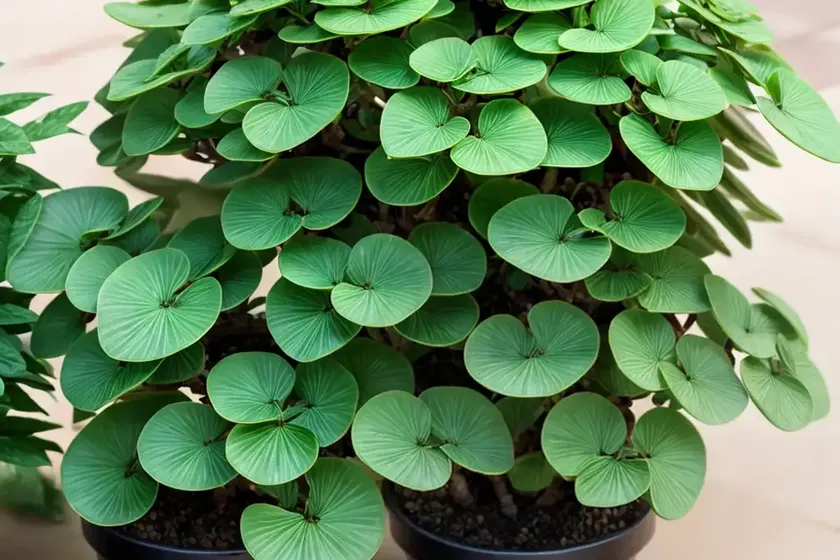
The Medusa Plant, scientifically referred to as Euphorbia flanaganii, is a member of the Euphorbiaceae family, native to South Africa. This fascinating succulent is characterized by its unusual appearance, with numerous serpent-like stems arising from a central base, resembling the mythological figure of Medusa, the Gorgon with snakes for hair. The distinctive form of the Medusa Plant makes it a captivating addition to any plant collection.
Key Takeaways – Medusa Plant (Euphorbia flanaganii)
Culture
The culture of the Medusa Plant revolves around creating the ideal environment for its growth and development. Understanding its natural habitat, temperature preferences, and watering needs are crucial aspects of cultivating a healthy and thriving Medusa Plant.
Natural Habitat
- Native to South Africa, the Medusa Plant thrives in arid regions with well-draining soil and ample sunlight. Its natural habitat provides valuable insights into its preferred growing conditions.
Temperature Tolerance
- Euphorbia flanaganii exhibits a high tolerance for warm temperatures and is well-suited to arid or semi-arid climates. It is essential to provide adequate protection from frost and extreme cold.
Uses
The Medusa Plant offers a multitude of uses, ranging from its ornamental value to its potential medicinal properties. Understanding the diverse uses of the plant can enhance its significance in various settings.
Ornamental Value
- With its mesmerizing form and striking visual appeal, the Medusa Plant serves as a captivating ornamental addition to gardens, indoor spaces, and xeriscape landscapes.
Medicinal Properties
- While the Medusa Plant is primarily cultivated for its ornamental value, certain Euphorbia species have been used in traditional medicine for their purported healing properties. However, caution must be exercised due to the potential toxicity of Euphorbia plants.
Water
The watering requirements of the Medusa Plant are integral to its care regimen. Balancing adequate moisture with well-draining soil is essential for preventing issues such as root rot and ensuring the plant’s vitality.
Watering Practices
- Euphorbia flanaganii is well-adapted to arid conditions and prefers infrequent but thorough watering. It is crucial to allow the soil to dry out between watering sessions to prevent waterlogged conditions.
Drought Tolerance
- The Medusa Plant exhibits remarkable drought tolerance, making it an excellent choice for water-wise gardening and xeriscaping projects. Its ability to thrive in dry conditions contributes to its popularity in regions with limited water resources.
Soil Requirements
- Given its natural habitat in arid regions, the Medusa Plant thrives in well-draining soil to prevent water accumulation around its roots. A sandy or gravelly soil mix formulated specifically for succulents is ideal for promoting healthy growth.
Sunlight
Sunlight serves as a primary energy source for plants, and understanding the sunlight needs of the Medusa Plant is crucial for its overall well-being. Proper light exposure ensures vibrant growth and the development of its characteristic form.
Sunlight Exposure
- Euphorbia flanaganii thrives in bright, indirect light, making it well-suited for sunny windowsills, open patios, and outdoor gardens. Adequate sunlight exposure promotes strong, compact growth and vibrant green hues.
Indoor Lighting
- When grown indoors, placing the Medusa Plant near south or west-facing windows provides the sufficient sunlight exposure it requires. Supplemental grow lights can be beneficial during periods of reduced natural light, such as during the winter months.
Fertilizer
Fertilization plays a vital role in providing essential nutrients to the Medusa Plant, supporting its growth and promoting robust health. Understanding the appropriate fertilization approach prevents nutrient deficiencies and encourages lush foliage.
Fertilizing Practices
- During the active growing season in spring and summer, a balanced, water-soluble fertilizer specifically formulated for succulents can be applied to the Medusa Plant at half-strength. Fertilization should be withheld during the plant’s dormancy period in fall and winter.
Nutrient Balance
- Maintaining a balanced approach to fertilization prevents the risk of over-fertilization, which can lead to salt accumulation in the soil and potential damage to the plant’s roots. Diluting the fertilizer and applying it sparingly is essential for promoting healthy growth.
Pruning
Pruning the Medusa Plant serves to maintain its form, remove dead or damaged growth, and promote overall plant vitality. Proper pruning techniques contribute to the plant’s aesthetics and prevent issues such as overcrowding.
Pruning Guidelines
- The Medusa Plant can be pruned to remove any withered or desiccated stems, enhance its symmetrical appearance, and manage its overall size. Pruning is best performed in spring or early summer when the plant is actively growing.
Safety Precautions
- Due to the milky sap that Euphorbia plants contain, which can be irritating to the skin and toxic if ingested, wearing protective gloves when pruning the Medusa Plant is advisable. The sap can cause skin irritation and should be handled with caution.
Propagation
Reproducing the Medusa Plant through propagation methods allows plant enthusiasts to expand their collection and share the unique beauty of this succulent with others. Knowledge of propagation techniques enables the successful generation of new plants from existing specimens.
Propagation Methods
- The Medusa Plant can be propagated through stem cuttings, allowing healthy stems to callus before planting them in a well-draining succulent mix. Propagation is typically performed during the active growing season to maximize success rates.
Time and Patience
- Propagation requires patience, as the development of new roots and shoots takes time. Providing adequate warmth, moisture, and indirect light during the propagation process creates an optimal environment for successful rooting.
Container Popularity
The Medusa Plant’s popularity as a container plant has surged due to its compact size, striking appearance, and low-maintenance requirements. Incorporating the plant into containers and succulent arrangements adds visual interest and charm to various settings.
Container Gardening
- Euphorbia flanaganii thrives in containers with well-draining soil, making it suitable for potted arrangements, terrariums, and small-space gardens. Its adaptability to container growth makes it an excellent choice for urban gardening enthusiasts.
Decorative Displays
- The Medusa Plant’s unique form and growth habits make it an intriguing centerpiece for succulent arrangements, striking a balance between artistic expression and natural beauty. Its use in container gardens allows for creative and customizable displays.
Common Diseases
Though generally resilient, the Medusa Plant is susceptible to certain diseases and issues that can impact its health and appearance. Understanding common diseases and their diagnosis enables early intervention and effective management.
Root Rot
- Overwatering or poorly draining soil can lead to root rot in the Medusa Plant, causing discoloration, wilting, and eventual collapse of the plant. Diagnosing root rot involves inspecting the plant’s roots for signs of decay and adjusting watering practices accordingly.
Powdery Mildew
- Powdery mildew, characterized by a white powdery substance on the plant’s leaves, can affect the Medusa Plant in conditions of high humidity and poor air circulation. Proper ventilation and the application of fungicidal treatments can mitigate powdery mildew issues.
Common Pests
Pests pose a potential threat to the Medusa Plant’s well-being, and vigilance is essential in detecting and addressing pest infestations promptly. Implementing preventive measures and targeted treatments helps protect the plant from pest-related damage.
Mealybugs
- Mealybugs may infest the Medusa Plant, feeding on its sap and causing stunted growth and yellowing of the plant’s stems. Control measures include physically removing the pests and applying horticultural oil or insecticidal soap to mitigate infestations.
Aphids
- Aphids can target the Medusa Plant, clustering on its tender growth tips and causing distorted or yellowed foliage. Using a strong stream of water or applying insecticidal soap effectively manages aphid populations and prevents further damage.
Botanist’s Tips
Drawing upon the knowledge and expertise of botanists provides valuable insights into the care and cultivation of the Medusa Plant. Their tips and recommendations offer practical guidance for fostering the optimal growth and well-being of the plant.
Soil Composition
- Mixing cactus or succulent potting soil with coarse sand or perlite enhances the soil’s drainage and aeration, creating an ideal growing medium for the Medusa Plant.
Temperature Considerations
- Providing the Medusa Plant with consistent warmth and protecting it from temperatures below 50°F (10°C) ensures its continued vigor and resilience.
Fun Facts
Exploring the fascinating and lesser-known aspects of the Medusa Plant elevates the appreciation for its unique qualities and cultural significance. Fun facts add depth to the understanding of this captivating succulent.
Mythological Inspiration
- The Medusa Plant’s common name is derived from the mythological figure of Medusa, a Gorgon with venomous snakes for hair, contributing to its intriguing allure and symbolic significance.
Xerophytic Adaptations
- Euphorbia flanaganii’s ability to thrive in arid conditions is attributed to its xerophytic adaptations, including water-storing stems and reduced leaf surface area.
Links to External Resources
- Succulent Medusa Plant Care Guide
- Euphorbia flanaganii Varieties
- Medusa Plant Propagation Techniques
- Euphorbia flanaganii Soil Requirements
- Medusa Plant Indoor Plant Care
In conclusion, the Medusa Plant (Euphorbia flanaganii) stands out as a truly remarkable succulent, captivating enthusiasts with its distinctive form, low-maintenance nature, and cultural significance. By understanding its unique characteristics, cultivation requirements, and propagation techniques, plant enthusiasts can foster the growth and vitality of this captivating succulent, ensuring its continued allure in homes, gardens, and landscapes around the world.
This comprehensive guide provides an in-depth exploration of the Medusa Plant, shedding light on its care, cultivation, and unique attributes. From its mythology-inspired name to its adaptable nature, the Medusa Plant continues to captivate plant enthusiasts, adding a touch of intrigue and natural beauty to diverse settings. Whether grown in containers, displayed in indoor spaces, or integrated into outdoor landscapes, the Medusa Plant stands as a testament to the captivating diversity of the plant kingdom and the enduring appeal of succulents.
Remember to always exercise caution when handling Euphorbia plants, as their milky sap can be irritating to the skin and toxic if ingested. Additionally, continue to explore and appreciate the vast array of unique succulent plants that contribute to the rich tapestry of horticulture and botanical diversity.