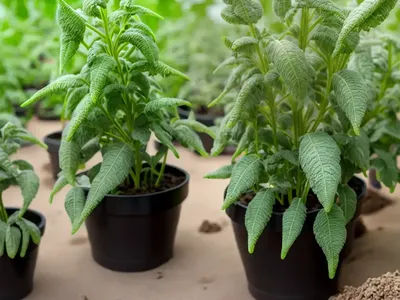
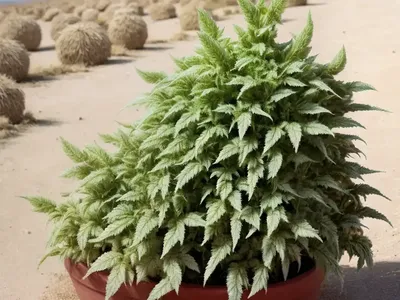
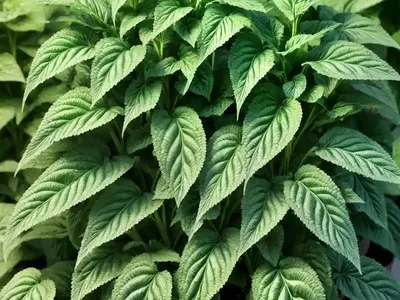
Mat Amaranth (Amaranthus Blitoides)
The Mat Amaranth, scientifically known as Amaranthus Blitoides, is a fascinating member of the Amaranthaceae family. This prostrate, mat-forming plant is.
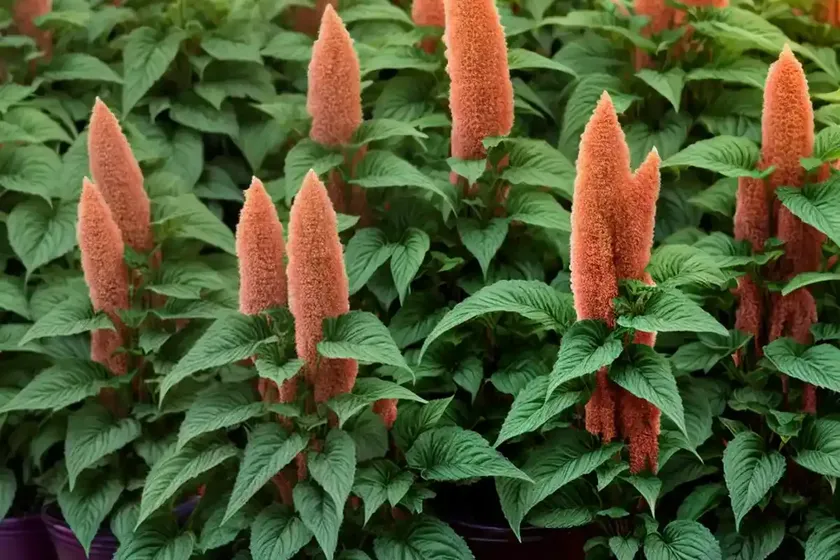
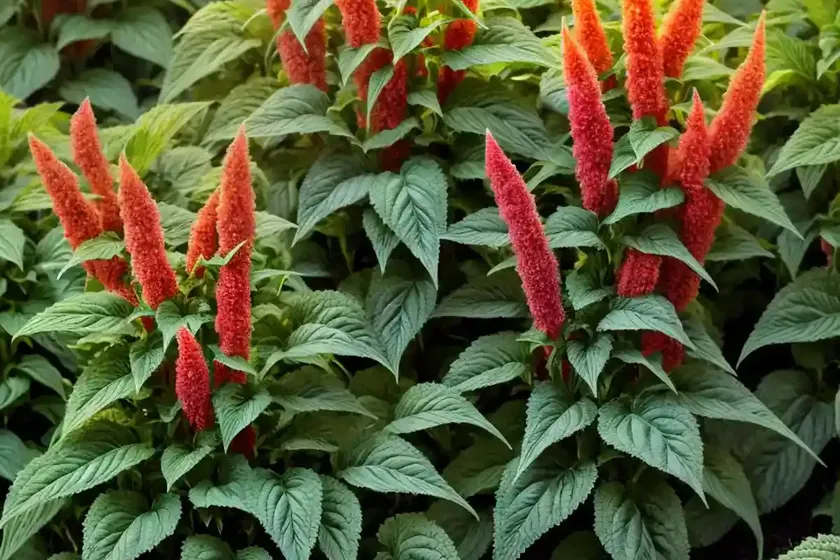
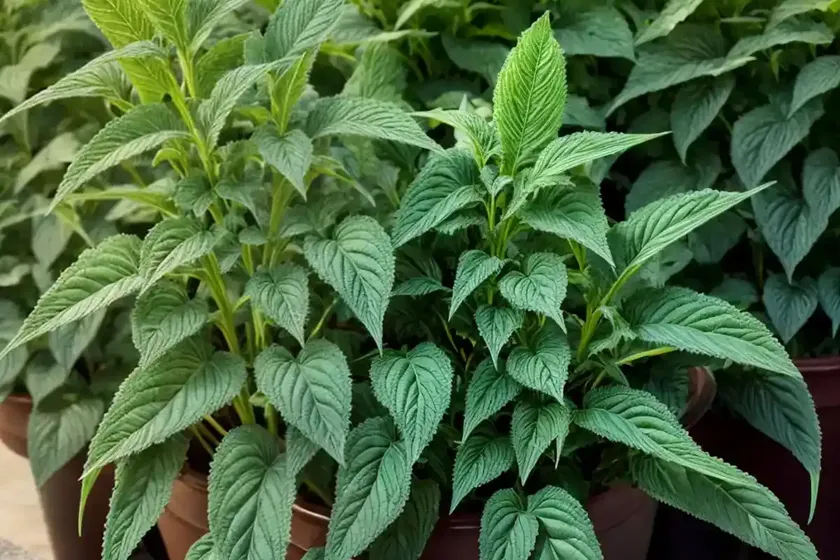
The Mat Amaranth, scientifically known as Amaranthus Blitoides, is a fascinating member of the Amaranthaceae family. This prostrate, mat-forming plant is native to North America and is renowned for its ground-hugging growth habit. In this extensive guide, we will delve into the key aspects of the Mat Amaranth, including its cultural requirements, uses, growth habits, and management. Whether you are a gardening enthusiast, a professional horticulturist, or simply intrigued by the intriguing world of plants, this comprehensive exploration of the Mat Amaranth will provide you with valuable insights into this low-growing marvel.
What is Mat Amaranth (Amaranthus Blitoides)?
Also referred to as carpetweed, Blitum blitoides, or prostrate amaranth, Amaranthus Blitoides is an annual flowering plant that boasts a distinctive prostrate growth habit. Its ground-hugging nature, along with its weedy characteristics, sets it apart from many other amaranth varieties. This vining species is known for its sprawling growth, making it an excellent ornamental groundcover as well as a versatile plant with various cultural and environmental uses.
Key Takeaways – Mat Amaranth (Amaranthus Blitoides)
Before delving into the specific aspects of the Mat Amaranth, let’s highlight the key takeaways pertaining to this intriguing plant. These aspects will serve as the framework for our in-depth discussion, providing an overview of its uses, growth habits, and maintenance requirements.
- Amaranthaceae Family: The Mat Amaranth belongs to the Amaranthaceae family, which includes a diverse array of plants renowned for their ornamental, culinary, and medicinal properties.
- Prostrate Growth Habit: Unlike its upright counterparts, the Mat Amaranth exhibits a ground-hugging growth habit, making it an excellent option for ornamental groundcover and erosion control.
- Annual Flowering Plant: Being an annual plant, Amaranthus Blitoides completes its life cycle within a year, making it a favored choice for seasonal planting and landscaping.
- Versatile Uses: From ornamental landscaping to culinary applications, Mat Amaranth offers versatile uses, making it a valuable addition to gardens, landscapes, and agricultural settings.
- Drought-Tolerant: Adapted to various climates, the Mat Amaranth displays remarkable drought tolerance, making it suitable for arid and semi-arid environments.
- Weed Species: While prized for its ornamental and ecological attributes, the Mat Amaranth can also exhibit weedy characteristics, necessitating effective weed management strategies in garden and crop settings.
Culture
The successful cultivation of Mat Amaranth relies on an understanding of its cultural requirements, including considerations such as water, sunlight, fertilizer, soil, and pruning. By addressing these aspects, gardeners and horticulturists can ensure optimal growth and performance of this unique plant.
Water
Mat Amaranth is known for its adaptability to varying moisture conditions, and it is notably drought-tolerant, making it an ideal choice for landscapes or gardens in regions with limited water availability. However, during the establishment phase and in prolonged dry spells, adequate watering is essential to promote vigorous growth and maintain plant health. When providing water for Mat Amaranth, it is crucial to ensure proper drainage to prevent waterlogging, which can lead to root rot and other moisture-related issues.
Sunlight
This low-growing amaranth thrives in full sunlight, benefiting from at least 6-8 hours of direct sun exposure per day. While it can tolerate partial shade, especially in regions with intense afternoon sun or during heatwaves, consistent sunlight is essential for robust growth and flowering. When selecting a planting site for Mat Amaranth, prioritize locations with ample sunlight to maximize its ornamental and ecological contributions.
Fertilizer
Amaranthus Blitoides generally thrives in average to poor fertility soils, and excessive fertilization can lead to lush, vegetative growth at the expense of flowering and overall plant vigor. Therefore, minimal fertilization is recommended for this species. A balanced, slow-release fertilizer applied during the early stages of growth can provide the necessary nutrients without stimulating excessive vegetative development. However, if the soil is known to be particularly poor in nutrients, a light application of a balanced fertilizer can support initial establishment.
Soil
The Mat Amaranth shows remarkable adaptability to different soil types, including sandy, loamy, and clay soils, provided they offer good drainage. However, it thrives in well-draining, slightly acidic to neutral soils. Prioritizing soil with good drainage capabilities is crucial to prevent waterlogging, which can adversely affect the plant’s root system and overall health. Additionally, incorporating organic matter into the soil during planting can enhance its moisture retention capacity and overall fertility.
Pruning
Pruning plays a limited role in the maintenance of Mat Amaranth, primarily focused on the removal of spent flowers and any straggly growth to maintain a neat, compact appearance. It is important to remove the spent flowers to encourage continuous flowering and prevent the plant from channeling its resources into seed production. While minimal, periodic pruning can help shape the plant and enhance its ornamental value as a ground-hugging cover in landscapes and gardens.
Uses
Mat Amaranth offers a wide array of uses, ranging from ornamental applications to culinary and ecological roles. Its versatility and adaptability make it a valuable addition to various settings, contributing to aesthetic appeal, biodiversity, and sustainable practices.
Ornamental Groundcover
The low-growing, mat-forming habit of Amaranthus Blitoides makes it an excellent choice for ornamental groundcover in diverse landscapes, including rock gardens, borders, and xeriscapes. Its sprawling growth habit and attractive foliage create a visually appealing carpet that can complement other plants and hardscape elements. Additionally, its drought tolerance and minimal maintenance requirements further enhance its suitability as an ornamental groundcover in regions with water conservation considerations.
Culinary Applications
Beyond its ornamental value, Mat Amaranth possesses edible leaves that are rich in nutrients, making it a valuable addition to culinary practices. The tender young leaves can be used in salads, stir-fries, and soups, adding a nutritious and flavorful element to various dishes. With its remarkable adaptability and minimal space requirements, it can be cultivated in home gardens and urban farming settings to provide a fresh and nutrient-dense leafy green for culinary use.
Wildlife Habitat
The sprawling growth and dense foliage of the Mat Amaranth serve as valuable habitats for various small wildlife species, including insects, birds, and small mammals. By providing shelter and foraging opportunities for these creatures, Mat Amaranth contributes to the ecological balance and biodiversity of the surrounding environment. In landscaping and conservation efforts, incorporating Mat Amaranth can support the creation of wildlife-friendly spaces, promoting the presence of beneficial organisms and contributing to overall ecosystem health.
Propagation
The propagation of Mat Amaranth can be achieved through various methods, including seed sowing and division. By understanding the optimal approaches for propagating this species, gardeners and horticulturists can expand its presence in landscapes, gardens, and agricultural settings while preserving its genetic diversity.
Seed Sowing
Seeds serve as the primary propagation method for Mat Amaranth, and they can be sown directly into the prepared garden bed or seed-starting trays, depending on the intended planting site and the prevailing environmental conditions. When sowing seeds directly into the garden, ensure that the soil is adequately prepared, free of competing weeds, and supplemented with organic matter for improved fertility and moisture retention. Alternatively, starting seeds indoors allows for controlled conditions and early establishment, particularly in regions with short growing seasons or adverse weather conditions.
Division
While less common than seed propagation, division can be employed to propagate Mat Amaranth and expand its presence in the garden or landscape. This method involves separating existing clumps or patches of the plant into smaller sections, each containing viable roots and shoots. By carefully dividing the plant and ensuring the establishment of the divided sections in suitable growing conditions, gardeners can propagate and distribute Mat Amaranth while maintaining its desirable characteristics and growth habit.
Container Popularity
The low-growing and spreading nature of Mat Amaranth makes it a popular choice for container gardening, offering versatility and visual appeal in various outdoor and indoor settings. Its adaptability to containers enables gardening enthusiasts and urban dwellers to incorporate this plant into their living spaces, expanding its ornamental and functional contributions.
Outdoor Containers
In outdoor settings, such as patios, balconies, and rooftop gardens, Mat Amaranth thrives in containers, providing a lush, ground-hugging display that complements other potted plants and enhances the overall visual appeal of the space. When selecting containers for outdoor cultivation, prioritize those with adequate drainage holes to prevent waterlogging and use a well-draining potting mix that promotes healthy root development and moisture management. The versatile growth habit of Mat Amaranth makes it suitable for hanging baskets, window boxes, and ground-level planters, offering multiple options for incorporating it into outdoor container displays.
Indoor Containers
Within indoor environments, Mat Amaranth serves as an attractive and low-maintenance option for container gardening, bringing a touch of greenery and natural beauty to interior spaces. When growing Mat Amaranth indoors, select locations with ample natural light, such as near windows or under bright artificial lighting, to support its growth and development. Additionally, ensure proper ventilation and humidity levels to create an optimal indoor environment for this ground-hugging plant.
Common Diseases
While Mat Amaranth is known for its resilience and adaptability, it is susceptible to certain diseases that can impact its growth and overall health. Understanding these common diseases and their management is crucial for maintaining the vigor and ornamental value of this remarkable plant.
Disease Diagnosis
- Powdery Mildew:
- Symptoms: The development of a powdery white coating on the leaves and stems, often accompanied by leaf distortion and stunted growth.
- Management: Improve air circulation, avoid overhead watering, and apply fungicidal treatments if necessary.
- Downy Mildew:
- Symptoms: Yellow or brown lesions on the leaves, often accompanied by a fuzzy, grayish growth on the undersides of the foliage.
- Management: Remove affected plant parts, ensure proper spacing, and apply preventive fungicidal sprays in humid conditions.
- Leaf Spot:
- Symptoms: Circular or irregular dark spots on the leaves, often leading to leaf yellowing and defoliation.
- Management: Remove affected plant debris, and apply copper-based fungicides to prevent the spread of the disease.
Common Pests
In addition to diseases, Mat Amaranth can also face pest pressures that, if left unmanaged, can impact its growth and overall performance. Identifying these common pests and implementing targeted control measures is essential for preserving the health and ornamental value of this ground-hugging plant.
- Aphids:
- Aphids are small, soft-bodied insects that can cluster on the undersides of leaves, causing leaf distortion, honeydew production, and reduced plant vigor.
-
Management: Employ biological control agents, such as ladybugs or lacewings, and use insecticidal soaps or neem oil to control heavy infestations.
-
Spider Mites:
- Spider mites are tiny arachnids that feed on the plant’s sap, leading to stippled leaves, webbing, and reduced photosynthetic activity.
-
Management: Increase humidity, employ predatory mites, and apply horticultural oils to control spider mite populations effectively.
-
Slugs and Snails:
- These mollusks are known to feed on the foliage of the Mat Amaranth, leaving behind irregular holes and shredded leaves.
- Management: Employ physical barriers, such as copper tape or diatomaceous earth, and use iron phosphate-based baits to control slug and snail populations.
Botanist’s Tips
To ensure the successful cultivation and management of Mat Amaranth, incorporating the following botanist’s tips can optimize the plant’s performance and contribute to its overall health and ornamental value.
- Weed Management: Given its weedy characteristics, particularly in agricultural settings, implement effective weed management strategies, such as mulching, hand weeding, and targeted herbicide application, to control competing vegetation and promote the growth of Mat Amaranth.
- Integrated Pest Management (IPM): Embrace an integrated approach to pest management, incorporating biological controls, cultural practices, and selective pesticide use to minimize pest pressures and preserve the ecosystem’s balance.
- Companion Planting: Explore companion planting options to complement and enhance the growth of Mat Amaranth, such as pairing it with pollinator-friendly species, aromatic herbs, or other groundcover plants that promote soil health and biodiversity.
Fun Facts
Beyond its cultural and ecological significance, Mat Amaranth harbors a variety of intriguing and unique attributes that add to its charm and allure. These fun facts shed light on lesser-known aspects of this ground-hugging plant, further enriching our understanding and appreciation of its value in diverse settings.
- Edible Leaves: The young leaves of Mat Amaranth are not only ornamental but also edible, offering a nutritious and flavorful addition to culinary creations, ranging from salads to cooked dishes.
- Wildlife Attraction: The sprawling growth habit and dense foliage of Mat Amaranth make it a favored habitat for various wildlife species, including pollinators, beneficial insects, and small animals, boosting the ecological diversity and balance of the surrounding environment.
- Versatile Groundcover: Mat Amaranth’s low-growing and spreading nature make it an ideal groundcover option for landscapes, gardens, and conservation areas, contributing to erosion control, weed suppression, and overall aesthetic enhancement.
In conclusion, the Mat Amaranth (Amaranthus Blitoides) stands out as a versatile and valuable plant species, exemplifying adaptability, ornamental appeal, and ecological significance. By understanding and embracing its cultural requirements, uses, management strategies, and unique attributes, we can harness the full potential of this ground-hugging plant, enriching our landscapes, culinary experiences, and conservation efforts. Whether in the context of sustainable gardening practices, wildlife habitat creation, or ornamental landscaping, Mat Amaranth holds a distinct place as a prostrate marvel, enriching our natural and cultivated spaces with its unique charm and contributions.
For more in-depth information and further exploration of the Mat Amaranth, refer to the following external resources:
- Amaranth: The Gluten-Free Superfood
- Growing Grains: Amaranth and Quinoa
- Managing Weeds in Gardens
- Healing Weeds: Amaranth’s Medicinal Value
- Amaranth: An Illustrated Guide to Growing and Harvesting
By leveraging these resources, you can further expand your knowledge and engagement with this captivating plant, nurturing a deeper appreciation for its cultural, ecological, and culinary dimensions.