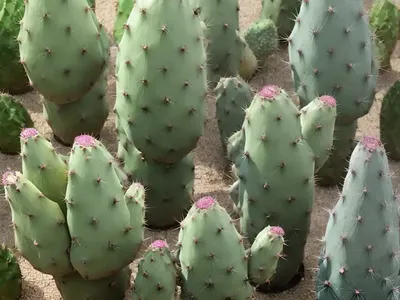
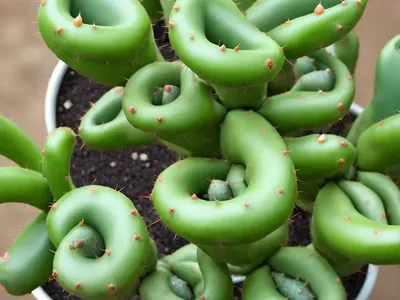
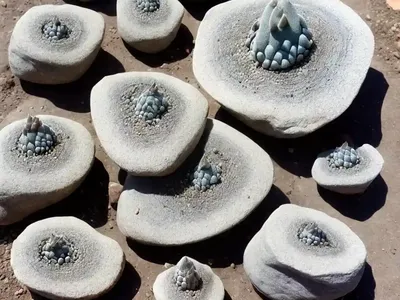
Martin’s Blunt-spine Prickly-pear (Opuntia Macrocentra)
Plants have always captivated humans with their diverse forms, functions, and uses. Opuntia Macrocentra, commonly known as Martin’s Blunt-spine.
Introduction
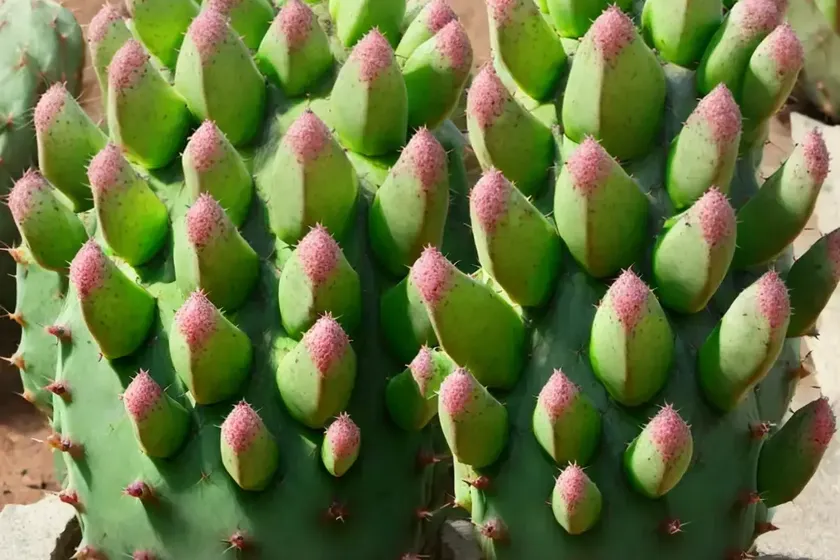
Plants have always captivated humans with their diverse forms, functions, and uses. Opuntia Macrocentra, commonly known as Martin’s Blunt-spine Prickly-pear, is a particularly intriguing plant species that exhibits unique characteristics and cultural significance. In this comprehensive guide, we will delve into the various aspects of Opuntia Macrocentra, including its culture, uses, care requirements, and ecological importance.
What is Opuntia Macrocentra?
Opuntia Macrocentra, also known as Martina’s Blunt-spine Prickly-pear, belongs to the Opuntia genus within the Cactaceae family. This species is native to the southwestern United States and northern Mexico, predominantly found in arid and semi-arid environments, including deserts, grasslands, and rocky slopes.
Martin’s Blunt-spine Prickly-pear (Opuntia Macrocentra) – Key Characteristics
- Common Name: Martin’s Blunt-spine Prickly-pear
- Scientific Name: Opuntia Macrocentra
- Family: Cactaceae
- Native Habitat: Southwestern United States and northern Mexico
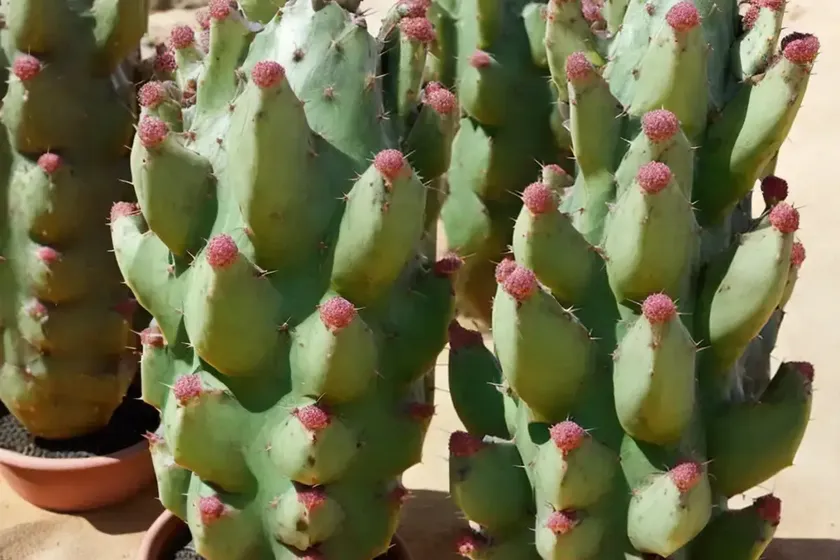
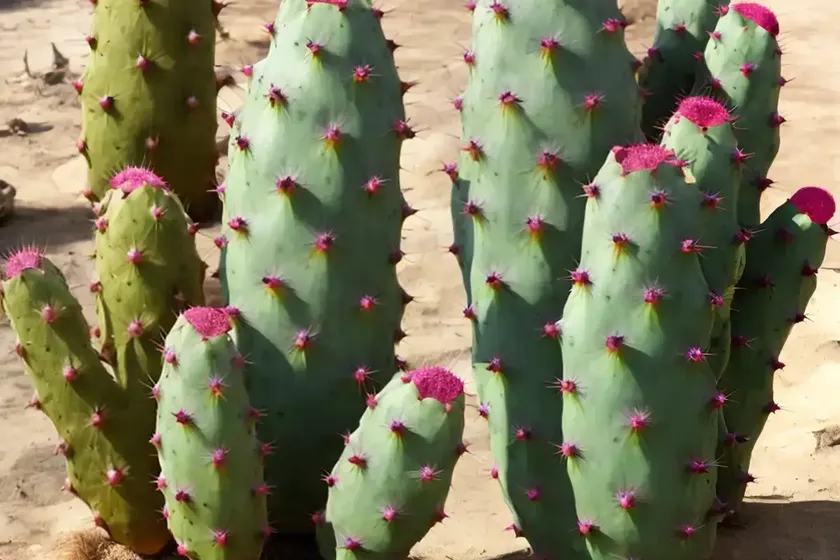
- Growth Habit: Perennial, succulent plant with flat, fleshy pads
- Characteristics: Densely covered with long, straight spines and small glochids
- Flowering: Produces vibrant, yellow flowers in late spring to early summer
- Fruits: Develops pear-shaped edible fruits, known as prickly pears
Culture
Uses
The Martin’s Blunt-spine Prickly-pear (Opuntia Macrocentra) serves various cultural, culinary, and medicinal purposes. Its uses include:
– Culinary: The edible fruits can be used to make jams, jellies, and desserts. Additionally, young pads are cooked as a vegetable in certain cuisines.
– Medicinal: Certain indigenous communities use Opuntia Macrocentra for medicinal purposes, including the treatment of wounds, gastrointestinal issues, and inflammation.
– Landscaping: Due to its striking visual appeal and low maintenance requirements, Martin’s Blunt-spine Prickly-pear is utilized in xeriscaping and arid landscaping projects.
Care Requirements
Water
Opuntia Macrocentra is well-adapted to arid environments and exhibits low water requirements. When cultivating this species, it is essential to practice infrequent, deep watering to mimic its natural habitat. Overwatering can lead to root rot and other complications.
Sunlight
As a desert-dwelling plant, Martin’s Blunt-spine Prickly-pear thrives in full sunlight exposure. It should be placed in a location that receives at least 6-8 hours of direct sunlight per day to promote optimal growth and flowering.
Fertilizer
Fertilization requirements for Opuntia Macrocentra are minimal. An application of a balanced, low-nitrogen fertilizer in early spring can support healthy growth. However, excessive fertilization should be avoided to prevent adverse effects on the plant.
Soil
The ideal soil for Martin’s Blunt-spine Prickly-pear is well-draining and slightly acidic to neutral. Sandy or loamy soils with good drainage properties are preferable to prevent waterlogged conditions, which can be detrimental to the plant’s health.
Pruning
Pruning requirements for Opuntia Macrocentra are primarily focused on the removal of dead or damaged pads, as well as the control of its sprawling growth habit. Additionally, removing spent flowers and fruit can promote tidiness and encourage new growth.
Propagation
Container Popularity
Opuntia Macrocentra is well-suited for container cultivation, making it popular among gardeners with limited outdoor space. Additionally, its unique aesthetic qualities and minimal care needs contribute to its appeal as a container plant.
Common Diseases
Martin’s Blunt-spine Prickly-pear may be susceptible to certain diseases in unfavorable growing conditions, including:
– Root Rot: Caused by overwatering and waterlogged soil.
– Fungal Infections: Prolonged exposure to excessive moisture can lead to fungal diseases such as powdery mildew and leaf spot.
Disease Diagnosis
Early detection of diseases is essential for effective management. Symptoms such as wilting, yellowing of the pads, and abnormal growth should be carefully monitored, and appropriate measures, such as adjusting watering practices and improving air circulation, should be implemented to prevent and control diseases.
Common Pests
Opuntia Macrocentra is relatively resistant to pest infestations. However, occasional issues with the following pests may arise:
– Cactus Bugs: These sap-feeding insects can cause damage to the pads and should be promptly addressed through manual removal or targeted insecticidal treatments.
– Spider Mites: Infestations of spider mites may occur in dry, dusty conditions, leading to stippled and discolored foliage.
Botanist’s Tips
To ensure the successful cultivation of Opuntia Macrocentra, consider the following expert tips:
– Watering Schedule: Establish a consistent but infrequent watering schedule to prevent water-related issues.
– Winter Protection: In regions with cold winters, provide frost protection to shield the plant from freezing temperatures.
– Sun Exposure: Ensure that the plant receives ample sunlight to promote healthy growth and flowering.
Fun Facts
- The vibrant yellow flowers of Opuntia Macrocentra attract pollinators such as bees and butterflies, contributing to the ecological diversity of its native habitats.
- The fleshy pads and fruits of Martin’s Blunt-spine Prickly-pear are rich in antioxidants and vitamins, making them a valuable addition to dietary supplements and natural products.
Links to External Resources
For further information on Opuntia Macrocentra and related topics, consider exploring the following resources:
– The Cactus and Succulent Society of America
– Gardening Know How – Opuntia Care Guide
– University of Arizona Cooperative Extension – Prickly Pear Cactus
In conclusion, Opuntia Macrocentra, or Martin’s Blunt-spine Prickly-pear, represents a remarkable example of adaptability to arid environments and offers a myriad of cultural, culinary, and ecological benefits. By understanding and implementing the appropriate care practices, individuals can cultivate and appreciate the unique charm of this resilient plant species in various settings.
Keywords: Opuntia Macrocentra care, Martin’s Blunt-spine Prickly-pear characteristics, Growing Opuntia Macrocentra, Opuntia Macrocentra propagation methods, Opuntia Macrocentra pruning tips, Opuntia Macrocentra soil requirements, Opuntia Macrocentra watering needs, Opuntia Macrocentra sun exposure, Opuntia Macrocentra temperature tolerance, Opuntia Macrocentra pest control, Opuntia Macrocentra disease prevention, Opuntia Macrocentra potting options, Opuntia Macrocentra landscape use, Opuntia Macrocentra companion plants, Opuntia Macrocentra edible uses, Opuntia Macrocentra medicinal properties, Opuntia Macrocentra wildlife attraction, Opuntia Macrocentra gardening tips, Opuntia Macrocentra thorns removal, Opuntia Macrocentra winter protection, Opuntia Macrocentra visual appeal, Opuntia Macrocentra native habitat, Opuntia Macrocentra growth rate, Opuntia Macrocentra container gardening, Opuntia Macrocentra landscape design ideas, Opuntia Macrocentra unique features, Opuntia Macrocentra ornamental value, Opuntia Macrocentra hardiness zone, Opuntia Macrocentra soil pH preferences, Opuntia Macrocentra water conservation, Opuntia Macrocentra drought tolerance, Opuntia Macrocentra plant size, Opuntia Macrocentra color variations, Opuntia Macrocentra outdoor cultivation, Opuntia Macrocentra indoor care, Opuntia Macrocentra seasonal changes, Opuntia Macrocentra pollination methods, Opuntia Macrocentra fruit production, Opuntia Macrocentra landscape maintenance, Opuntia Macrocentra succulent plant, Opuntia Macrocentra garden design, Opuntia Macrocentra pests and diseases, Opuntia Macrocentra arid environment, Opuntia Macrocentra garden decor, Opuntia Macrocentra suitable climate, Opuntia Macrocentra unique growth habit, Opuntia Macrocentra species variations, Opuntia Macrocentra foliage characteristics, Opuntia Macrocentra container plants, Opuntia Macrocentra root system