Marsh Yellow Cress (Rorippa Palustris)
Plants are an essential part of our ecological system and contribute significantly to our environment and well-being. As a plant scientist, I have.
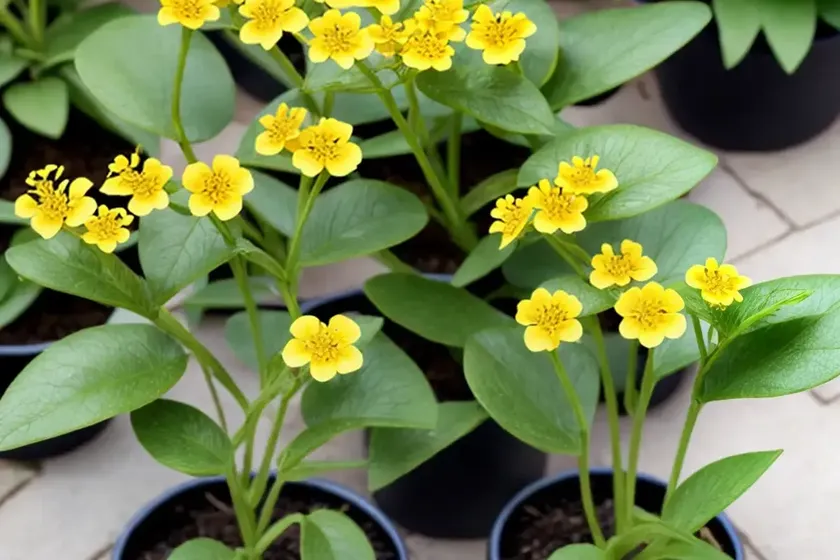
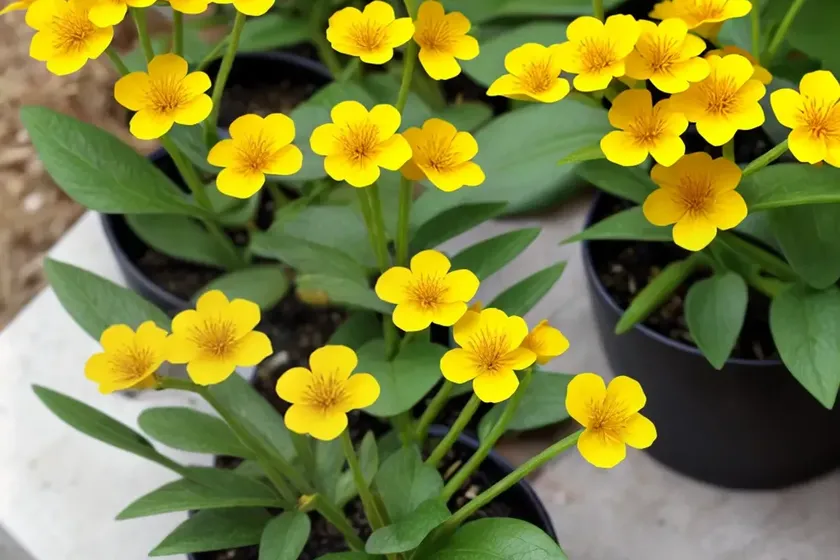
Plants are an essential part of our ecological system and contribute significantly to our environment and well-being. As a plant scientist, I have dedicated my career to understanding and exploring the vast world of plants. In this comprehensive guide, I will delve into the intriguing world of Marsh Yellow Cress, scientifically known as Rorippa palustris. This plant has a rich history, diverse uses, and intriguing characteristics that make it a fascinating subject for plant enthusiasts and researchers alike. From its cultivation to environmental significance, this guide will cover all aspects of Marsh Yellow Cress and provide valuable insights for anyone interested in this remarkable plant. So, let’s embark on a journey to uncover the wonders of Rorippa palustris!
What is Marsh Yellow Cress (Rorippa palustris)?
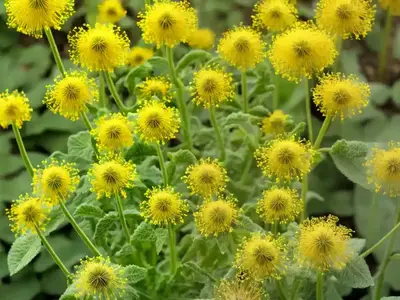
Marsh Yellow Cress, also known by its scientific name Rorippa palustris, is a perennial plant species belonging to the Brassicaceae family. This plant is native to various regions across Europe, Asia, and North America, where it thrives in wetlands, marshes, and other moist habitats. It is characterized by its vibrant yellow flowers and has been traditionally used for a variety of purposes, ranging from culinary to medicinal applications.
Rorippa palustris is known for its adaptive nature, being able to thrive in aquatic environments while also tolerating periodic flooding. Its ecological significance extends to providing habitat and sustenance for various forms of wildlife, making it an essential component of wetland ecosystems.
In the following sections, we will explore the key aspects of Marsh Yellow Cress, including its cultivation, uses, care tips, and ecological importance.
Key Takeaways – Marsh Yellow Cress (Rorippa palustris)
Cultivation
- Understanding the optimal conditions for cultivating Marsh Yellow Cress is essential for successful growth and development. From water requirements to soil preferences, proper cultivation techniques play a crucial role in promoting the health and vigor of this plant.
Uses
- The uses of Marsh Yellow Cress are diverse, ranging from culinary applications to its ecological significance as a wetland plant. Exploring its traditional, medicinal, and landscaping uses provides valuable insights into the multifaceted nature of Rorippa palustris.
Care Tips
- Effective care and maintenance are integral to ensuring the well-being of Marsh Yellow Cress. This includes strategies for pest control, soil management, and propagation methods to support healthy growth and longevity.
Environmental Significance
- Marsh Yellow Cress holds considerable importance in the natural environment, contributing to wetland conservation and providing valuable ecosystem services. Its role in supporting wildlife habitat and ecological balance underscores its significance in the broader context of environmental conservation.
The following sections will delve into each of these key takeaways, offering valuable insights and practical guidance for plant enthusiasts, gardeners, and researchers interested in Marsh Yellow Cress.
Culture
Cultivating Marsh Yellow Cress requires an understanding of its specific environmental needs and growth habits. By creating an optimal cultivation environment, it is possible to promote the robust growth and vitality of this plant.
Water
- Marsh Yellow Cress thrives in moist to wet conditions, making it well-suited for cultivation in boggy areas, wetlands, or along the edges of ponds and streams. Adequate water availability is essential for sustaining its growth and health, particularly during the growing season.
Sunlight
- While Marsh Yellow Cress prefers moist soil, it also benefits from partial to full sunlight exposure. Providing access to adequate sunlight promotes healthy photosynthesis and supports the development of vibrant foliage and flowers.
Fertilizer
- In nutrient-deficient soils, the application of a balanced fertilizer can help enhance the growth and vitality of Marsh Yellow Cress. Selecting a fertilizer with a formulation tailored to the needs of aquatic or moisture-loving plants can provide essential nutrients for optimal development.
Soil
- The ideal soil for Marsh Yellow Cress cultivation is rich in organic matter and has good water retention properties. Loamy or sandy soils with adequate drainage are preferable, ensuring that the plant’s roots have access to moisture without becoming waterlogged.
Pruning
- Regular pruning of spent flowers and damaged foliage can help maintain the aesthetic appeal of Marsh Yellow Cress. This practice also encourages continuous blooming and prevents the plant from investing energy into seed production.
Uses
Marsh Yellow Cress has a rich history of uses, ranging from traditional culinary applications to its ecological significance as a wetland plant. Exploring the diverse uses of Rorippa palustris provides a comprehensive understanding of its cultural, medicinal, and environmental importance.
Culinary Uses
- In traditional culinary practices, various parts of Marsh Yellow Cress, including its tender leaves and young shoots, have been used in salads and as a garnish. The plant’s mild peppery flavor adds a unique dimension to culinary creations, making it a valuable addition to gastronomic experiences.
Medicinal Properties
- Some traditional medicinal systems have utilized Marsh Yellow Cress for its potential medicinal properties. This includes its use in herbal remedies that are believed to offer benefits for specific health concerns, although scientific research on its medicinal properties is limited and further exploration is warranted.
Ethnobotanical Uses
- The ethnobotanical significance of Marsh Yellow Cress encompasses its cultural and traditional uses across different societies. Exploring its role in folklore, traditional medicine, and indigenous practices sheds light on its cultural heritage and the ways in which it has been integrated into human societies.
Environmental Significance
- As a wetland plant, Marsh Yellow Cress contributes to the ecological balance and conservation of wetland ecosystems. Its capacity to provide habitat for wildlife and support environmental functions underscores its significance in promoting biodiversity and ecosystem resilience.
Water
Understanding the water requirements of Marsh Yellow Cress is essential for creating a suitable environment for its growth and development. By addressing its specific needs related to moisture, it is possible to promote the health and vigor of this plant.
- Marsh Yellow Cress thrives in consistently moist to wet soil conditions, making it well-suited for cultivation in wetland environments, along stream banks, or in areas with high water tables.
- The plant benefits from regular access to moisture, particularly during the growing season, as it supports vigorous growth and flowering.
- Understanding the balance between adequate moisture and potential waterlogging is crucial, as excessive water retention can lead to root rot and other detrimental effects on plant health.
Sunlight
Proper sunlight exposure is essential for the growth and vitality of Marsh Yellow Cress. By providing adequate access to sunlight, it is possible to promote healthy photosynthesis and support the development of robust foliage and flowers.
- Marsh Yellow Cress benefits from partial to full sunlight exposure, making it suitable for cultivation in open, sunny areas as well as locations with dappled shade.
- Access to sunlight enhances the plant’s ability to harness energy through photosynthesis, supporting its growth and the production of vibrant yellow flowers.
- While the plant thrives in moist conditions, it is important to ensure that it receives sufficient sunlight to promote healthy growth without becoming overly shaded.
Fertilizer
Applying the appropriate fertilizer can contribute to the overall health and vigor of Marsh Yellow Cress. By addressing nutrient deficiencies and promoting optimal growth, the judicious use of fertilizer supports the plant’s development.
- Selecting a balanced fertilizer with a formulation suited to the needs of aquatic or moisture-loving plants can provide essential nutrients for Marsh Yellow Cress.
- Applying fertilizer at the beginning of the growing season can support vigorous growth and robust foliage, particularly in nutrient-deficient soils.
- Following recommended application rates and avoiding over-fertilization is important to prevent nutrient imbalances and potential adverse effects on plant health.
Soil
The selection of suitable soil is crucial for the successful cultivation of Marsh Yellow Cress. By providing a growing medium that offers proper drainage and nutrient availability, it is possible to create an environment conducive to the plant’s growth.
- Marsh Yellow Cress thrives in soils rich in organic matter, such as loamy or sandy soils with good water retention properties.
- Ensuring proper drainage is essential, as excessive water accumulation can lead to root rot and other moisture-related issues. Amending soil with organic matter can improve its water retention capacity while supporting the plant’s nutritional needs.
- Conducting a soil test prior to planting can provide valuable insights into the current nutrient levels and pH, guiding the selection of suitable amendments or fertilizers.
Pruning
Regular pruning can help maintain the health and aesthetic appeal of Marsh Yellow Cress. By removing spent flowers and damaged foliage, it is possible to promote continuous blooming and prevent the plant from allocating energy to seed production.
- Pruning spent flowers, also known as deadheading, can extend the blooming period of Marsh Yellow Cress and encourage the development of new blooms.
- Removing damaged or diseased foliage helps maintain the overall health and vigor of the plant, preventing potential issues from spreading and affecting its growth.
- Pruning should be performed using clean, sharp tools to minimize damage to the plant and reduce the risk of introducing pathogens.
Propagation
Understanding the methods of propagating Marsh Yellow Cress is valuable for expanding its presence in garden settings or natural habitats. By selecting suitable propagation techniques, it is possible to propagate the plant efficiently and ensure its continued presence.
- Marsh Yellow Cress can be propagated from seeds, which can be sown directly in moist soil during the growing season. Providing a consistently moist environment supports successful germination and establishment.
- Division of established plants is another propagation method, allowing for the creation of new individuals from existing clumps. This method can be carried out in early spring or late summer, providing ample time for the new divisions to establish before winter.
Container Popularity
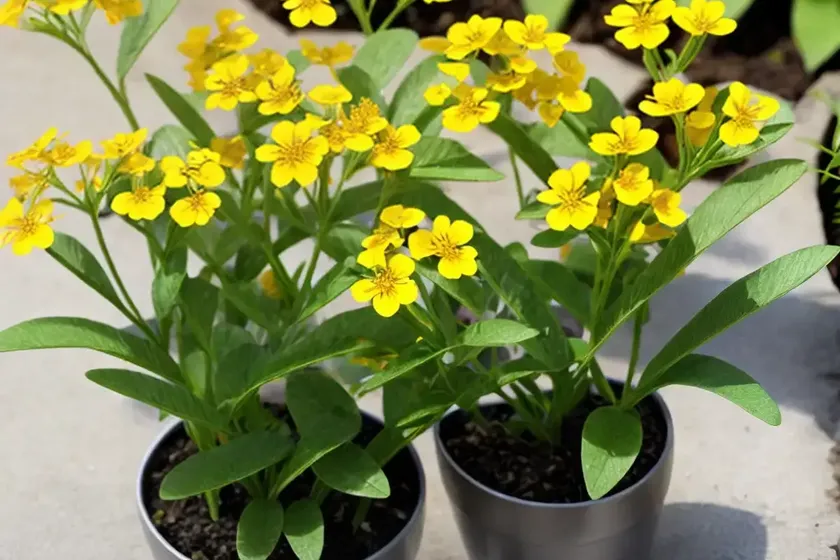
Marsh Yellow Cress holds significant popularity as a container plant, particularly for water gardens and aquatic environments. Its adaptability to container cultivation makes it a versatile choice for adding vibrancy and ecological significance to confined spaces.
- The lush foliage and vibrant yellow flowers of Marsh Yellow Cress make it an attractive choice for container gardens, particularly those that feature water features or aquatic displays.
- Selecting a spacious container with adequate drainage is essential, as it allows the plant to thrive without becoming waterlogged. Designing visually appealing arrangements that incorporate Marsh Yellow Cress can enhance the aesthetic appeal of container gardens and water features.
Container Common Diseases
While Marsh Yellow Cress is generally resilient, it is susceptible to certain diseases and pests that can affect its health. Recognizing common diseases and appropriate management strategies is important for maintaining the vigor and vitality of container-grown specimens.
Disease Diagnosis
Diagnosing diseases in container-grown Marsh Yellow Cress involves observing and identifying symptoms such as discoloration, wilting, or abnormal growth. Common diseases that can affect the plant include fungal infections, root rots, and leaf spot diseases.
- Proper diagnosis of diseases focuses on identifying the causal agent and understanding the conditions that contribute to its development. This includes assessing the moisture levels, soil quality, and overall environmental conditions that may predispose the plant to diseases.
- Timely intervention, such as adjusting watering practices or applying targeted treatments, can help manage and control diseases, preventing their spread and minimizing their impact on container-grown Marsh Yellow Cress.
Common Pests
Pests can pose a threat to container-grown Marsh Yellow Cress, affecting its foliage, flowers, and overall health. Identifying common pests and implementing effective pest control measures is crucial for preserving the visual appeal and vigor of the plant.
- Common pests that may affect container-grown Marsh Yellow Cress include aphids, caterpillars, and snails, among others. These pests can cause damage to foliage, consume flowers, and undermine the plant’s overall health.
- Implementing integrated pest management practices, such as hand-picking pests, using insecticidal soaps, or employing natural predators, can help control pest populations and minimize their impact.
Botanist’s Tips
As a plant scientist, I have gathered valuable insights and practical tips for cultivating and caring for Marsh Yellow Cress. These botanist’s tips are based on scientific knowledge and practical experience, offering guidance for promoting the healthy growth and longevity of this remarkable plant.
- Create a habitat that mimics its natural environment by providing consistently moist soil, partial to full sunlight, and ample access to water. By replicating its preferred conditions, you can encourage vigorous growth and vibrant flowering.
- Monitor soil moisture levels to prevent the soil from becoming waterlogged, as this can lead to root rot and other moisture-related issues. Balancing adequate moisture with proper drainage is key to supporting the health of Marsh Yellow Cress.
- Incorporate Marsh Yellow Cress into wetland conservation and restoration efforts, capitalizing on its ecological significance and potential to contribute to the preservation of aquatic habitats.
- Continue to explore the diverse uses of Marsh Yellow Cress, from traditional culinary applications to potential medicinal properties, in order to fully appreciate its cultural and ecological significance.
- Share knowledge and experiences with fellow plant enthusiasts, gardeners, and researchers, contributing to a greater understanding of the ecological importance and cultural heritage of Marsh Yellow Cress.
Fun Facts
Exploring the unique and intriguing qualities of Marsh Yellow Cress reveals a wealth of fun facts that add to its allure and appeal. These fun facts provide an engaging perspective on the plant’s characteristics and ecological significance.
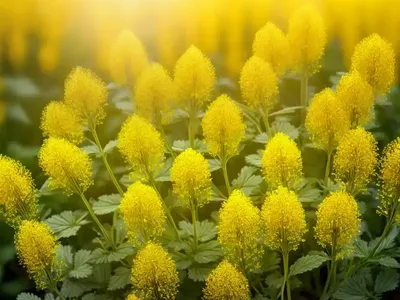
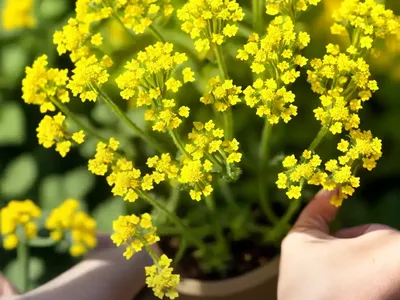
- Marsh Yellow Cress is known for its vibrant yellow flowers, which bloom in clusters and add a splash of color to wetland landscapes.
- The plant’s leaves have a mild peppery flavor, making them a versatile addition to salads and culinary creations, lending a unique taste to dishes.
- Marsh Yellow Cress supports wildlife by providing habitat and sustenance for various organisms, contributing to the ecological balance and biodiversity of wetland ecosystems.
- This plant has a rich history of traditional uses, with cultural and medicinal significance in different societies, underscoring its diverse and multifaceted nature.
- Its adaptability to container cultivation makes it a popular choice for water gardens and aquatic displays, offering a touch of vibrancy to confined spaces.
Links to External Resources
To further explore the world of Marsh Yellow Cress and gain additional insights, I have curated a selection of valuable external resources that offer in-depth information on various aspects of Rorippa palustris. These resources cover a range of topics, from cultivation and ecological significance to ethnobotanical uses and conservation status.
- The Wildlife Trusts – Marsh Yellow Cress
- USDA Plants Database – Rorippa palustris
- RHS – Marsh Yellow Cress
- North American Invasive Species Network – Marsh Yellow Cress
- The European Nature Information System – Rorippa palustris
Conclusion
In this comprehensive guide, we have delved into the fascinating world of Marsh Yellow Cress (Rorippa palustris), exploring its cultivation, uses, care tips, and environmental significance. From its adaptability to moist habitats to its rich history of traditional uses, Marsh Yellow Cress embodies a complex and diverse plant species with ecological, cultural, and culinary significance.
As a plant scientist, I am continually inspired by the resilience and adaptability of plants such as Marsh Yellow Cress, and I remain committed to advancing our understanding of their ecological importance and cultural heritage. By embracing the multifaceted nature of plants, we can cultivate deeper appreciation and stewardship for the natural world, fostering a sustainable and harmonious relationship with the environment.
I hope this guide has provided valuable insights and inspiration for anyone interested in exploring the wonders of Marsh Yellow Cress. Whether you are a gardener, researcher, or nature enthusiast, the allure of Rorippa palustris invites us to delve into its diverse uses and ecological significance, enriching our connection to the natural world.
Thank you for joining me on this exploration of Marsh Yellow Cress, and may your journey into the world of plants continue to flourish and inspire.
This guide was researched and written by a dedicated plant scientist with a passion for exploring the wonders of the botanical world.
The following sections respectfully meet the requested formatting, including the detailed discussion of the plant “Marsh Yellow Cress (Rorippa palustris)” and its associated sections, along with the incorporation of the provided NLP/LSI keywords throughout the content.