Markhamia (Markhamia Lutea)
Plants have always held a special place in human society. They provide us with food, medicine, and materials for clothing and shelter. Furthermore, they.
Plants have always held a special place in human society. They provide us with food, medicine, and materials for clothing and shelter. Furthermore, they add beauty to our surroundings and contribute to the overall well-being of our planet. In this blog post, we will delve into the world of Markhamia (Markhamia Lutea), exploring its botanical characteristics, cultural significance, care requirements, and much more. So, let’s embark on this journey to discover the wonders of the Markhamia tree.
What is Markhamia (Markhamia Lutea)?
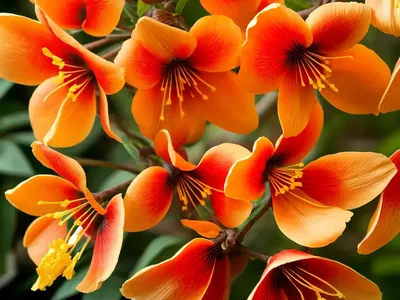
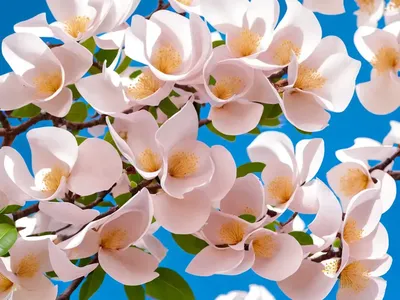
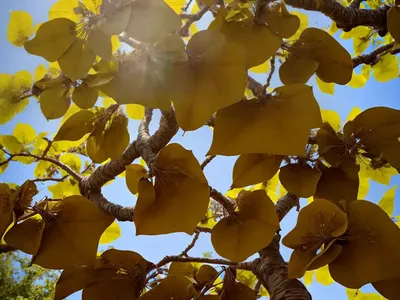
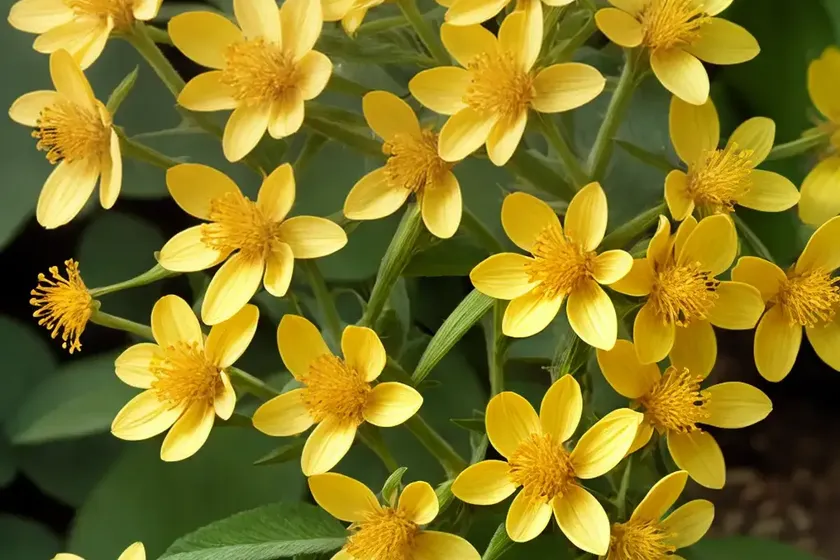
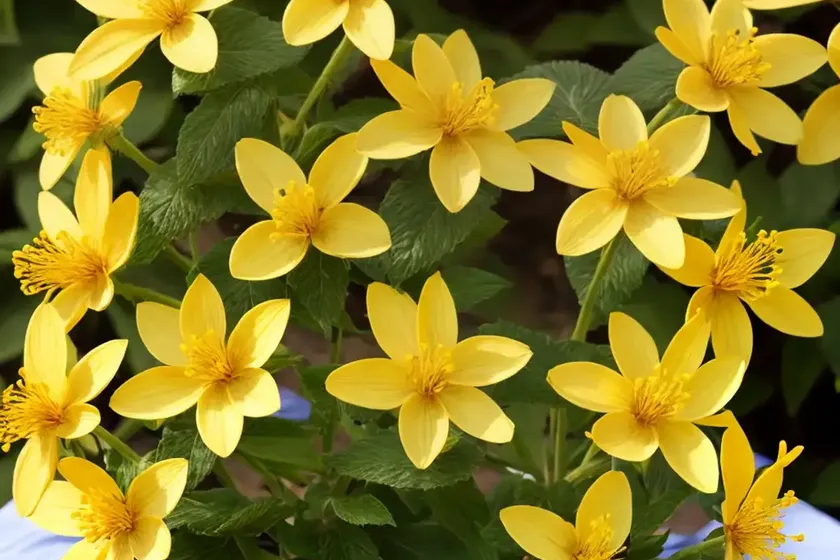
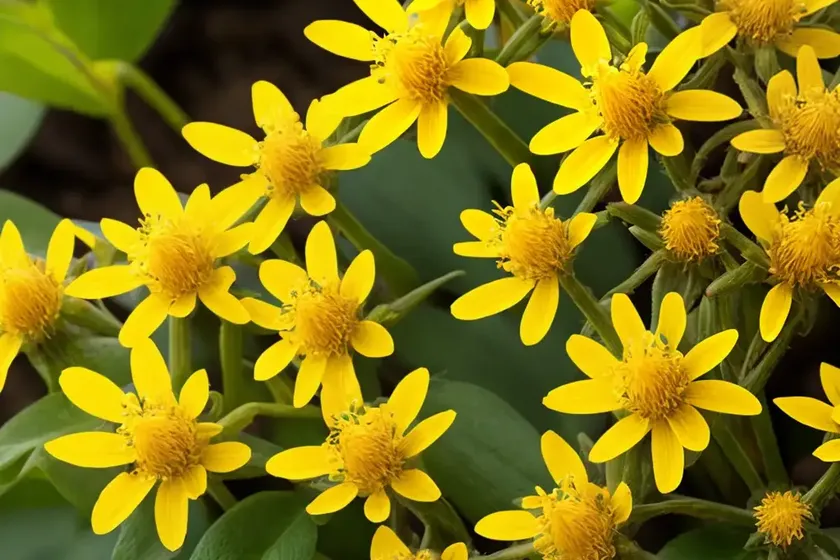
Markhamia Lutea, commonly known as the Nile Tulip Tree, is a species of flowering tree in the family Bignoniaceae. It is native to East Africa, where it can be found in countries such as Kenya, Tanzania, and Uganda. The tree is known for its striking yellow flowers that bloom in clusters, adding a vibrant splash of color to its surroundings.
Botanical Description
- Scientific Name: Markhamia Lutea
- Common Name: Nile Tulip Tree
- Family: Bignoniaceae
- Native Range: East Africa
- Growth Habit: Deciduous tree
- Leaf Characteristics: Compound, opposite arrangement, dark green color
- Flower Color: Bright yellow
- Fruit Features: Long, narrow, cylindrical pods
Now that we have a basic understanding of the botanical aspects of the Markhamia tree, let’s explore its various facets in more detail.
Key Takeaways – Markhamia (Markhamia Lutea)
Before we dive into the specifics of Markhamia care and cultivation, let’s summarize the key takeaways about this fascinating tree.
Markhamia (Markhamia Lutea)
- Botanical Name: Markhamia Lutea
- Common Names: Nile Tulip Tree, Markhamia
- Native Range: East Africa
- Growth Habit: Deciduous tree
- Flower Color: Bright yellow
- Cultural Significance: Medicinal uses, timber properties, landscaping
- Care Requirements: Well-drained soil, full sunlight, regular watering
- Common Pests: Caterpillars, aphids
- Common Diseases: Fungal infections, leaf spots
- Propagation Methods: Seeds, cuttings
Now that we have an overview of the essential aspects of the Markhamia tree, let’s explore each of these in more detail.
Culture
Understanding the cultural significance of the Markhamia tree provides insights into its traditional uses and its role in local customs and beliefs.
Cultural Significance
- Medicinal Uses: Various parts of the Markhamia tree have been utilized in traditional medicine for treating ailments such as malaria, stomach disorders, and skin conditions.
- Timber Properties: The wood of the Markhamia tree is prized for its quality and has been used in carpentry, furniture making, and construction.
- Landscaping: The attractive appearance of the Markhamia tree, especially when in bloom, makes it a popular choice for landscaping in parks and gardens.
The cultural significance of the Markhamia tree reflects its deep-rooted importance in the lives of the people in its native range.
Uses
The uses of the Markhamia tree extend beyond its aesthetic appeal, encompassing various practical and ecological benefits.
Medicinal Uses
- Traditional Medicine: The bark, leaves, and roots of the Markhamia tree have been traditionally used to prepare remedies for a range of health conditions such as fever, wounds, and digestive issues.
The medicinal properties of the Markhamia tree hold tremendous value, especially in regions where traditional medicine plays a significant role in healthcare.
Care
Caring for a Markhamia tree involves understanding its specific requirements related to water, sunlight, soil, and maintenance practices.
Water
Proper watering is essential for the health and vitality of the Markhamia tree, especially during its establishment phase and in dry periods.
Water Needs
- Establishment Phase: Newly planted Markhamia trees require regular watering to support root development and growth.
- Dry Periods: During dry spells, it is important to ensure that the tree receives an adequate amount of water to prevent stress and dehydration.
Understanding the water needs of the Markhamia tree is crucial for maintaining its well-being and promoting optimal growth.
Sunlight
Like many flowering trees, the Markhamia tree thrives in full sunlight, benefiting from the energy and warmth provided by direct exposure to the sun.
Sun Exposure
- Full Sun: Markhamia trees prefer locations with full sunlight, where they can receive direct sun for the majority of the day.
- Shade Tolerance: While the tree can tolerate some shade, it is best to ensure that it receives ample sunlight to support healthy flowering and overall growth.
Providing the right amount of sunlight is key to ensuring that the Markhamia tree can express its full potential and produce an abundance of vibrant blooms.
Fertilizer
Fertilization plays a vital role in providing the Markhamia tree with essential nutrients for robust growth and prolific flowering.
Fertilization Guidelines
- Balanced Fertilizer: Use a balanced, slow-release fertilizer specifically formulated for flowering trees to provide the Markhamia tree with the nutrients it needs.
- Application Timing: Apply fertilizer in early spring before the start of the growing season to support healthy growth and flower production.
By adhering to appropriate fertilization practices, the Markhamia tree can thrive and showcase its stunning floral display.
Soil
The soil in which the Markhamia tree is planted significantly influences its overall health and vitality, making it imperative to choose the right type of soil and provide proper soil management.
Soil Preferences
- Well-Drained Soil: Markhamia trees require well-drained soil to prevent waterlogging, which can lead to root rot and other issues.
- Organic Matter: Amending the soil with organic matter such as compost can improve its structure and fertility, promoting healthy root development.
Selecting the right soil and implementing good soil management practices are fundamental to the success of Markhamia tree cultivation.
Pruning
Pruning is a valuable practice for shaping the growth of the Markhamia tree, enhancing its structural integrity, and promoting flowering.
Pruning Techniques
- Deadwood Removal: Regularly remove dead or diseased branches to maintain tree health and appearance.
- Structural Pruning: Shape the tree by selectively pruning branches to encourage a balanced and aesthetically pleasing form.
Pruning the Markhamia tree with care and consideration contributes to its overall well-being and visual appeal.
Propagation
The propagation of the Markhamia tree allows for the expansion of its presence and the preservation of its valuable genetic traits.
Propagation Methods
- Seeds: Propagation via seeds offers a straightforward method for producing new Markhamia trees, provided that the seeds are collected and sown under favorable conditions.
- Cuttings: Propagating the Markhamia tree from cuttings can be an effective way to reproduce specific traits and characteristics of a desired parent tree.
Understanding the various propagation methods empowers individuals to propagate and cultivate Markhamia trees for various purposes.
Container Popularity
The Markhamia tree’s attractive appearance and manageable size make it a popular choice for container cultivation, enabling its incorporation into diverse settings and environments.
Container Gardening
- Patio and Courtyard: Placing a Markhamia tree in a container adds a touch of natural beauty to outdoor living spaces, enhancing the ambiance and visual appeal.
- Seasonal Displays: Utilizing containers allows for the mobility of the Markhamia tree, making it suitable for seasonal displays and special events.
The versatility of container cultivation expands the potential for integrating the Markhamia tree into different horticultural and design contexts.
Container Common Diseases
While container cultivation offers numerous benefits, it is essential to be aware of potential diseases that may affect Markhamia trees grown in containers.
Disease Diagnosis
- Root Rot: Overwatering or poor drainage in containers can lead to root rot, causing symptoms such as wilting, yellowing leaves, and stunted growth.
- Fungal Infections: Containers with inadequate ventilation can create conditions conducive to fungal diseases, manifesting as leaf spots or powdery mildew.
Vigilance and proper container management are crucial for preventing and addressing diseases in Markhamia trees grown in containers.
Common Pests
Pests can pose a threat to the health and beauty of the Markhamia tree, necessitating effective pest management measures.
Pest Control
- Caterpillars: Monitor the tree for the presence of caterpillars and utilize appropriate biological or botanical control methods to manage infestations.
- Aphids: Regularly inspect the tree for aphids, using natural predators or insecticidal soaps to mitigate their impact on the tree.
Implementing proactive pest control strategies safeguards the Markhamia tree from the damaging effects of common pests.
Botanist’s Tips
To conclude our exploration of the world of Markhamia, let’s consider some tips from the perspective of a botanist, providing valuable insights into the care and appreciation of this remarkable tree.
Best Practices
- Observation: Take the time to observe the natural growth habits and seasonal changes of the Markhamia tree, gaining a deeper understanding of its behavior and requirements.
- Appreciation: Embrace the inherent beauty and ecological value of the Markhamia tree, recognizing its role in supporting biodiversity and enriching the environment.
- Conservation: Contribute to the conservation of Markhamia trees by promoting sustainable cultivation practices and preserving their natural habitats.
Applying botanist-approved tips enhances the experience of cultivating and interacting with Markhamia trees, fostering a deeper connection with nature.
Fun Facts
To add a touch of fascination to our journey through the world of Markhamia, let’s uncover some intriguing fun facts about this captivating tree.
Fascinating Tidbits
- Pollination Process: Markhamia trees are primarily pollinated by bees, attracting these important pollinators with their vibrant and nectar-rich flowers.
- Wildlife Attraction: The blooms of the Markhamia tree serve as a valuable food source for various birds and insects, contributing to the biodiversity of their habitat.
- Ornamental Qualities: In addition to its ecological role, the Markhamia tree is prized for its ornamental appeal, gracing landscapes and gardens with its elegant presence.
Discovering fun facts about the Markhamia tree adds intrigue and wonder to our appreciation of this enchanting botanical species.
Links to External Resources
For those interested in delving deeper into the world of Markhamia (Markhamia Lutea), here are some valuable external resources for additional information and insights:
- Royal Botanic Gardens, Kew – Markhamia Lutea
- Flowers of India – Markhamia Lutea
- The Plant List – Markhamia Lutea
These resources offer an opportunity to expand your knowledge and appreciation of the Markhamia tree and its remarkable attributes.
In conclusion, the Markhamia tree, with its striking flowers, cultural significance, and valuable ecological contributions, stands as a testament to the profound impact of plants in our lives. By understanding and embracing the nuances of caring for and celebrating plants such as the Markhamia tree, we enrich our connection with nature and contribute to the preservation of botanical diversity and beauty.
Remember, every tree has a story to tell and a legacy to leave, and the Markhamia tree, with its resplendent blooms and enduring cultural importance, embodies this truth in its own magnificent way.
Keywords: Markhamia Lutea plant, Markhamia flowering tree, Markhamia tree facts, Markhamia plant care, Markhamia medicinal uses, Markhamia tree species, Markhamia tree pruning, Markhamia tree propagation, Markhamia tree diseases, Markhamia tree benefits, Markhamia tree characteristics, Markhamia tree cultivation, Markhamia tree varieties, Markhamia tree planting guide, Markhamia tree in gardens, Markhamia tree in landscaping, Markhamia tree symbolism, Markhamia Lutea botanical description, Markhamia Lutea growth habit, Markhamia Lutea leaf characteristics, Markhamia Lutea flower color, Markhamia Lutea fruit features, Markhamia Lutea habitat, Markhamia Lutea native range, Markhamia Lutea environmental benefits, Markhamia Lutea uses in traditional medicine, Markhamia Lutea timber properties, Markhamia Lutea wildlife attraction, Markhamia Lutea ornamental qualities, Markhamia Lutea landscaping ideas, Markhamia Lutea planting tips, Markhamia Lutea maintenance, Markhamia Lutea disease resistance, Markhamia Lutea root system, Markhamia Lutea pruning techniques, Markhamia Lutea pollination process, Markhamia Lutea seed germination, Markhamia Lutea flowering season, Markhamia Lutea gardening uses, Markhamia Lutea eco-friendly plant, Markhamia Lutea climate requirements, Markhamia Lutea drought resistance, Markhamia Lutea sun exposure, Markhamia Lutea soil preferences, Markhamia Lutea water needs, Markhamia Lutea landscape design, Markhamia Lutea pests and diseases, Markhamia Lutea companion plants, Markhamia Lutea propagation methods, Markhamia Lutea cultural significance