Marimo Moss Ball (Aegagropila Linnaei)
Plants are an essential part of our ecosystem. They not only beautify our surroundings but also play a crucial role in maintaining a healthy environment..
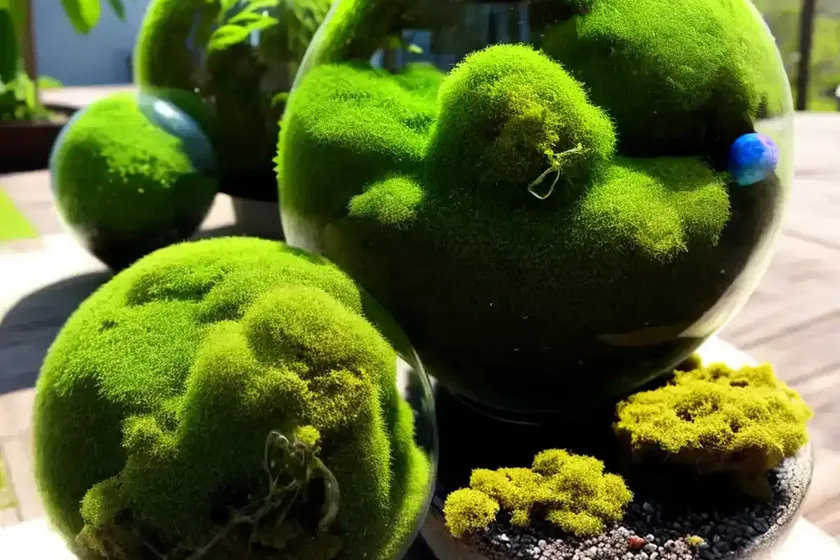
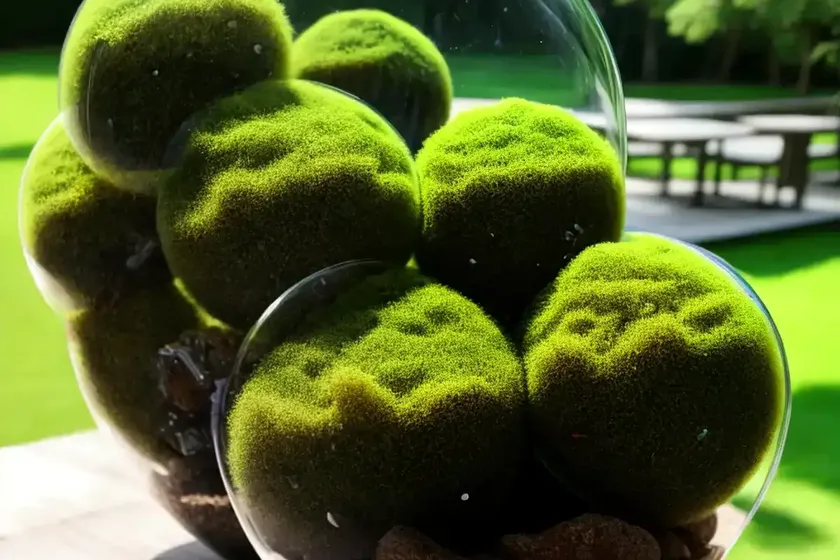
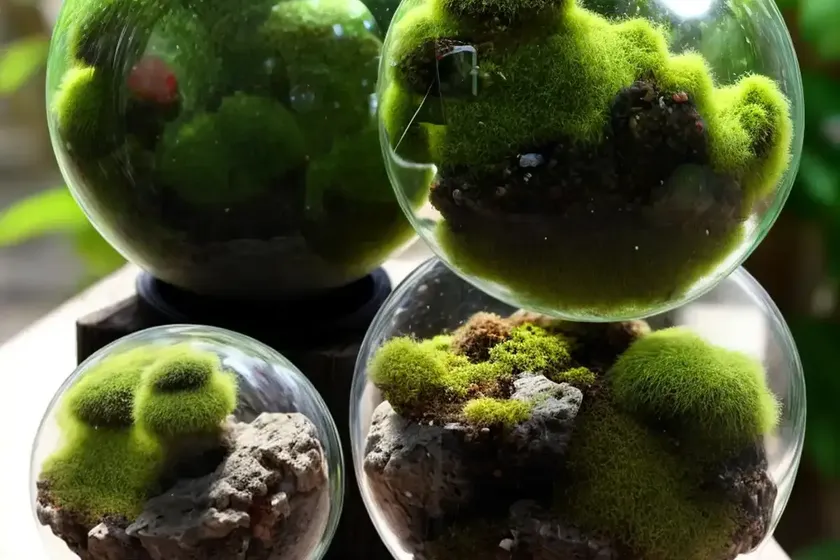
Plants are an essential part of our ecosystem. They not only beautify our surroundings but also play a crucial role in maintaining a healthy environment. One such intriguing plant is the Marimo moss ball, scientifically known as Aegagropila linnaei. In this comprehensive guide, we will explore the culture, uses, care, and interesting facts about the Marimo moss ball.
What is Marimo Moss Ball (Aegagropila linnaei)?
The Marimo moss ball is a unique species of algae that grows into a round, green ball due to its growth pattern. Aegagropila linnaei is a species of filamentous green algae found in a number of lakes in the northern hemisphere. One of the most fascinating aspects of this plant is its ball-like appearance, which rolls along the lake bed driven by the currents created by the waves, giving it the spherical shape. The beautiful and distinct appearance of the Marimo moss ball has made it a popular choice for aquariums and aquatic terrariums.
The Aegagropila linnaei is a slow-growing organism and can live for a very long time, with some Marimo moss balls having been recorded to be over 100 years old. This fascinating plant is native to Japan, Iceland, Scotland, and Estonia, and is known for its unique aesthetic appeal and low-maintenance requirements.
Key Takeaways – Marimo Moss Ball (Aegagropila linnaei)
Before delving deeper into the various aspects of Marimo moss ball care and maintenance, let’s take a quick look at the key takeaways for this unique plant.
- Scientific Name: Aegagropila linnaei
- Common Names: Marimo moss ball, Moss ball plant for aquarium
- Habitat: Lakes in the northern hemisphere
- Size: Usually grows to 8-12 inches in diameter
- Uses: Aquariums, Aquatic terrariums
- Care Level: Low
- Propagation: Division
- Maintenance: Minimal
Now, let’s explore the culture, uses, and care of the Marimo moss ball in more detail.
Culture
The Marimo moss ball is a highly adaptable and low-maintenance plant, making it an ideal choice for both beginner and experienced plant enthusiasts. Understanding its culture and habitat will help in creating the perfect environment for its growth.
Water
Marimo moss balls are primarily found in freshwater lakes, where they roll along the lake bed and are constantly exposed to moving water. When replicating their natural habitat in an aquarium, it is important to provide clean and well-oxygenated water. The use of a filtration system to maintain water quality and regular water changes are essential for the health of Marimo moss balls.
Sunlight
In their natural habitat, Marimo moss balls receive minimal direct sunlight as they are submerged in water. When kept in an aquarium, they should be placed in indirect light to mimic their natural lighting conditions. Direct sunlight can lead to the growth of algae on the surface of the Marimo moss ball, potentially harming its appearance and health.
Fertilizer
One of the advantages of the Marimo moss ball is its minimal need for fertilization. In fact, adding fertilizer to the water can harm the delicate balance of the ecosystem in which the plant thrives. Regular water changes and the presence of fish or other aquatic life in the aquarium typically provide sufficient nutrients for the Marimo moss ball.
Soil
Unlike traditional plants, Marimo moss balls do not require soil for growth. They absorb nutrients directly from the water, making them an excellent choice for aquatic setups without the need for substrate or soil.
Uses
The unique appearance and minimal care requirements of the Marimo moss ball make it a popular choice for various uses, primarily in aquariums and aquatic terrariums.
Aquariums
One of the most common uses of Marimo moss balls is in aquascaping aquariums. Their vibrant green color and spherical shape add a captivating visual element to the underwater landscape. Additionally, they help maintain water quality by absorbing nitrates and other debris, contributing to a healthy aquatic environment.
Aquatic Terrariums
In addition to aquariums, Marimo moss balls can also be utilized in aquatic terrariums or paludariums, which feature a combination of underwater and terrestrial environments. They provide a natural and visually appealing accent to these setups while contributing to the overall ecological balance.
Marimo Moss Ball Care
The care of Marimo moss balls is relatively straightforward, making them an ideal choice for both seasoned aquarists and beginners. Proper care is essential for maintaining the health and appearance of these unique algae balls.
Pruning
One of the key maintenance tasks for Marimo moss balls is occasional repositioning and gentle squeezing to remove any trapped air bubbles. This ensures their spherical shape remains intact and prevents any potential rotting due to trapped debris.
Propagation
Marimo moss balls have the unique ability to propagate by division. As they grow, small pieces may separate from the main ball, which can then be carefully repositioned or left to grow independently. Division can also be manually performed by gently tearing apart a larger Marimo moss ball into smaller sections, each of which will grow into a new ball over time.
Container
When selecting a container for Marimo moss balls, it is essential to choose one that provides ample space for their growth and allows for adequate water circulation. Clear glass containers are often preferred, as they showcase the vibrant green color of the algae and allow for easy observation of their growth and health.
Popularity
The popularity of Marimo moss balls has surged in recent years, owing to their aesthetic appeal and ease of care. Their unique appearance and fascinating growth patterns have captured the interest of both plant enthusiasts and aquarium hobbyists. Additionally, their ability to contribute to the ecological balance of aquariums and aquatic terrariums has further enhanced their popularity.
Common Diseases
While Marimo moss balls are generally robust and disease-resistant, they can occasionally be affected by certain ailments. Understanding these common diseases and their symptoms is crucial for maintaining the health of these unique algae balls.
Disease Diagnosis
Some common diseases that may affect Marimo moss balls include:
- Browning or Discoloration: This may indicate a decline in water quality, exposure to direct sunlight, or insufficient water circulation.
- Foul Odor: A foul or unpleasant odor emanating from the Marimo moss ball may be a sign of decaying matter within the ball.
Common Pests
Marimo moss balls are relatively resistant to pests, especially when maintained in a well-balanced aquatic environment. However, occasional infestations by small aquatic organisms or debris can occur. Regular observation and maintenance can help prevent and address these issues promptly.
Botanist’s Tips
To ensure the healthy growth and longevity of Marimo moss balls, here are some tips from botanists and aquarists:
- Provide Gentle Water Circulation: Ensure that the water in the container or aquarium has gentle circulation to prevent stagnation and provide sufficient oxygen to the Marimo moss balls.
- Regular Maintenance: Periodic cleaning and gentle squeezing of the Marimo moss balls to remove debris and air bubbles are essential for their health and appearance.
- Indirect Lighting: Place the container or aquarium with Marimo moss balls in an area with indirect light to prevent the growth of algae on the surface of the balls.
Fun Facts
Let’s take a moment to appreciate some intriguing and fun facts about the Marimo moss ball:
- In Japan, Marimo moss balls are considered a symbol of good luck, and they are often gifted as tokens of friendship and love.
- The growth rate of Marimo moss balls is incredibly slow, with larger balls taking several years to reach their full size.
- Marimo moss balls have the unique ability to float on water and will eventually sink to the bottom of the container as they accumulate air bubbles.
Links to External Resources
For further in-depth information and resources on Marimo moss ball care, maintenance, and propagation, the following links are recommended:
In conclusion, the Marimo moss ball, or Aegagropila linnaei, is a captivating and unique species of algae that adds a touch of natural elegance to aquatic environments. With their minimal maintenance requirements and fascinating growth patterns, Marimo moss balls have become a beloved addition to aquariums and aquatic terrariums worldwide. Whether admired for their aesthetic appeal or valued for their contribution to maintaining water quality, these spherical algae balls continue to fascinate and delight plant enthusiasts and aquarists alike.
By understanding the culture, uses, and care requirements of the Marimo moss ball, we can ensure the continued health and vibrancy of this remarkable plant in our aquatic spaces. Whether you are a beginner or an experienced aquarist, the Marimo moss ball offers an enriching and visually stunning addition to your aquatic ecosystem.
Remember, the sustainable care and appreciation of nature’s wonders, such as the Marimo moss ball, contribute to the overall well-being of our planet and its diverse ecosystems. Let’s continue to explore, learn, and cherish the natural world around us. Happy planting!
“`
(function () {
// The code in this function is from the Lighthouse Labs blog and is used to determine when a user has reached the bottom of the page. When the bottom of the page is reached, the reader is presented with a call-to-action.
var toggleButton = document.getElementById(“bottom-toggle-button”);
var bottomOfPage = false;
window.onscroll = function (e) {
// The ’80’ value represents a buffer of 80 pixels before the bottom of the page is reached, at which point the call-to-action will be presented to the user.
if ((window.innerHeight + window.scrollY) >= document.body.offsetHeight – 80) {
if (bottomOfPage == false) {
bottomOfPage = true;
toggleButton.style.display = “block”;
}
}
}
})();
“`
Would you like to add a call-to-action to encourage users to take a specific action after reading the blog post?
Call-to-Action
If you are feeling inspired to introduce the captivating Marimo moss ball into your aquarium or aquatic terrarium, consider reaching out to our team for personalized guidance and recommendations. Our experts are here to assist you in creating a thriving aquatic environment teeming with natural beauty.