Marginal Fern (Dryopteris Marginalis)
Plants have always fascinated humanity. Their ability to thrive in diverse environments and their stunning array of shapes and colors make them a vital.
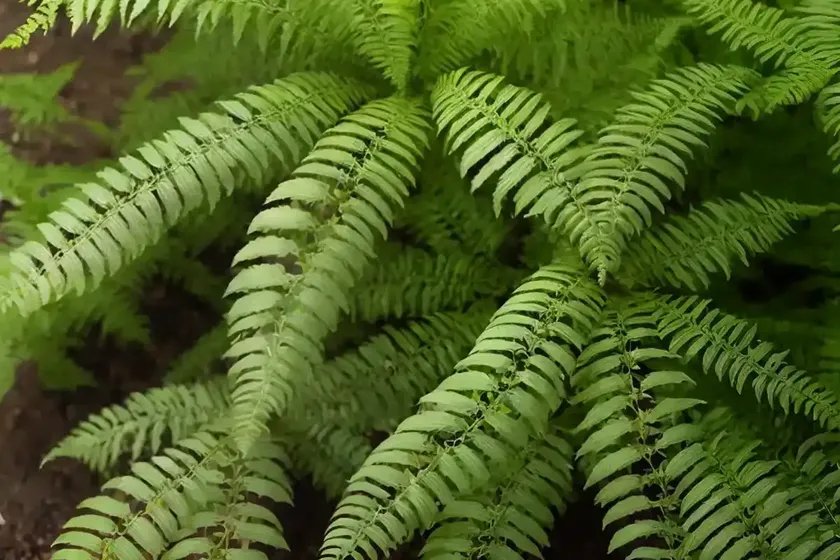
Plants have always fascinated humanity. Their ability to thrive in diverse environments and their stunning array of shapes and colors make them a vital part of our planet’s ecosystems. Among the many plant species that captivate us, ferns hold a special place. One such fascinating fern is the Marginal Fern, scientifically known as Dryopteris marginalis.
In this comprehensive guide, we will delve into the characteristics, cultivation, care, and potential uses of the Marginal Fern. Whether you’re an avid gardener, a nature enthusiast, or a botany student, this article will provide you with valuable insights into this exquisite plant.
What is Plant: Marginal Fern (Dryopteris marginalis)
The Marginal Fern, Dryopteris marginalis, belongs to the genus Dryopteris, which comprises over 200 species of deciduous and evergreen ferns. The genus name “Dryopteris” is derived from the Greek words “drys,” meaning oak, and “pteris,” meaning fern. This is a nod to the habitat of many Dryopteris species, which is often in wooded areas, including oak forests.
Key Takeaways – Marginal Fern (Dryopteris marginalis)
Before we delve into the specifics of growing and caring for Marginal Fern, let’s first take a look at the key characteristics and takeaways associated with this captivating plant.
-
Characteristics of Marginal Fern (Dryopteris marginalis):
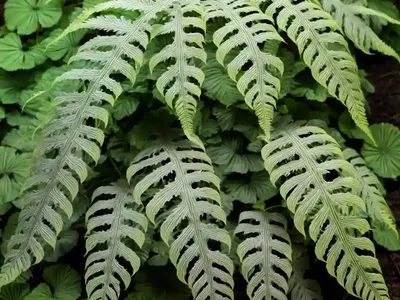
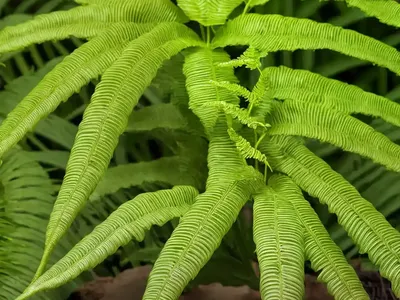
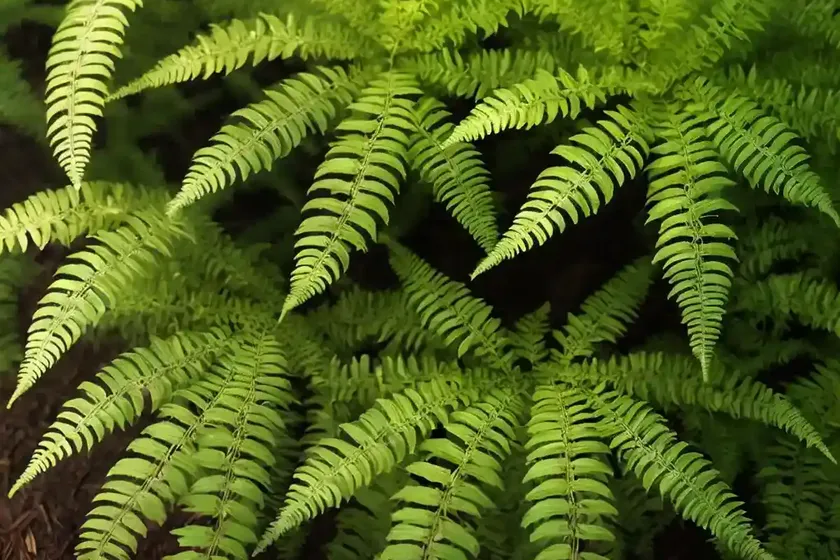
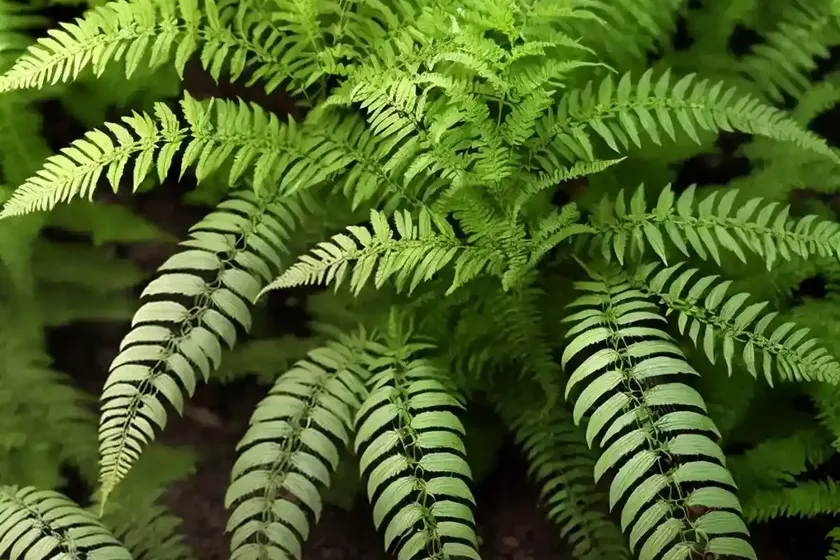
- Foliage: Marginal Fern features elegant, lacy fronds with a distinctly coarse texture. The fronds are typically a vibrant green color, adding a touch of lushness to any setting.
- Habitat: In its natural habitat, Dryopteris marginalis is commonly found in the understory of moist, shaded woodlands, along streams, and on rocky slopes. This preference for shaded environments makes it an ideal plant for gardens with limited sunlight.
- Size: The mature size of the Marginal Fern can vary, with fronds typically reaching a height of 12 to 24 inches.
- Foliage Texture: The fronds are characterized by a leathery texture and a marginal sori arrangement, which gives the plant its common name.
- Winter Interest: Dryopteris marginalis exhibits good tolerance to winter conditions, retaining its foliage and adding interest to the winter garden.
-
Cultivation Uses:
- Landscaping: Due to its attractive foliage and shade tolerance, Marginal Fern is often used in landscaping to add visual interest to shaded areas.
- Groundcover: The dense growth and spreading habit of Dryopteris marginalis make it suitable for use as a groundcover plant in woodland gardens.
- Erosion Control: Its robust growth and ability to thrive in shaded, moist environments make Marginal Fern an effective plant for controlling erosion in gardens and natural landscapes.
-
Ideal Growing Conditions:
- Shade Tolerance: Marginal Fern thrives in shaded to partially shaded areas, making it an excellent choice for gardens with limited direct sunlight.
- Soil Preference: This fern prefers moist, well-draining soil with a slightly acidic to neutral pH.
- Watering Needs: Keeping the soil consistently moist is crucial for the optimal growth of Dryopteris marginalis, especially during its establishment period.
Now that we have gained an overview of the attributes and potential uses of the Marginal Fern, let’s explore the specific care guidelines and cultivation techniques that will enable you to nurture this remarkable plant successfully.
Care Guide for Marginal Fern (Dryopteris marginalis)
The successful cultivation of Marginal Fern requires an understanding of its specific care requirements, including aspects such as water, sunlight, soil, fertilizer, and pruning. By providing the ideal growing conditions, you can ensure the health and vitality of this plant, allowing it to thrive and grace your garden with its enchanting presence.
Water
Maintaining the proper moisture levels for Marginal Fern is vital for its overall health and vigor. Consider the following recommendations for watering this fern effectively:
-
Consistent Moisture: Marginal Fern thrives in consistently moist soil. Ensure that the soil is kept evenly moist, especially during dry periods. However, it’s essential to avoid waterlogging, as excessive moisture retention can lead to root rot and other issues.
-
Mulching: Applying a layer of organic mulch around the base of the plant can help retain soil moisture and regulate the temperature of the root zone. Mulching also aids in weed suppression and contributes to the overall health of the plant.
-
Watering Frequency: While the frequency of watering may vary depending on local climate and soil conditions, a general guideline is to water the plant deeply whenever the top inch of the soil feels dry to the touch.
Sunlight
Understanding the sunlight requirements of Marginal Fern is crucial to its successful cultivation, particularly in terms of the following considerations:
-
Shade Preference: Marginal Fern thrives in shaded to partially shaded locations, making it an excellent choice for gardens with limited direct sunlight. When selecting a planting site, prioritize areas that receive dappled or filtered sunlight, with protection from harsh midday sun.
-
Optimal Light Conditions: In the absence of direct sunlight, the filtered or dappled light in shaded areas is ideal for promoting healthy growth and vibrant foliage in Dryopteris marginalis.
Fertilizer
Applying the right type and amount of fertilizer can significantly impact the growth and vitality of Marginal Fern. Here are some recommendations for fertilizing this plant effectively:
-
Organic Matter: Prioritize the use of organic fertilizers to promote the gradual release of essential nutrients and encourage the development of a rich, humus-filled soil.
-
Application Frequency: A balanced, slow-release fertilizer can be applied in spring, just as new growth begins to emerge. Avoid excess fertilizer application, as overfertilization can lead to an imbalance of nutrients and potential damage to the plant.
-
Fertilizer Selection: Choose a fertilizer with a balanced NPK ratio, such as 10-10-10 or 20-20-20, to provide Marginal Fern with the necessary nutrients for healthy growth and development.
Soil
Creating the optimal soil environment is essential for the successful cultivation of Marginal Fern. Consider the following soil-related practices to ensure the well-being of this plant:
-
Moisture Retention: Marginal Fern thrives in moist, well-draining soil. Ensure that the planting area has adequate drainage to prevent waterlogging, which can compromise the plant’s health.
-
Soil Amendments: Incorporating organic matter such as compost or well-rotted manure into the soil can improve its structure, moisture retention, and nutrient content, creating an ideal environment for the growth of Dryopteris marginalis.
-
pH Levels: Marginal Fern prefers soil with a slightly acidic to neutral pH, ideally in the range of 5.5 to 7.0. Conduct a soil pH test to determine the acidity or alkalinity of the soil and make any necessary amendments to adjust the pH levels accordingly.
Pruning
Proper pruning practices can help maintain the health and aesthetic appeal of Marginal Fern. Here are some guidelines for pruning this plant effectively:
-
Removal of Dead Fronds: Periodically inspect the plant for dead or damaged fronds and remove them to promote new growth and maintain an attractive appearance.
-
Pruning Techniques: Use clean, sharp pruning shears to carefully remove any unwanted or unsightly fronds. Cut the fronds at their base, taking care not to damage the emerging fiddleheads or surrounding foliage.
-
Timing: Pruning is best carried out in late winter or early spring, before the onset of new growth. This allows the plant to allocate its resources towards producing fresh fronds for the upcoming growing season.
Now that we have covered the essential care guidelines for Marginal Fern, let’s explore the propagation, container cultivation, common diseases, and pests associated with this plant, along with botanical tips and fascinating facts that will enhance your understanding and appreciation of Dryopteris marginalis.
Propagation of Marginal Fern (Dryopteris marginalis)
Propagating Marginal Fern allows you to expand your collection of these enchanting plants while ensuring their preservation. Here are some propagation methods you can consider when seeking to propagate Dryopteris marginalis:
-
Division: One of the most common and effective methods of propagating Marginal Fern is through division. This can be carried out during the plant’s dormant season in early spring, typically using a sharp, sterile knife to carefully divide the root mass into smaller sections. Ensure that each division has a good balance of roots and foliage. Plant the divisions in well-prepared soil and keep them consistently moist until they establish themselves.
-
Spore Propagation: While less commonly practiced, propagating Marginal Fern from spores can be an intriguing and rewarding process. Collect mature fronds with ripe spores and allow them to dry in a well-ventilated area. Once the spores are ready, scatter them lightly onto a suitable propagation medium, such as a mix of peat and sand, and maintain the appropriate temperature and humidity levels for spore germination. This method demands patience and precise environmental conditions but can yield successful results.
By utilizing these propagation techniques, you can propagate Marginal Fern to enrich your garden or share the joy of cultivating this beautiful plant with fellow gardening enthusiasts.
Container Cultivation of Marginal Fern (Dryopteris marginalis)
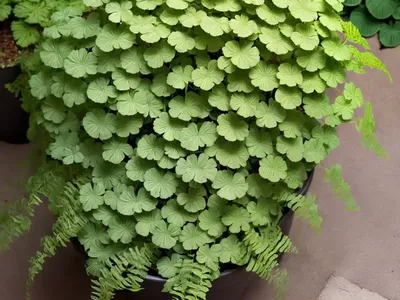
Growing Marginal Fern in containers enables you to enjoy its captivating presence in various settings, whether indoors or on outdoor patios and balconies. Here are some insights into successfully cultivating Dryopteris marginalis in containers:
-
Container Selection: Choose a container that provides adequate space for the root system of Marginal Fern to grow and expand. Ensure that the container has drainage holes to prevent water accumulation, as excess moisture can be detrimental to the plant’s health.
-
Potting Mix: Use a well-draining, high-quality potting mix with a balanced blend of organic matter and perlite or coarse sand. This will promote healthy root development and prevent the risk of waterlogged soil, which can impede the growth of the plant.
-
Watering Regimen: Container-grown Marginal Fern may require more frequent watering than those planted in the ground, as the soil in containers tends to dry out more rapidly. Monitor the moisture levels of the potting mix and water the plant thoroughly whenever the top inch of the soil feels dry.
-
Sunlight Considerations: Position the container in a location that receives filtered or dappled sunlight, especially if it’s placed outdoors. Protect the plant from intense midday sun, as excessive heat and sunlight exposure can lead to leaf scorch and stress.
By following these guidelines, you can successfully cultivate Marginal Fern in containers, adding a touch of elegance and natural beauty to your indoor and outdoor living spaces.
Popularity of Marginal Fern (Dryopteris marginalis)
The appeal of Marginal Fern extends beyond its inherent beauty and graceful presence. Let’s explore why this plant has garnered popularity among gardeners, landscape enthusiasts, and nature lovers:
-
Shade Tolerance: The shade tolerance of Marginal Fern makes it a sought-after plant for gardens with limited sunlight, as well as for shaded landscapes, woodland gardens, and areas with established tree canopies.
-
Visual Appeal: The intricate, lacy fronds of Dryopteris marginalis add a touch of elegance and texture to garden beds, borders, and containers. Its vibrant green foliage and coarse texture create a striking contrast against other plants, enhancing the visual appeal of diverse garden settings.
-
Adaptability: Marginal Fern’s adaptability to various soil types and its ability to thrive under the dappled light of trees make it an attractive option for gardeners seeking low-maintenance, visually appealing plants for shaded areas.
-
Year-Round Interest: The evergreen nature of Marginal Fern, coupled with its excellent tolerance to winter conditions, ensures that the plant maintains its visual appeal and contributes to the garden’s aesthetic appeal throughout the year.
-
Landscaping Versatility: For landscape designers and gardeners alike, Marginal Fern offers versatility in its usage, whether as an understory plant, groundcover, or accent feature in shaded borders and woodland settings.
In light of these attributes, it’s clear to see why Marginal Fern has gained popularity as a favored choice for enhancing shaded gardens, woodland landscapes, and a variety of outdoor settings.
Common Diseases of Marginal Fern (Dryopteris marginalis)
While Marginal Fern is generally resilient, it may be susceptible to certain diseases and health issues under unfavorable conditions. Understanding these common diseases and their symptoms is crucial for maintaining the plant’s health and addressing any potential issues promptly.
Disease Diagnosis
Here are some common diseases that Marginal Fern may encounter:
-
Root Rot: Excessive moisture or waterlogged soil can lead to the development of root rot in Marginal Fern. Symptoms include wilting, yellowing fronds, and a foul odor emanating from the root zone. To prevent root rot, ensure proper soil drainage and avoid overwatering the plant.
-
Leaf Spot: Leaf spot diseases caused by fungal pathogens can manifest as small, dark spots on the fronds of Marginal Fern. These spots may spread and coalesce, leading to the yellowing and premature loss of fronds. Maintaining good air circulation and avoiding overhead watering can help prevent leaf spot diseases.
-
Rust: Rust diseases can affect the fronds of Marginal Fern, resulting in the development of orange to reddish-brown pustules on the undersides of the leaves. Rust diseases are often favored by humid conditions, so promoting good air circulation and maintaining proper spacing between plants can reduce the risk of infection.
-
Fungal Diseases: Various fungal pathogens, such as Phytophthora and Rhizoctonia, can cause crown and root rot in Marginal Fern, leading to stunted growth, wilting, and overall decline. Addressing soil drainage issues and providing proper ventilation can mitigate the risk of fungal diseases.
It’s essential to monitor the health of your Marginal Fern regularly, inspecting the foliage and soil for any signs of diseases or stress. Implementing proper cultural practices, such as maintaining appropriate moisture levels and promoting good air circulation, can go a long way in preventing common diseases and supporting the overall well-being of the plant.
Common Pests Affecting Marginal Fern (Dryopteris marginalis)
Like many plants, Marginal Fern may also face challenges from pests that can impact its health and appearance. By identifying common pests and understanding their behaviors, you can take proactive measures to protect this plant from potential infestations.
Botanist’s Tips
Employing botanical expertise and practical insights can elevate your efforts in successfully cultivating and caring for Marginal Fern. Here are some botanist’s tips that can enhance your experience with this exquisite plant:
-
Natural Mulching: Consider using organic materials, such as shredded leaves, well-rotted wood chips, or pine needles, as natural mulch around the base of Marginal Fern. This not only assists in retaining soil moisture and regulating temperature but also contributes to the organic matter content of the soil as the mulch decomposes.
-
Companion Planting: Pairing Marginal Fern with suitable companion plants that share its shade and moisture preferences can create visually appealing and ecologically sustainable garden environments. Consider integrating shade-loving perennials, such as hostas, astilbes, and hellebores, to create a harmonious and diverse shade garden.
-
Seasonal Maintenance: In fall, consider tidying up the garden bed by removing any spent fronds and applying a light layer of mulch around the base of the plant. This helps prepare Marginal Fern for the cooler months and supports its health during the winter season.
-
Soil pH Adjustment: If the soil in your garden tends to be alkaline, consider amending it with organic matter and suitable soil acidifiers, such as elemental sulfur or acidic compost, to adjust the pH levels and create a more favorable growing environment for Dryopteris marginalis.
By incorporating these botanist’s tips into your cultivation practices, you can optimize the growing conditions for Marginal Fern, fostering its well-being and contributing to the overall health and beauty of your garden.
Fun Facts
Delve into the intriguing world of Marginal Fern with these fascinating fun facts about the plant:
-
Wildlife Habitat: The dense growth and robust foliage of Marginal Fern create favorable habitats for small wildlife, including insects, amphibians, and various invertebrates, making it a valuable component of ecological biodiversity in natural settings.
-
Historical Significance: Throughout history, various species of Dryopteris, including Dryopteris marginalis, have been utilized in traditional medicine and folklore for their perceived medicinal properties and symbolic significance.
-
Fern Reproduction: Unlike flowering plants, ferns reproduce by spores rather than seeds. Their unique method of reproduction and life cycle adds an intriguing aspect to the study and appreciation of these ancient plants.
Links to External Resources
To further expand your knowledge of Marginal Fern and delve deeper into the world of fern cultivation and botany, explore the following external resources:
- The American Fern Society
- Royal Horticultural Society – Ferns
- Missouri Botanical Garden – Dryopteris marginalis
With the information, tips, and insights provided in this comprehensive guide, you are equipped with the knowledge and practical know-how to grow and care for Marginal Fern (Dryopteris marginalis) with confidence and success. Whether you’re creating a shaded haven in your garden, exploring the world of ferns, or seeking to enrich your botanical expertise, the allure of Marginal Fern is certain to captivate and inspire you. Happy gardening!
Keywords: Dryopteris marginalis care, Marginal fern characteristics, Growing Dryopteris marginalis, Marginal fern plant profile, Tips for caring for Dryopteris marginalis, Marginal fern propagation, Dryopteris marginalis cultivation, Marginal fern plant guide, Best conditions for Dryopteris marginalis, Marginal fern varieties, Dryopteris marginalis habitat, Marginal fern planting tips, Dryopteris marginalis maintenance, Marginal fern soil requirements, How to plant Dryopteris marginalis, Marginal fern watering needs, Dryopteris marginalis pests and diseases, Marginal fern in the garden, Dryopteris marginalis pruning guide, Marginal fern companion planting, Benefits of growing Dryopteris marginalis, Marginal fern in landscaping, Dryopteris marginalis in containers, Marginal fern winter care, Dryopteris marginalis for shade gardens, Marginal fern as a groundcover plant, Dryopteris marginalis foliage, Marginal fern as an indoor plant, Dryopteris marginalis leaf shape, Marginal fern for rock gardens, Dryopteris marginalis as a focal point, Marginal fern in a woodland garden, Dryopteris marginalis leaf texture, Marginal fern for borders and edging, Dryopteris marginalis as a houseplant, Marginal fern as a filler plant, Dryopteris marginalis in hanging