Mammillaria Prolifera (Texas Nipple Cactus)
Mammillaria prolifera, commonly known as the Texas Nipple Cactus, is a unique and fascinating plant species that belongs to the Cactaceae family. Renowned.
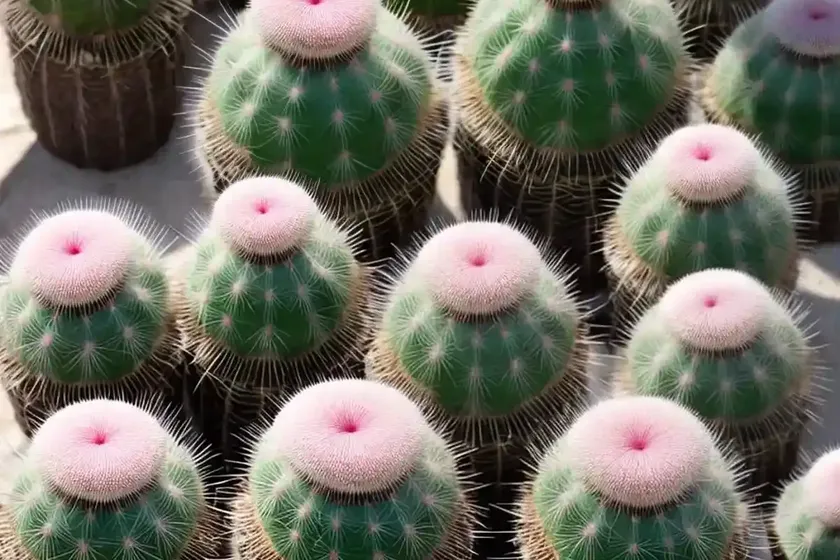
Mammillaria prolifera, commonly known as the Texas Nipple Cactus, is a unique and fascinating plant species that belongs to the Cactaceae family. Renowned for its exceptional resilience and minimal care requirements, Mammillaria prolifera has garnered significant attention among plant enthusiasts and is a popular choice for both indoor and outdoor cultivation. This comprehensive care guide aims to provide valuable insights into the various aspects of nurturing and maintaining Mammillaria prolifera, including its cultural requirements, uses, propagation methods, common diseases and pests, and interesting botanical tips.
What is Mammillaria prolifera (Texas Nipple Cactus)?
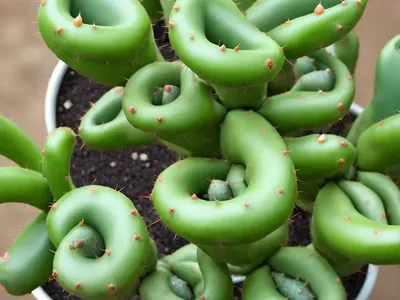
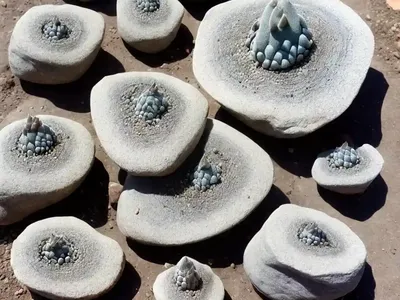
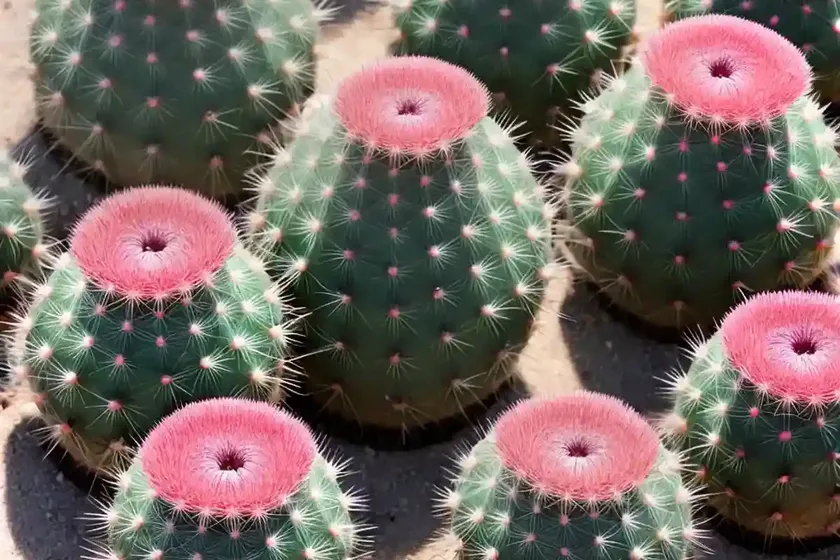
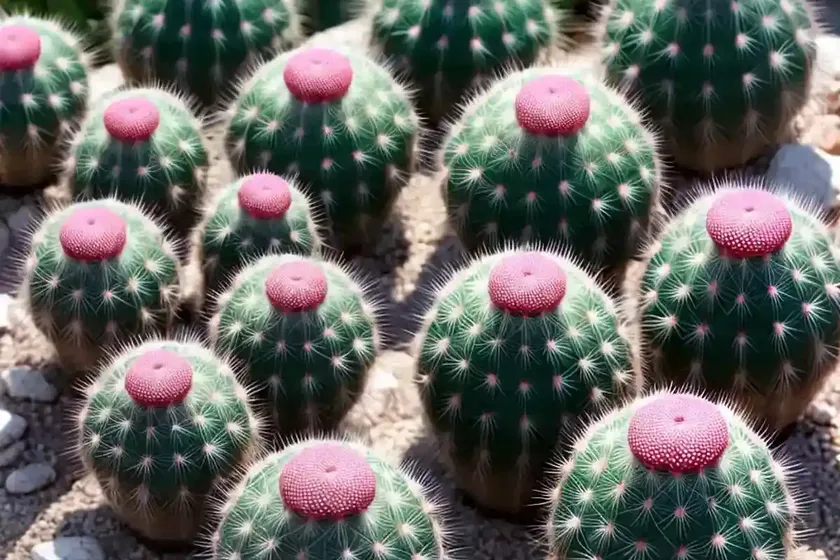
Mammillaria prolifera is a distinctive species of cactus characterized by its cylindrical, elongated stems and distinctive nipple-like tubercles from which fine, hair-like spines emerge. This cactus is native to the arid regions of Texas in the United States and certain parts of northeastern Mexico. It typically thrives in dry, rocky landscapes with well-draining soil, making it well-adapted to arid and semi-arid environments.
Key Takeaways – Mammillaria prolifera (Texas Nipple Cactus)
Before delving deeper into the specific care instructions for Mammillaria prolifera, let’s explore some key takeaways that encompass its most essential characteristics and care requirements.
- Mammillaria prolifera (Texas Nipple Cactus) Characteristics
- Native Habitat: Arid regions of Texas and northeastern Mexico
- Plant Family: Cactaceae
- Growth Habit: Cylindrical, elongated stems with prominent nipple-like tubercles
- Resilience: Well-adapted to arid and semi-arid environments
- Distinctive Features: Hair-like spines emerging from tubercles
Through the following sections, we will delve into the intricacies of caring for Mammillaria prolifera, encompassing its cultural requirements, propagation methods, disease management, and much more.
Cultural Requirements
Properly understanding and meeting the cultural needs of Mammillaria prolifera is essential for its successful cultivation. From irrigation practices to sunlight exposure, each aspect plays a pivotal role in promoting the health and vitality of this unique cactus species.
Water
- Mammillaria prolifera displays a typical cactus-like water requirement, thriving in well-draining soil and requiring infrequent, yet thorough, watering sessions.
- It is crucial to allow the soil to dry out completely before watering again to prevent issues such as root rot and fungal diseases.
- The frequency of watering should be adjusted based on the environmental conditions and the plant’s growth phase. During the active growing season, typically in spring and summer, Mammillaria prolifera may require more regular watering compared to its dormant phase in autumn and winter.
Sunlight
- Exposure to abundant sunlight is one of the paramount factors contributing to the healthy growth and flowering of Mammillaria prolifera.
- Position the plant in a location where it receives ample sunlight, preferably in direct sunlight for a significant portion of the day.
- While it thrives in bright light, it is essential to acclimate the plant gradually to avoid sunburn, especially when transitioning it from indoor to outdoor environments.
Fertilizer
- Mammillaria prolifera benefits from occasional fertilization, particularly during its active growing phase.
- Utilize a balanced, water-soluble fertilizer specially formulated for cacti and succulents, applying it at half or quarter strength to prevent over-fertilization.
- Fertilize the plant sparingly throughout the growing season, typically from spring to late summer, and refrain from fertilization during the dormant phase.
Soil
- The ideal growing medium for Mammillaria prolifera should have excellent drainage properties, facilitating the expulsion of excess moisture.
- A well-formulated cactus or succulent potting mix, supplemented with perlite or coarse sand, is well-suited for cultivating Mammillaria prolifera.
- Ensuring proper aeration and drainage within the soil is crucial in mimicking the plant’s natural habitat and preventing waterlogging, which could lead to root-related issues.
Pruning
Pruning requirements for Mammillaria prolifera are generally minimal, primarily focusing on the removal of dead or damaged plant parts. Additionally, grooming the cactus to maintain its desired shape, particularly after the flowering period, can be conducted with simple, sanitized pruning tools. However, exercise caution and handle the plant with care due to its spiny nature.
Propagation
Mammillaria prolifera can be propagated through various methods, including offsets, seeds, and stem cuttings. Each propagation technique offers unique advantages and challenges, allowing plant enthusiasts to choose a method that aligns with their preferences and expertise. Depending on the method chosen, precise attention to environmental conditions and nurturing practices is paramount for successful propagation.
Offset Propagation
- Offset propagation, also known as division, involves the separation of small offsets, or “pups,” from the parent plant.
- Gently remove the offsets from the main plant, ensuring that each has ample roots attached, and subsequently plant them in a suitable growing medium.
- Maintain appropriate moisture levels and provide adequate sunlight to facilitate successful establishment and growth.
Seed Propagation
- Propagating Mammillaria prolifera from seeds offers an enriching experience, although it requires patience and meticulous attention to the germination process.
- Sow the seeds in a well-draining cactus potting mix and maintain consistent moisture levels while avoiding waterlogging.
- Provide warm temperatures and ample sunlight to support the germination and subsequent growth of the seedlings.
Stem Cutting Propagation
- Propagating Mammillaria prolifera from stem cuttings necessitates careful extraction of a healthy stem segment, allowing it to callus before planting it in a suitable growing medium.
- The callused cutting should be positioned in a warm, well-lit area to encourage root development, following which it can be treated similarly to an established plant.
Container Popularity
The notable adaptability of Mammillaria prolifera to container cultivation makes it a popular choice for indoor and outdoor décor and landscaping. The compact nature of this cactus, coupled with its engaging spination and occasional flowering, renders it an attractive addition to various container arrangements, terrariums, and succulent gardens.
Container Common Diseases
While Mammillaria prolifera is generally resilient against most common diseases, some issues may arise, particularly under unfavorable growing conditions. Understanding and promptly addressing potential disease symptoms enables effective management and mitigation of these concerns.
Disease Diagnosis
- Root Rot: Excessive moisture and poor soil drainage can predispose Mammillaria prolifera to root rot, leading to wilting, yellowing, and softening of the plant’s lower regions.
- Fungal Infections: Prolonged dampness in the growing medium or on the plant’s surface can create a conducive environment for fungal pathogens, manifesting as discolored or decaying plant tissues.
Common Pests
Mammillaria prolifera may also encounter infestations by common pests, necessitating diligent pest monitoring and appropriate control measures to safeguard the plant’s health.
- Mealybugs: These small, cottony pests can cluster on the plant’s stems and in crevices, sapping its vitality and causing unsightly damage.
- Scale Insects: Scale insects may attach themselves to the cactus, appearing as small, waxy bumps and potentially leading to weakened growth and yellowing of the plant.
Botanist’s Tips
Enriching the cultivation experience of Mammillaria prolifera, botanists and plant enthusiasts have shared invaluable tips and insights garnered from their experiences in nurturing this captivating cactus species.
- Environmental Mimicry: Understanding the natural habitat of Mammillaria prolifera and replicating its arid, well-drained conditions enhances the plant’s health and vitality.
- Seasonal Adjustment: Adapting watering, fertilization, and sunlight practices based on the plant’s seasonal cycles aids in promoting optimal growth and flowering.
- Pest Vigilance: Regular pest inspections and swift intervention upon detecting any infestations are crucial in preserving the plant’s vigor and aesthetic appeal.
Fun Facts
As a plant imbued with fascinating characteristics and historical significance, Mammillaria prolifera boasts a plethora of intriguing and captivating details that add to its allure and desirability as a favored botanical specimen.
- The genus name “Mammillaria” is derived from the Latin word “mamilla,” meaning “nipple,” aptly representing the distinctive tubercles adorning its stems.
- Mammillaria prolifera is known for producing beautiful, dainty flowers in shades of white, pink, or yellow, adding vibrant accents to its spiny exterior.
Links to External Resources
To further enrich your understanding of Mammillaria prolifera and delve deeper into its care and cultivation, the following external resources provide valuable insights and comprehensive information:
- Texas Nipple Cactus – The Cactus and Succulent Society of America
- Growing Cacti and Succulents Indoors – University of Florida Extension
- Cactus and Succulent Care Guide – Royal Horticultural Society
No matter your level of expertise in plant care and cultivation, Mammillaria prolifera (Texas Nipple Cactus) stands as an enchanting and resilient species that promises to captivate and engage plant enthusiasts with its unique characteristics and minimal maintenance requirements. By embracing the insights and guidance shared in this comprehensive care guide, you can embark on an enriching journey of nurturing and celebrating the natural splendor of Mammillaria prolifera.
Incorporating this valuable plant specimen into your indoor or outdoor botanical displays not only lends a touch of natural elegance but also offers an opportunity to appreciate the remarkable adaptations and beauty of arid-adapted flora.
With the careful application of the provided care tips and a genuine enthusiasm for cultivating Mammillaria prolifera, plant enthusiasts can relish in the rewards of fostering a captivating and enduring botanical gem within their personal spaces.
Happy cultivating!