Mammillaria Parkinsonii (Owl’s Eye Pincushion)
Mammillaria parkinsonii, commonly known as Owl’s Eye Pincushion, is a fascinating and visually appealing cactus species. The unique appearance of its white.
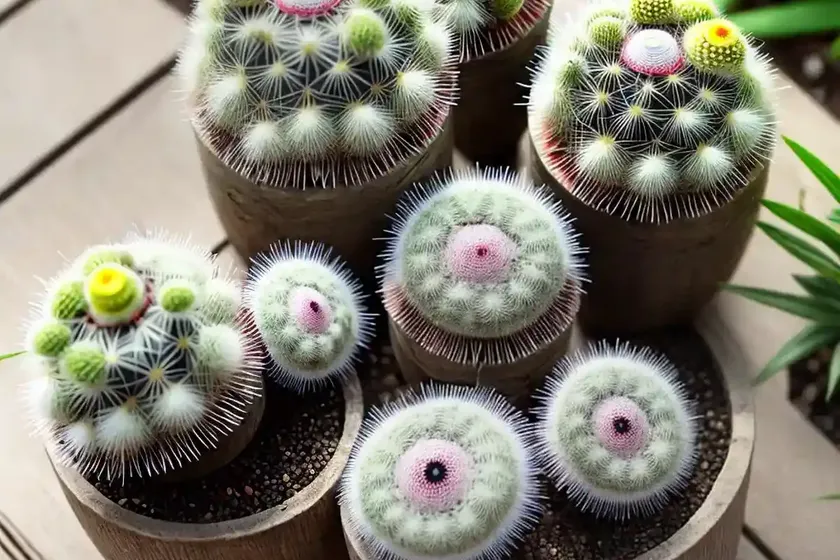
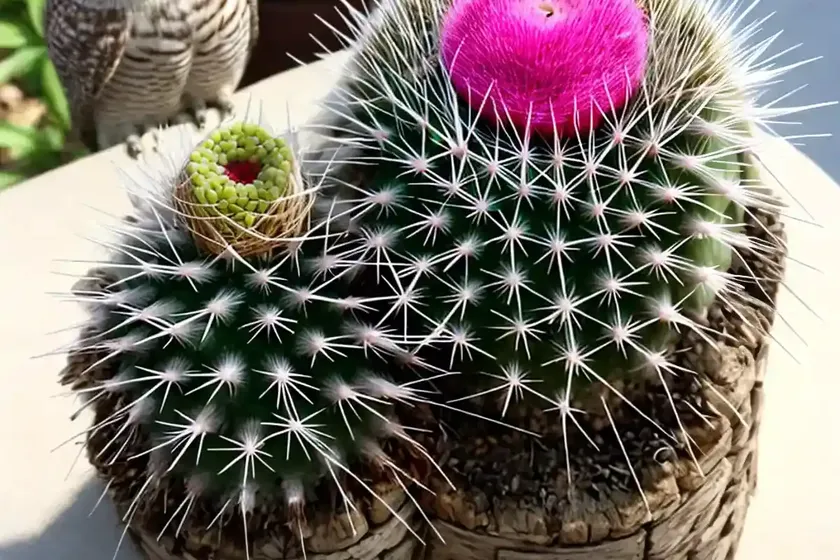
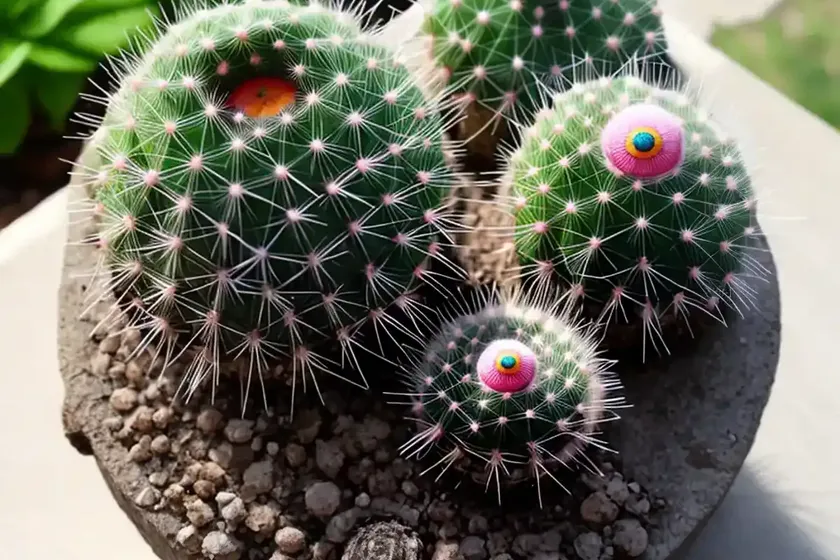
Mammillaria parkinsonii, commonly known as Owl’s Eye Pincushion, is a fascinating and visually appealing cactus species. The unique appearance of its white radial spines against dark red-brown central spines makes it a coveted addition to any plant collection. In this comprehensive care guide, we will delve into the culture, uses, water, sunlight, fertilizer, soil, pruning, propagation, container preferences, common diseases, pest management, and special tips to help you successfully cultivate and maintain Mammillaria parkinsonii. Whether you are a seasoned plant enthusiast or a beginner intrigued by the allure of cacti, this guide will provide valuable insights for the care of this distinctive species.
What is Mammillaria parkinsonii (Owl’s Eye Pincushion)?
Mammillaria parkinsonii, a member of the Cactaceae family, is native to Mexico and is typically found growing in rocky areas and desert landscapes. This cactus species is characterized by its globular or cylindrical stems and striking spination, which sets it apart as an attractive ornamental plant. Its charming appearance and relatively small size make it suitable for indoor and outdoor cultivation in a variety of climatic conditions.
Key Takeaways – Mammillaria parkinsonii (Owl’s Eye Pincushion)
Before delving into the specific care requirements for Mammillaria parkinsonii, let’s summarize the key takeaways:
- Plant Name: Mammillaria parkinsonii (Owl’s Eye Pincushion)
- Common Names: Owl’s Eye Pincushion
- Family: Cactaceae
- Native Habitat: Mexico
- Growth Form: Globular or cylindrical stems
- Distinctive Features: White radial spines and dark red-brown central spines
- Suitable for: Indoor and outdoor cultivation
- Special Note: Handle with care due to the presence of spines.
Now that we have a brief overview of Mammillaria parkinsonii, let’s explore the specific care guidelines for nurturing this remarkable cactus species.
Culture
Cultivating Mammillaria parkinsonii requires an understanding of its natural habitat and specific requirements for optimal growth. This section will cover essential cultural practices such as suitable uses, water, sunlight, fertilizer, and soil preferences for this distinctive cactus.
Uses
Mammillaria parkinsonii is primarily cultivated for its ornamental value. Its unique spination and compact growth habit make it an excellent addition to rock gardens, succulent and cactus collections, and desert-themed landscapes. Additionally, due to its relatively small size, the Owl’s Eye Pincushion is well-suited for container cultivation, making it an appealing choice for indoor and patio displays.
Water
When it comes to watering Mammillaria parkinsonii, it is crucial to strike a balance between providing adequate moisture and preventing waterlogged conditions, which can lead to root rot. The following watering guidelines will help maintain the health and vigor of this cactus species:
- Watering Frequency: During the growing season, typically from spring to early fall, water Mammillaria parkinsonii when the top inch of the soil is dry.
- Watering Technique: Apply water directly to the soil, avoiding wetting the plant body and spines to minimize the risk of rot and fungal diseases.
- Winter Watering: Reduce watering in winter to mimic the plant’s natural dormancy period. Water sparingly during this time, allowing the soil to dry out more thoroughly between waterings.
Proper watering is essential for the health of Mammillaria parkinsonii, and closely monitoring the soil moisture levels is crucial to prevent overwatering.
Sunlight
Mammillaria parkinsonii thrives in bright, indirect light or partial sunlight. When cultivating this cactus indoors, provide it with bright natural light, such as a sunny windowsill or a location with ample indirect sunlight. When grown outdoors, ensure that the plant receives partial sunlight to prevent sunburn or scorching of the delicate spines.
Fertilizer
Soil
Choosing the right soil mix is crucial for the successful cultivation of Mammillaria parkinsonii. A well-draining soil mix that replicates the arid, rocky conditions of its natural habitat is essential. You can create a suitable soil mix by combining components such as:
- Cactus or Succulent Potting Mix: A commercially available cactus or succulent mix provides excellent drainage and aeration for the cactus roots.
- Perlite or Pumice: Adding perlite or pumice to the soil mix enhances drainage and prevents waterlogging, promoting healthy root development.
- Coarse Sand: Incorporating coarse sand aids in improving soil structure and enhances drainage while providing stability to the root system.
A well-draining soil mix prevents excess moisture around the roots, reducing the risk of rot and fungal diseases that can threaten the health of Mammillaria parkinsonii.
Pruning
While Mammillaria parkinsonii typically requires minimal pruning, occasional maintenance may be necessary to remove damaged or dried-out parts of the plant. When conducting pruning activities, ensure that you use sterilized equipment to prevent the spread of diseases.
Propagation
Mammillaria parkinsonii can be propagated through various methods, including offsets, seeds, and stem cuttings. Each propagation method offers its own advantages and considerations, and selecting the most suitable approach depends on the grower’s preferences and the resources available.
Propagation from Offsets
Propagating Mammillaria parkinsonii from offsets, also known as pups or suckers, is a common and relatively straightforward method of generating new plants. When the mother plant produces offsets, you can carefully separate them from the main stem and transplant them into individual containers. To ensure successful establishment, provide the offsets with appropriate growing conditions and monitor their progress closely.
Container
When selecting a container for Mammillaria parkinsonii, it is essential to prioritize factors such as size, drainage, and visual appeal. Here are some considerations for choosing a suitable container:
Popularity
The appeal of Mammillaria parkinsonii lies in its striking appearance and relatively low maintenance requirements, making it popular among both seasoned plant enthusiasts and beginners. Its distinctive spination and compact growth habit contribute to its popularity as a captivating addition to various indoor and outdoor settings.
Common Diseases
Like all plants, Mammillaria parkinsonii is susceptible to certain diseases and issues that can compromise its health and vitality. Understanding common diseases and their symptoms is essential for timely diagnosis and effective management. Some of the common diseases that may affect Mammillaria parkinsonii include:
- Root Rot: Prolonged exposure to excessively wet conditions can lead to root rot in Mammillaria parkinsonii. Symptoms include wilting, yellowing or browning of the lower stem, and a foul odor emanating from the soil.
- Fungal Infections: Fungal pathogens can cause discoloration, spotting, or unusual growth on the plant’s stems or spines. Adequate air circulation and proper watering practices help mitigate the risk of fungal infections.
Disease Diagnosis
Recognizing the signs and symptoms of diseases affecting Mammillaria parkinsonii is essential for implementing timely intervention measures. When observing the plant for potential diseases, carefully inspect the stems, spines, and soil for any unusual changes or anomalies. If you suspect the presence of a disease, it is advisable to seek guidance from a plant health professional or a knowledgeable source to accurately diagnose the issue and determine the most appropriate course of action.
Common Pests
While Mammillaria parkinsonii is relatively resistant to pest infestations, certain common pests may pose a threat to its well-being. Vigilance and proactive pest management practices can help safeguard the plant from potential infestations. Some of the common pests that may affect Mammillaria parkinsonii include:
- Spider Mites: These tiny pests can cause stippling or discoloration on the plant’s stems and spines, leading to a weakened appearance and diminished vitality.
- Mealybugs: Mealybugs may target the plant’s stems and crevices, feeding on sap and potentially causing stress to the plant.
Botanist’s Tips
As a plant scientist specializing in cacti and succulents, I have gathered valuable insights and tips to enhance the cultivation of Mammillaria parkinsonii. Here are some botanist-approved recommendations for successful care and maintenance of this intriguing cactus species:
- Temperature Tolerance: Mammillaria parkinsonii exhibits good tolerance to a wide range of temperatures, including both warm and cooler conditions. However, protection from frost and extreme cold is essential to prevent damage to the plant.
- Humidity Considerations: While Mammillaria parkinsonii is adapted to arid environments and low humidity, providing adequate air circulation and ensuring proper drainage helps prevent excessive humidity that can compromise the plant’s health.
Fun Facts
Discover fascinating and little-known facts about Mammillaria parkinsonii that showcase the unique characteristics and charm of this cactus species:
- Longevity: With proper care, Mammillaria parkinsonii can thrive for several decades, making it a long-term companion for plant enthusiasts.
- Flowering Characteristics: Despite its modest size, Mammillaria parkinsonii can produce exquisite, dainty flowers in shades of pink, white, or yellow, adding a delightful touch to its appearance.
Links to External Resources
To further enrich your knowledge and understanding of Mammillaria parkinsonii and its specific care requirements, consider exploring the following external resources:
- Cactus and Succulent Society: Joining a local or online cactus and succulent society can provide valuable insights, resources, and opportunities to connect with fellow enthusiasts.
- Gardening Forums and Communities: Engaging in gardening forums and online communities enables you to seek advice, share experiences, and learn from the collective wisdom of experienced growers.
- Botanical Gardens and Arboretums: Visiting botanical gardens and arboretums that specialize in succulents and cacti offers an immersive learning experience and the opportunity to observe Mammillaria parkinsonii in a curated environment.
In conclusion, the captivating allure and unique characteristics of Mammillaria parkinsonii make it a valuable addition to any plant collection. By understanding and implementing the specific care guidelines outlined in this comprehensive guide, you can cultivate and enjoy the remarkable beauty of the Owl’s Eye Pincushion in your indoor or outdoor spaces.
Whether you are drawn to its distinctive spination, vibrant flowers, or its resilience in adapting to various growing conditions, Mammillaria parkinsonii has much to offer as a captivating and enduring plant companion. With a combination of thoughtful care, attention to its specific needs, and an appreciation for its remarkable attributes, you can cultivate and nurture Mammillaria parkinsonii with confidence and success.
References
Cactaceae of the Mammillaria parkinsonii. University of Texas Herbaria. https://www.utexas.edu/faculty/council/2018-2019/memorials/ParkinsoniiCactaceae/index.html
Gibson, A. The Illustrated Encyclopedia of Cacti & Other Succulents. Lorenz Books, 1999.
Hunt, D. The New Cactus Lexicon. DH Books, 2006.
Mammillaria parkinsonii Care Sheet. International Cactaceae Systematics Group. http://www.cactus-mall.com/Mammillaria/parkinsonii.html