Malabar Spinach (Basella Alba)
As a plant scientist, I find the world of plants to be endlessly fascinating. Today, I want to delve into the remarkable Malabar spinach plant.
Introduction
As a plant scientist, I find the world of plants to be endlessly fascinating. Today, I want to delve into the remarkable Malabar spinach plant, scientifically known as Basella alba. This unique plant has gained popularity not only for its culinary uses but also for its ornamental value and potential health benefits. In this comprehensive guide, we will explore the culture, uses, care, and propagation of Malabar spinach, along with tips, fun facts, and more.
What is Malabar Spinach (Basella alba)?
Malabar spinach, also known as Basella or Ceylon spinach, is a leafy green vegetable that belongs to the Basellaceae family. Despite its common name, Malabar spinach is not related to traditional spinach (Spinacia oleracea) but is named for its similar taste and use in cooking. Originating from the Indian subcontinent, Malabar spinach has spread to various tropical and subtropical regions across the globe.
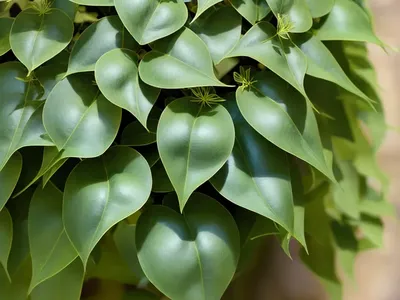
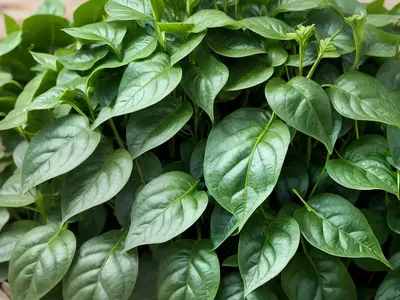
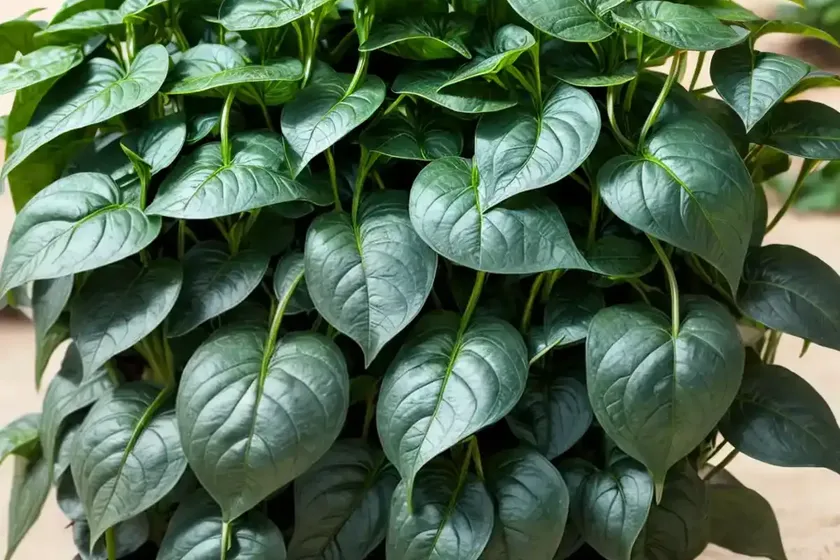
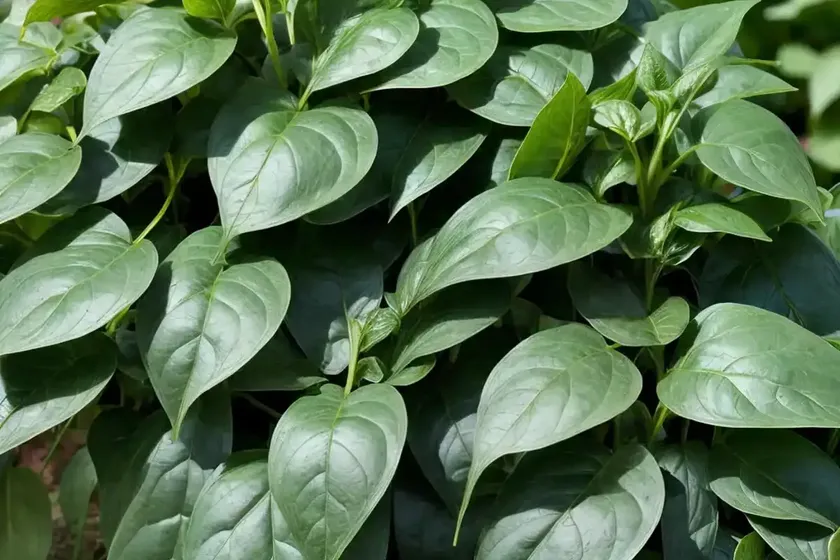
The plant is known for its lush, thick leaves and tender stems, making it a popular choice for culinary purposes. Beyond its use in the kitchen, Malabar spinach is also appreciated for its use as an ornamental plant and for its potential health benefits.
Key Takeaways
Before delving into the specifics of Malabar spinach, let’s highlight some of the key takeaways about this remarkable plant.
- Malabar Spinach Plant: Basella alba, a leafy green vegetable known for its thick, succulent leaves and tender stems.
- Malabar Spinach Varieties: There are different varieties of Malabar spinach, offering variations in leaf color, texture, and taste.
- Growing Malabar Spinach: This plant thrives in warm, tropical climates and can be cultivated both in gardens and containers.
- Malabar Spinach Care: It requires adequate water, sunlight, and fertilization for optimal growth.
- Malabar Spinach Benefits: Beyond culinary uses, it is believed to offer nutritional and potential medicinal benefits.
- Malabar Spinach Recipes: Widely used in Asian and Indian cuisines, it offers a unique flavor and texture in various dishes.
- Malabar Spinach Cultivation: It is relatively easy to grow, making it suitable for both experienced and beginner gardeners.
- Basella alba Plant: This plant is valued not only for its culinary uses but also for its ornamental and potential medicinal properties.
Now that we have a broad understanding of Malabar spinach, let’s dive into the specifics of its culture, uses, care, and more.
Culture
Water
Malabar spinach thrives in moist, well-draining soil. Adequate watering is essential, especially during dry periods, to prevent the soil from drying out. Regular watering helps maintain the plant’s lush and succulent foliage.
Sunlight
In terms of sunlight, Malabar spinach prefers partial shade to full sun. While it can tolerate some shade, providing ample sunlight encourages vigorous growth and ensures the development of flavorful leaves.
Soil
When it comes to soil, Malabar spinach prefers fertile, loamy soil with good drainage. Additionally, the soil pH should ideally range from 6.5 to 7.5 for optimal growth. Amending the soil with organic matter, such as compost or well-rotted manure, can significantly benefit the plant’s overall health and productivity.
Fertilizer
As a leafy vegetable, Malabar spinach benefits from regular fertilization. A balanced, all-purpose fertilizer applied at the beginning of the growing season and supplemented throughout the season can ensure robust growth and bountiful harvests.
Uses
Culinary Uses
Malabar spinach is a versatile ingredient in various cuisines, especially in Asian and Indian cooking. The tender leaves and stems can be used fresh in salads, stir-fries, soups, and curries. The slightly mucilaginous texture of the leaves adds a unique dimension to dishes, making them a favorite among many culinary enthusiasts.
Medicinal Uses
In traditional medicine, Malabar spinach is believed to possess various health benefits. It is touted for its potential antioxidant, anti-inflammatory, and immune-boosting properties. The leaves are also used in herbal remedies for their perceived medicinal value.
Ornamental Uses
Beyond its edible and medicinal uses, Malabar spinach is valued as an ornamental plant. Its lush, trailing vines make it an attractive option for vertical gardening, container gardening, and landscaping. The plant’s vibrant, green foliage adds visual appeal to any garden or outdoor space.
Pruning
Pruning Malabar spinach can encourage bushier growth and prevent the plant from becoming leggy. Regularly pinching back the growing tips and removing any yellowing or damaged leaves can help maintain the plant’s overall health and appearance.
Propagation
Malabar spinach can be propagated from both seeds and stem cuttings. Seeds can be directly sown into the garden or containers, while stem cuttings can be rooted in water or a suitable growing medium before transplanting. Propagation from stem cuttings often yields quicker and more predictable results.
Container Popularity
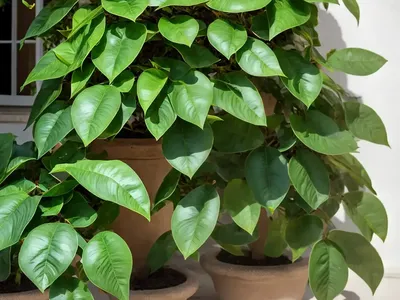
Given its trailing growth habit and ornamental appeal, Malabar spinach is well-suited for container gardening. It can be grown in hanging baskets, window boxes, or large containers, providing a fresh supply of tender leaves even in limited garden spaces.
Common Diseases
While Malabar spinach is generally a resilient plant, it can be susceptible to certain diseases under unfavorable growing conditions. Common diseases that may affect Malabar spinach include:
- Leaf Spot: Fungal pathogens can cause circular, dark lesions on the leaves, leading to reduced foliage vigor and overall plant health.
- Powdery Mildew: A powdery white coating on the leaves and stems can indicate the presence of powdery mildew, a fungal disease that thrives in humid conditions.
- Downy Mildew: This disease appears as yellow or brown patches on the leaf undersides, typically accompanied by a fuzzy, gray growth.
Proper cultural practices, such as adequate spacing, good air circulation, and avoiding overhead watering, can help prevent the onset and spread of these diseases.
Disease Diagnosis
Diagnosing diseases in Malabar spinach involves careful observation of the plant’s symptoms, including leaf discoloration, presence of mold or mildew, and overall growth patterns. In some cases, it may be beneficial to consult with local agricultural extension services or plant pathology experts to accurately identify and address specific diseases affecting the plant.
Common Pests
Malabar spinach may also face challenges from various pests, including:
- Aphids: These small, sap-sucking insects can infest the new growth tips and tender leaves, leading to distorted foliage and stunted plant growth.
- Leaf Miners: The larvae of certain fly species can create winding tunnels in the leaves, causing unsightly damage and potential yield reduction.
- Caterpillars: Certain caterpillar species may feed on the leaves, resulting in ragged and skeletonized foliage.
Implementing integrated pest management strategies, such as introducing beneficial insects, using physical barriers, and practicing regular monitoring, can help mitigate pest-related issues.
Botanist’s Tips
As a botanist, here are some essential tips for growing and caring for Malabar spinach:
- Provide Ample Support: Given its trailing growth habit, offering trellises or other forms of support can help encourage the plant to grow upward, maximizing vertical space and visual impact.
- Harvest Regularly: Regularly harvesting the tender leaves and stems not only provides a continuous supply for culinary use but also encourages the plant to produce new growth, ensuring a prolonged harvest period.
- Monitor Moisture Levels: While Malabar spinach enjoys moist soil, it is essential to prevent waterlogged conditions, which can lead to root rot and other moisture-related issues.
Fun Facts
Here are some intriguing and lesser-known facts about Malabar spinach:
- Leaf Pigmentation: Some varieties of Malabar spinach display vibrant red or purple pigmentation in their leaves, adding a colorful aspect to the plant’s ornamental value.
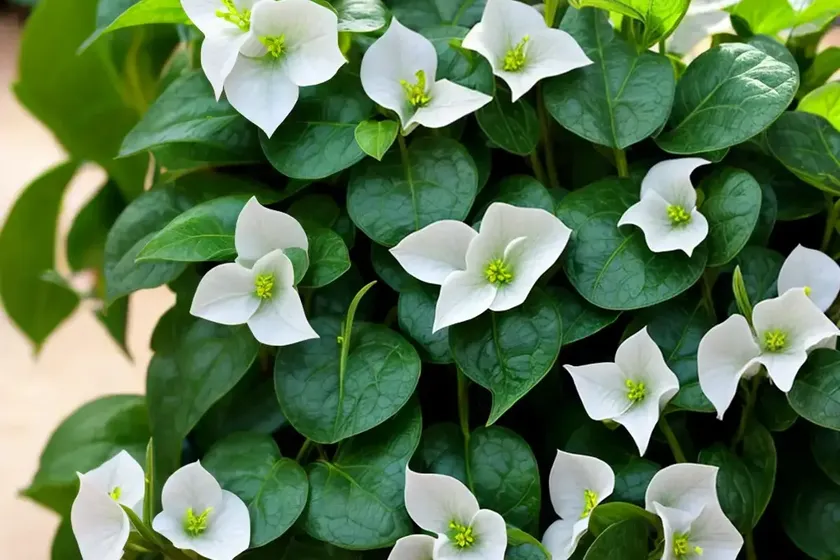
- Edible Flowers: The plant produces small, inconspicuous flowers that are also edible, offering a unique addition to salads and other culinary creations.
- Traditional Medicinal Uses: In traditional medicine systems such as Ayurveda, different parts of the Malabar spinach plant are used to address various health concerns, reflecting its historical significance beyond culinary applications.
Links to External Resources
For additional information on Malabar spinach, its cultivation, culinary uses, and potential benefits, here are some valuable external resources:
- Texas A&M AgriLife Extension: Malabar Spinach
- University of Florida IFAS Extension: Basella Alba
- Missouri Botanical Garden: Basella alba
- Food and Agriculture Organization of the United Nations: Basella alba
In conclusion, Malabar spinach, or Basella alba, offers a rich tapestry of culinary, ornamental, and potential health-related attributes, making it a compelling addition to any garden or landscape. Its lush foliage, vibrant colors, and versatile uses underscore its significance in various cultural and agricultural contexts. Whether grown for its tender leaves, unique appearance, or possible medicinal properties, Malabar spinach continues to captivate plant enthusiasts and culinary aficionados alike.
With its adaptability to diverse growing conditions and its ability to thrive in both traditional and innovative gardening settings, Malabar spinach exemplifies the inherent beauty and utility of plant life. As we continue to explore the bountiful offerings of nature, let us embrace the exquisite contributions of plants such as Malabar spinach, celebrating their valuable role in our lives and ecosystems.