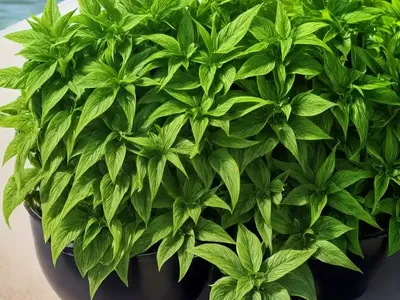
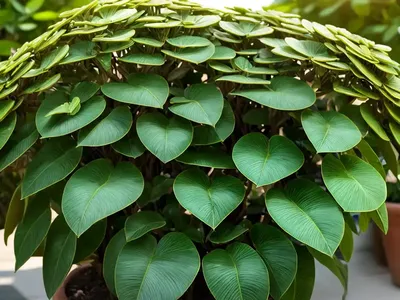
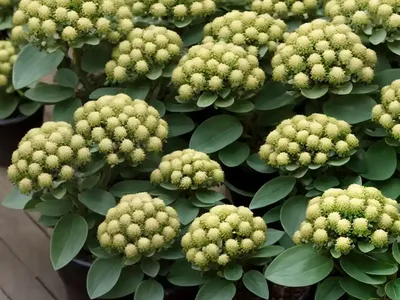
Madagascar Jewel (Euphorbia Leuconeura)
The Madagascar Jewel, scientifically known as Euphorbia leuconeura, is an eye-catching, low-maintenance plant that adds a touch of exotic beauty to any.
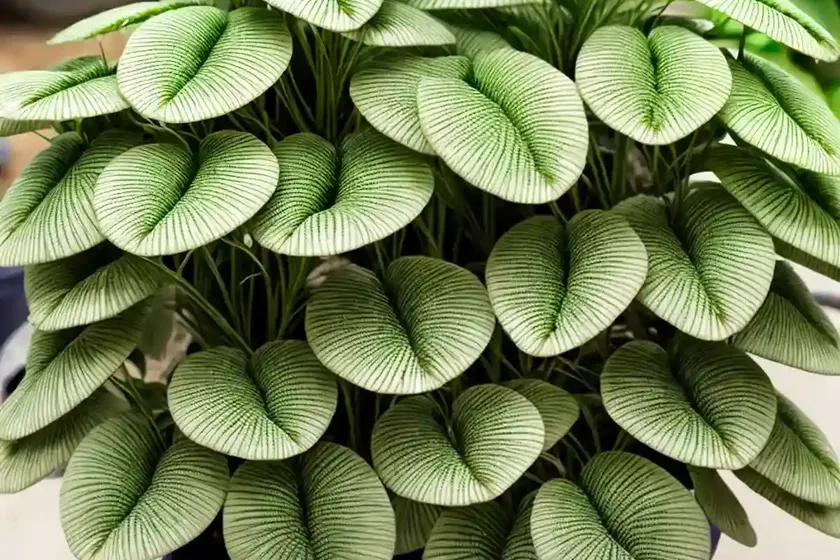
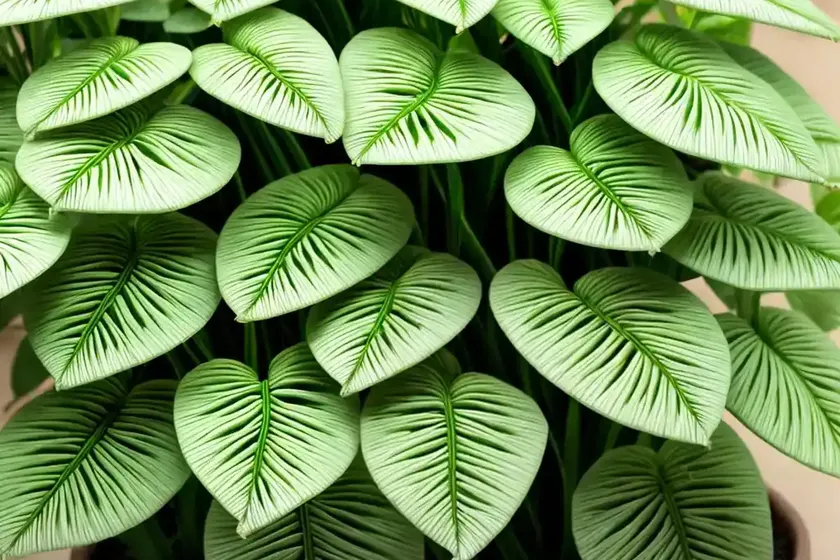
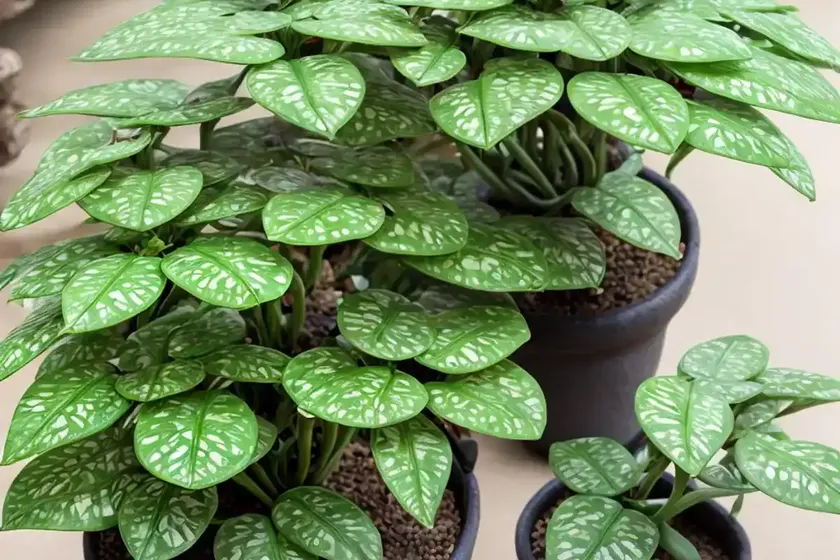
The Madagascar Jewel, scientifically known as Euphorbia leuconeura, is an eye-catching, low-maintenance plant that adds a touch of exotic beauty to any indoor space. This ornamental plant belongs to the Euphorbiaceae family and is native to arid regions of Madagascar. The Madagascar Jewel is popular among plant enthusiasts for its striking appearance, ease of care, and unique growth habits.
Key Takeaways – Madagascar Jewel (Euphorbia leuconeura)
Before delving into the specifics of caring for the Madagascar Jewel, let’s take a quick look at the key takeaways for this plant:
- Scientific Name: Euphorbia leuconeura
- Common Names: Madagascar Jewel, Madagascar Ocotillo
- Plant Type: Succulent
- Native Habitat: Madagascar
- Sunlight: Bright, indirect light
- Watering: Moderate; allow soil to mostly dry between waterings
- Soil: Well-draining, sandy soil mix
- Fertilizing: Minimal fertilization during the growing season
- Toxicity: Toxic to pets if ingested
- Propagation: Stem cuttings, seeds
- Pruning: Minimal pruning; removing dead or damaged branches
- Container: Well-draining pots
- Common Diseases: Rot, fungal infections
- Common Pests: Mealybugs, spider mites
Now, let’s explore in detail the cultural requirements, uses, care tips, and interesting facts about the Madagascar Jewel plant.
Culture
The cultural aspect of the Madagascar Jewel encompasses various elements that contribute to its overall health and vitality. This involves understanding the plant’s native habitat, environmental requirements, and growth habits.
Native Habitat
The Madagascar Jewel is indigenous to the arid regions of Madagascar, an island known for its diverse and unique flora. In its natural habitat, the plant thrives in dry, rocky environments with well-draining soils. It is typically exposed to bright sunlight and experiences sporadic rainfall.
Uses
The Madagascar Jewel is primarily utilized as an ornamental houseplant due to its striking appearance and minimal care requirements. Its upright, vertical growth habit and attractive foliage make it a preferred choice for interior décor. Additionally, the plant’s unique appearance adds an exotic touch to indoor spaces, making it a popular choice for plant enthusiasts and interior designers alike.
Decorative Plant
The Madagascar Jewel is often used as a decorative plant in homes, offices, and commercial spaces. Its slender, upright stems and attractive foliage make it a visually appealing addition to any room.
Air Purification
Like many other houseplants, the Madagascar Jewel contributes to indoor air purification by removing toxins and pollutants, thus enhancing the quality of the air within enclosed spaces.
Symbol of Exotic Beauty
Due to its unique appearance and easy care, the Madagascar Jewel is considered a symbol of exotic beauty and resilience, adding an aesthetic appeal to any indoor environment.
Water
Proper watering is essential for the health and vigor of the Madagascar Jewel. Understanding the plant’s water requirements and the significance of appropriate watering practices can help prevent issues such as root rot or dehydration.
Watering Frequency
The Madagascar Jewel prefers moderate watering, allowing the soil to mostly dry out between waterings. Overly wet conditions can lead to root rot, which can be detrimental to the plant’s overall health. It is advisable to water the plant when the top inch of the soil feels dry to the touch.
Watering Technique
When watering the Madagascar Jewel, it is essential to apply water directly to the soil and avoid wetting the foliage. This helps prevent moisture-related issues, such as fungal infections or leaf discoloration.
Drainage
Ensure that the pot or container used for the Madagascar Jewel has adequate drainage to allow excess water to escape. Good drainage helps prevent waterlogged conditions that can compromise the plant’s root system.
Sunlight
Proper sunlight exposure is crucial for the Madagascar Jewel to thrive and maintain its characteristic growth pattern and foliage coloration.
Light Requirements
The Madagascar Jewel prefers bright, indirect light. It can also tolerate some direct sunlight, particularly in the morning or late afternoon, but prolonged exposure to intense sunlight can lead to leaf scorching.
Indoor Placement
When grown indoors, placing the Madagascar Jewel near a window where it can receive bright, indirect light is ideal. It is essential to rotate the plant occasionally to ensure even exposure to light and promote balanced growth.
Outdoor Considerations
If the Madagascar Jewel is grown outdoors, it should be placed in a location that provides partial shade or filtered sunlight, especially during the hottest part of the day. This helps protect the plant from excessive heat and sunburn.
Fertilizer
While the Madagascar Jewel is relatively low-maintenance, proper fertilization can support its growth and overall health. Understanding the appropriate fertilization practices is essential to prevent over-fertilization, which can be detrimental to the plant.
Fertilizing Frequency
During the active growing season, which typically spans from spring to early fall, the Madagascar Jewel can benefit from a diluted, balanced liquid fertilizer application every two to four weeks. However, it is crucial to avoid excessive fertilization, as this can lead to an accumulation of salts in the soil, potentially harming the plant.
Fertilizer Type
A well-balanced, water-soluble fertilizer formulated for houseplants is suitable for the Madagascar Jewel. A fertilizer with an N-P-K ratio of 10-10-10 or 20-20-20 can provide the essential nutrients for healthy growth.
Dilution
To prevent fertilizer burn and salt buildup, it is advisable to dilute the fertilizer to half or quarter strength, following the manufacturer’s recommendations for the specific product used.
The choice of soil mix directly impacts the growth, development, and overall well-being of the Madagascar Jewel. Understanding the appropriate soil requirements is essential for providing an optimal environment for the plant’s root system.
Well-Draining Soil
The Madagascar Jewel prefers a well-draining soil mix that allows excess water to escape freely. A sandy, cactus or succulent-specific potting mix provides the ideal growing medium, as it promotes good aeration and prevents waterlogged conditions.
Additional Amendments
Incorporating perlite or coarse sand into the soil mix can further enhance drainage and ensure a favorable root environment for the Madagascar Jewel. These amendments help prevent excessive water retention, reducing the risk of root rot.
pH Level
The ideal soil pH for the Madagascar Jewel ranges from slightly acidic to neutral, typically between 6.0 and 7.0. Maintaining a suitable pH level supports nutrient uptake and overall plant health.
Pruning
Proper pruning is beneficial for maintaining the appearance, health, and structural integrity of the Madagascar Jewel. Understanding the pruning techniques and timing can help promote a well-shaped, vigorous plant.
Removal of Dead or Damaged Branches
Periodically inspect the Madagascar Jewel for any dead, yellowing, or damaged branches and promptly prune them to promote healthy growth. Using sterile pruning shears, carefully trim off the affected areas to prevent the spread of disease or pest infestations.
Shaping the Plant
If the Madagascar Jewel begins to develop an uneven or leggy appearance, selective pruning can help shape the plant and encourage compact, bushy growth. Trimming back the stem tips can promote branching and create a more symmetrical form.
Timing
Pruning can be carried out as needed throughout the growing season. It is advisable to avoid extensive pruning during the winter months, as the plant’s growth rate typically slows down during this period.
Propagation
The Madagascar Jewel can be propagated through various methods, including stem cuttings and seeds. Understanding the propagation techniques is beneficial for expanding a plant collection or sharing the plant with fellow gardening enthusiasts.
Stem Cuttings
Propagation through stem cuttings is a commonly utilized method for reproducing the Madagascar Jewel. Select a healthy, non-flowering stem and carefully cut it at a 45-degree angle. Allow the cutting to callus for a few days before planting it in a well-draining, moist soil mix.
Seed Propagation
While less commonly practiced due to the plant’s slower growth from seeds, propagation through seeds is another option for expanding the Madagascar Jewel population. Plant the seeds in a well-draining, slightly moist seed-starting mix, maintaining consistent moisture levels until germination occurs.
Propagation Success
Successful propagation of the Madagascar Jewel is often influenced by environmental conditions such as humidity, temperature, and moisture levels. Providing a warm, humid environment for cuttings or seeds can enhance the likelihood of successful propagation.
Container
Selecting an appropriate container for the Madagascar Jewel is crucial for providing a suitable environment for healthy growth and development. Understanding the key considerations for choosing a container can contribute to the long-term well-being of the plant.
Well-Draining Pots
The Madagascar Jewel thrives in containers with adequate drainage holes, as they prevent water from accumulating at the bottom of the pot. Select a pot or container that promotes good drainage to prevent waterlogged conditions that can compromise root health.
Size Consideration
When choosing a container, opt for a size that accommodates the current root system of the plant with a little room to grow. A pot that is too large can lead to excessive moisture retention, while a pot that is too small may restrict root development.
Material
Containers made of materials such as terracotta, ceramic, or plastic are commonly used for growing the Madagascar Jewel. Select a container that complements the plant’s aesthetic and environmental requirements.
Popularity
The Madagascar Jewel has gained popularity among plant enthusiasts and interior decorators due to its unique appearance, minimal care requirements, and suitability for various indoor environments. Its striking foliage and distinctive growth habit contribute to its appeal as a decorative plant.
Indoor Gardens
The Madagascar Jewel is a favored choice for indoor gardens, terrariums, and plant displays in homes, offices, and commercial spaces. Its upright growth and attractive foliage make it a standout feature in any indoor setting.
Collector’s Plant
For plant collectors and enthusiasts, the Madagascar Jewel is often sought after for its ornamental value and as a unique addition to diverse plant collections. Its captivating appearance and resilience make it a desirable plant for enthusiasts passionate about indoor gardening.
Common Diseases
Like any other plant, the Madagascar Jewel is susceptible to certain diseases and health issues. Understanding the common diseases and their potential causes can aid in prevention and timely intervention.
Root Rot
Overwatering or poorly draining soil can lead to root rot, a serious condition that can affect the plant’s overall health. Symptoms include yellowing, wilting, and mushy or discolored roots.
Fungal Infections
Excessive moisture or poor air circulation can promote the development of fungal infections, such as powdery mildew or leaf spot. These infections manifest as white powdery patches or dark spots on the foliage.
Disease Prevention
To prevent diseases, it is essential to provide proper environmental conditions, including well-draining soil, controlled watering, and adequate air circulation. Additionally, promptly addressing any signs of disease can help prevent the spread to other parts of the plant.
Disease Diagnosis
Diagnosing plant diseases is a critical aspect of maintaining the health of the Madagascar Jewel. Understanding the symptoms and signs of common diseases can help in accurate identification and appropriate treatment.
Visual Symptoms
Observing the plant for visual symptoms such as wilting, yellowing leaves, or unusual spots can provide valuable clues about potential diseases or health issues.
Root Examination
In cases of suspected root rot or soil-borne diseases, carefully examining the roots can help determine the presence of rot or discoloration.
Professional Consultation
In instances where the diagnosis is unclear or the condition of the plant worsens despite intervention, seeking advice from a plant professional or horticulturist can provide valuable insights and treatment recommendations.
Common Pests
Pest infestations can pose a threat to the health and vitality of the Madagascar Jewel. Identifying and addressing common pests promptly can help prevent damage and ensure the well-being of the plant.
Mealybugs
Mealybugs are a common pest that can affect the Madagascar Jewel, often clustering on the foliage and stems. They appear as small, cottony masses and can cause leaf discoloration and weaken the plant.
Spider Mites
Spider mites are tiny pests that can infest the Madagascar Jewel, typically causing webbing on the foliage and browning of the leaves. They thrive in dry, warm conditions and can rapidly multiply if left unaddressed.
Pest Control
Implementing pest control measures such as insecticidal soaps, neem oil, or horticultural oils can help manage pest infestations. Regular inspection and proactive treatment are essential for preventing pest damage.
Botanist’s Tips
As a plant scientist, I offer the following tips and insights to enhance the care and cultivation of the Madagascar Jewel:
Environmental Considerations
Providing a suitable environment with the right balance of light, water, and temperature is crucial for the Madagascar Jewel’s well-being. Understanding the plant’s native habitat can guide environmental adjustments for optimal growth.
Observation and Monitoring
Regularly observing the plant for any signs of stress, disease, or pest infestations is essential for proactive intervention. Early detection of issues allows for timely treatment and prevention of further damage.
Patience and Persistence
Caring for the Madagascar Jewel may involve patience and persistence, especially when propagating or addressing health issues. Maintaining consistent care and attention can lead to successful cultivation and long-term plant health.
Fun Facts
To further appreciate the Madagascar Jewel and its unique characteristics, consider the following fun facts about this fascinating plant:
- The Madagascar Jewel is known for its distinctive zig-zag pattern along the stem, creating an eye-catching visual appeal.
- Despite its common name, the Madagascar Jewel is not a true “jewel” or gemstone, but it does possess a natural beauty that adds a touch of exotic elegance to indoor spaces.
- The plant belongs to the Euphorbia genus, which includes a diverse array of succulents and drought-tolerant species, reflecting the plant’s adaptation to arid environments.
These fun facts highlight the remarkable attributes and allure of the Madagascar Jewel, further enhancing its appeal to plant enthusiasts and interior decorators alike.
Links to External Resources
For additional information and resources on the Madagascar Jewel and its care, propagation, and health considerations, explore the following links:
- The Spruce – Euphorbia Leuconeura Profile
- Gardening Know How – Euphorbia Leuconeura Care
- World of Succulents – Euphorbia Leuconeura
- The Old Farmer’s Almanac – Euphorbia Leuconeura Growing Guide
- University of Florida IFAS Extension – Madagascar Jewel Care
- Royal Horticultural Society – Euphorbia Care and Cultivation
- American Society for the Prevention of Cruelty to Animals (ASPCA) – Toxic Plants for Pets
- Chicago Botanic Garden – Indoor Plants for Winter Care Guide
- The University of Vermont – Indoor Plant Care Guide
These external resources provide valuable insights, care guides, and expert advice on cultivating and maintaining the Madagascar Jewel, offering a comprehensive reference for plant enthusiasts and individuals interested in the plant’s cultivation and care.
In conclusion, the Madagascar Jewel (Euphorbia leuconeura) is a captivating, low-maintenance plant that adds a touch of exotic elegance to indoor spaces. By understanding its cultural requirements, environmental considerations, and propagation techniques, individuals can cultivate and appreciate this unique plant, while maintaining its health and vitality.
Whether as a decorative addition to interior spaces, a collector’s plant, or a symbol of exotic beauty, the Madagascar Jewel continues to captivate plant enthusiasts with its striking appearance and resilient nature. With appropriate care, observation, and attention to environmental conditions, the Madagascar Jewel can thrive and contribute to the aesthetic appeal of diverse indoor settings.