Advertisement

Advertisement

Advertisement

Lycianthes Rantonnetii (Blue Potato Bush)

· · ⏰ 4 min read · 888 words
Disclosure: This post may contain affiliate links. If you purchase through these links, we may earn a small commission at no extra cost to you. We only recommend products we genuinely believe in. Learn more.
Home » Garden » Lycianthes Rantonnetii (Blue Potato Bush)

Plant Scientist Blog: All About Lycianthes rantonnetii (Blue Potato Bush)


What is Lycianthes rantonnetii (Blue Potato Bush)?

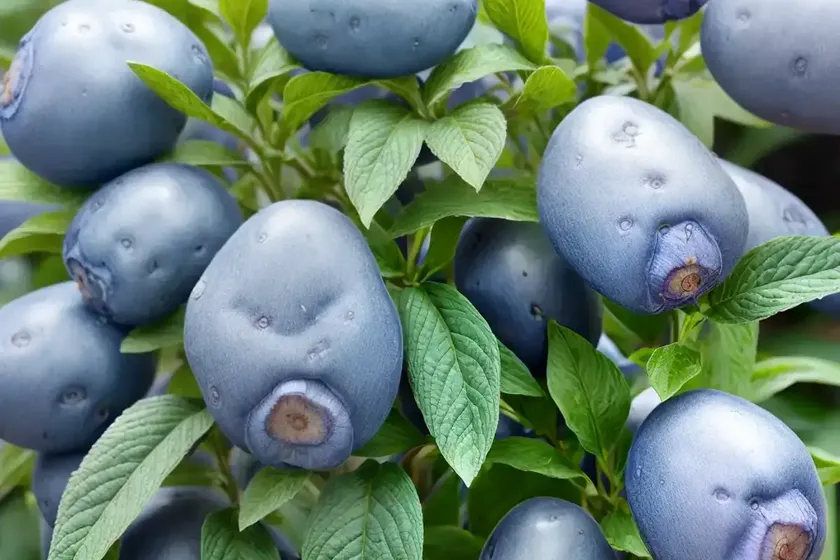
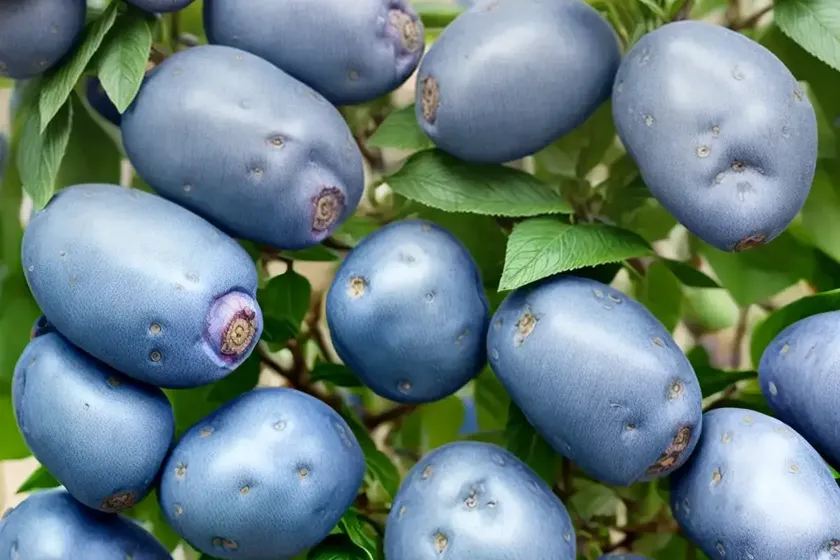
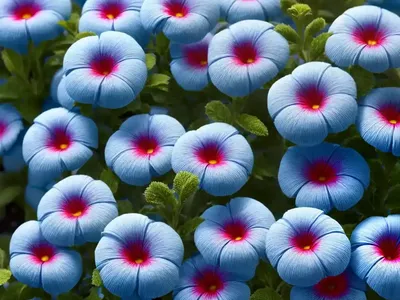
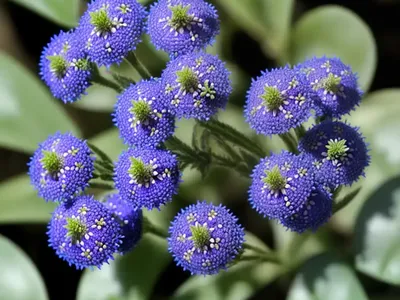
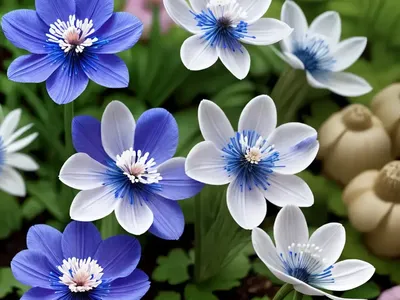
Lycianthes rantonnetii, commonly known as Blue Potato Bush, is a beautiful and versatile plant that belongs to the Solanaceae family. This evergreen shrub is native to South America, particularly Argentina and Paraguay, and is popular among gardeners for its stunning blue to purple flowers and its ability to attract butterflies and hummingbirds. It’s a moderate grower, reaching up to 5-8 feet in both height and width, and is prized for its ornamental value and low maintenance requirements.


Key Takeaways – Lycianthes rantonnetii (Blue Potato Bush)

The Blue Potato Bush is a stunning plant that can enhance any garden or landscape. In this section, we will delve into various aspects of caring for and growing Lycianthes rantonnetii, including its culture, uses, water, sunlight, fertilizer, soil, pruning, propagation, container care, common diseases, and pests. Let’s explore the key takeaways that will help you cultivate a thriving and vibrant Blue Potato Bush in your garden.

Advertisement


Culture

When it comes to culture, Lycianthes rantonnetii thrives in a variety of settings, making it a versatile and adaptable plant for different landscaping needs. This plant can be grown in both containers and the ground, and it is particularly well-suited for coastal gardens due to its tolerance for salt spray.

Uses

Blue Potato Bush serves both decorative and practical purposes in gardens and landscapes. Its vibrantly colored flowers make it an attractive ornamental plant, while its ability to attract pollinators such as butterflies and hummingbirds adds ecological value to the environment.

Water

Proper watering is essential for the health and vitality of Lycianthes rantonnetii. While it is relatively drought-tolerant once established, regular watering during dry spells is beneficial, especially when the plant is young. Adequate moisture levels help promote robust growth and flowering.

Sunlight

Blue Potato Bush thrives in full sun to partial shade. In regions with hot climates, providing some afternoon shade can prevent leaf scorching and ensure the plant’s overall well-being.

Fertilizer

To support healthy growth and abundant flowering, Lycianthes rantonnetii benefits from regular fertilization. A balanced, slow-release fertilizer can be applied in spring and summer to provide essential nutrients for the plant’s development.

Soil

The Blue Potato Bush prefers well-draining soil, and it can adapt to various soil types, including loamy, sandy, and clay soils. Amending the soil with organic matter can improve its structure and fertility, creating an optimal growing environment for the plant.

Pruning

Pruning is an essential aspect of maintaining the shape and health of Lycianthes rantonnetii. Regular pruning helps remove dead or damaged branches, encourages branching, and controls the plant’s size, making it suitable for hedges, borders, or container gardening.

Propagation

Propagating Lycianthes rantonnetii can be done through stem cuttings or seeds. While the plant readily produces seeds, using stem cuttings offers a faster and more reliable method of propagation, ensuring that the new plants retain the desired characteristics of the parent plant.

Container Popularity

Blue Potato Bush is a popular choice for container gardening, thanks to its manageable size and striking visual appeal. Cultivating Lycianthes rantonnetii in containers allows for greater flexibility in placement and facilitates easier winter protection in colder climates.

Common Diseases

Like many plants, Lycianthes rantonnetii is susceptible to certain diseases, including fungal infections such as powdery mildew and leaf spot. Proper cultural practices, such as adequate spacing and good air circulation, can help prevent and manage these issues.

Disease Diagnosis

Understanding the symptoms of common plant diseases is crucial for early diagnosis and effective treatment. By recognizing signs such as discolored or distorted leaves, unusual spots, or powdery growth, gardeners can take timely action to address potential disease problems and protect the health of their Blue Potato Bush.

Common Pests

While generally resilient, Blue Potato Bush can occasionally face pest infestations, with aphids, spider mites, and whiteflies being among the potential culprits. Monitoring the plant for signs of pest activity and employing natural or chemical control measures when necessary can help mitigate pest-related damage.

Botanist’s Tips

Seasoned botanists offer valuable insights into the care and cultivation of Lycianthes rantonnetii. Their tips encompass a wide range of topics, from planting techniques and maintenance practices to creative landscaping ideas and ways to attract beneficial wildlife to the garden.

Fun Facts

Uncover intriguing and lesser-known facts about the Blue Potato Bush that add depth to your appreciation of this captivating plant. From historical uses and cultural significance to its ecological role, there’s more to discover about Lycianthes rantonnetii beyond its aesthetic appeal.


To further enrich your knowledge and understanding of Lycianthes rantonnetii, here are some valuable external resources that provide comprehensive information, tips, and insights on growing and caring for the Blue Potato Bush:

  1. Blue Potato Bush care and cultivation guidelines
  2. Lycianthes rantonnetii: A complete plant guide
  3. Characteristics of Lycianthes rantonnetii: Key traits and attributes
  4. Growing Blue Potato Bush: Essential tips for successful cultivation
  5. Lycianthes rantonnetii varieties: Exploring different cultivars and selections

By understanding the various aspects of caring for Lycianthes rantonnetii, from its cultural preferences to propagation methods and pest management, you can cultivate a thriving and vibrant Blue Potato Bush in your garden. With the right knowledge and techniques, you can enjoy the beauty and allure of this exquisite plant while creating a welcoming habitat for beneficial wildlife in your outdoor space.

Advertisement

Browse Topics