Lychee Tree (Litchi Chinensis)
Lychee trees (Litchi chinensis) are a beautiful and highly valued fruit tree that originated in South China. The lychee tree is a tropical and subtropical.
Lychee trees (Litchi chinensis) are a beautiful and highly valued fruit tree that originated in South China. The lychee tree is a tropical and subtropical tree that produces the delicious and exotic lychee fruit. The fruit is known for its sweet, floral flavor and juicy texture, making it a popular choice for fresh consumption, desserts, and even beverages. In this comprehensive guide, we will delve into the various aspects of lychee tree cultivation, care, and maintenance, providing valuable insights for both experienced horticulturists and enthusiastic beginners.
What is a Lychee Tree (Litchi chinensis)?
The lychee tree, scientifically known as Litchi chinensis, is a tropical and subtropical evergreen tree from the Sapindaceae family. It is native to the Guangdong and Fujian provinces of China and is widely cultivated in many tropical and subtropical regions worldwide. The tree is prized for its tasty and unique lychee fruits, which are a rich source of essential vitamins and minerals, including vitamin C, vitamin B6, niacin, riboflavin, copper, potassium, and phosphorus.
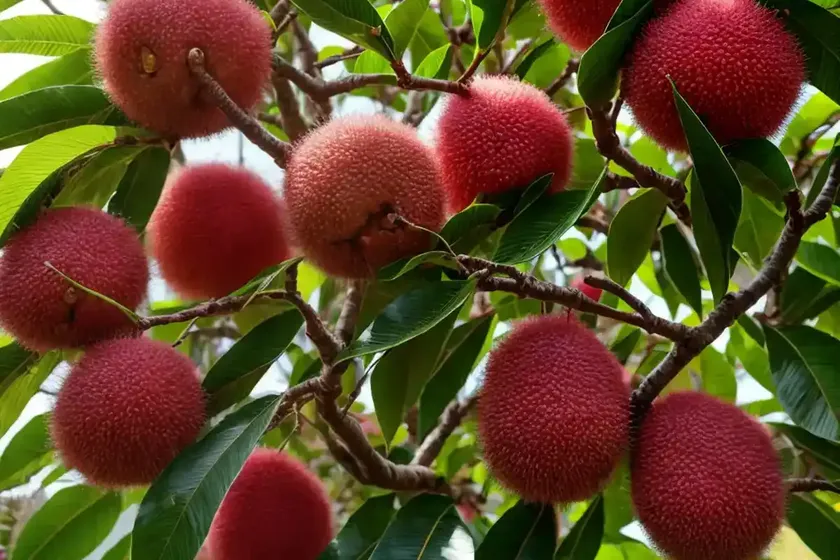
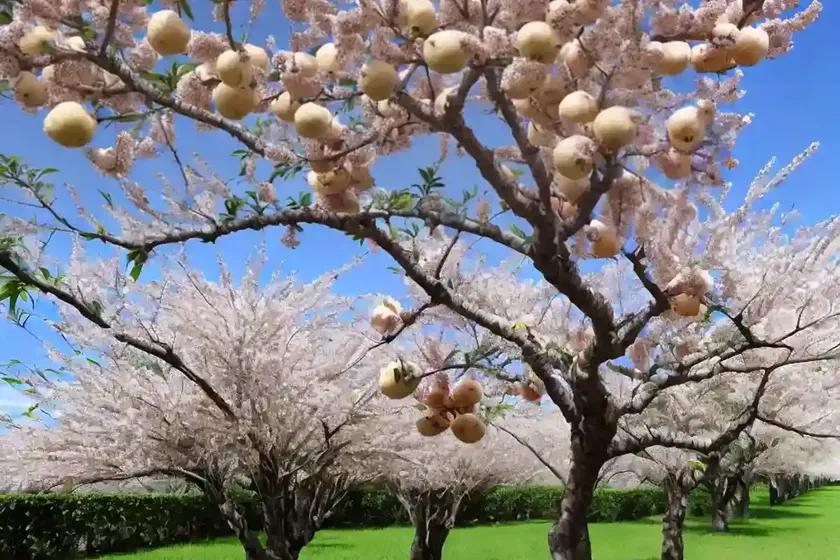
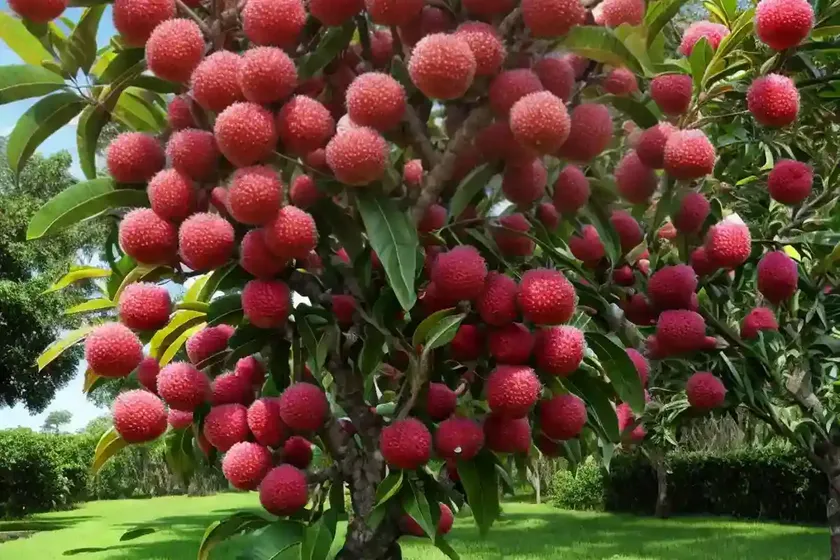
The lychee tree features dense, rounded foliage with a spreading growth habit. It typically reaches a height of 30 to 40 feet at maturity, forming a broad, dome-shaped canopy. The leaves are pinnate, with each leaflet being lanceolate and leathery in texture. The tree produces small, inconspicuous greenish-yellow flowers that are grouped in terminal panicles. However, the real allure of the lychee tree lies in its fruit, which is revered for its translucent, white, juicy flesh and pink to red, pebbled rind.
Key Takeaways – Lychee Tree (Litchi chinensis)
Here are some key takeaways about the Lychee Tree (Litchi chinensis) that we will explore further in this guide:
- Culture: Understanding the ideal growing conditions for lychee trees, including climate and environmental requirements.
- Uses: Exploring the diverse uses of lychee fruits, both culinary and medicinal.
- Water: Discussing the water needs of lychee trees, including irrigation practices and moisture requirements.
- Sunlight: Identifying the optimal sunlight conditions for the healthy growth and fruit production of lychee trees.
- Fertilizer: Providing insights into effective fertilization methods and essential nutrients for lychee trees.
- Soil: Understanding the soil preferences and composition suitable for cultivating lychee trees.
- Pruning: Exploring the art of pruning lychee trees to maintain their shape, promote fruiting, and manage overall tree health.
- Propagation: Learning about the various methods of propagating lychee trees for new plantings and orchard establishment.
- Container Popularity: Evaluating the potential for growing lychee trees in containers for urban and limited-space environments.
- Common Diseases: Identifying prevalent diseases that affect lychee trees and strategies for prevention and management.
- Common Pests: Examining the common pests that can infest lychee trees and approaches for pest control and mitigation.
- Botanist’s Tips: Providing expert tips and insights from a botanist’s perspective on cultivating and caring for lychee trees.
- Fun Facts: Uncovering interesting and lesser-known facts about lychee trees and their fruit.
Now, let’s delve deeper into each of these aspects to gain a comprehensive understanding of the cultivation and care of the enchanting lychee tree.
Culture
Climate and Environmental Requirements
Lychee trees thrive in tropical and subtropical climates, where they can bask in warm temperatures and high humidity levels. The ideal temperature range for lychee tree growth and fruit development is between 64°F to 86°F (18°C to 30°C). However, the trees can withstand brief periods of cooler weather, provided that freezing temperatures are avoided.
Hardiness Zones
In the United States, lychee trees are primarily grown in USDA hardiness zones 10 to 11, where the winter temperatures do not drop below 30°F (-1°C). In cooler regions, they can be grown in containers and moved indoors during the winter months to protect them from frost and cold temperatures.
Planting Location
When selecting a planting location for a lychee tree, it is crucial to choose a site that offers full sun exposure and protection from strong winds. Additionally, the site should have well-draining soil to prevent waterlogging, as excess moisture can lead to root rot and other detrimental conditions. As lychee trees have shallow root systems, they benefit from soil mulching to retain moisture and regulate soil temperature.
Uses
The lychee fruit holds a significant cultural and culinary significance in many regions where it is cultivated. The fruit is commonly enjoyed fresh, with its succulent and aromatic flesh being a delightful treat on its own. The sweet and tangy flavor of lychee makes it a popular addition to fruit salads, ice creams, sorbets, and various desserts. Additionally, the fruit can be used to create refreshing and flavorful beverages, including juices, smoothies, and cocktails.
Medicinal Uses
Beyond its culinary appeal, lychee fruit is valued for its potential health benefits. It is a rich source of vitamin C and antioxidants, which are known to boost the immune system and combat oxidative stress. In traditional medicine, lychee fruit has been used to alleviate digestive issues and promote overall well-being. The seeds of lychee fruits have also been utilized in herbal formulations for their potential medicinal properties.
Water
Irrigation Practices
Establishing a proper irrigation routine is crucial for the health and productivity of lychee trees. As shallow-rooted plants, they benefit from regular and consistent watering, especially during the critical periods of flowering, fruit development, and hot, dry weather. However, it is essential to avoid waterlogging, as excessive moisture can lead to root suffocation and fungal diseases.
Watering Schedule
During the growing season, young lychee trees should be watered deeply at least once a week, ensuring that the soil around the tree’s root zone remains evenly moist. Mature trees also require regular watering, with the frequency being adjusted based on the prevailing weather conditions and soil moisture levels. Mulching the soil around the base of the tree helps to conserve moisture and reduce water evaporation.
Sunlight
Sun Exposure
Lychee trees are highly dependent on adequate sunlight to thrive and produce bountiful harvests. They perform best when situated in locations that receive full sun, which generally translates to a minimum of 6 to 8 hours of direct sunlight per day. Insufficient sunlight can hinder fruit production and lead to a decline in overall tree vigor.
Fertilizer
Nutritional Requirements
Providing the right balance of essential nutrients is essential for promoting healthy growth, flowering, and fruiting in lychee trees. An appropriate fertilizer regimen should be tailored to the specific needs of the trees, taking into account the soil composition, age of the trees, and their overall health.
Fertilizer Application
A balanced fertilizer with a formulation such as 8-8-8 or 10-10-10, supplemented with micronutrients like iron and zinc, can be applied to lychee trees during the growing season. The fertilizer should be spread evenly across the root zone of the tree and watered in thoroughly. Care should be taken to avoid excessive application of nitrogen, which can stimulate vegetative growth at the expense of fruiting.
Soil
Soil Preferences
The ideal soil for lychee tree cultivation is well-draining and slightly acidic, with a pH range of 5.0 to 6.5 being optimal. Sandy loam or loamy soils are well-suited for lychee trees, as they offer good drainage while retaining adequate moisture. It is important to avoid heavy clay soils, which can lead to waterlogging and root suffocation.
Soil Amendment
If the native soil at the planting site does not meet the desired characteristics, it can be improved by incorporating organic matter such as compost, peat moss, or well-rotted manure. This helps to enhance soil structure, fertility, and moisture retention capacity, creating a conducive environment for the healthy development of lychee trees.
Pruning
Tree Maintenance
Pruning plays a vital role in shaping the canopy of lychee trees, promoting air circulation, and managing the tree’s overall size. Proper pruning can help to open up the tree’s interior, allowing sunlight to penetrate and reach the lower branches. It also facilitates the removal of dead, diseased, or overcrowded branches, contributing to improved tree health and productivity.
Pruning Techniques
When pruning lychee trees, it is important to use sharp and sanitized pruning tools to make clean cuts without causing unnecessary damage to the tree. Dead or damaged branches should be promptly removed, and the canopy should be thinned to optimize light penetration. Pruning is typically carried out after the fruiting season to minimize the impact on the next year’s fruit production.
Propagation
Methods of Propagation
Lychee trees can be propagated through various methods, including seed propagation, air layering, and vegetative propagation. Seed propagation is a simple yet unpredictable method that may result in variations in tree characteristics. Air layering involves inducing the growth of roots on a stem while it is still attached to the parent tree, and the rooted portion is then separated to form a new tree. Vegetative propagation methods such as grafting and budding are preferred for maintaining the desirable traits of specific lychee tree varieties.
Grafting
Grafting is a popular method of propagating lychee trees, where a scion with desired characteristics is joined onto a compatible rootstock. This allows for the production of trees with consistent fruit quality and specific traits, ensuring reliable performance and fruiting.
Container Popularity
Urban Planting
The compact size and adaptability of lychee trees make them suitable for container planting in urban and limited-space environments. By cultivating lychee trees in containers, individuals can enjoy the beauty of the tree and the fresh harvest of lychee fruit while conserving space and accommodating urban gardening restrictions.
Container Requirements
When growing lychee trees in containers, it is important to select a sizeable, well-draining container that provides ample space for root development. The container should have drainage holes to prevent waterlogging, and a high-quality potting mix designed for fruit trees can be used to ensure optimal growth and productivity.
Common Diseases
Anthracnose
Anthracnose is a fungal disease that can affect lychee trees, causing dark lesions on the fruit, leaves, and twigs. The disease thrives in warm and humid conditions, making proper air circulation and moisture management essential for prevention. Fungicidal treatments and the removal of infected plant material are common strategies for managing anthracnose in lychee orchards.
Phytophthora Root Rot
Phytophthora root rot is a soilborne disease that can lead to the wilting, decline, and eventual death of lychee trees. This disease is exacerbated by waterlogged soils and poor drainage, making it crucial to maintain well-draining soil conditions and avoid overwatering.
Disease Diagnosis
Diagnosing diseases in lychee trees often involves careful observation of symptoms such as leaf discoloration, fruit blemishes, and overall tree decline. Additionally, laboratory testing and pathogen identification may be necessary to accurately diagnose specific diseases that affect lychee trees.
Common Pests
Scale Insects
Scale insects are a common pest of lychee trees, feeding on plant sap and causing yellowing, wilting, and stunted growth. Natural predators, horticultural oils, and insecticidal soaps are often employed to control scale insect infestations and minimize their impact on lychee tree health.
Fruit Flies
Fruit flies can inflict damage on ripening lychee fruit, leading to premature fruit drop and reduced harvest quality. Monitoring and trapping can be used as part of an integrated pest management approach to minimize the impact of fruit flies on lychee orchards.
Botanist’s Tips
Expert Insights
- Watering Schedule: Implement a consistent watering schedule, ensuring that the soil remains evenly moist but not waterlogged.
- Fertilization: Use a balanced fertilizer with slow-release nutrients to support steady tree growth and fruit development.
- Pruning: Regularly prune the tree in late winter to early spring to maintain its shape, remove dead wood, and encourage new growth.
- Pest Monitoring: Keep a close eye on common pests such as scale insects and fruit flies, intervening promptly to prevent significant damage.
Fun Facts
- Lychee trees belong to the same family as the longan and rambutan, all of which produce delectable and distinctive fruits.
- The lychee fruit is often associated with special occasions and celebrations in Chinese culture, symbolizing good luck, happiness, and prosperity.
- In traditional Chinese medicine, various parts of the lychee tree, including the fruit, leaves, and seeds, have been used for their potential medicinal properties.
Links to External Resources
For more in-depth information on Lychee Trees, refer to the following resources:
- University of Florida IFAS Extension: Lychee Growing in the Florida Home Landscape
- University of Hawaii at Manoa: Lychee Production in Hawaii
- University of California Agriculture and Natural Resources: Lychee Pest Management Guidelines
- The New Southern Garden Cookbook by Sheri Castle
In conclusion, the cultivation of lychee trees presents a delightful opportunity to grow and enjoy an array of tasty, nutritious fruits. By understanding the essential elements of lychee tree care, from irrigation and soil management to pest control and pruning, enthusiasts can foster the healthy and productive growth of these captivating trees. Whether cultivated in expansive orchards or in urban containers, lychee trees offer a delightful and rewarding addition to any horticultural endeavor.