Lungwort (Pulmonaria ‘Smoky Blue’): A Complete Guide
What is Lungwort (Pulmonaria ‘Smoky Blue’)?
Lungwort (Pulmonaria ‘Smoky Blue’) is a charming and versatile perennial plant that belongs to the Boraginaceae family. It is popular for its remarkable foliage and delicate flowers. This plant is native to Europe and is widely cultivated for ornamental purposes in gardens across the world.
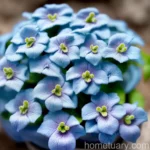
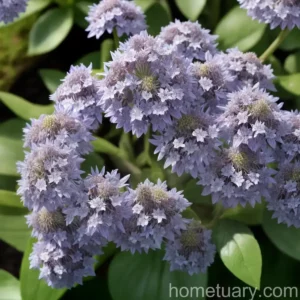
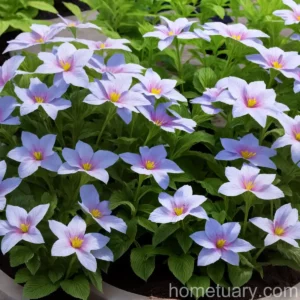
Pulmonaria ‘Smoky Blue’ is valued for its early spring bloom, featuring stunning clusters of blue and pink flowers that bring exquisite beauty to any garden. The foliage of lungwort is equally captivating, with a unique pattern that adds texture and interest to the landscape even when the plant is not in bloom.
Key Takeaways – Lungwort (Pulmonaria ‘Smoky Blue’)
Here’s a quick overview of some key takeaways about Lungwort (Pulmonaria ‘Smoky Blue’):
- Botanical Name: Pulmonaria ‘Smoky Blue’
- Family: Boraginaceae
- Common Name: Lungwort
- Plant Type: Perennial
- Height: 12-16 inches
- Spread: 18-24 inches
- Flower Color: Pink and blue
- Foliage: Silver-spotted
Now, let’s delve into the essential details regarding the culture, uses, care, and maintenance of this beautiful plant.
Culture
Uses
Lungwort (Pulmonaria ‘Smoky Blue’) is a versatile plant that can be used in various ways to enhance the beauty and functionality of your garden. Some common uses of this plant include:
-
Ornamental Purposes: The attractive foliage and delicate flowers make Pulmonaria ‘Smoky Blue’ a popular choice for ornamental gardens. It can be used as a border plant, in rock gardens, or as a ground cover to add texture and color to the landscape.
-
Wildlife Gardens: The nectar-rich flowers of lungwort attract pollinators such as bees and butterflies, making it a valuable addition to wildlife-friendly gardens.
-
Shade Gardens: Lungwort thrives in partial to full shade, making it an excellent choice for shaded garden areas where other plants may struggle to thrive.
-
Medicinal Uses: Historically, lungwort has been used in herbal medicine to treat respiratory ailments due to its high mucilage content. However, it is essential to consult a healthcare professional before using any plant for medicinal purposes.
Water
Lungwort plants prefer consistently moist soil, especially during the growing season. Adequate watering is crucial for the plant’s health and vigor, particularly in periods of drought.
- Watering Tips:
- Regular Moisture: Ensure the soil remains consistently moist, but not waterlogged, to support healthy growth and flowering.
- Mulching: Applying a layer of organic mulch around the base of the plant helps retain moisture and regulate soil temperature.
Sunlight
Lungwort is well-suited to shaded environments and thrives in partial to full shade. While it can tolerate some morning sun, it generally prefers sheltered locations with limited direct sunlight.
- Sunlight Requirements:
- Partial to Full Shade: Plant Pulmonaria ‘Smoky Blue’ in locations that receive dappled sunlight or are shaded for most of the day.
- Avoid Hot Afternoon Sun: Protect the plant from intense afternoon sun, especially in warmer climates, as it can scorch the delicate foliage.
Fertilizer
Appropriate fertilization supports the healthy growth and flowering of lungwort plants. While lungwort isn’t heavy feeder, providing some supplemental nutrients can benefit its overall vigor.
- Fertilizing Guidelines:
- Organic Matter: Incorporate compost or well-rotted manure into the soil before planting to provide essential nutrients and improve soil structure.
- Balanced Fertilizer: If necessary, apply a balanced, slow-release fertilizer in early spring to support the plant’s growth and blooming.
Soil
Lungwort prefers a rich, well-draining soil that remains consistently moist. Amending the soil with organic matter can significantly enhance its growing conditions.
- Soil Requirements:
- Moist, Well-Drained Soil: Lungwort thrives in soil that maintains even moisture without becoming waterlogged.
- pH Level: It prefers slightly acidic to neutral soil (pH 6.0-7.0). Conduct a soil test to monitor the pH and make adjustments if necessary.
Pruning
Proper pruning helps maintain the health and appearance of lungwort plants. Regular removal of spent flowers and damaged foliage is essential for promoting continuous flowering and reducing the risk of diseases.
- Pruning Tips:
- Deadheading: Remove faded flowers by snipping the flower stems back to the base to encourage the production of new blooms.
- Spring Cleanup: In early spring, trim back any damaged or discolored foliage to promote fresh growth and maintain the plant’s overall appearance.
Propagation
Lungwort (Pulmonaria ‘Smoky Blue’) can be propagated through several methods, including division, seed sowing, and root cuttings. Each method has its specific requirements and is suitable for different times of the year.
- Propagation Methods:
- Division: Divide mature lungwort plants in early spring or fall to create new plants. Ensure each division has well-developed roots and shoots before replanting.
- Seed Sowing: Collect and sow fresh seeds in containers in early summer. Provide bottom heat and maintain consistent moisture for successful germination.
- Root Cuttings: Take root cuttings from established plants in late autumn or winter. Plant the cuttings in a suitable growing medium and maintain a warm, humid environment to encourage root development.
Container Popularity
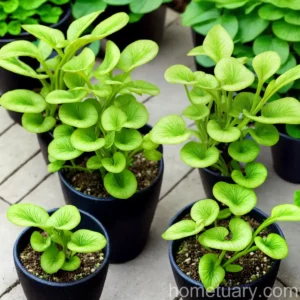
The compact size and attractive foliage make lungwort an excellent choice for container gardening. When grown in containers, Pulmonaria ‘Smoky Blue’ can be showcased on patios, balconies, or in shaded areas of the garden, adding visual interest and color to outdoor spaces.
- Container Gardening Tips:
- Container Selection: Choose a container with adequate drainage holes and a size that accommodates the plant’s growth.
- Well-Draining Soil: Use a high-quality, well-draining potting mix to provide optimal growing conditions for the lungwort plant.
- Watering Needs: Monitor the soil moisture regularly and water the plant when the top inch of the soil feels dry to the touch.
Common Diseases
While lungwort is generally resistant to diseases, it can occasionally be affected by certain fungal infections and foliar issues. Identifying and addressing these concerns promptly can help maintain the plant’s health and appearance.
Disease Diagnosis
Lungwort may be susceptible to fungal diseases such as powdery mildew and leaf spot. These issues often manifest as discolored or spotted foliage, affecting the plant’s overall aesthetics.
- Common Diseases:
- Powdery Mildew: A fungal disease that produces a white, powdery coating on the leaves, often caused by poor air circulation and high humidity.
- Leaf Spot: Characterized by dark spots or lesions on the foliage, typically caused by fungal pathogens favored by moist conditions.
It is essential to monitor the plant regularly and promptly address any signs of disease through appropriate cultural practices or treatments to prevent the spread of infections.
Common Pests
Lungwort plants are relatively resistant to pest infestations. However, certain pests, such as slugs and snails, may occasionally feed on the foliage, especially in damp or shaded environments.
- Pest Control:
- Physical Barriers: Place copper tape or barriers around the base of the plant to deter slugs and snails from reaching the foliage.
- Organic Controls: Introduce natural predators of slugs and snails, such as predatory ground beetles or slug-eating nematodes, to manage pest populations organically.
These measures can help protect the plant from pest damage while avoiding the use of chemical pesticides that may harm beneficial insects and wildlife.
Botanist’s Tips
Here are some additional botanist’s tips to help you care for and appreciate Lungwort (Pulmonaria ‘Smoky Blue’) in your garden:
-
Companion Plants: Pair lungwort with other shade-loving perennials such as hostas, ferns, and heucheras to create visually appealing and diverse planting combinations.
-
Foliage Appreciation: Embrace the unique foliage of lungwort as a standout feature in the garden. The silver-spotted leaves add contrast and texture, contributing to the plant’s overall charm.
-
Seasonal Interest: While lungwort is valued for its spring flowers, the attractive foliage remains appealing throughout the growing season, providing year-round interest in shaded areas.
Fun Facts
Discover some intriguing and little-known facts about Lungwort (Pulmonaria ‘Smoky Blue’):
-
The genus name “Pulmonaria” is derived from the Latin word “pulmo,” meaning lung, due to the belief that the spotted leaves of lungwort plants resembled diseased lungs. This association led to the historical use of lungwort in herbal medicine for respiratory ailments.
-
The flowers of lungwort plants are not only attractive to pollinators such as bees but also have an intriguing color-changing ability. They begin as pink buds and gradually transition to shades of blue as they mature, creating a captivating display.
Now that we have explored the essential elements of caring for lungwort (Pulmonaria ‘Smoky Blue’), let’s refer to some external resources for further information and guidance.
Links to External Resources
For additional insights and detailed guidance on the care and cultivation of Lungwort (Pulmonaria ‘Smoky Blue’), the following resources can provide valuable information:
- Royal Horticultural Society (RHS) – Pulmonaria
- Missouri Botanical Garden – Pulmonaria
- The Spruce – How to Grow and Care for Lungwort Plants
- American Meadows – Lungwort (Pulmonaria)
These resources offer a wealth of knowledge on the botanical characteristics, growing conditions, and maintenance requirements of Pulmonaria ‘Smoky Blue’, along with insights into its ornamental value and ecological importance in garden settings.
In conclusion, Lungwort (Pulmonaria ‘Smoky Blue’) stands out as a delightful and resilient perennial plant that adds charm and allure to shaded gardens. Its striking foliage, elegant flowers, and adaptable nature make it a prized addition to diverse garden styles, from woodland landscapes to container gardens. By understanding its cultural preferences, uses, care tips, and ecological significance, you can fully appreciate the unique attributes of this elegant and versatile plant.
Remember, the sustainable and mindful cultivation of plants like Pulmonaria ‘Smoky Blue’ not only enhances the beauty of our surroundings but also supports a thriving ecosystem, providing essential resources for pollinators and wildlife.
There is much to admire and discover about Lungwort, from its folklore and medicinal uses to its role in ecological conservation. Embrace the beauty and appeal of Pulmonaria ‘Smoky Blue’ as a cherished component of your garden, and relish the moments spent in its company throughout the seasons.