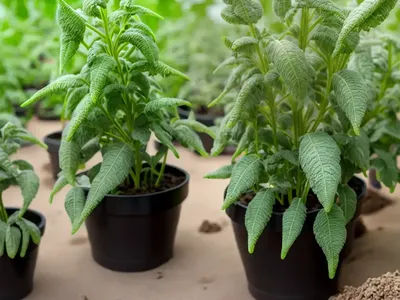
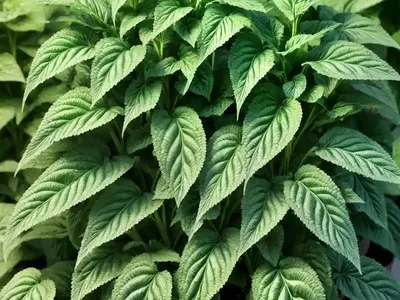
Love-lies-bleeding (Amaranthus Caudatus)
Plants have been an essential part of human existence since time immemorial. They provide us with food, medicine, oxygen, and contribute to the overall.
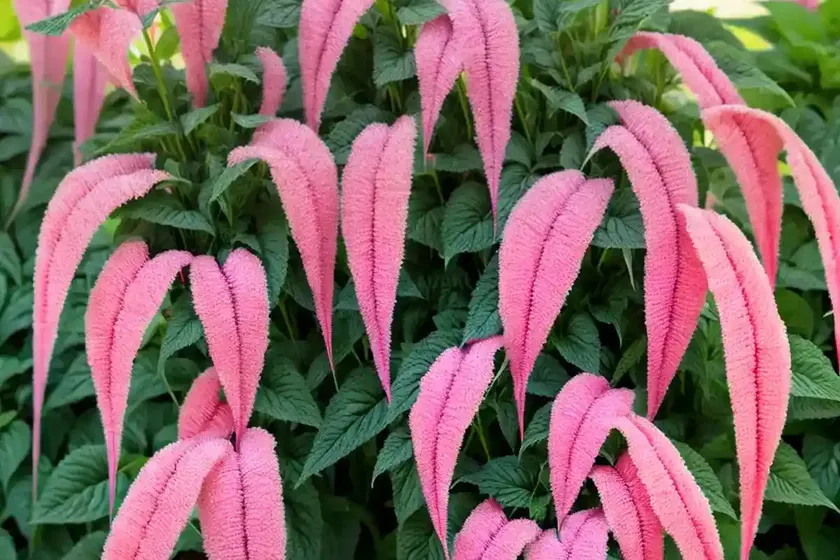
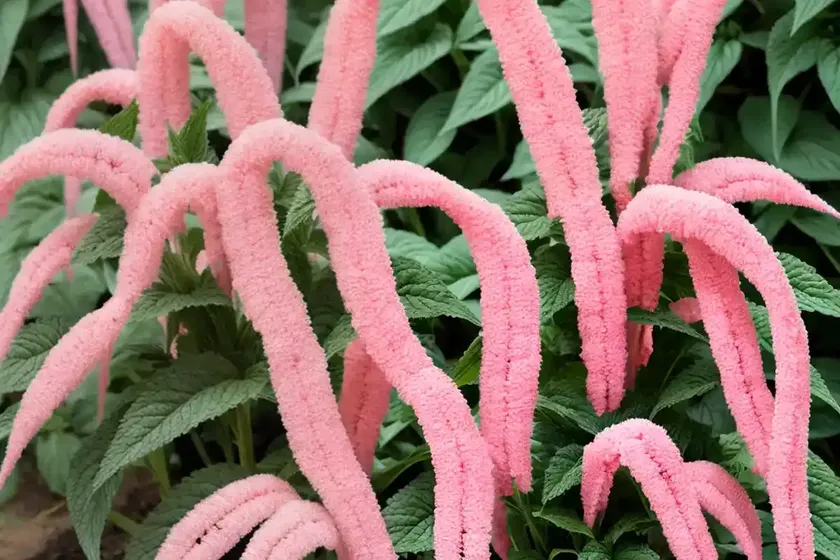
Plants have been an essential part of human existence since time immemorial. They provide us with food, medicine, oxygen, and contribute to the overall aesthetics of our surroundings. Among the diverse array of plant species, Love-lies-bleeding, scientifically known as Amaranthus Caudatus, stands out for its striking appearance and various cultural and medicinal uses. In this comprehensive guide, we will explore the facets of Love-lies-bleeding, including its culture, uses, care, and interesting facts, catering to both enthusiasts and seasoned horticulturists.
What is Love-lies-bleeding (Amaranthus Caudatus)?
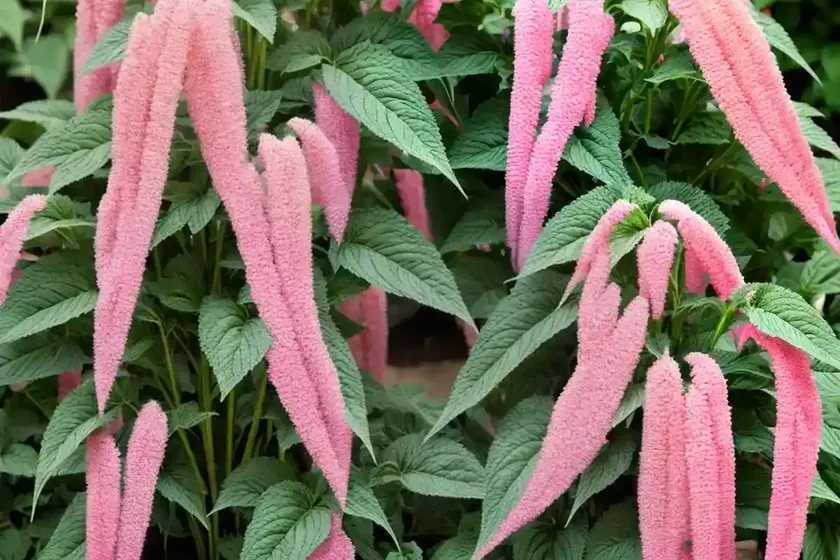
Love-lies-bleeding, also known as tassel flower, velvet flower, pendant amaranth, and quilete, is an ornamental plant belonging to the Amaranthaceae family. Originating from South America, particularly Peru, it has gained popularity across the globe owing to its distinctive appearance characterized by long, drooping inflorescences. The name “Love-lies-bleeding” is derived from the plant’s gracefully cascading red or purplish tassels, which symbolize eternal love and endurance.
Key Takeaways – Love-lies-bleeding (Amaranthus Caudatus)
Before delving deeper into the intricacies of Love-lies-bleeding, let’s take a glance at the key takeaways of this elegant plant:
- Plant Name: Love-lies-bleeding (Amaranthus Caudatus)
- Family: Amaranthaceae
- Common Names: Tassel Flower, Velvet Flower, Pendant Amaranth, Quilete
- Origins: South America, particularly Peru
- Growth Habit: Annual or Short-lived Perennial
- Notable Feature: Long, drooping inflorescences in red or purplish hues
Now that we have a glimpse of the basics, let’s explore the various aspects of Love-lies-bleeding, from its cultural significance to its care requirements and beyond.
Culture
Understanding the cultural background and traditional uses of Love-lies-bleeding provides valuable insights into the significance and prominence of this plant across different societies. Let’s take a closer look at its cultural context and uses.
Uses
Traditional and Medicinal Uses
- Medicinal Properties: Love-lies-bleeding has historically been utilized in traditional medicine systems for its diverse medicinal properties. In traditional Peruvian medicine, the plant is employed as a natural remedy for various ailments, including digestive issues, respiratory disorders, and skin conditions.
- Symbolism in Different Cultures: Love-lies-bleeding holds symbolic significance in various cultures. It is often associated with enduring love, immortality, and resilience, making it a popular choice for floral arrangements and symbolic gestures.
Ethnobotanical Significance
- Ethnobotanical Uses: Indigenous communities in South America have long revered Love-lies-bleeding for its multifaceted uses. The plant holds cultural and ritualistic importance among these communities, with its seeds and leaves being utilized in culinary practices and traditional ceremonies.
Water
In its early growth stages, Love-lies-bleeding requires consistent moisture to establish robust roots and vigorous foliage. Proper watering practices are essential for promoting healthy growth and flowering in this ornamental plant.
- Initial Establishment: During the initial phase of growth, ensure that the soil is consistently moist, but not waterlogged. Avoid overwatering, which can lead to root rot, and aim for a balance that allows the soil to remain damp but not soggy.
- Mature Plants: Once the plant has established itself, it demonstrates a degree of tolerance to moderate drought conditions. However, during prolonged dry spells, it’s crucial to provide supplementary watering to support optimal growth and flowering.
Sunlight
Love-lies-bleeding exhibits a preference for ample sunlight, thriving best in full sun or partial shade conditions. Adequate exposure to sunlight is pivotal for promoting robust growth and vibrant flowering in this species.
- Full Sun: Ideally, position Love-lies-bleeding in a location that receives full sun for a minimum of six to eight hours per day. Exposure to abundant sunlight encourages sturdy growth and enhances the intensity of its characteristic tassels.
- Partial Shade: In regions with intense heat or during the peak of summer, providing partial shade can shield the plant from excessive heat stress. However, ensure that the partial shade still allows for substantial sunlight to reach the plant.
Fertilizer
Proper fertilization is integral to sustaining the vigor and lush appearance of Love-lies-bleeding. The application of balanced fertilizers can enrich the soil with essential nutrients, bolstering the plant’s growth and blooming potential.
- Fertilizer Type: Utilize a well-balanced, all-purpose fertilizer with a formulation such as 10-10-10 or 20-20-20 to provide a comprehensive blend of essential nutrients.
- Application Frequency: Apply fertilizer to Love-lies-bleeding every four to six weeks during the active growing season, typically from spring to early autumn. Refrain from fertilizing during the plant’s dormant phase.
Soil
Optimal soil conditions play a pivotal role in nurturing healthy and robust Love-lies-bleeding plants. Understanding the preferred soil characteristics and composition is key to fostering an environment conducive to the plant’s flourishing.
- Well-Draining Soil: Love-lies-bleeding thrives in well-draining soil that prevents waterlogging and promotes adequate aeration to the roots. Consider amending heavy or compacted soils with organic matter to enhance drainage.
- Soil pH: The plant exhibits adaptability to a broad pH range, ideally thriving in slightly acidic to neutral soils with a pH level ranging from 6.0 to 7.0. Regularly testing the soil pH can aid in determining and addressing any imbalances.
Pruning
Pruning is an essential aspect of Love-lies-bleeding plant care, contributing to the maintenance of its vigor, aesthetics, and overall health. Proper pruning practices help manage the plant’s growth and encourage prolific flowering.
- Pinching Young Plants: Pinch the tips of young Love-lies-bleeding plants to promote bushier growth and increased branching. This encourages the development of a more compact and lush overall appearance.
- Deadheading: Regularly remove spent blooms by deadheading the plant to stimulate continuous flowering and prevent the allocation of resources to seed production, thereby directing the plant’s energy towards growth and new blooms.
Propagation
The propagation of Love-lies-bleeding can be achieved through a variety of methods, including seed sowing, division, and stem cuttings. Each technique offers distinct advantages and may be employed based on the specific requirements and preferences of the gardener.
- Seed Propagation: Sow Love-lies-bleeding seeds directly into the desired growing site after the last frost date, ensuring adequate warmth and moisture for successful germination. Seed propagation offers a straightforward method for cultivating new plants and provides a wide range of available cultivars and varieties.
- Division: Dividing established Love-lies-bleeding plants allows for the creation of new specimens while simultaneously revitalizing existing clumps. Undertake division during the plant’s dormant phase, carefully separating the root clusters into individual sections for replanting.
Container Popularity
Love-lies-bleeding’s striking appearance and adaptable growth habit render it a popular choice for container gardening. Cultivating this ornamental plant in containers presents an array of advantages, making it a favored selection for both novice and seasoned container gardeners.
- Aesthetic Appeal: The cascading and vibrant tassels of Love-lies-bleeding add an alluring vertical dimension to container gardens, enhancing their visual appeal and contributing to captivating floral displays.
- Space Efficiency: For gardeners with limited space or those seeking to adorn patios, balconies, or smaller outdoor areas, container cultivation of Love-lies-bleeding offers a space-efficient and versatile option for incorporating the plant into their surroundings.
Common Diseases
While Love-lies-bleeding is generally resilient, it may be susceptible to certain diseases and ailments that can impact its health and appearance. Understanding common diseases and their associated symptoms is pivotal for implementing preventive measures and timely interventions.
Disease Diagnosis
- Powdery Mildew: A prevalent fungal disease affecting Love-lies-bleeding, characterized by the development of a powdery, white coating on the plant’s foliage. Adequate air circulation and the utilization of fungicidal sprays can aid in managing and preventing powdery mildew.
- Root Rot: Excessive soil moisture or poor drainage can lead to root rot, manifesting as wilting, yellowing foliage, and a foul odor emanating from the roots. Adjusting watering practices and ensuring proper soil drainage are crucial for averting this disease.
Common Pests
Pest infestations can pose a threat to the health and vitality of Love-lies-bleeding, necessitating vigilant observation and prompt intervention to mitigate potential damage. Familiarizing oneself with prevalent pests and their associated control measures is imperative for preserving the plant’s well-being.
- Aphids: These small, sap-sucking insects can congregate on the undersides of Love-lies-bleeding leaves, causing distortions and discoloration. Insecticidal soaps or horticultural oils provide effective control measures to combat aphid infestations without harming beneficial insects.
- Spider Mites: Infestations of spider mites can lead to stippled, discolored foliage and the development of fine webbing on the plant. Regular misting and the application of miticides serve as viable approaches to managing spider mite populations.
Botanist’s Tips
As a plant scientist with a profound appreciation for ornamental plants such as Love-lies-bleeding, I offer the following tips derived from scientific insights and practical experience to facilitate the successful cultivation and care of this intriguing species.
- Prune Strategically: Employ strategic pruning techniques, including pinching and deadheading, to maintain the plant’s compact form and encourage abundant flowering.
- Monitor Soil Moisture: Regularly assess the soil moisture levels and adjust watering practices accordingly to prevent water stress or waterlogging, ensuring an optimal growing environment for Love-lies-bleeding.
- Implement Integrated Pest Management: Embrace a holistic and proactive approach to pest management by integrating natural predators, biological controls, and environmentally friendly remedies to deter pests.
Fun Facts
Love-lies-bleeding is not only captivating from a horticultural perspective but also harbors a wealth of captivating and intriguing facts that accentuate its allure and cultural significance. Let’s explore some fun and remarkable facts about Love-lies-bleeding that underscore its unique charm and appeal.
- The striking tassels of Love-lies-bleeding are not only visually captivating but also hold symbolic significance across different cultures, representing endurance, unwavering love, and immortality.
- Love-lies-bleeding is not confined to conventional gardens; this versatile plant can be utilized in floral arrangements and provides inspiration for artistic expressions owing to its distinctive form and vibrant coloration.
Links to External Resources
For further exploration and in-depth information on Love-lies-bleeding, I recommend referring to the following external resources, which encompass a plethora of valuable insights and guidance pertaining to this ornamental plant:
- Royal Horticultural Society – Amaranthus Caudatus
- The American Phytopathological Society – Common Diseases of Amaranthus Caudatus
- United States Department of Agriculture – Amaranthus Caudatus: Velvet Flower
- Missouri Botanical Garden – Love-lies-bleeding Plant Profile
In conclusion, Love-lies-bleeding (Amaranthus Caudatus) embodies a captivating fusion of ornamental splendor, cultural significance, and multifaceted uses. From its vibrant and cascading tassels to its historical and ethnobotanical uses, this remarkable plant continues to captivate and inspire individuals worldwide, offering a rich tapestry of beauty, symbolism, and versatility.
Whether you’re an avid horticulturist, a connoisseur of botanical symbolism, or simply enamored by the allure of ornamental plants, Love-lies-bleeding stands as a testament to the enduring appeal and diverse contributions of the plant kingdom. Embrace the enchanting world of Love-lies-bleeding, and allow its inherent splendor to enrich and inspire your horticultural endeavors.
By delving into the depths of Love-lies-bleeding’s culture, uses, care requirements, and intriguing attributes, we uncover a plant that seamlessly amalgamates aesthetics, symbolism, and functional utility, casting a radiant impression in both realms of horticulture and cultural symbolism.
In the words of Ralph Waldo Emerson, “The earth laughs in flowers,” and indeed, Love-lies-bleeding beautifully encapsulates the joy and enchantment that blossoms from the earth’s bountiful offerings, serving as a living testament to nature’s resplendent artistry and perpetual allure.
Sincerely,
[Your Name]
Plant Scientist & Horticultural Enthusiast