Lonicera Sempervirens ‘Blanche Sandman’ (Trumpet Honeysuckle)
Plants are essential components of our environment, providing benefits such as oxygen production, aesthetic value, and medicinal properties. Among the vast.
Introduction
Plants are essential components of our environment, providing benefits such as oxygen production, aesthetic value, and medicinal properties. Among the vast variety of plant species, Lonicera sempervirens ‘Blanche Sandman,’ commonly known as Trumpet Honeysuckle, stands out for its vibrant flowers, wildlife-attracting features, and landscape suitability. As a plant scientist with a passion for horticulture, I find it fascinating to explore the characteristics, cultivation, and ecological significance of this remarkable species.
In this comprehensive guide, we will delve into the various aspects of Lonicera sempervirens ‘Blanche Sandman,’ including its culture, uses, growth requirements, maintenance, and more. Whether you are a seasoned gardener, a landscaping enthusiast, or a nature lover seeking to enhance your outdoor space, this article will equip you with valuable insights into the world of Trumpet Honeysuckle.
Plant Name: Lonicera sempervirens ‘Blanche Sandman’ (Trumpet Honeysuckle)
Table of Contents
- Key Takeaways – Lonicera sempervirens ‘Blanche Sandman’ (Trumpet Honeysuckle)
- Culture
- Uses
- Water
- Sunlight
- Fertilizer
- Soil
- Pruning
- Propagation
- Container Popularity
- Common Diseases and Pests
- Botanist’s Tips
- Fun Facts
- Links to External Resources
Key Takeaways – Lonicera sempervirens ‘Blanche Sandman’ (Trumpet Honeysuckle)
Before we delve into the specifics, let’s take a quick look at the key points to remember about the Trumpet Honeysuckle, Lonicera sempervirens ‘Blanche Sandman’:
- Trumpet Honeysuckle Blanche Sandman is a variety of Lonicera sempervirens, known for its vibrant, trumpet-shaped flowers and wildlife-friendly characteristics.
- It is prized for its ornamental value, attracting hummingbirds, butterflies, and other pollinators to the garden.
- This variety exhibits excellent tolerance to heat and drought, making it suitable for various landscaping applications in sunny and dry conditions.
- The plant’s trailing vine habit makes it ideal for vertical gardening and ornamental trellises, enhancing the visual appeal of outdoor spaces.
- Lonicera sempervirens ‘Blanche Sandman’ is relatively low-maintenance and can thrive in a range of soil types, as long as they are well-draining.
- When managed properly, it can serve as an attractive and ecologically valuable addition to gardens, providing nectar for beneficial insects and supporting local biodiversity.
Now that we have a brief overview, let’s explore the specific aspects of cultivating and appreciating Lonicera sempervirens ‘Blanche Sandman’ in greater detail.
Culture
Understanding the cultural requirements of Lonicera sempervirens ‘Blanche Sandman’ is essential for successfully growing and enjoying this beautiful plant. The cultural considerations encompass various factors such as watering, sunlight, soil, and pruning, all of which contribute to the overall health and vigor of the Trumpet Honeysuckle.
Uses
Before we delve into the specific cultural needs of Lonicera sempervirens ‘Blanche Sandman,’ it is important to highlight the diverse uses of this plant in landscaping and ecological contexts.
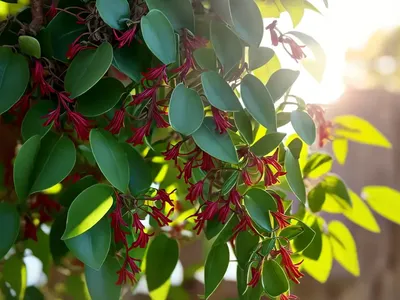
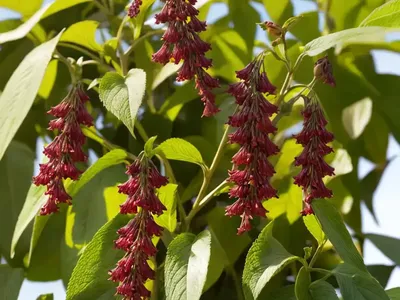
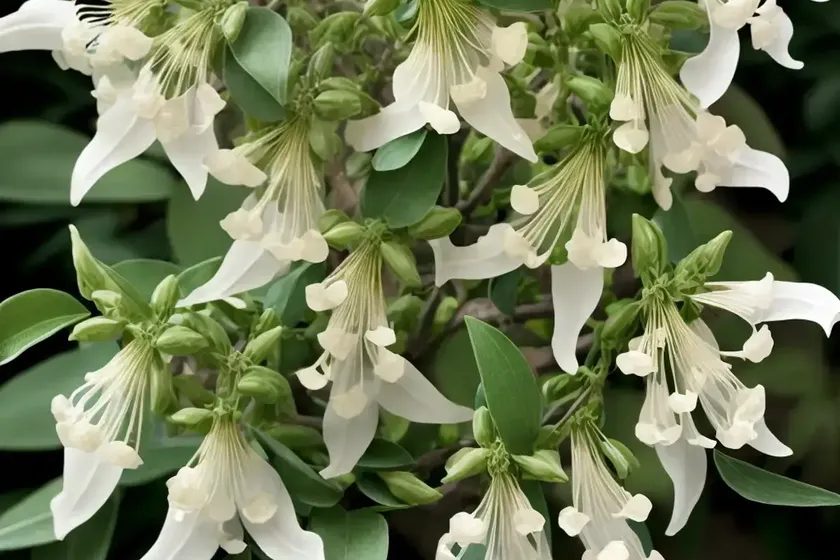
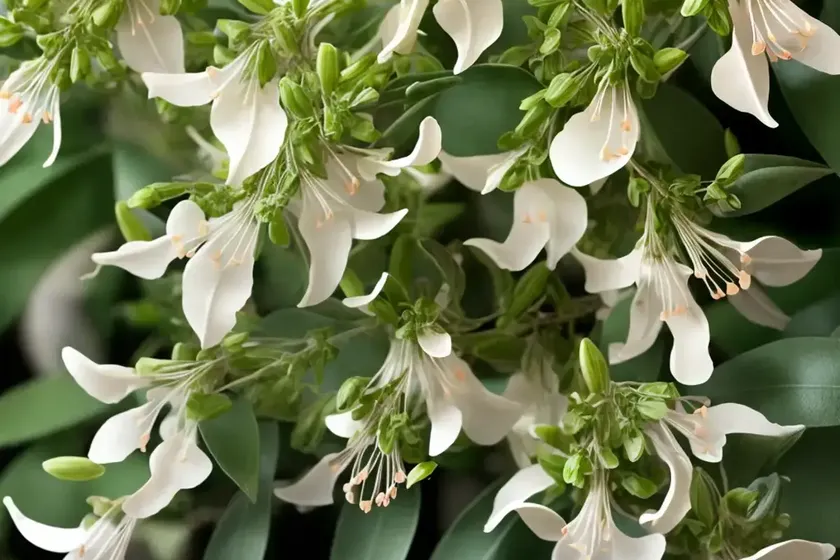
Garden Ornament: The vibrant, coral-red flowers of the Trumpet Honeysuckle make it a striking presence in garden borders, along fences, and on trellises. Its trailing vine habit lends itself well to vertical gardening, where it can cascade gracefully in outdoor spaces.
Wildlife Attraction: Lonicera sempervirens ‘Blanche Sandman’ is a valuable addition to wildlife gardens, as its nectar-rich flowers attract hummingbirds, butterflies, and bees. By supporting pollinators, it contributes to the overall biodiversity of the environment.
Erosion Control: Due to its trailing growth habit and ability to spread, Trumpet Honeysuckle can be utilized for erosion control in certain landscapes, helping to stabilize soil on slopes and embankments.
Container Planting: The compact nature of this variety makes it suitable for container gardening, allowing individuals with limited outdoor space to enjoy its beauty on patios, balconies, and terraces.
Water
Proper watering is crucial for the health and vitality of Lonicera sempervirens ‘Blanche Sandman.’ While this plant exhibits some tolerance to dry conditions once established, consistent moisture is important, particularly during the initial establishment phase and in prolonged periods of drought. Here are some guidelines for watering the Trumpet Honeysuckle:
Initial Establishment: Newly planted Lonicera sempervirens ‘Blanche Sandman’ should receive regular watering to encourage root establishment. This is especially important during the first growing season, as the plant acclimates to its new environment. Keep the soil consistently moist but not waterlogged.
Established Plants: Once the plant is established, it can tolerate dry spells and is relatively drought-tolerant. However, regular watering is still beneficial, especially during extended periods of hot and dry weather. Be attentive to the soil moisture and provide supplemental irrigation as needed.
Watering Frequency: The frequency of watering can vary depending on local climate conditions, soil type, and the presence of mulch. Monitor the soil moisture regularly and adjust watering frequency accordingly.
Sunlight
Proper sunlight exposure is essential for robust growth and abundant flowering in Lonicera sempervirens ‘Blanche Sandman.’ As a species native to North America, this variety of Trumpet Honeysuckle exhibits excellent adaptability to different light conditions. Here are some considerations for sunlight exposure:
Full Sun: Lonicera sempervirens ‘Blanche Sandman’ thrives in full sun, where it receives at least 6-8 hours of direct sunlight per day. In such conditions, the plant tends to produce more profuse blooms and maintains a compact, well-branched growth habit.
Partial Shade: While the plant prefers full sun, it can tolerate partial shade, especially in regions with intense afternoon sun or during periods of extreme heat. In partial shade, it may exhibit slightly fewer flowers, but overall growth and vigor are maintained.
Sheltered Locations: In areas with scorching summer temperatures or strong winds, providing some degree of shelter or dappled shade can help protect Lonicera sempervirens ‘Blanche Sandman’ from potential stress. Consider situating the plant where it can benefit from gentle morning sun and filtered light in the afternoon.
Fertilizer
Appropriate fertilization can enhance the growth, flowering, and overall health of Lonicera sempervirens ‘Blanche Sandman.’ While this variety does not have excessive fertility needs, providing some nutritional support can promote its vitality. Consider the following guidelines for fertilizing the Trumpet Honeysuckle:
Organic Matter: Prior to planting, incorporate organic matter such as compost or well-rotted manure into the soil to improve its fertility and structure. This can provide a nutrient-rich foundation for the plant’s initial growth.
Slow-Release Fertilizer: Once established, Lonicera sempervirens ‘Blanche Sandman’ benefits from a balanced, slow-release fertilizer applied in spring. Look for a formulation with an NPK ratio suited for flowering plants, and follow the manufacturer’s recommendations for application rates.
Granular Application: Apply the fertilizer evenly around the base of the plant, taking care to avoid direct contact with the stems and foliage. Water the area thoroughly after fertilization to facilitate nutrient uptake.
Avoid Excess Nitrogen: While a moderate level of nutrients supports healthy growth, excessive nitrogen can lead to lush foliage at the expense of flowering. Choose a fertilizer with a balanced nutrient profile to ensure the plant’s overall well-being.
Soil
Understanding the soil preferences of Lonicera sempervirens ‘Blanche Sandman’ is crucial for establishing a suitable growing environment. This plant thrives in well-draining soil with adequate fertility and pH levels conducive to its growth. Consider the following aspects of soil management for the Trumpet Honeysuckle:
Well-Draining Soil: Trumpet Honeysuckle prefers soil that drains well, avoiding prolonged waterlogging that can lead to root rot and other issues. Amend heavy clay soils with organic matter or perlite to improve drainage and create a more hospitable root environment.
Moisture Retention: While well-draining, the soil should also have the capacity to retain some moisture, especially during the summer months. Mulching around the base of the plant can help conserve soil moisture and provide a stable, insulating layer for the roots.
pH Level: Lonicera sempervirens ‘Blanche Sandman’ thrives in slightly acidic to neutral soil with a pH range of 6.0 to 7.0. Conduct a soil test to determine the pH of the planting area and make adjustments if necessary by incorporating lime to raise pH or elemental sulfur to lower it.
Fertility: Prior to planting, consider enriching the soil with organic matter to enhance its fertility and nutrient content. Composted materials, well-rotted manure, or commercial organic soil amendments can boost the soil’s overall quality and beneficial microbial activity.
Pruning
Pruning is an essential aspect of maintaining the health, shape, and flowering performance of Lonicera sempervirens ‘Blanche Sandman.’ Proper pruning practices can help manage the plant’s growth, remove unwanted or damaged growth, and stimulate robust flowering. Consider the following guidelines for pruning the Trumpet Honeysuckle:
Spring Pruning: In early spring, assess the plant for any dead, damaged, or crossing branches and remove them to promote a healthy framework. Additionally, trim back any overly long or straggly growth to encourage a more compact and well-branched form.
Deadheading: After the initial flush of flowering, Lonicera sempervirens ‘Blanche Sandman’ benefits from deadheading, which involves removing spent flowers to encourage further blooming. Use clean, sharp pruners to snip off the faded blooms, taking care not to damage the emerging buds.
Rejuvenation Pruning: Over time, the plant may develop woody, unproductive growth at its base. To rejuvenate an older Trumpet Honeysuckle or manage its size, consider performing rejuvenation pruning by cutting back the stems to within a foot of the ground in late winter or early spring.
Regular Maintenance: Throughout the growing season, monitor the plant for any errant growth or diseased sections that may need attention. Regular maintenance pruning, as needed, helps maintain the plant’s shape and health.
Propagation
For those interested in propagating Lonicera sempervirens ‘Blanche Sandman’ to expand the presence of this delightful plant in their landscapes, several methods can be employed. The following are common propagation techniques for the Trumpet Honeysuckle:
Seeds: Collect mature seeds from the plant’s ripe berries and sow them in a well-prepared seedbed or individual containers. Keep the soil consistently moist and provide bright, indirect light during the germination process. Once established, the seedlings can be transplanted to their permanent locations.
Softwood Cuttings: Take softwood cuttings from vigorous, actively growing shoots of the plant in late spring or early summer. Dip the cut ends in rooting hormone and insert them into a soilless propagation medium. Provide the appropriate warmth and humidity for root development, and transplant the rooted cuttings as they mature.
Layering: Layering is a method of propagating the Trumpet Honeysuckle by encouraging roots to form on a low-growing stem while it is still attached to the mother plant. Once the layering stem has developed sufficient roots, it can be severed and transplanted as a new individual.
Division: As the plant matures, it may develop multiple stems arising from the base. These can be carefully divided in early spring to create new plants, each with a portion of the root system. Replant the divisions promptly to minimize transplant shock.
Container Popularity
Due to its compact nature and trailing growth habit, Lonicera sempervirens ‘Blanche Sandman’ is well-suited for container cultivation. For individuals with limited outdoor space or those seeking to enhance their patios, balconies, or other urban environments, this plant offers an attractive and wildlife-friendly option for container gardening.
Choosing the Right Container: Select a container that provides adequate space for the plant’s roots to spread and grow. Opt for a sturdy, well-draining container with ample drainage holes to prevent waterlogging.
Potting Medium: Use a high-quality potting mix formulated for outdoor container plants. Look for a mix that provides good drainage while retaining sufficient moisture and nutrients for the plant.
Placement: Position the container in a location that receives ample sunlight, ideally at least 6-8 hours of direct sun per day. Consider situating it where the plant can trail gracefully over the edges of the container or climb a trellis or support.
Watering and Maintenance: Container-grown Lonicera sempervirens ‘Blanche Sandman’ may require more frequent watering than plants in the ground, as containers tend to dry out more rapidly. Be attentive to the soil moisture and water as needed to maintain consistent, even moisture levels.
Overwintering: In regions with cold winter temperatures, containers of Trumpet Honeysuckle can be overwintered by providing insulation or moving them to a sheltered location. Protecting the root zone from extreme cold is crucial for the plant’s survival.
Wildlife Attraction: Even in a container setting, Lonicera sempervirens ‘Blanche Sandman’ can attract hummingbirds and beneficial insects, adding vitality and natural beauty to outdoor spaces.
Common Diseases and Pests
Like any plant, Lonicera sempervirens ‘Blanche Sandman’ is susceptible to certain diseases and pests that can affect its health and vigor. Recognizing these potential challenges and taking proactive measures can help maintain the plant’s well-being. Here are some common issues to be aware of:
Disease Diagnosis
-
Powdery Mildew: This fungal disease can manifest as powdery, white patches on the foliage, leading to reduced photosynthesis and vigor. Providing good air circulation and avoiding overhead watering can help prevent powdery mildew.
-
Leaf Spot: Various fungal and bacterial pathogens can cause leaf spots on Lonicera sempervirens ‘Blanche Sandman.’ Look for circular or irregular lesions on the leaves, which may be accompanied by yellowing or browning. Promptly remove and dispose of affected plant material to reduce the spread of leaf spot.
-
Root Rot: Overly wet conditions or poorly draining soil can lead to root rot, characterized by wilting, yellowing foliage, and a foul odor associated with decaying roots. Adjust irrigation practices and improve soil drainage to prevent root rot.
-
Botrytis Blight: Also known as gray mold, botrytis blight can affect the flowers and foliage of the plant, causing a fuzzy gray mold to develop. Remove affected plant parts and ensure proper air circulation to minimize the risk of botrytis blight.
Common Pests
-
Aphids: These small, sap-sucking insects can congregate on the tender new growth of Lonicera sempervirens ‘Blanche Sandman,’ causing distortion of the leaves and the secretion of sticky honeydew. Monitor the plant regularly and use insecticidal soap or horticultural oil to manage aphids if their populations become problematic.
-
Spider Mites: Spider mites are tiny arachnids that can infest the undersides of the plant’s leaves, causing stippling and webbing. Hose the plant down regularly and use insecticidal sprays to control spider mite populations.
-
Scale Insects: Scale insects can attach themselves to the stems and leaves of the plant, feeding on plant sap and causing yellowing and wilting. Use horticultural oil or insecticidal soap to target scale insects and reduce their numbers.
Integrated Pest Management (IPM)
Implementing an integrated approach to pest and disease management is key to maintaining the health and ecological balance of Lonicera sempervirens ‘Blanche Sandman.’ Integrated Pest Management (IPM) includes cultural, mechanical, and biological control methods to minimize the reliance on chemical interventions.
-
Cultural Practices: Maintaining overall plant health through proper watering, fertilization, and pruning practices can enhance the plant’s ability to resist pests and diseases.
-
Mechanical Control: Handpicking pests such as aphids or removing infected plant material can help reduce pest populations and prevent the spread of diseases.
-
Biological Control: Introducing beneficial predators and parasites that target specific pests, such as ladybugs for aphid control, can contribute to natural pest management without harming beneficial insects.
-
Selective Pesticide Use: If chemical control is deemed necessary, select targeted pesticides with minimal impact on non-target organisms and follow the labeled instructions for application and safety.
Botanist’s Tips
As a plant scientist with a deep appreciation for the ecological and horticultural value of Lonicera sempervirens ‘Blanche Sandman,’ I offer the following tips for successfully cultivating and enjoying this remarkable species:
-
Promote Wildlife Habitat: Embrace the plant’s role in supporting local wildlife by incorporating it into pollinator gardens, wildlife habitats, and naturalistic landscapes. Its nectar-rich flowers and trailing habit can bring vibrancy and life to the outdoor environment.
-
Training and Support: Provide a sturdy trellis, arbor, or other support for the vine to climb, allowing it to showcase its elegant trailing and climbing characteristics. Regularly guide the growing vines to encourage a visually appealing display.
-
Mulching Benefits: Apply a layer of organic mulch around the base of the plant to conserve soil moisture, suppress weed growth, and provide insulation for the root system. Mulching also contributes to the overall health of the soil ecosystem.
-
Observation and Enjoyment: Take the time to observe and appreciate the interactions between Lonicera sempervirens ‘Blanche Sandman’ and the wildlife it attracts. Whether it’s the sight of hummingbirds sipping nectar from the flowers or the gentle flutter of butterflies, the plant offers opportunities for meaningful connections with nature.
-
Monitoring and Maintenance: Regularly monitor the plant for signs of pests, diseases, or growth irregularities. Address any issues promptly to prevent them from escalating and impacting the plant’s vitality.
-
Educational Opportunities: Use the plant as a point of interest for educational outreach, highlighting its value for pollinators, its native habitat, and its role in sustainable landscape design. Share its ecological importance with others to foster a wider appreciation for native plant species.