Plant Profile: Lonicera periclymenum ‘Serotina’ (Late Dutch Honeysuckle)
Introduction
Lonicera periclymenum ‘Serotina’ is a delightful and versatile plant that is favored by many gardeners due to its stunning late-blooming flowers and sweet fragrance. Also known as Late Dutch Honeysuckle, this cultivar is a popular choice in gardens and landscapes, adding beauty, fragrance, and even wildlife attraction. In this comprehensive guide, we will delve into the key characteristics, cultivation techniques, uses, and care tips for Lonicera periclymenum ‘Serotina’, also providing valuable insights for both novice and experienced gardeners.
Key Takeaways
- Plant Name: Lonicera periclymenum ‘Serotina’ (Late Dutch Honeysuckle)
- Family: Caprifoliaceae
- Common Names: Late Dutch Honeysuckle, Late-blooming Dutch Honeysuckle, Serotina Honeysuckle, Perfumed Honeysuckle, and more
- Hardiness Zone: 4-9
- Mature Height: 10-15 feet
- Exposure: Full sun to partial shade
- Bloom Time: Late spring to early summer
- Soil: Well-drained, moist soil
- Watering: Regular watering, especially during dry spells
- Pruning: Prune to shape and to remove dead wood
Plant Description
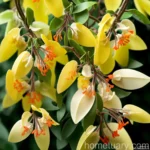
Lonicera periclymenum ‘Serotina’ is a deciduous, twining vine that blooms in late spring, producing an abundance of fragrant flowers that continue into early summer. The plant features oval, dark green leaves and clusters of tubular, two-lipped, cream to pink flowers that emit a sweet, heady fragrance, attracting bees, butterflies, and hummingbirds. The flowers provide a striking contrast against the foliage, making this honeysuckle cultivar a visually appealing addition to any garden or landscape.
Culture
Uses
Ornamental Value
Lonicera periclymenum ‘Serotina’ is primarily grown for its ornamental value. The late-blooming flowers and sweet fragrance make it a popular choice for garden trellises, fences, and pergolas, where its twining nature and beautiful blooms can be showcased.
Wildlife Attraction
The flowers of ‘Serotina’ Honeysuckle are known to attract various pollinators, including bees, butterflies, and hummingbirds, making it a valuable addition to wildlife-friendly gardens.
Water
Proper watering is crucial for the health and vigor of Lonicera periclymenum ‘Serotina’. It thrives in consistently moist soil but is susceptible to root rot in waterlogged conditions. Therefore, it is important to provide regular watering, especially during dry spells, to keep the soil evenly moist but not waterlogged.
Sunlight
Late Dutch Honeysuckle prefers full sun to partial shade. While it can tolerate partial shade, it blooms more profusely and has denser foliage when grown in full sun.
Soil
Lonicera periclymenum ‘Serotina’ thrives in well-drained, fertile soil with a slightly acidic to neutral pH. It is important to ensure that the soil is rich in organic matter to support the plant’s growth and blooming.
Fertilizer
Late Dutch Honeysuckle generally does not require heavy fertilization if planted in nutrient-rich soil. However, if the plant shows signs of nutrient deficiency, a balanced, slow-release fertilizer can be applied in early spring before new growth emerges. Avoid over-fertilizing as it can result in excessive foliage growth at the expense of flowering.
Pruning
Regular pruning is essential for maintaining the shape, size, and vigor of Lonicera periclymenum ‘Serotina’. Pruning should be done in late winter or early spring before the new growth emerges. The following are key pruning techniques for ‘Serotina’ Honeysuckle:
– Remove Dead or Diseased Wood: Prune out any dead or diseased wood to promote overall plant health.
– Shape and Control Growth: Prune to shape the plant and to control its growth, especially if it becomes unruly or outgrows its space.
– Encourage Flowering: Prune lightly after the blooming period to encourage more robust flowering in the following year.
Propagation
Late Dutch Honeysuckle can be propagated using several methods including:
– Softwood Cuttings: Softwood cuttings taken in early summer can be rooted in a moist, well-draining potting mix to propagate new plants.
– Layering: Air layering or simple layering can also be used to propagate Lonicera periclymenum ‘Serotina’ by encouraging the development of new roots on a stem while it is still attached to the parent plant.
– Division: The plant can be divided during the dormant season, with each division consisting of a portion of the root system and attached stems.
Container Popularity
Lonicera periclymenum ‘Serotina’ is well-suited for growing in containers, making it an excellent choice for balconies, patios, and urban gardens where space may be limited. Its trailing and climbing habit allows it to thrive in large containers with a trellis or support for the vines to climb.
Container Common Diseases
While Late Dutch Honeysuckle is generally resistant to many pests and diseases, it may occasionally encounter the following issues when grown in containers:
– Powdery Mildew: High humidity and poor air circulation can lead to the development of powdery mildew on the foliage, causing a white, powdery coating and potential damage to the plant if left untreated.
– Root Rot: Overly wet conditions in container-grown plants can result in root rot, which manifests as yellowing leaves, wilting, and overall decline of the plant.
Disease Diagnosis
Powdery Mildew
Powdery mildew is characterized by a fuzzy, white growth on the leaves and stems of the plant. It can lead to distorted growth, yellowing of leaves, and premature leaf drop. Proper diagnosis is essential to differentiate powdery mildew from other diseases or environmental stress factors.
Root Rot
Root rot often presents as wilting, yellowing foliage, and overall decline in the plant’s health. Upon inspection, affected roots may appear dark, mushy, and have a foul odor. It is important to diagnose root rot accurately to implement appropriate intervention measures.
Common Pests
Lonicera periclymenum ‘Serotina’ is relatively resistant to pest infestations. However, it may occasionally be affected by:
– Aphids: These small, sap-sucking insects can cluster on the tender shoots and buds, causing distorted growth and excreting honeydew, which can lead to the growth of sooty mold.
– Spider Mites: Spider mites are common pests of honeysuckle, particularly in hot, dry conditions. They feed on the plant’s sap, causing stippling, yellowing, and premature leaf drop.
Botanist’s Tips
- Plant in Well-Drained Soil: Ensure that Lonicera periclymenum ‘Serotina’ is planted in well-drained soil to prevent waterlogging, which can lead to root rot and other issues.
- Regular Pruning: Regular pruning not only helps maintain the plant’s shape and size, but also encourages enhanced flowering and overall vigor.
- Monitor for Pests and Diseases: Regularly inspect the plant for signs of pests and diseases, particularly during periods of high humidity and hot, dry conditions.
Fun Facts
- The flowers of Lonicera periclymenum ‘Serotina’ are known for their intoxicating fragrance, which is especially potent during the evening, attracting nighttime pollinators such as moths.
- While the blooms are stunning and fragrant, Late Dutch Honeysuckle also produces red berries that are toxic if ingested, making it important to exercise caution around children and pets.
Links to External Resources
To further explore the world of Lonicera periclymenum ‘Serotina’ and delve deeper into its cultivation, uses, and care, consider consulting the following resources:
- Royal Horticultural Society – Late Dutch Honeysuckle
- Missouri Botanical Garden – Lonicera periclymenum ‘Serotina’
- North Carolina State University Extension – Honeysuckle (Lonicera spp.)
In conclusion, Lonicera periclymenum ‘Serotina’ (Late Dutch Honeysuckle) is a captivating plant that offers not only visual beauty but also a delightful fragrance and potential wildlife attraction. With the right cultivation practices and care, this honeysuckle cultivar can thrive and bring joy to any garden or landscape. Whether grown in containers or as a climbing vine, it is important to provide the appropriate growing conditions, regular maintenance, and vigilant pest and disease management to ensure the plant’s health and longevity. By understanding the unique characteristics and requirements of Lonicera periclymenum ‘Serotina’, gardeners can create a thriving and visually stunning display, enhancing their outdoor spaces with the charm of this late-blooming Dutch honeysuckle.
Remember to explore the provided external resources for additional insights and guidance on cultivating and caring for Lonicera periclymenum ‘Serotina’. Happy gardening!