Lonicera ‘Mandarin’ (Honeysuckle)
Lonicera ‘Mandarin’ is a beautiful and fragrant variety of honeysuckle that is popular among gardeners for its vibrant blooms and sweet scent. This.
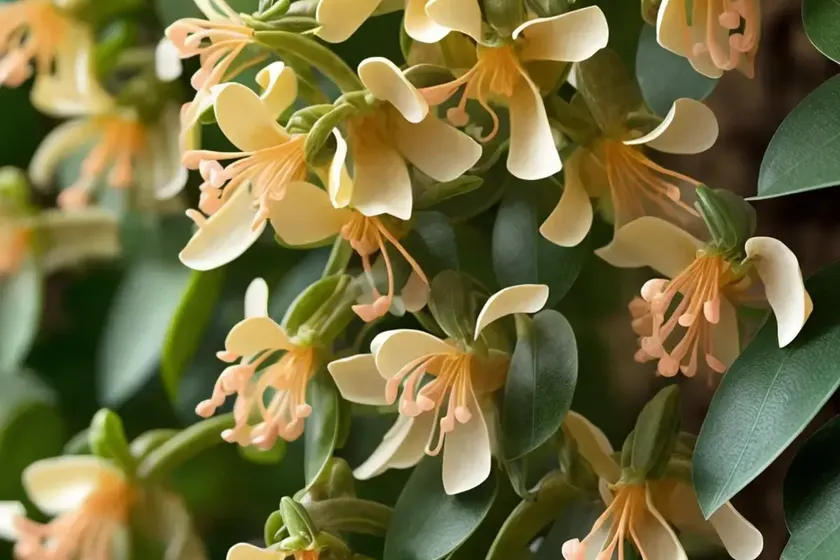
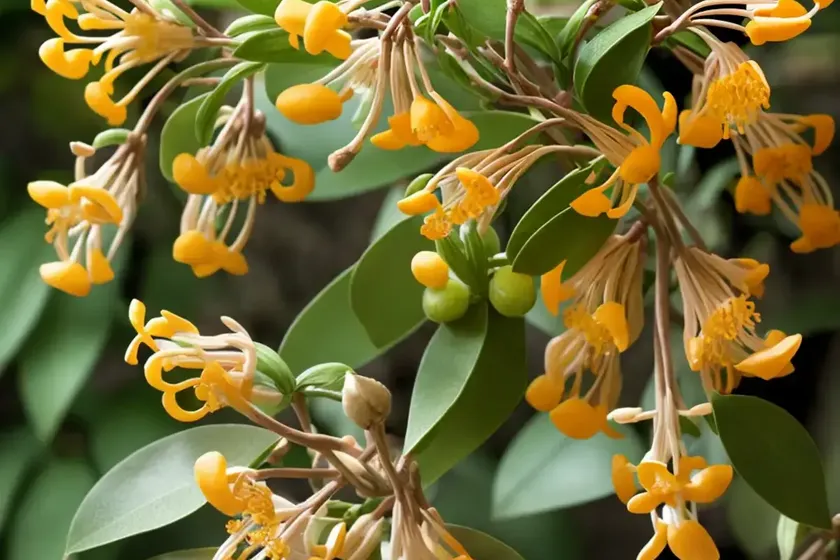
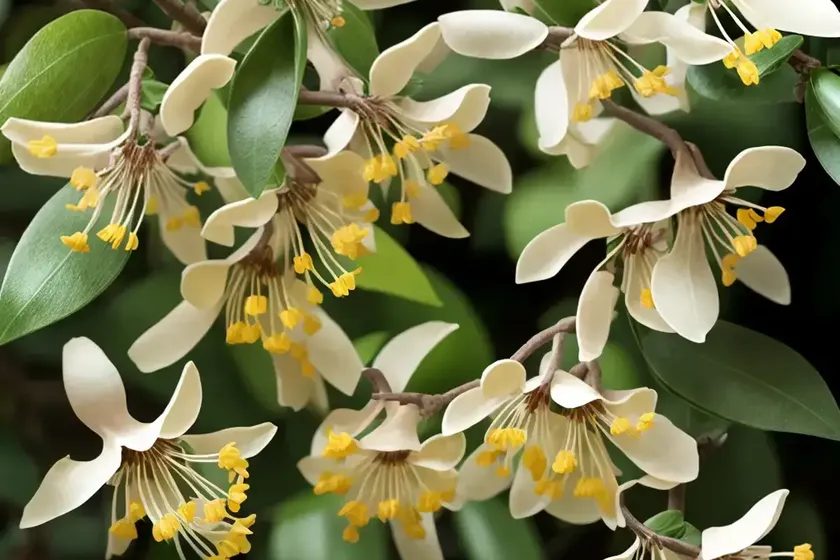
Lonicera ‘Mandarin’ is a beautiful and fragrant variety of honeysuckle that is popular among gardeners for its vibrant blooms and sweet scent. This cultivar, known for its attractive appearance and low maintenance requirements, is a delightful addition to any garden or landscape. In this comprehensive guide, we will delve into the characteristics of Lonicera ‘Mandarin’, its cultural significance, and essential care and cultivation practices to help you successfully grow and enjoy this stunning plant.
What is Lonicera ‘Mandarin’ (Honeysuckle)?
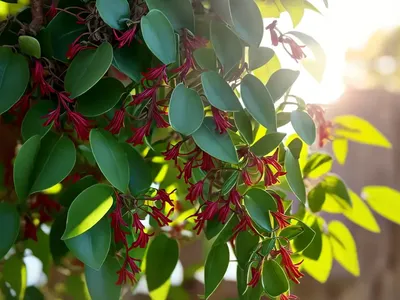
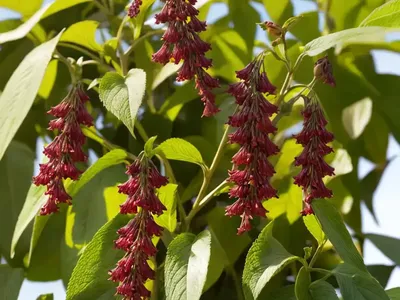
Lonicera ‘Mandarin’ is a cultivar of the Lonicera genus, commonly referred to as honeysuckle. This particular variety is celebrated for its vigorous growth habit, vibrant orange and red blooms, and intoxicating fragrance, making it a popular choice for ornamental purposes. With its twining vines and striking flowers, Lonicera ‘Mandarin’ is often used to adorn trellises, fences, and arbors, adding charm and allure to outdoor spaces.
Key Takeaways – Lonicera ‘Mandarin’ (Honeysuckle)
Before we delve into the details of caring for Lonicera ‘Mandarin’, let’s take a quick look at some key takeaways about this delightful plant.
- Scientific Name: Lonicera ‘Mandarin’
- Common Name: Mandarin Honeysuckle
- Characteristics: Vigorous growth, vibrant orange and red flowers, sweet fragrance
- Cultural Uses: Ornamental, fragrance, wildlife attraction
- Preferred Sunlight: Full sun to partial shade
- Watering Requirements: Regular watering, well-drained soil
- Soil Preferences: Rich, moist, well-draining soil
- Pruning: Annual pruning to maintain shape and promote flowering
- Propagation: Propagate through softwood cuttings or layering
- Container Gardening: Suitable for containers with proper support
- Popularity: Widely appreciated for its beauty and fragrance
- Common Diseases: Powdery mildew, leaf spot
- Common Pests: Aphids, spider mites
Now, let’s explore each of these aspects in detail to understand how to care for and cultivate Lonicera ‘Mandarin’ effectively.
Culture
Uses
Lonicera ‘Mandarin’ is primarily cultivated for its ornamental value. Its vibrant blooms and sweet fragrance make it a favorite among gardeners for beautifying landscapes, attracting wildlife, and adding a delightful scent to outdoor spaces.
Water
Proper watering is essential for the health and vitality of Lonicera ‘Mandarin’. While it appreciates regular watering, it is crucial to ensure that the soil has good drainage to prevent waterlogging, which can lead to root rot.
- Watering Frequency: Water deeply once or twice a week, depending on the weather and soil moisture levels.
- Self-Watering Containers: In container gardening, consider using self-watering containers to maintain consistent soil moisture levels.
Sunlight
Lonicera ‘Mandarin’ thrives in full sun to partial shade. When choosing a planting location, ensure that the plant receives adequate sunlight to support healthy growth and abundant flowering.
- Sun Exposure: Place the plant in a location where it receives at least 6 hours of sunlight per day.
- Partial Shade: If planting in a region with intense sunlight, partial shade during the hottest part of the day can be beneficial.
Fertilizer
Proper fertilization plays a crucial role in supporting the growth and flowering of Lonicera ‘Mandarin’. Applying a balanced fertilizer at the right time can enhance the plant’s overall health and blooming capacity.
- Fertilizer Type: Use a well-balanced, slow-release fertilizer formulated for flowering vines.
- Fertilization Schedule: Apply fertilizer in early spring before new growth appears, and once again in mid-summer to support flowering.
Soil
The soil conditions significantly impact the growth and development of Lonicera ‘Mandarin’. Providing the right soil environment ensures that the plant can access essential nutrients and moisture for robust growth and prolific flowering.
- Soil Type: Well-draining, fertile soil with a slightly acidic to neutral pH is ideal.
- Amendments: Incorporate organic matter such as compost or well-rotted manure when planting to improve soil structure and fertility.
Pruning
Proper pruning is essential to maintain the shape, control the size, and promote flowering in Lonicera ‘Mandarin’. By following the right pruning techniques, you can ensure that the plant remains healthy and visually appealing.
- Timing: Prune in late winter to early spring, before the onset of new growth.
- Techniques: Remove dead, diseased, or overcrowded branches. Trim back excessive growth to maintain the desired shape.
Propagation
Propagating Lonicera ‘Mandarin’ allows you to multiply the plant and expand its presence in your garden. Softwood cuttings and layering are common methods used for propagating this cultivar.
- Softwood Cuttings: Take 4-6 inch cuttings from healthy, young stems in early summer. Dip the cut ends in rooting hormone and plant in a well-draining rooting medium.
- Layering: Choose a healthy, flexible stem and bend it to the ground, securing it with a U-shaped stake. The buried portion should be treated with rooting hormone to promote root development.
Container Popularity
Lonicera ‘Mandarin’ is well-suited for container gardening, allowing individuals with limited garden space to enjoy the beauty and fragrance of this delightful plant. When grown in containers, it is essential to provide adequate support for its climbing vines and ensure proper watering and fertilization.
- Container Size: Use a large container to accommodate the plant’s vigorous growth and extensive root system.
- Support Structure: Add a trellis or other support structure to guide the plant’s climbing vines and create an attractive display.
- Drainage: Ensure that the container has sufficient drainage holes to prevent waterlogging.
Common Diseases
Emphasizing good cultural practices and vigilant monitoring can help minimize the risk of diseases in Lonicera ‘Mandarin’. However, being aware of common diseases and their symptoms is crucial for timely intervention and management.
Disease Diagnosis
- Powdery Mildew: Look for white, powdery spots on the leaves and stems, often accompanied by leaf distortion.
- Leaf Spot: Monitor for circular, dark spots with yellow halos on the foliage, signaling the presence of leaf spot disease.
Common Pests
Several pests can affect the health and appearance of Lonicera ‘Mandarin’. Regular inspection and early pest detection are essential for implementing control measures and preventing infestations.
- Aphids: These small, soft-bodied insects cluster on the undersides of leaves and can cause stunted growth and deformities in the plant.
- Spider Mites: These tiny pests feed on plant juices, leading to yellowing leaves and webbing on the foliage.
Botanist’s Tips
- When planting Lonicera ‘Mandarin’, consider positioning it near outdoor seating areas to enjoy its sweet fragrance while relaxing in the garden.
- Regularly inspect the plant for signs of pests and diseases, especially during the growing season, to address potential issues promptly.
- To encourage a bushier growth habit, pinch back the growing tips during the early stages of growth.
Fun Facts
- The nectar of Lonicera ‘Mandarin’ flowers is known to attract hummingbirds and butterflies, adding to the wildlife appeal of this charming plant.
- In some cultures, honeysuckle flowers are used to make fragrant teas and herbal infusions, known for their calming and soothing properties.
Links to External Resources
To further delve into the world of Lonicera ‘Mandarin’ and honeysuckles in general, you may find the following external resources valuable:
- Planting and Caring for Honeysuckles
- Identifying and Treating Common Honeysuckle Diseases
- Attracting Wildlife to Your Garden with Honeysuckles
With the insights provided in this comprehensive guide, you are well-equipped to unleash the beauty and charm of Lonicera ‘Mandarin’ (Honeysuckle) in your garden or landscape. By applying the recommended care and cultivation practices, you can nurture this delightful plant, revel in its vibrant blossoms and sweet fragrance, and create an enchanting outdoor haven for yourself and local wildlife. Happy gardening!