Lonicera Caerulea ‘Borealis’ (Honeyberry)
Lonicera caerulea ‘Borealis’, commonly known as Honeyberry, is a fascinating and relatively lesser-known plant that is gaining popularity among gardeners.
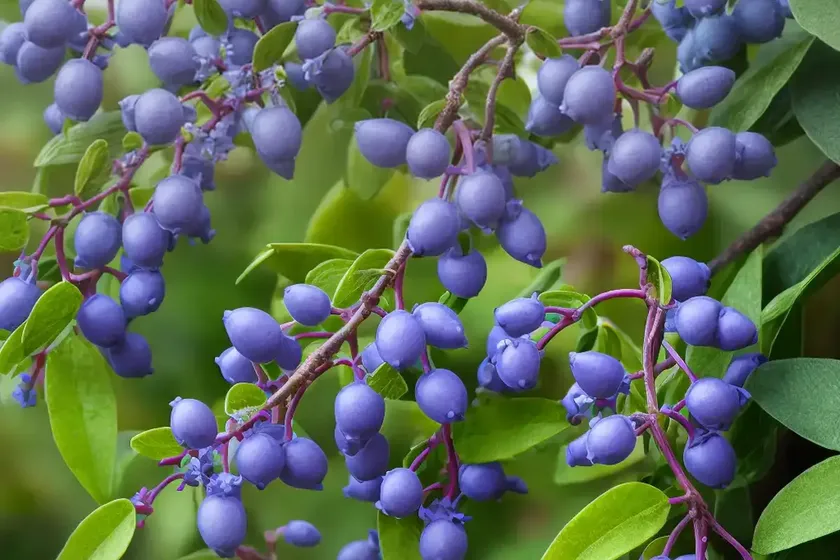
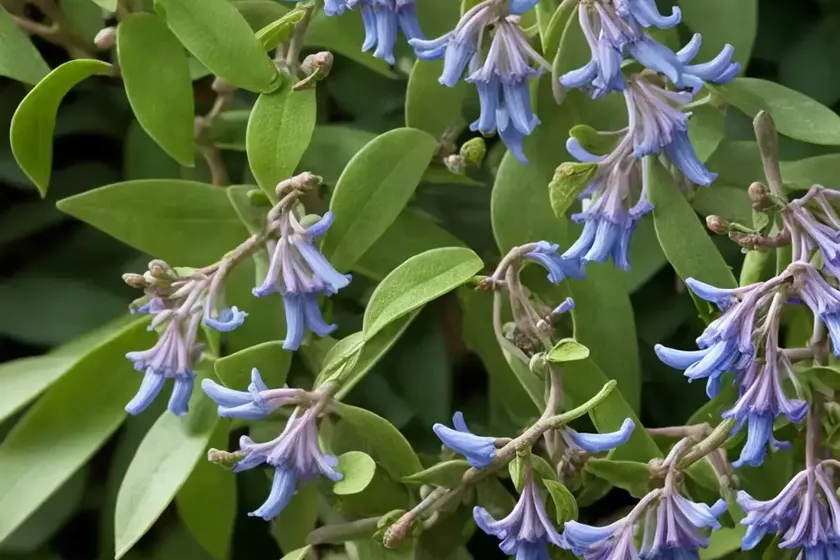
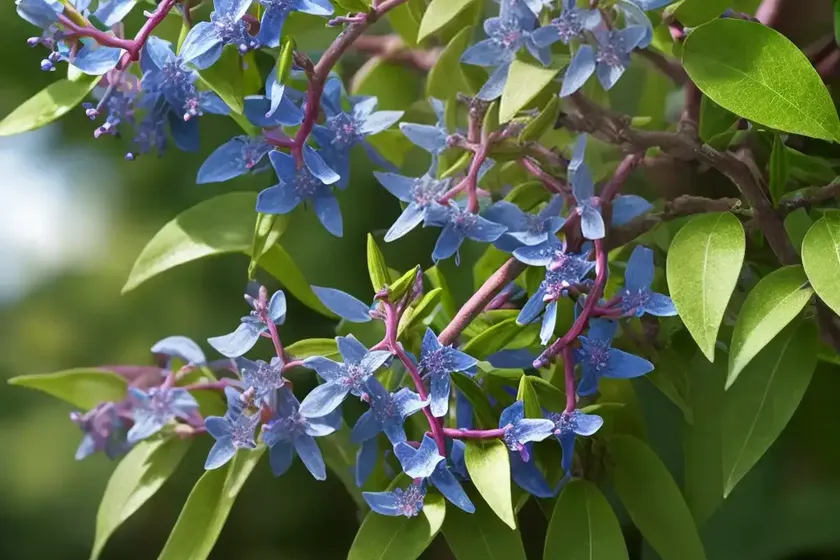
Lonicera caerulea ‘Borealis’, commonly known as Honeyberry, is a fascinating and relatively lesser-known plant that is gaining popularity among gardeners and fruit enthusiasts. This resilient and cold-hardy shrub offers not only delicious and nutritious berries but also various ecological benefits. In this comprehensive guide, we will delve into the cultivation, care, and uses of the Lonicera caerulea ‘Borealis’, providing valuable insights for both novice and experienced growers.
What is Lonicera caerulea ‘Borealis’ (Honeyberry)?
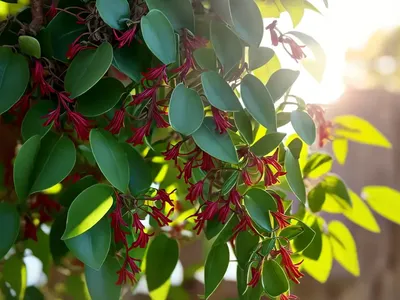
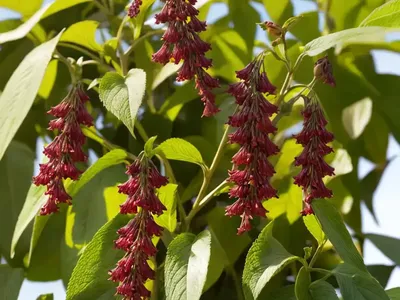
Lonicera caerulea ‘Borealis’, a member of the Caprifoliaceae family, is a deciduous shrub native to the boreal forests of North America, Europe, and Asia. It is known for its blueberry-like fruits, which are characterized by a unique flavor profile and exceptional nutritional value. The plant typically reaches a height of 4-6 feet and features green foliage and delicate, tubular flowers. What sets the Honeyberry apart is its remarkable resilience to cold temperatures, making it an excellent choice for growers in cooler climates.
Key Takeaways – Lonicera caerulea ‘Borealis’ (Honeyberry)
- Plant Name: Lonicera caerulea ‘Borealis’ (Honeyberry)
- Family: Caprifoliaceae
- Hardiness: Zones 2-7
- Fruit Type: Berry
- Flavor: Unique, sweet-tart taste
- Nutritional Value: Rich in antioxidants and vitamin C
- Growth Habit: Deciduous shrub
- Pollination: Self-fertile but benefits from cross-pollination
- Soil Preference: Well-draining, slightly acidic soil
- Sunlight: Full sun to partial shade
- Pruning: Minimal pruning required
- Harvest Time: Late spring to early summer
- Common Pests: Aphids, spider mites
- Common Diseases: Powdery mildew, leaf spot
Now, let’s explore in detail the various aspects of cultivating and caring for Lonicera caerulea ‘Borealis’, including its cultural requirements, uses, and common pests and diseases.
Culture
Cultivating Lonicera caerulea ‘Borealis’ successfully involves understanding its specific cultural requirements, such as water, sunlight, soil, and fertilizer needs. By providing the right growing conditions, you can ensure the health and productivity of your Honeyberry plant.
Uses
The versatile Honeyberry plant offers a range of uses, from culinary applications to ecological benefits. Understanding its potential uses can help you maximize the benefits of cultivating this unique shrub.
Water
Proper irrigation is crucial for the health and productivity of Lonicera caerulea ‘Borealis’. Learn about its water requirements and best practices for watering to support optimal growth and fruiting.
Sunlight
Sunlight plays a vital role in the growth and fruiting of Honeyberry plants. Discover the sunlight requirements of Lonicera caerulea ‘Borealis’ and how to position it for success in your garden or orchard.
Fertilizer
Fertilization is an essential aspect of caring for Lonicera caerulea ‘Borealis’. Explore the fertilizer recommendations and strategies to ensure that your Honeyberry plant receives the nutrients it needs.
Soil
Understanding the soil preferences of Lonicera caerulea ‘Borealis’ is key to creating an optimal growing environment. Learn about the ideal soil conditions and amendments for cultivating thriving Honeyberry plants.
Pruning
Pruning plays a role in shaping the growth and productivity of Lonicera caerulea ‘Borealis’. Discover the techniques and timing for pruning this unique shrub to maintain its health and vigor.
Propagation
Expanding your Honeyberry plantings can be achieved through effective propagation methods. Explore the various propagation techniques for Lonicera caerulea ‘Borealis’ and how to propagate it successfully.
Container Popularity
The feasibility of growing Lonicera caerulea ‘Borealis’ in containers opens up opportunities for gardeners with limited space. Learn about the popularity of container gardening for Honeyberry plants and how to do it effectively.
Common Diseases and Pests
Lonicera caerulea ‘Borealis’ is susceptible to certain diseases and pests, which can impact its overall health and fruit production. Understanding and effectively managing these challenges is essential for successfully growing Honeyberry plants.
Disease Diagnosis
Identifying and addressing potential diseases affecting Lonicera caerulea ‘Borealis’ is crucial for maintaining the plant’s health and productivity. Learn about common diseases and how to diagnose and manage them effectively.
Common Pests
Pests can pose a threat to the well-being of your Honeyberry plants. Familiarize yourself with the common pests that affect Lonicera caerulea ‘Borealis’ and the strategies for pest management and prevention.
Botanist’s Tips
Insights from experienced botanists and growers can provide valuable guidance for cultivating and caring for Lonicera caerulea ‘Borealis’. Benefit from expert tips and best practices to optimize the success of your Honeyberry plants.
Fun Facts
Uncover intriguing and lesser-known facts about Lonicera caerulea ‘Borealis’, shedding light on its unique characteristics, historical significance, and ecological contributions.
Links to External Resources
Access additional information, resources, and expert insights on Lonicera caerulea ‘Borealis’ through reputable external sources. Expand your knowledge and discover new perspectives on growing and caring for Honeyberry plants.
With its distinctive flavor, nutritional benefits, and ecological value, Lonicera caerulea ‘Borealis’ presents an exciting opportunity for growers to explore and reap the rewards of cultivating this resilient and unique shrub.
In the following sections, we will delve into each aspect of growing and caring for Lonicera caerulea ‘Borealis’ in detail, providing practical guidance and expert tips to support your success in cultivating this remarkable plant.
What is Lonicera caerulea ‘Borealis’ (Honeyberry)?
Lonicera caerulea ‘Borealis’, commonly known as Honeyberry, is a deciduous shrub valued for its unique blueberry-like fruits and cold-hardy nature. Belonging to the Caprifoliaceae family, this plant is native to northern temperate regions and thrives in climates with cold winters and moderate summers.
Plant Characteristics
Lonicera caerulea ‘Borealis’ exhibits the following key characteristics:
- Height: Typically grows to a height of 4-6 feet
- Foliage: Green, oval-shaped leaves
- Flowers: Delicate, tubular flowers that appear in spring
- Fruit: Small, elongated berries with a sweet-tart flavor
The plant’s ability to tolerate extreme cold and its early fruiting season make it a valuable addition to gardens and orchards in cooler climates.
Honeyberry Varieties
Several varieties of Lonicera caerulea ‘Borealis’ are available, each with its unique traits and fruiting characteristics. Varied cultivars offer opportunities to explore different flavors and adaptability to specific growing conditions.
Benefits of Growing Honeyberry
Cultivating Lonicera caerulea ‘Borealis’ offers various benefits, including:
- Nutritional Value: Rich in antioxidants, vitamin C, and other essential nutrients
- Cold Tolerance: Thrives in cold climates and early spring frost
- Unique Flavor: Offers a distinct sweet-tart taste, setting it apart from traditional berry varieties
- Wildlife Support: Attracts pollinators and benefits local wildlife
Understanding the benefits of growing Honeyberry can inspire growers to explore its cultivation and incorporate it into diverse landscapes.
Lonicera caerulea ‘Borealis’ Cultivation
Successful cultivation of Lonicera caerulea ‘Borealis’ relies on meeting its specific growing requirements. From soil considerations to pollination needs, each aspect plays a crucial role in supporting the plant’s health, growth, and fruit production.
Soil Requirements
Honeyberry plants thrive in well-draining, slightly acidic soil. The ideal soil pH for Lonicera caerulea ‘Borealis’ ranges from 5.5 to 7.0, creating an environment conducive to root development and nutrient uptake.
Soil Characteristics for Honeyberry Cultivation:
| Aspect | Description |
|---|---|
| Soil Type | Loamy, well-draining soil is optimal for Lonicera caerulea ‘Borealis’, facilitating adequate moisture management. |
| pH Level | Slightly acidic soil with a pH of 5.5-7.0 supports the plant’s nutrient uptake and overall health. |
| Organic Matter Content | Incorporating organic matter into the soil enhances its fertility and provides essential nutrients for the plant. |
Adapting the soil to meet these characteristics can create an ideal growing environment for Honeyberry plants, promoting robust growth and fruit production.
Sunlight Requirements
Proper sunlight exposure is essential for the growth, flowering, and fruiting of Lonicera caerulea ‘Borealis’. The plant thrives in full sun to partial shade, where it can benefit from adequate light while also having some protection from intense midday sun.
Optimizing Sunlight Exposure for Honeyberry Plants:
- Full Sun: Providing at least 6-8 hours of direct sunlight supports robust growth and abundant fruiting.
- Partial Shade: Sheltering the plant from intense afternoon sun can be beneficial, particularly in hotter climates or during heatwaves.
Understanding the sunlight preferences of Lonicera caerulea ‘Borealis’ can guide the positioning of plants within the garden or orchard to optimize their performance.
Watering Lonicera caerulea ‘Borealis’
Proper watering is essential for establishing and maintaining healthy Honeyberry plants. While the water needs may vary based on environmental conditions, addressing the plant’s moisture requirements is crucial for supporting its growth and fruiting.
Effective Watering Practices for Honeyberry Plants:
- Establishment Period: Newly planted Lonicera caerulea ‘Borealis’ requires regular watering to support root establishment and initial growth.
- Moisture Monitoring: Regularly assess the soil moisture and adjust the watering frequency based on the plant’s needs and prevailing weather conditions.
- Mulching: Applying organic mulch around the base of the plant helps retain soil moisture and suppresses weed growth, contributing to the plant’s overall health.
Staying attentive to the plant’s water needs and providing consistent moisture support the development of thriving Honeyberry plants.
Fertilizing Honeyberry Plants
Supplemental fertilization can support the growth and fruiting of Lonicera caerulea ‘Borealis’, providing essential nutrients that may be lacking in the soil. Understanding the plant’s fertility needs and applying suitable fertilizers can optimize its overall health and productivity.
Fertilization Strategies for Honeyberry Cultivation:
- Soil Testing: Conducting a soil test helps identify any nutrient deficiencies and guides the selection of appropriate fertilizers for the plant.
- Balanced Fertilizer Application: Using a balanced, slow-release fertilizer formulated for fruit-bearing shrubs supports consistent growth and fruit development.
- Timing: Applying fertilizer in early spring and again in late spring or early summer provides the plant with the necessary nutrients at key stages of its growth cycle.
By addressing the specific fertility needs of Lonicera caerulea ‘Borealis’, growers can promote vigorous growth and a bountiful harvest of Honeyberries.
Pruning Lonicera caerulea ‘Borealis’
Proper pruning plays a role in shaping the growth, maintaining the health, and optimizing the fruiting of Lonicera caerulea ‘Borealis’. Understanding the principles and techniques of pruning can support the long-term vitality and productivity of the plant.
Key Aspects of Pruning Honeyberry Plants:
- Removal of Dead or Damaged Wood: Trimming away any dead or damaged branches promotes the plant’s overall health and reduces the risk of disease.
- Thinning for Air Circulation: Removing select branches facilitates air circulation within the canopy, reducing the likelihood of fungal diseases and promoting fruit ripening.
- Controlled Growth: Pruning can help manage the plant’s size and shape, contributing to an organized and productive growth habit.
Implementing appropriate pruning practices supports the structural integrity and vitality of Lonicera caerulea ‘Borealis’, leading to enhanced fruit production and overall plant health.
Propagating Honeyberry Plants
Expanding the presence of Lonicera caerulea ‘Borealis’ can be achieved through effective propagation methods. Whether for personal use or commercial production, understanding how to propagate Honeyberry plants is valuable for increasing their availability and diversity within landscapes.
Propagation Techniques for Lonicera caerulea ‘Borealis:
- Softwood Cuttings: Taking softwood cuttings from healthy, actively growing shoots and rooting them in a suitable medium can yield new Honeyberry plants.
- Division: Dividing mature Honeyberry plants to create new, genetically identical individuals offers a straightforward propagation method.
- Layering: Encouraging selected branches to develop roots while still attached to the parent plant enables the propagation of Lonicera caerulea ‘Borealis’ with minimal stress.
By employing effective propagation techniques, growers can expand their Honeyberry plantings and contribute to the availability of this unique and resilient shrub.
Growing Honeyberry in Containers
The suitability of Lonicera caerulea ‘Borealis’ for container cultivation offers opportunities for gardeners with limited outdoor space or those seeking to expand their edible landscapes. Understanding the specific considerations for growing Honeyberry in containers can open up new possibilities for incorporating this plant into diverse settings.
Container Gardening Tips for Honeyberry Plants:
- Pot Selection: Choosing a well-draining container with adequate depth and volume supports healthy root development and plant growth.
- Growing Medium: Selecting a high-quality, well-draining growing medium with appropriate fertility levels provides an optimal environment for container-grown Honeyberry plants.
- Positioning: Placing the containers in a location that receives sufficient sunlight while also offering protection from extreme heat or cold enhances the performance of the plants.
Container gardening with Lonicera caerulea ‘Borealis’ extends the potential for incorporating this unique shrub into a variety of outdoor spaces, from small urban gardens to larger patio and balcony settings.
Lonicera caerulea ‘Borealis’ is vulnerable to certain diseases and pests that can impact its health, growth, and fruit production. Recognizing the signs of common issues and understanding effective management and prevention strategies are crucial for supporting the well-being of Honeyberry plants.
Disease Diagnosis in Honeyberry Plants
Detecting and diagnosing potential diseases affecting Lonicera caerulea ‘Borealis’ is essential for implementing timely and targeted interventions to address the issues. Understanding the symptoms and causes of common diseases can guide effective disease management practices.
Common Diseases Affecting Honeyberry Plants
Lonicera caerulea ‘Borealis’ is susceptible to various diseases, including:
- Powdery Mildew: A fungal disease characterized by white, powdery growth on the foliage, affecting plant vigor and fruit quality.
- Leaf Spot: Fungal infections can lead to the development of dark spots on the leaves, potentially impacting the plant’s photosynthetic capacity and overall health.
Recognizing the signs of these and other potential diseases can prompt swift action to mitigate their impact and support the recovery of affected Honeyberry plants.
Disease Management and Prevention
Practices and interventions for managing and preventing diseases in Lonicera caerulea ‘Borealis’ include:
- Cultural Practices: Promoting overall plant health through proper watering, fertilization, and pruning can enhance the plant’s natural resistance to diseases.
- Sanitation: Removing and disposing of affected plant material, such as diseased leaves and branches, prevents the spread of pathogens within the planting area.
- Fungicidal Treatments: When necessary, applying targeted fungicidal treatments can help control existing disease issues and prevent their recurrence.
By integrating effective disease management and prevention strategies, growers can sustain the health and vitality of their Honeyberry plants, supporting consistent growth and fruit production.
Common Pests Affecting Lonicera caerulea ‘Borealis’
Pests can pose a threat to the well-being of Honeyberry plants, impacting their growth, foliage, and fruiting. Understanding the common pests affecting Lonicera caerulea ‘Borealis’ and implementing appropriate pest management strategies are essential for preserving the plant’s health and productivity.
Pests Affecting Honeyberry Plants
Lonicera caerulea ‘Borealis’ is susceptible to several pests, including:
- Aphids: Small, sap-feeding insects that can lead to distorted growth and foliage damage if left unmanaged.
- Spider Mites: These microscopic pests can cause stippling and discoloration on the leaves, compromising the plant’s overall vigor.
Recognizing the presence of these and other potential pests enables growers to take proactive measures to mitigate their impact and safeguard the health of Lonicera caerulea ‘Borealis’.
Pest Management and Prevention
Strategies for managing and preventing pests affecting Honeyberry plants include:
- Beneficial Insects: Introducing predatory insects, such as ladybugs and lacewings, can help control aphid populations and maintain pest balance.
- Horticultural Oils: Applying horticultural oils can effectively manage spider mite infestations while minimizing the impact on beneficial organisms and the environment.
- Cultural Practices: Regularly inspecting plants, promoting biodiversity, and maintaining garden hygiene contribute to pest prevention and minimize potential infestations.
By integrating effective pest management and prevention measures, growers can create an environment where Lonicera caerulea ‘Borealis’ can thrive, free from the detrimental effects of common pests.
Insights from experienced botanists and horticultural experts provide valuable guidance for cultivating and caring for Lonicera caerulea ‘Borealis’. Explore the following expert tips to enhance your understanding and approach to growing Honeyberry plants:
1. Site Selection
- Tip: Choose a planting site with well-draining soil and sufficient sunlight to support the vigorous growth and fruiting of Lonicera caerulea ‘Borealis’.
2. Cross-Pollination
- Tip: To maximize fruit production, consider planting multiple Honeyberry varieties to facilitate cross-pollination and increase overall yield.
3. Pruning Practices
- Tip: Minimal pruning is generally sufficient for Lonicera caerulea ‘Borealis’, focusing on the removal of dead or damaged wood and maintaining an open canopy for adequate air circulation.
4. Seasonal Care
- Tip: Adjust watering and fertilization practices based on seasonal changes, with extra attention during periods of active growth and fruit development.
5. Disease Monitoring
- Tip: Regularly monitor the foliage for signs of powdery mildew and leaf spot, addressing any issues promptly to prevent the spread