Lonicera Caerulea ‘Blue Moon’ (Honeyberry)
Lonicera caerulea ‘Blue Moon,’ commonly known as honeyberry, is an increasingly popular plant among gardeners. This fascinating fruit-bearing shrub is a.
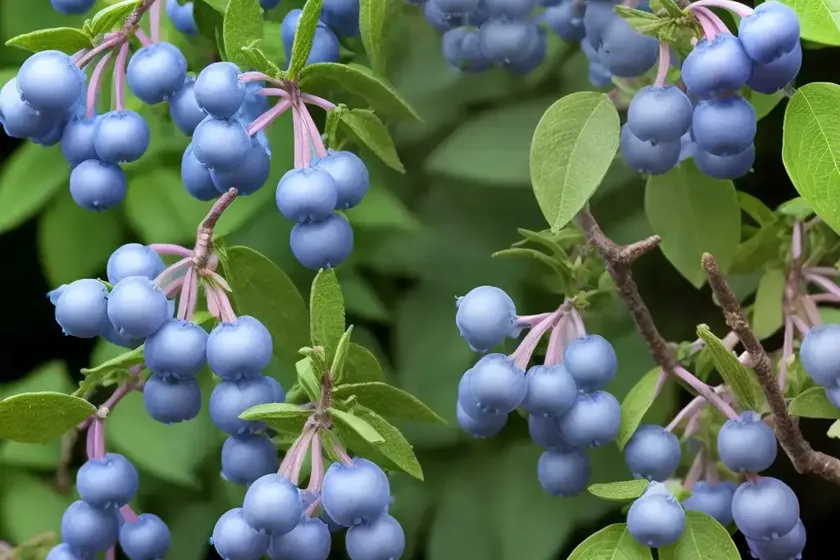
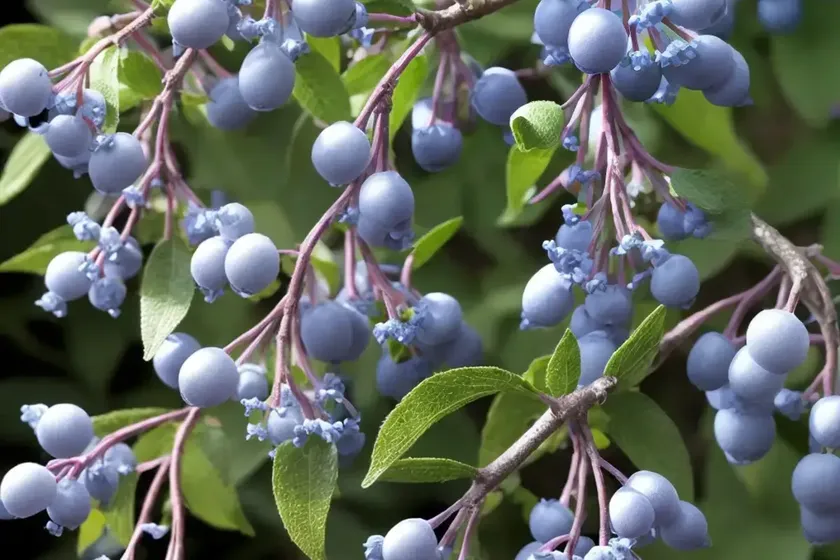
Lonicera caerulea ‘Blue Moon,’ commonly known as honeyberry, is an increasingly popular plant among gardeners. This fascinating fruit-bearing shrub is a member of the honeysuckle family and is a delight to have in any landscape. In this comprehensive guide, we will delve into every aspect of this remarkable plant, including its description, care tips, uses, maintenance, diseases and pests, and much more.
What is Lonicera caerulea ‘Blue Moon’ (Honeyberry)?
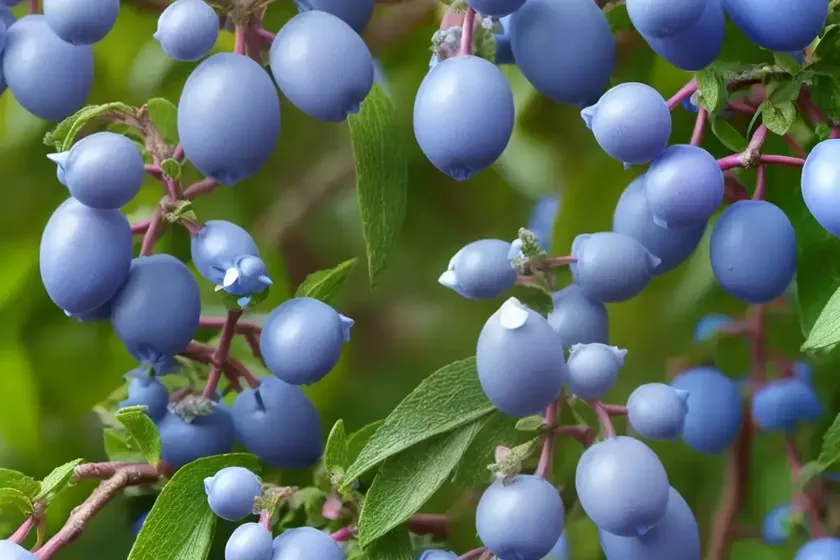
Lonicera caerulea ‘Blue Moon,’ also known as honeyberry, is a deciduous shrub known for its sweet and tangy blueberry-like fruits. This plant is native to Russia, Japan, and Northern China and belongs to the Caprifoliaceae family. While honeyberry plants have been cultivated for centuries in these regions, they are only recently gaining attention in North America and Europe due to their exceptional cold hardiness and high nutritional value.
Key Takeaways – Lonicera caerulea ‘Blue Moon’ (Honeyberry)
-
Description: Lonicera caerulea ‘Blue Moon’ is a deciduous, fruit-bearing shrub with blueberry-like fruits and elongated oval leaves. It is known for its exceptional cold hardiness and provides an early harvest in late spring.
-
Benefits: Honeyberry plants offer nutritious and tasty berries that are high in antioxidants, vitamin C, and fiber. They are also known for their early fruiting, making them a valuable addition to home gardens and orchards.
-
Care Tips: Proper watering, sunlight exposure, pruning, and soil management are essential for the successful cultivation of Lonicera caerulea ‘Blue Moon.’
-
How to Grow: Honeyberry plants thrive in well-drained soil and prefer full sun to partial shade. They require minimal maintenance and are relatively pest and disease resistant.
-
Varieties: There are numerous honeyberry varieties available, each offering unique flavors, fruit sizes, and growth habits. Some popular cultivars include ‘Blue Velvet,’ ‘Blue Moon,’ ‘Cinderella,’ and ‘Berry Blue.’
-
Pruning Guide: Pruning honeyberry plants is essential to maintain their shape, improve fruit production, and remove damaged or diseased wood. Proper pruning techniques contribute to the overall health and vigor of the plant.
-
Plant Characteristics: Lonicera caerulea ‘Blue Moon’ exhibits unique characteristics, including its cold hardiness, early fruiting, and attractive blue-green foliage.
-
Plant Uses: Honeyberry fruits can be used for fresh consumption, baking, jams, jellies, and beverages. In addition to their culinary uses, honeyberry plants also serve as ornamental shrubs due to their beautiful flowers and fruits.
-
Planting Instructions: When planting honeyberry shrubs, it is crucial to choose suitable locations, prepare the soil adequately, and provide proper spacing to allow for healthy growth and optimal fruit production.
-
Maintenance: Regular maintenance tasks such as watering, fertilizing, and mulching are essential for promoting the growth and productivity of honeyberry plants.
-
Pollination: Honeyberries may require cross-pollination from compatible cultivars to ensure fruitful yields, making it essential to consider suitable pollination partners when planting multiple shrubs.
-
Growing Requirements: Understanding the specific requirements of honeyberry plants, including soil pH, sunlight, and water needs, is crucial for successful cultivation and abundant fruit harvests.
Now that we’ve highlighted the key takeaways, let’s delve deeper into the various aspects of cultivating and caring for Lonicera caerulea ‘Blue Moon,’ also known as honeyberry.
Culture
Cultivating Lonicera caerulea ‘Blue Moon’ requires attention to several cultural aspects to ensure the plant’s health and productivity. From soil preferences to pollination needs, understanding the cultural requirements of honeyberry plants is essential for successful growth.
Uses
Honeyberry plants have both practical and ornamental uses, making them a valuable addition to home gardens, orchards, and landscapes.
- Practical Uses:
- Fresh Consumption: The berries can be eaten fresh and have a sweet-tart flavor reminiscent of blueberries.
- Culinary Applications: Honeyberries are versatile in the kitchen, ideal for making jams, jellies, pies, and syrups.
-
Nutritional Benefits: The fruits are rich in antioxidants, vitamin C, and fiber, providing added nutritional value to the diet.
-
Ornamental Uses:
- Landscape Appeal: The shrubs exhibit attractive foliage, fragrant flowers, and colorful fruits, adding aesthetic appeal to gardens and landscapes.
- Pollinator Attraction: Honeyberry plants attract bees and other pollinators, contributing to the overall biodiversity of the garden.
Water
Proper water management is crucial for the health and growth of Lonicera caerulea ‘Blue Moon.’ While honeyberry plants are relatively drought-tolerant once established, they require regular watering, especially during dry periods and fruit development.
- Watering Guidelines:
- Newly Planted Shrubs: Water newly planted honeyberry shrubs deeply to ensure the establishment of roots.
- Established Plants: Provide consistent moisture to the root zone, aiming to keep the soil evenly moist but not waterlogged.
- Drought Periods: During extended dry periods, supplemental watering is essential to support fruit development and prevent stress on the plants.
Sunlight
Proper sunlight exposure is crucial for honeyberry plants to thrive and produce abundant fruit. Understanding the sunlight requirements of Lonicera caerulea ‘Blue Moon’ is essential for selecting the ideal planting location and ensuring optimal growth.
- Sunlight Preferences:
- Full Sun: Honeyberries prefer full sun conditions, ideally receiving at least six to eight hours of direct sunlight daily for optimal fruit production.
- Partial Shade: While honeyberry plants thrive in full sun, they can tolerate partial shade, especially in regions with hot summers.
Fertilizer
Appropriate fertilizer applications contribute to the overall health and vigor of honeyberry plants. Understanding the fertilizer requirements and timing is essential for providing essential nutrients for optimal growth and fruit production.
- Fertilization Tips:
- Balanced Fertilizer: Use a balanced fertilizer with a nutrient ratio of 10-10-10 or similar during the early spring before new growth emerges.
- Organic Amendments: Incorporate organic matter, such as compost or well-rotted manure, into the soil to improve fertility and provide long-term nutrition to the plants.
- Avoid Excessive Nitrogen: Limit the use of high-nitrogen fertilizers, as excessive nitrogen can promote vegetative growth at the expense of fruit production.
Soil
Understanding the soil preferences of Lonicera caerulea ‘Blue Moon’ is crucial for establishing healthy and productive honeyberry plants. Proper soil preparation and maintenance can significantly impact the growth and fruitfulness of the shrubs.
- Soil Requirements:
- Well-Drained Soil: Honeyberry plants thrive in well-drained, loamy soil that provides good aeration and drainage.
- Soil pH: Aim for a slightly acidic to neutral soil pH range of 5.5 to 7.0 for optimal growth and nutrient uptake.
- Soil Amendment: Improve soil structure and fertility by incorporating organic matter and ensuring proper drainage, especially in heavy clay soils.
Pruning
Pruning is an essential cultural practice for honeyberry plants, contributing to improved fruit production, shape maintenance, and overall plant health.
- Pruning Objectives:
- Remove Deadwood: Prune out any dead, diseased, or damaged wood to maintain plant health and vigor.
- Thin Out Crowded Growth: Open up the interior of the shrub by selectively removing crowded or crossing branches to improve air circulation and light penetration.
-
Shape Maintenance: Prune to maintain a balanced and open growth habit, enhancing fruiting potential and ease of harvest.
-
Pruning Schedule:
- Early Spring: Perform light pruning in early spring before new growth emerges to shape the shrub and remove any winter damage.
- Post-Harvest Pruning: Conduct more extensive pruning after the fruiting season to remove old fruiting wood and promote new growth.
Propagation
While honeyberry plants are primarily propagated through cuttings and layering, understanding the propagation methods allows gardeners to expand their plantings and share the benefits of this remarkable shrub with others.
- Propagation Methods:
- Softwood Cuttings: Propagate honeyberry plants from softwood cuttings taken in early summer and rooted in a moist rooting medium.
- Layering: Promote root formation by layering a low-hanging branch of the shrub, allowing it to develop roots while still attached to the parent plant.
Container Popularity
Honeyberry plants are increasingly popular for container gardening, offering a convenient and manageable way to grow these fruit-bearing shrubs in various settings, including patios, balconies, and small gardens.
Container Gardening Tips
Cultivating Lonicera caerulea ‘Blue Moon’ in containers requires attention to specific considerations to ensure the health and productivity of the shrubs.
- Container Selection:
- Opt for large containers with adequate drainage holes to accommodate the mature size of the shrub and provide excellent drainage.
-
Choose containers made of durable materials, such as plastic, terracotta, or fabric pots, to ensure longevity and proper root insulation.
-
Potting Mix:
- Use a well-draining potting mix formulated for fruit-bearing shrubs, or create a custom mix by combining quality loam, compost, and perlite.
-
Ensure the potting mix is nutrient-rich and provides a suitable pH range for honeyberry plants’ growth.
-
Placement:
- Select a sunny location for container-grown honeyberry plants, ensuring they receive a minimum of six hours of direct sunlight daily.
-
Rotate the containers periodically to promote even growth and sun exposure on all sides of the shrub.
-
Watering and Fertilization:
- Monitor the moisture levels of the potting mix and water the containers whenever the top inch of the soil feels dry to the touch.
-
Fertilize container-grown honeyberry plants with a balanced, slow-release fertilizer designed for fruit-bearing shrubs to support healthy growth and fruit development.
-
Pruning and Maintenance:
- Regularly prune container-grown honeyberry plants to maintain their shape, remove wayward growth, and promote fruiting wood.
- Monitor the containers for any signs of pests or diseases and address any issues promptly to maintain plant health.
Common Diseases
Honeyberry plants are relatively low-maintenance and resistant to many common diseases. However, they may still face certain environmental and pathogenic challenges that gardeners need to be aware of to effectively manage and prevent these issues.
Disease Diagnosis
Identifying common diseases and understanding their symptoms is essential for implementing appropriate management strategies and protecting the health and productivity of honeyberry plants.
Powdery Mildew
- Symptoms:
- White powdery growth on the leaves and stems of the plant.
- Distorted or stunted growth in severe cases.
-
Premature leaf drop and reduced fruit production.
-
Management:
- Improve Air Circulation: Prune the shrub to open up the canopy and improve air circulation, reducing favorable conditions for powdery mildew development.
- Fungicidal Treatment: Apply fungicidal sprays labeled for powdery mildew control if the infection persists and poses a threat to the plant’s health.
Leaf Spot Diseases
- Symptoms:
- Circular or irregular lesions on the leaves, often with a darker border.
-
Leaf yellowing, wilting, and premature defoliation in advanced stages of the disease.
-
Management:
- Sanitation: Remove and destroy infected plant material to prevent the spread of the disease.
- Fungicidal Applications: Use appropriate fungicides to manage leaf spot diseases, especially during periods of high humidity and moisture.
Disease Prevention
Implementing proactive measures can help prevent common diseases and maintain the overall health of honeyberry plants.
- Cultural Practices:
- Proper Spacing: Provide adequate spacing between plants to promote air circulation and reduce humidity around the foliage.
-
Sanitation: Regularly clean up fallen leaves and debris to prevent the buildup of fungal spores and disease inoculum.
-
Optimal Watering:
- Avoid Overhead Watering: Minimize moisture on the foliage, as wet conditions can promote the development of fungal diseases.
-
Water Management: Water the plants at the base to keep the foliage dry and reduce the risk of disease.
-
Healthy Soil:
- Balanced Fertility: Provide proper nutrition to the plants to maintain their vigor and ability to resist diseases.
- Soil pH: Monitor and adjust soil pH if needed to create an environment conducive to healthy plant growth.
Common Pests
Honeyberry plants may encounter certain pests that can impact their growth and fruit production. Understanding these common pests and their management is crucial for safeguarding the health of the shrubs.
Aphids
Aphids are among the most common pests that can affect honeyberry plants, feeding on the sap and causing damage to the foliage.
- Identification:
- Small, soft-bodied insects found clustered on the undersides of leaves and tender shoot tips.
-
Various aphid species may appear in different colors, including green, black, and pink.
-
Management:
- Biological Control: Encourage natural predators such as ladybugs and lacewings to help control aphid populations.
- Insecticidal Soap: Use insecticidal soaps to directly target and manage aphid infestations while minimizing harm to beneficial insects.
Spider Mites
Spider mites can infest honeyberry plants, causing stippling on the leaves and reducing their overall vigor.
- Identification:
- Tiny arachnids that may appear as moving specks on the underside of leaves.
-
Webbing may be present, especially in severe infestations.
-
Management:
- Effective Watering: Regularly hose down the foliage to dislodge and discourage spider mite populations.
- Miticide Application: Use appropriate miticides to manage spider mite infestations, following label instructions for optimal control.
Pest Prevention
Adopting integrated pest management practices can help prevent and manage common pests effectively.
- Monitoring:
- Regularly inspect honeyberry plants for signs of pest activity, including distorted foliage, stippling, or the presence of insects.
-
Early Intervention: Address pest issues promptly to prevent significant damage and minimize the need for intensive control measures.
-
Beneficial Insects:
- Attract natural predators such as ladybugs, lacewings, and predatory mites to help keep pest populations in check.
- Diverse Plantings: Encourage biodiversity in the garden to create a habitat that supports a range of beneficial insects and pollinators.
Botanist’s Tips
As a plant scientist with a passion for Lonicera caerulea ‘Blue Moon,’ I’d like to share some invaluable tips for successfully growing and enjoying these remarkable honeyberry plants.
-
Planting Partners: Consider companion planting with pollinator-friendly flowers and beneficial herbs to create a biodiverse and supportive environment for honeyberry plants.
-
Mulching: Apply a layer of organic mulch around the base of honeyberry shrubs to conserve soil moisture, suppress weed growth, and provide insulation against temperature extremes.
-
Harvesting Techniques: Gently handpick ripe honeyberries to avoid unnecessary damage to the delicate fruits, ensuring a bountiful harvest for fresh consumption and culinary endeavors.
-
Winter Protection: In regions with harsh winters, provide additional insulation around the shrubs using mulch, burlap, or protective covers to safeguard them from extreme cold and temperature fluctuations.
-
Community Engagement: Share the joys of growing honeyberry plants with your local gardening community, exchanging experiences, tips, and even propagating materials to promote the cultivation of this exceptional shrub.
Fun Facts
Let’s round out our exploration of Lonicera caerulea ‘Blue Moon’ with some entertaining and intriguing facts about honeyberry plants:
-
Wild Relatives: Honeyberry plants are closely related to the common honeysuckle vine (Lonicera spp.) but differ significantly in their growth habit and fruit production.
-
Historical Significance: In regions such as Russia and Japan, honeyberries have been cultivated for centuries and have played a vital role in traditional diets and medicinal practices.
-
Bird-Friendly: The fruits of honeyberry plants are not only beloved by humans but also attract various bird species, promoting biodiversity and ecological balance in the garden.
-
Ornamental Appeal: Aside from their delicious fruits, honeyberry shrubs exhibit attractive foliage and fragrant flowers, making them aesthetically pleasing additions to gardens and landscapes.
-
Hardiness: Honeyberry plants are renowned for their exceptional cold hardiness, making them suitable for cultivation in northern climates with harsh winter conditions.
The fascinating world of Lonicera caerulea ‘Blue Moon’ continues to captivate gardeners, offering not only delicious fruits but also a range of cultural, ecological, and aesthetic benefits.
Links to External Resources
To further expand your knowledge and appreciation for Lonicera caerulea ‘Blue Moon’ and honeyberry plants, explore the following external resources:
-
North American Honeyberry Growers Association: The association provides valuable information, resources, and networking opportunities for honeyberry enthusiasts and commercial growers.
-
University of Saskatchewan Fruit Program: Access research-based insights and publications on haskap, a related species of honeyberry, from the University of Saskatchewan’s fruit breeding program.
-
North American Fruit Explorers (NAFEX): NAFEX offers a wealth of knowledge on a wide range of fruit-bearing plants, including honeyberries, through its publications, forums, and events.
-
USDA Plant Hardiness Zone Map: Use the USDA’s interactive map to identify the suitable growing regions for Lonicera caerulea ‘Blue Moon’ based on your location’s hardiness zone.
By delving into these resources, you can gain a comprehensive understanding of honeyberry plants, their cultivation, uses, and the broader community dedicated to their appreciation and advancement.
In conclusion, L85onicera caerulea ‘Blue Moon,’ commonly known as honeyberry, is a fascinating and rewarding plant to cultivate, offering delightful fruits, ornamental beauty, and ecological benefits to the garden. Through this comprehensive guide, we’ve explored every aspect of this exceptional shrub, from its cultural requirements and disease management to its culinary uses and historical significance. Whether you’re a seasoned gardener or a novice enthusiast, honeyberry plants are sure to captivate your interest and bring joy to your home orchard or landscape.
Remember to share your experiences, discoveries, and tips with your fellow gardeners, fostering a community that celebrates the unique allure of Lonicera caerulea ‘Blue Moon’ and the many wonders of the natural world.
Enjoy your journey into the enchanting realm of honeyberry plants, and may your cultivation endeavors yield bountiful harvests and abundant joy!