Longleaf Pine (Pinus Palustris)
Plants are an essential and intriguing aspect of our world, with each species presenting unique features and requirements. There’s a multitude of.
Introduction
Plants are an essential and intriguing aspect of our world, with each species presenting unique features and requirements. There’s a multitude of variations in the plant kingdom, offering an abundance of diversity to explore. One such remarkable species is the Longleaf Pine (Pinus palustris), which is a prominent conifer native to the Southeastern United States. In this comprehensive guide, we’ll delve into the characteristics of the Longleaf Pine, explore its habitat, growth requirements, cultural significance, uses, and ecological roles. Additionally, we’ll discuss conservation efforts and the challenges posed by diseases and pests. Join me on this enlightening journey into the world of Longleaf Pine!
What is Longleaf Pine (Pinus Palustris)?
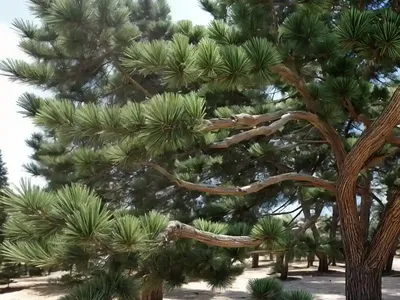
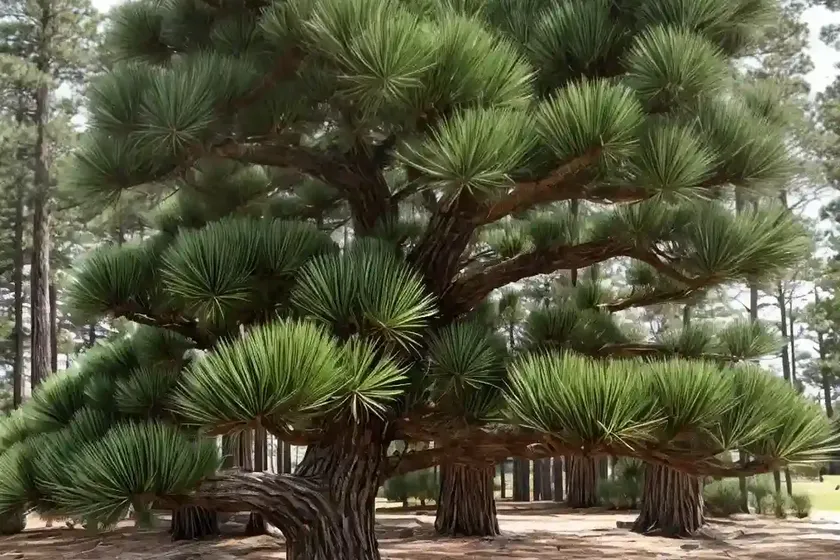
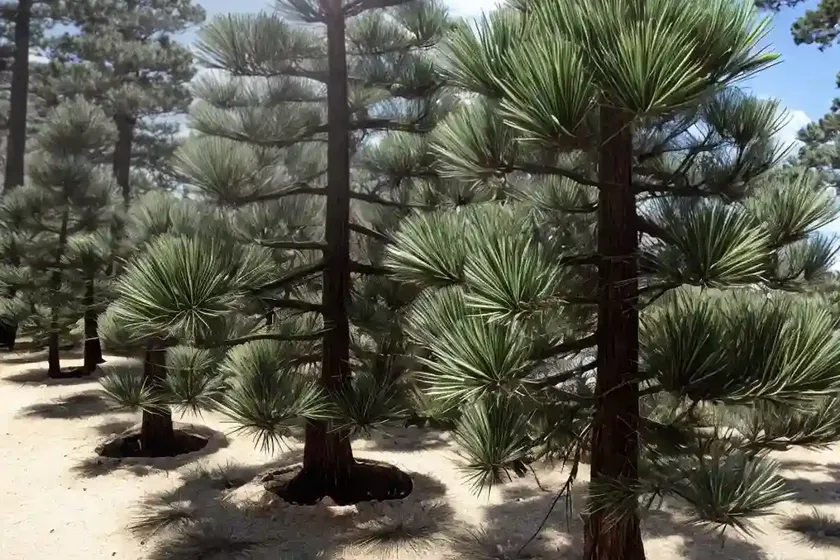
The Longleaf Pine, scientifically known as Pinus palustris, is a large, straight-growing coniferous tree that belongs to the family Pinaceae. It is renowned for its extended needles and distinctive appearance, making it a vital component of the diverse ecosystem it inhabits. This majestic tree, with its rich historical significance and ecological importance, has become an iconic symbol of the Southeastern United States.
Image source: evergladestrust.org
Key Takeaways – Longleaf Pine (Pinus Palustris)
Before we dive deeper into the characteristics and cultivation of the Longleaf Pine, let’s take a moment to grasp the essential aspects that will be covered in this extensive guide.
- Habitat: Exploring the natural habitat and range of the Longleaf Pine.
- Characteristics: Understanding the unique ecological and physical traits of Pinus palustris.
- Ecology: Delving into the ecological roles and adaptations of the Longleaf Pine.
- Conservation: Discussing conservation efforts and the endangered status of Pinus palustris.
- Cultural Significance: Unraveling the historical and cultural importance of the Longleaf Pine.
- Uses: Exploring the diverse uses of Longleaf Pine in various ecosystems.
- Growth Requirements: Understanding the specific water, sunlight, soil, and fertilizer needs of Longleaf Pine.
- Diseases and Pests: Identifying common diseases and pests that affect Longleaf Pine and effective management strategies.
- Propagation: Exploring propagation techniques for establishing and preserving Longleaf Pine populations.
- Fun Facts: Unveiling interesting and lesser-known facts about Longleaf Pine.
Now, let’s embark on our journey to discover the fascinating world of the Longleaf Pine, examining each of these key takeaways in intricate detail.
Habitat
The Longleaf Pine thrives in a specific habitat that is crucial for its growth and survival. Understanding its natural habitat is essential for creating suitable conditions for cultivation. Let’s explore the habitat-related aspects of the Longleaf Pine.
Longleaf Pine Range
Longleaf Pine, with its historical range stretching across the Southeastern United States, has a diverse distribution in various states, including Alabama, Florida, Georgia, Louisiana, Mississippi, North Carolina, South Carolina, Texas, and Virginia. This extensive range showcases the adaptability of Longleaf Pine to different ecological conditions within the Southeastern region.
Longleaf Pine Ecology
The ecological significance of Longleaf Pine cannot be overstated. It plays a vital role in shaping and maintaining diverse ecosystems, supporting a wide range of plant and animal species. From providing habitat for unique wildlife to influencing fire cycles, Longleaf Pine holds a special place in the intricate web of ecological relationships.
Longleaf Pine Conservation
The conservation of Longleaf Pine has become a pressing concern due to habitat loss and human activities. Efforts to conserve and restore Longleaf Pine forests have gained momentum, aiming to protect the species and its associated biodiversity. Various organizations and conservation initiatives are working tirelessly to safeguard the future of this iconic species.
Longleaf Pine Growth Rate
Longleaf Pine exhibits a moderate to fast growth rate under favorable conditions, making it a valuable species for reforestation and sustainable timber production. Understanding its growth patterns and requirements is vital for effective forest management and conservation strategies.
Longleaf Pine Adaptations
The adaptations of Longleaf Pine are intriguing, especially its ability to thrive in fire-prone environments. The development of fire-resistant bark and its role in fire ecology make Longleaf Pine a fascinating subject for ecological research and conservation efforts.
Longleaf Pine Fire Ecology
The relationship between Longleaf Pine and fire ecology is a captivating area of study. Fire plays a crucial role in maintaining the health and biodiversity of Longleaf Pine forests, and understanding this relationship is essential for effective ecosystem management and conservation.
Longleaf Pine Restoration
Restoration projects focused on Longleaf Pine have gained traction, with a concerted effort to restore degraded habitats and revitalize Longleaf Pine populations. The success of these restoration initiatives holds significance for the conservation of this iconic species and its associated ecosystems.
Longleaf Pine Ecosystem
The complex ecosystem supported by Longleaf Pine encompasses a diverse array of flora and fauna. By supporting unique understorey vegetation and wildlife species, Longleaf Pine contributes to the richness and diversity of its associated ecosystem.
In exploring the habitat, ecology, conservation, and growth aspects of Longleaf Pine, we gain a deeper appreciation for the intricate relationships and the ecological significance of this remarkable species.
Characteristics of Longleaf Pine (Pinus Palustris)
The physical and ecological characteristics of Longleaf Pine are key to understanding its identity and significance. From its distinct features to its ecological role, the characteristics of Longleaf Pine paint a vivid portrait of this exceptional species.
Pinus Palustris Characteristics
At its core, Longleaf Pine is distinguished by several physical and ecological characteristics that set it apart from other coniferous species. The long, flexible needles, extensive taproot system, and fire-adapted bark are among the notable features that define Longleaf Pine.
Longleaf Pine Needle Length
The elongated needles of Longleaf Pine, measuring between 8 to 18 inches, are a defining characteristic of the species. These needles contribute to the unique appearance and ecological adaptations of Longleaf Pine, making it easily recognizable in its natural habitat.
Longleaf Pine Tree Height
Longleaf Pine is known for its impressive height, with mature trees reaching up to 100 feet or more. The towering stature of Longleaf Pine underscores its ecological importance as a canopy species in diverse forest ecosystems.
Longleaf Pine Bark
The bark of Longleaf Pine exhibits unique fire-resistant properties, providing protection to the tree during periodic wildfires. The role of bark in safeguarding the tree and promoting its survival in fire-prone environments is an intriguing aspect of Longleaf Pine’s characteristics.
Longleaf Pine Cone
The cones of Longleaf Pine serve as important structures for seed dispersal and regeneration. Understanding the morphology and ecological role of Longleaf Pine cones is essential for comprehending its reproductive strategies and population dynamics.
Longleaf Pine Leaf Morphology
The distinct morphology of Longleaf Pine leaves contributes to its ecological adaptations, particularly in drought-prone environments. The adaptive traits of Longleaf Pine leaves showcase the species’ resilience and ability to thrive in challenging ecological conditions.
The unique characteristics of Longleaf Pine, ranging from its physical traits to ecological adaptations, shed light on the diverse and remarkable nature of this iconic species.
Cultivation of Longleaf Pine
Cultivating Longleaf Pine, whether for conservation purposes or landscaping, requires a comprehensive understanding of its growth requirements, including water, sunlight, soil, fertilizer, and pruning needs. Let’s explore the essential aspects of Longleaf Pine cultivation to ensure the successful growth and development of this majestic conifer.
Water
Longleaf Pine exhibits a moderate tolerance to drought conditions once established, making it well-suited for the often dry and sandy soils of its natural habitat. During the initial establishment phase, adequate moisture is crucial for promoting root development and ensuring the long-term health of the tree.
Sunlight
Thriving in full sun, Longleaf Pine requires ample sunlight for optimal growth and development. When selecting a planting site or considering its position in a garden or landscape, it is important to prioritize access to abundant sunlight for Longleaf Pine.
Fertilizer
In general, Longleaf Pine does not require intensive fertilization, especially when grown in its natural habitat or in suitable soil conditions. However, in urban or landscaped environments, a balanced fertilizer application may be beneficial for promoting growth and vitality.
Soil
The ideal soil for Longleaf Pine cultivation is well-drained, sandy or loamy soil, mirroring the conditions of its native habitat. Ensuring proper soil drainage and structure is essential for preventing waterlogging and promoting root health.
Pruning
Pruning requirements for Longleaf Pine are minimal, typically involving the removal of dead or damaged branches, especially in urban settings or managed plantations. Care should be taken to minimize pruning during the early growth stages to avoid unnecessary stress on the tree.
The cultural aspects of Longleaf Pine cultivation emphasize the importance of aligning environmental conditions with its natural habitat to promote successful growth and development.
Uses of Longleaf Pine
The multifaceted uses of Longleaf Pine span ecological, cultural, and commercial domains, underscoring its significance and value in various contexts. From its role in ecosystem management to its utilization in timber production, Longleaf Pine serves as a cornerstone species with diverse applications.
Longleaf Pine Timber
The timber of Longleaf Pine is highly valued for its strength, durability, and versatility, making it an important resource for construction, woodworking, and various industrial purposes. The utilization of Longleaf Pine timber has a long-standing tradition and continues to play a significant role in the wood products industry.
Longleaf Pine Oil
Longleaf Pine produces an essential oil with unique properties and aromatic characteristics. The utilization of Longleaf Pine oil in traditional medicine, aromatherapy, and fragrance industries highlights its cultural and commercial significance.
Longleaf Pine Landscaping
In landscaping and horticulture, Longleaf Pine holds aesthetic and ecological value, creating visually striking and ecologically sustainable landscapes. Its adaptability and unique features make it a sought-after species for ornamental plantings and naturalistic settings.
Longleaf Pine Wildlife Habitat
Longleaf Pine forests support diverse wildlife species, providing crucial habitat and resources for many animal species, including birds, mammals, and reptiles. The ecological importance of Longleaf Pine as a wildlife habitat underscores its significance in conservation and ecosystem management.
The diverse uses of Longleaf Pine, ranging from commercial timber production to ecological preservation, highlight its multifaceted contributions to various domains.
Diseases and Pests
While Longleaf Pine is a resilient and adaptable species, it is susceptible to certain diseases and pests that can impact its health and vitality. Understanding and effectively managing these challenges are essential for safeguarding Longleaf Pine populations and promoting their long-term sustainability.
Common Diseases
Longleaf Pine is vulnerable to various diseases, including pitch canker, fusiform rust, and annosus root rot, which can adversely affect its growth and survival. Identifying the symptoms and implementing appropriate management strategies are crucial for mitigating the impact of these diseases.
Disease Diagnosis
Accurately diagnosing diseases affecting Longleaf Pine involves careful observation of symptoms, laboratory analysis, and consultation with experienced plant pathologists or arborists. Timely and accurate diagnosis is pivotal for effective disease management and control.
Common Pests
Pests such as the Southern pine beetle and pine tip moth pose significant threats to Longleaf Pine health and require proactive monitoring and management to prevent widespread damage. Integrated pest management strategies are essential for mitigating the impact of these pests.
Botanist’s Tips
Consulting with botanists and plant health specialists can provide valuable insights into disease and pest management strategies for Longleaf Pine. Drawing upon their expertise can help in developing effective and sustainable approaches to preserving Longleaf Pine populations.
The management of diseases and pests affecting Longleaf Pine necessitates vigilant monitoring and proactive measures to maintain the health and resilience of this iconic species.
Propagation
The propagation of Longleaf Pine involves specialized techniques aimed at establishing new populations and preserving genetic diversity. From seed collection to nursery propagation, the propagation process plays a crucial role in conservation and forest management efforts.
Pinus Palustris Seedlings
The propagation of Longleaf Pine often begins with the collection of high-quality seeds from mature trees, followed by the careful germination and raising of seedlings in nursery settings. Maintaining genetic diversity and selecting suitable planting sites are pivotal aspects of Longleaf Pine propagation.
Longleaf Pine Seed Dispersal
Understanding the natural mechanisms of seed dispersal in Longleaf Pine forests is essential for evaluating and enhancing natural regeneration processes. Seed dispersal plays a critical role in maintaining population dynamics and genetic exchange in Longleaf Pine ecosystems.
Longleaf Pine Plantation
Establishing Longleaf Pine plantations through purposeful propagation and planting efforts contributes to reforestation, sustainable timber production, and ecosystem restoration. The establishment and management of plantations play a vital role in meeting conservation and commercial objectives.
The propagation of Longleaf Pine serves as a foundational step in preserving and promoting the sustainability of this iconic species for future generations.
Container Popularity
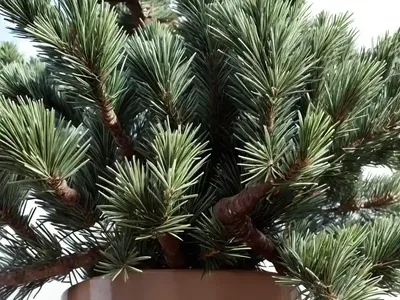
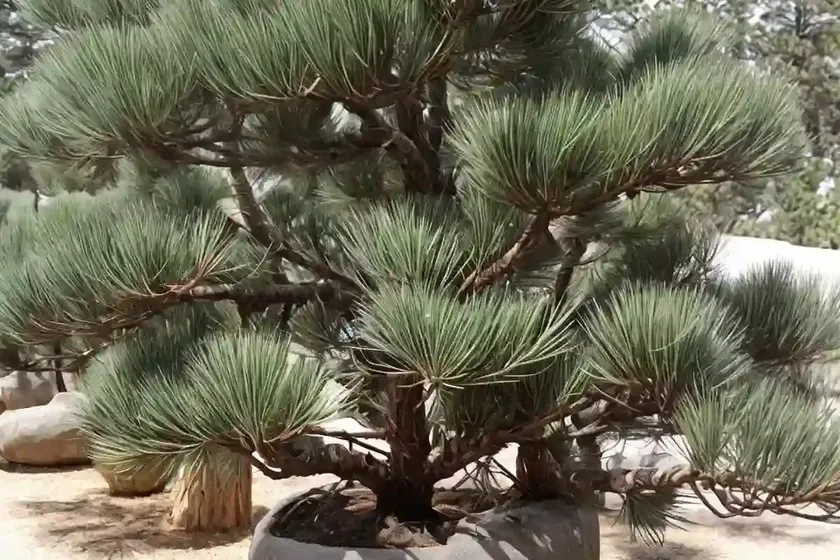
The popularity of container gardening and landscaping has opened up new avenues for incorporating Longleaf Pine into diverse urban and suburban environments. Its adaptability, striking appearance, and ecological benefits have positioned it as a desirable species for container cultivation.
Container
Cultivating Longleaf Pine in containers presents an opportunity to bring the beauty and ecological value of this species into urban and small-scale settings. Selecting appropriate containers, soil mixes, and care practices is essential for nurturing healthy and vibrant Longleaf Pine in a container environment.
The container popularity of Longleaf Pine reflects its adaptability and appeal as a charismatic species that can thrive in diverse gardening and landscaping contexts.
Common Diseases
Longleaf Pine, like many plant species, is susceptible to a range of diseases that can impact its health and overall vigor. Identifying common diseases and understanding their causes and symptoms is crucial for implementing effective disease management strategies.
Among the common diseases that affect Longleaf Pine are:
| Disease | Symptoms | Management |
|---|---|---|
| Pitch Canker | Resin bleeding from trunk, dieback of branches | Pruning and removing infected branches, chemical control |
| Fusiform Rust | Rust-colored galls on branches, reduced growth | Genetic resistance, sanitation, fungicidal treatments |
| Annosus Root Rot | Reduction in growth, decay of root and butt wood | Soil fumigation, tree removal, cultural management |
Implementing appropriate disease management strategies, including cultural, biological, and chemical control measures, is vital for maintaining the health and vitality of Longleaf Pine populations.
Disease Diagnosis
Accurately diagnosing diseases affecting Longleaf Pine involves a systematic approach that integrates observation, laboratory analysis, and professional expertise. Effective disease diagnosis lays the groundwork for implementing targeted management strategies to mitigate the impact of diseases.
Key steps in disease diagnosis include:
- Symptom Observation: Careful observation of symptoms, such as discoloration, lesions, or abnormal growth patterns, aids in narrowing down potential disease causes.
- Laboratory Analysis: Submitting samples to reputable laboratories for disease testing and identification helps in confirming the presence of specific pathogens or causal agents.
- Professional Consultation: Seeking guidance from experienced plant pathologists or arborists can provide valuable insights into disease diagnosis and management options.
Timely and accurate disease diagnosis forms the basis for formulating effective disease management strategies tailored to the specific needs and challenges of Longleaf Pine populations.
Common Pests
In addition to diseases, Longleaf Pine is vulnerable to various pests that can impact its health and pose significant challenges to its vitality. Monitoring and managing common pests are essential components of proactive plant health care for Longleaf Pine.
Southern Pine Beetle
The Southern pine beetle is a destructive pest that attacks weakened or stressed pine trees, including Longleaf Pine. Rapid detection and intervention are crucial for minimizing the impact of Southern pine beetle infestations.
Pine Tip Moth
The pine tip moth is known for causing damage to young pine shoots, affecting the growth and overall vigor of pine populations. Monitoring and implementing targeted pest management strategies are essential for mitigating the impact of pine tip moth infestations.
Integrated Pest Management
Implementing integrated pest management practices that prioritize prevention, monitoring, and targeted interventions helps in sustaining the health and resilience of Longleaf Pine in diverse ecosystems.
Effectively managing common pests requires a multifaceted and adaptive approach that aligns with the specific eco-environmental context and management objectives for Longleaf Pine populations.
Botanist’s Tips
Obtaining insights and tips from experienced botanists and plant health specialists can greatly enhance the capacity to monitor, manage, and conserve Longleaf Pine populations. Expert knowledge and practical advice are invaluable resources for addressing the complex challenges associated with preserving Longleaf Pine and its associated ecosystems.
Expert Consultation
Engaging in consultations with botanists, ecologists, and forestry professionals provides access to specialized knowledge and experience that can inform tailored management and conservation strategies for Longleaf Pine.
Disease and Pest Management
Expert input on disease and pest management, habitat restoration, and propagation techniques offers invaluable guidance in addressing the diverse challenges and opportunities associated with Longleaf Pine conservation and sustainable ecosystem management.
Ecological Considerations
Botanists can provide valuable insights into the ecological requirements and roles of Longleaf Pine, offering guidance on ecosystem restoration, understorey vegetation management, and wildlife habitat preservation.
Leveraging the expertise and guidance of botanists and plant health specialists enriches the capacity for effective conservation and management of Longleaf Pine populations and their associated ecosystems.
Fun Facts
Delving into the world of Longleaf Pine unveils a plethora of intriguing and captivating facts that shed light on its ecological significance, cultural heritage, and diverse applications. Let’s explore some fun and lesser-known facts about Longleaf Pine!
- Historical Significance: Longleaf Pine forests played a pivotal role in the shipbuilding industry of early America, owing to the exceptional quality of its timber.
- Wildlife Support: Longleaf Pine ecosystems provide habitat and resources for numerous wildlife species, including the endangered red-cockaded woodpecker.
- Fire-Resistant Properties: The bark of Longleaf Pine is adapted to withstand periodic wildfires, contributing to its resilience in fire-prone environments.
- Ecological Importance: Longleaf Pine forests are valued for their ability to maintain diverse and resilient ecosystems, supporting a wide range of plant and animal species.
- Endangered Status: Due to extensive habitat loss and commercial exploitation, Longleaf Pine forests have become increasingly rare, with efforts directed towards their conservation and restoration.
These fun facts offer a glimpse into the rich history, ecological significance, and cultural value of Longleaf Pine, highlighting its multifaceted role in the natural and human-altered landscapes.
External Resources
To further expand your knowledge and understanding of Longleaf Pine, here are some external resources that provide valuable insights and information about this iconic species:
- Longleaf Alliance: The Longleaf Alliance is dedicated to the restoration and conservation of longleaf pine ecosystems, offering a wealth of resources and educational materials.
- USDA Forest Service – Southern Research Station: The USDA Forest Service provides extensive research and publications on Longleaf Pine and its associated ecosystems.
- The Nature Conservancy: The Nature Conservancy engages in conservation efforts aimed at preserving Longleaf Pine forests and their biodiversity, with valuable resources and conservation initiatives.
- **[North Carolina Forest Service](https://