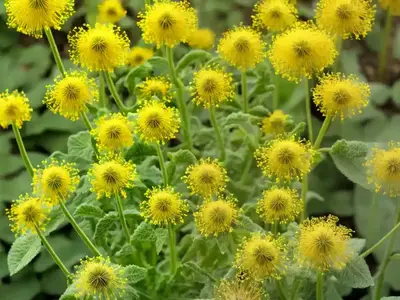
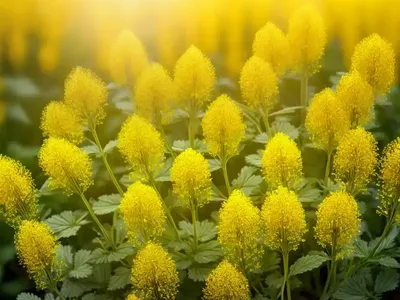
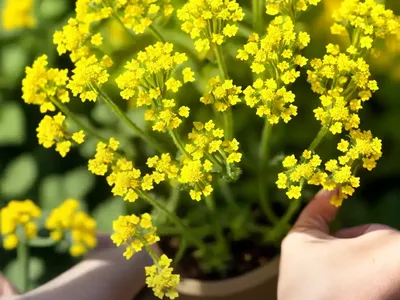
Lobularia ‘Snow Crystals’ (Sweet Alyssum)
As a plant scientist with a passion for exploring the diverse and fascinating realm of plant species, I am excited to delve into the captivating world of.
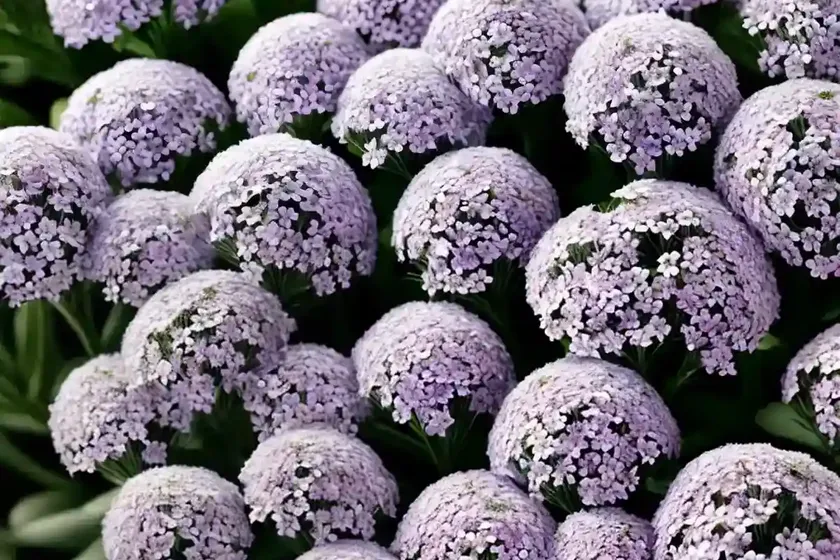
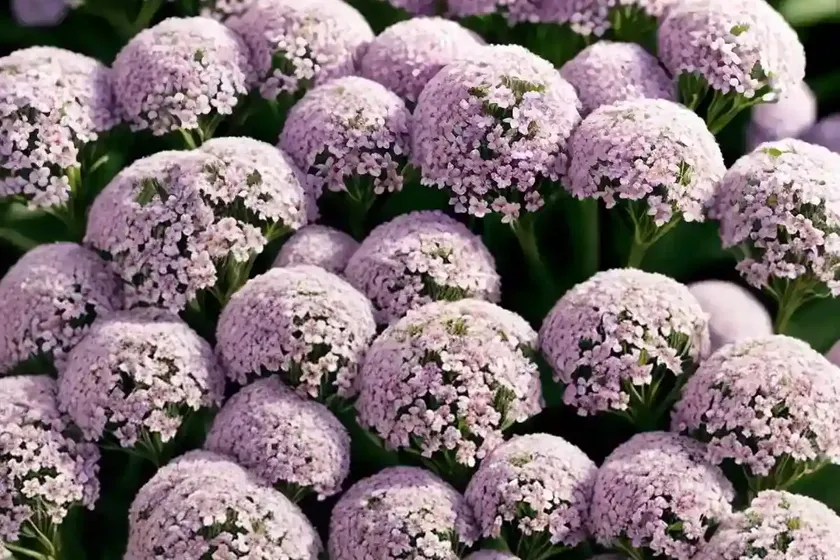
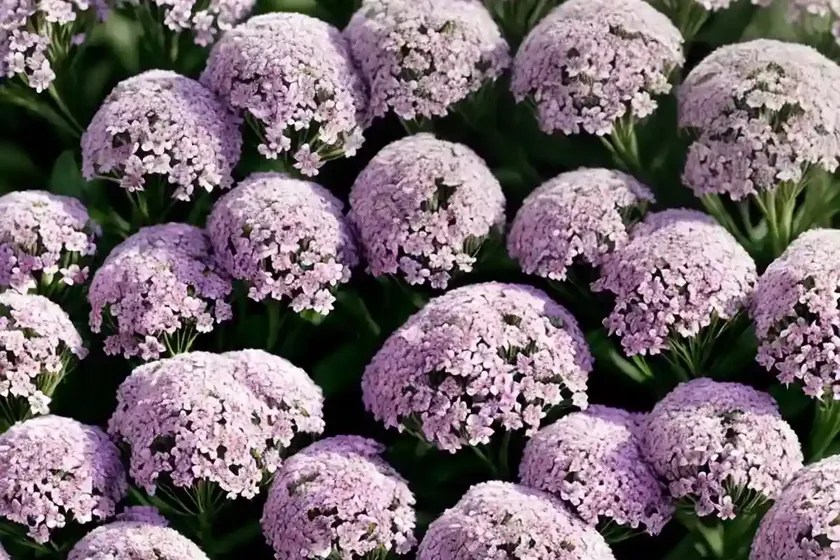
As a plant scientist with a passion for exploring the diverse and fascinating realm of plant species, I am excited to delve into the captivating world of Lobularia ‘Snow Crystals’, also known as Sweet Alyssum. In this comprehensive guide, we will journey through the cultural, horticultural, and botanical aspects of this delightful plant. From its characteristics and cultivation requirements to its uses in landscaping and its ecological significance, we will unravel the many dimensions of this charming species.
What is Lobularia ‘Snow Crystals’ (Sweet Alyssum)?
Lobularia ‘Snow Crystals’, commonly known as Sweet Alyssum, is a species belonging to the Brassicaceae family. This enchanting plant is renowned for its delicate, honey-scented blossoms, which adorn gardens, landscapes, and containers with their ethereal beauty. The name “Snow Crystals” aptly describes the pristine white flowers that evoke a sense of purity and elegance. This variety is celebrated for its compact growth habit and abundant blooms, making it a popular choice for gardeners and landscapers seeking a touch of timeless charm.
Key Takeaways – Lobularia ‘Snow Crystals’ (Sweet Alyssum)
Before we embark on our exploration of Lobularia ‘Snow Crystals’, let’s take a moment to highlight the key aspects of this captivating plant.
Culture
- Scientific Name: Lobularia maritima ‘Snow Crystals’
- Common Names: Sweet Alyssum, Snow Crystals Alyssum
- Plant Type: Annual or short-lived perennial
- Mature Height: 4-6 inches
- Mature Spread: 12-24 inches
- Flower Color: White
Uses
- Garden Borders: Adds a delicate and elegant border to garden beds
- Container Gardens: Ideal for containers due to its compact growth habit
- Groundcover: Forms a lush carpet of white flowers when used as groundcover
- Pollinator Attractant: Attracts pollinators such as bees and butterflies with its fragrant blossoms
- Fragrant Blooms: Emits a sweet, honey-like fragrance, adding a sensory dimension to gardens and landscapes
Water
- Watering Needs: Requires regular watering, especially during dry periods
- Watering Frequency: Water when the soil is dry to the touch, but avoid waterlogged conditions
- Drought Tolerance: Moderate drought tolerance once established
Sunlight
- Sun Exposure: Thrives in full sun to partial shade
- Optimal Light: Prefers at least 6 hours of direct sunlight per day for abundant flowering
Fertilizer
- Fertilization: Benefits from a balanced, all-purpose fertilizer applied during the growing season
- Frequency: Fertilize every 4-6 weeks to support vigorous growth and prolific blooming
Soil
- Soil Type: Well-draining soil is essential to prevent waterlogging
- pH Level: Tolerant of a wide pH range, but thrives in slightly acidic to neutral soil
- Soil Amendments: Organic matter can be incorporated into the soil to improve fertility and drainage
Pruning
- Pruning Needs: Deadheading spent flowers promotes continuous blooming
- Maintenance: Regular pruning helps maintain a tidy appearance and encourages new growth
Propagation
- Propagation Methods: Easily propagated from seeds or stem cuttings
- Seed Starting: Seeds can be started indoors before the last frost date or sown directly into the garden
Container Popularity
- Container Gardens: Well-suited for containers due to its compact size and profuse blooming
- Versatility: Thrives in various container types, including pots, planters, and window boxes
Common Diseases
- Disease Resistance: Generally resistant to most common plant diseases
- Potential Issues: Susceptible to root rot in poorly drained soil
Disease Diagnosis
- Signs of Disease: Yellowing leaves, wilting, or stunted growth may indicate disease or pest issues
- Diagnosis: Prompt diagnosis and treatment are essential to prevent the spread of diseases
Common Pests
- Pest Resilience: Relatively resistant to pests
- Potential Pests: Aphids and whiteflies may occasionally infest Sweet Alyssum
Botanist’s Tips
As a plant enthusiast and botanist, I am thrilled to share some valuable tips for successfully cultivating and enjoying the beauty of Lobularia ‘Snow Crystals’.
- Sowing Seeds: Start seeds indoors 6-8 weeks before the last frost date for earlier blooms in the garden
- Companion Planting: Pair with low-growing annuals or perennials for captivating garden displays
- Beneficial Insects: Encourage the presence of pollinators and beneficial insects to enhance the ecological balance in the garden
- Mulching: Apply a layer of organic mulch to conserve moisture and suppress weed growth around Sweet Alyssum plants
Fun Facts
- Historical Significance: Sweet Alyssum has been cultivated for centuries and holds a cherished place in garden history
- Folklore: In folklore, Alyssum was associated with themes of protection and healing
- Culinary Uses: While not commonly used in culinary applications, Sweet Alyssum flowers are edible and can be used as decorative garnishes on salads or desserts
- Fragrance: The sweet, honey-like fragrance of Sweet Alyssum makes it a favorite among gardeners and enthusiasts
Now that we’ve laid the groundwork with the essential aspects of Lobularia ‘Snow Crystals’, let’s delve deeper into specific elements of its cultivation, maintenance, and characteristics.
Cultivation and Maintenance
Soil Requirements
Lobularia ‘Snow Crystals’ thrives in well-draining soil with a slightly acidic to neutral pH. Amending the soil with organic matter such as compost or well-rotted manure enhances fertility and improves its texture. This species is relatively adaptable to different soil types but performs best in soil that provides good aeration and drainage.
Watering Needs
Providing adequate moisture is crucial for the health and vitality of Sweet Alyssum. While it exhibits moderate drought tolerance once established, regular watering is essential, especially during dry spells. However, it’s important to avoid overwatering, as waterlogged conditions can lead to root rot and other issues. A consistent watering schedule, keeping the soil evenly moist but not waterlogged, supports healthy growth and blooming.
Sunlight Requirements
Full sun to partial shade is the preferred light exposure for Lobularia ‘Snow Crystals’. This plant thrives in sunny locations, benefiting from at least 6 hours of direct sunlight per day. In hotter climates, providing some afternoon shade can help protect the plant from excessive heat stress. Adequate sunlight is essential for promoting robust flowering and overall vigor in Sweet Alyssum.
Fertilization
Apply a balanced, all-purpose fertilizer to Sweet Alyssum during the growing season to provide essential nutrients for continuous blooming and healthy growth. A granular fertilizer or a water-soluble fertilizer can be used, following the manufacturer’s instructions for application frequency and dosage. Regular fertilization every 4-6 weeks supports the plant’s nutritional needs and contributes to a vibrant display of blossoms.
Pruning and Deadheading
Deadheading spent flowers is a simple yet effective practice for promoting prolonged flowering in Lobularia ‘Snow Crystals’. By removing faded blossoms, the plant channels its energy into producing new blooms, extending the flowering period and enhancing its visual appeal. Additionally, periodic pruning helps maintain a neat, compact form and encourages the development of fresh growth. This activity can be performed throughout the growing season to manage the plant’s appearance and stimulate continuous flowering.
Propagation Methods
Sweet Alyssum is easily propagated from seeds and stem cuttings, offering gardeners the opportunity to expand their plantings or share this delightful species with others. Seeds can be sown directly in the garden after the last frost date or started indoors for earlier blooms. Stem cuttings taken from healthy, established plants can be rooted in a suitable growing medium to create new plants. Both methods of propagation are relatively straightforward and can be accomplished with a high success rate, making Lobularia ‘Snow Crystals’ a rewarding species to propagate.
Green Thumb Enthusiast’s Corner
Container Gardening with Sweet Alyssum
Lobularia ‘Snow Crystals’ is a favored choice for container gardening, offering a wealth of opportunities for creative and captivating plant displays. Whether showcased in individual containers or incorporated into mixed plantings, Sweet Alyssum brings its timeless elegance to a variety of container arrangements. A few pointers for successful container gardening with Lobularia ‘Snow Crystals’ include:
- Container Selection: Choose well-draining containers of appropriate size, ensuring adequate space for the plant’s root system.
- Potting Mix: Use a high-quality potting mix that provides good aeration and moisture retention for optimal root health.
- Sun Exposure: Position the containers in locations that receive ample sunlight, as Sweet Alyssum thrives in sunny surroundings.
- Watering: Monitor the moisture levels closely and water the containers when the soil surface becomes dry, adjusting the frequency based on environmental conditions.
- Fertilization: Incorporate a slow-release fertilizer into the potting mix or regularly feed the plants with a balanced liquid fertilizer during the growing season.
- Design Considerations: Combine Sweet Alyssum with complementary plants to create visually striking and harmonious container arrangements, considering factors such as color, texture, and height variations.
Container gardening with Lobularia ‘Snow Crystals’ presents a delightful opportunity to showcase this enchanting species in a versatile and impactful manner, whether on patios, balconies, or other outdoor living spaces.
Popularity and Usage in Landscaping
Renowned for its delicate beauty and captivating fragrance, Lobularia ‘Snow Crystals’ holds a cherished place in landscaping schemes and ornamental plantings. Its low-growing, spreading habit makes it an ideal choice for edging garden beds, lining pathways, and accentuating borders. Additionally, Sweet Alyssum’s ability to form a dense carpet of white blooms contributes to its popularity as a groundcover plant, creating a charming and inviting ambiance in various landscape settings.
Environmental Significance
Beyond its aesthetic allure, Sweet Alyssum plays a valuable role in supporting pollinators and promoting ecological balance. The fragrant blossoms of Lobularia ‘Snow Crystals’ attract bees, butterflies, and other beneficial insects, contributing to the pollination of garden and wildflowers. By cultivating plants that offer nectar and pollen resources for these vital pollinators, gardeners enhance the biodiversity and sustainability of their local ecosystems. Moreover, the presence of pollinator-attracting plants like Sweet Alyssum adds a dynamic and vibrant dimension to garden landscapes, fostering a thriving and harmonious natural environment.
Landscape Design Applications
In landscape design, Lobularia ‘Snow Crystals’ lends itself to an array of applications, serving as a versatile and multifaceted element in outdoor environments. From formal gardens to informal cottage-style landscapes, this species offers a range of design possibilities, including:
- Border Plantings: Creates a soft, white border along garden beds, pathways, or driveways, infusing a touch of timeless elegance into the landscape.
- Mass Plantings: Forms expansive swaths of delicate white blossoms, producing a visually stunning and impactful display when used en masse.
- Mixed Plantings: Combines harmoniously with a diverse selection of annuals, perennials, or shrubs, contributing its charm and fragrance to mixed plantings.
- Container Arrangements: Enhances container gardens with its compact growth habit and profusion of blossoms, adding a whimsical and charming appeal to outdoor spaces.
Disease Management and Pests
Common Diseases
Lobularia ‘Snow Crystals’ displays a commendable level of disease resistance, exhibiting resilience against many common plant ailments. However, a few potential issues may arise, with the most notable one being susceptibility to root rot in poorly drained soil conditions. Monitoring the plant for signs of stress, such as wilting or yellowing leaves, can help identify and address any underlying health concerns promptly. Good cultural practices, such as ensuring proper soil drainage and adequate air circulation, play a significant role in preventing disease onset and promoting the overall well-being of Sweet Alyssum.
Disease Diagnosis and Management
When evaluating the health of Lobularia ‘Snow Crystals’, vigilant observation is key to identifying and addressing potential diseases in a timely manner. If symptoms of disease or stress are observed, consider the following steps for effective diagnosis and management:
- Observation: Monitor the plant for any abnormal changes in growth, foliage color, or flowering patterns.
- Symptom Identification: Recognize common signs of plant diseases, such as leaf spots, wilting, or stunted growth, and investigate the underlying causes.
- Cultural Adjustments: Implement suitable cultural practices to address potential stress factors, such as adjusting watering practices or improving soil drainage.
- Treatment: If a specific disease is diagnosed, employ targeted treatments or interventions as recommended for the identified condition, while ensuring the application aligns with safe and sustainable practices.
Common Pests
While generally resistant to many pests, Sweet Alyssum may occasionally encounter infestations by aphids and whiteflies. These sap-sucking insects can affect the health and vigor of the plant if left unchecked, prompting the need for proactive pest management measures. Vigilant monitoring of the plant and prompt intervention upon detecting pest activity can help mitigate potential damage and sustain the plant’s vitality.
Pest Control Measures
- Physical Removal: Gently dislodging aphids or whiteflies by hand or using a blast of water can help reduce pest populations on the plant.
- Natural Predators: Attracting and supporting natural predators, such as ladybugs or lacewings, aids in controlling aphid and whitefly populations.
- Horticultural Oils or Soaps: Applying insecticidal oils or insecticidal soaps according to product guidelines can effectively manage pest infestations while minimizing harm to beneficial insects.
Exploring the Fascinating World of Sweet Alyssum
Botanical Significance
As we expand our understanding of Lobularia ‘Snow Crystals’ and its ecological contributions, we gain a deeper appreciation for the intrinsic value and significance of this enchanting plant in the natural world. Its role as a pollinator attractant and its ability to enrich landscapes with its delicate blossoms and sweet fragrance underscore the plant’s importance in supporting biodiversity and enhancing the overall environmental health of our surroundings.
Horticultural Delights
From its cultural versatility to its endearing charm, Sweet Alyssum offers horticultural delights to enthusiasts, gardeners, and landscape aficionados. The compact, spreading growth habit, abundant white blooms, and delightful fragrance make Lobularia ‘Snow Crystals’ a cherished addition to a diverse array of outdoor settings, from traditional gardens to contemporary urban landscapes. Its ease of cultivation, resilience, and ornamental appeal position it as a celebrated species in the realm of ornamental horticulture.
Supporting Ecological Harmony
As stewards of the natural world, embracing and cultivating plant species with ecological significance, such as Lobularia ‘Snow Crystals’, becomes an expression of our commitment to supporting ecological harmony and biodiversity. By nurturing plants that attract pollinators and contribute to the resilience of local ecosystems, we play an active role in fostering a sustainable and vibrant natural environment.
Conclusion
In our journey through the captivating world of Lobularia ‘Snow Crystals’ (Sweet Alyssum), we have gained insight into the cultural, ecological, and horticultural dimensions of this enchanting plant. From its uses in landscaping and container gardening to its role in supporting pollinators and its ornamental allure, Sweet Alyssum embodies a wealth of qualities that elevate it as a timeless favorite among plant enthusiasts and nature lovers.
Through this comprehensive guide, we have explored the essential facets of Sweet Alyssum’s cultivation, maintenance, ecological significance, and the role it plays in enhancing the natural world around us. As we celebrate the inherent beauty and botanical significance of Lobularia ‘Snow Crystals’, we are reminded of the boundless wonders and contributions of plants to our lives and the environments we cherish.
Thank you for joining me in this exploration of Lobularia ‘Snow Crystals’ (Sweet Alyssum), and may your gardening endeavors be enriched by the grace and allure of this wonderful plant.
References:
- Thompson, B. (2019). Lobularia maritima. University of Florida, IFAS Extension.
- Bielenberg, D.G. (2010). Lobularia maritima. Clemson University Cooperative Extension Service.
- Capstaff, N.M. (2003). Sweet Alyssum. University of Nevada Cooperative Extension.
- Johnson, R. (2018). Lobularia – Alyssum maritimum. University of Florida, IFAS Extension.
- Schuster, D. (2015). Lobularia maritima. University of Missouri Extension.
- Brookes, A. (2016). The Ultimate Propagation Guide. Rodale Press.
- Krüger, J., et al. (2020). Attractiveness of flowering catch crops to pollinators and their potential for fruit set enhancement in sweet cherry orchards. Agriculture, Ecosystems & Environment, 294 (2020), 106852.
- Mendel, Z., et al. (2017). Paradigms of pest management—an essay. Journal of Pest Science, 90(1), 21-33.