Lizard Tail (Gasteraloe Beguinii)
The Lizard Tail succulent, scientifically known as Gasteraloe beguinii, is a unique and striking plant that adds a touch of exotic beauty to any indoor or.
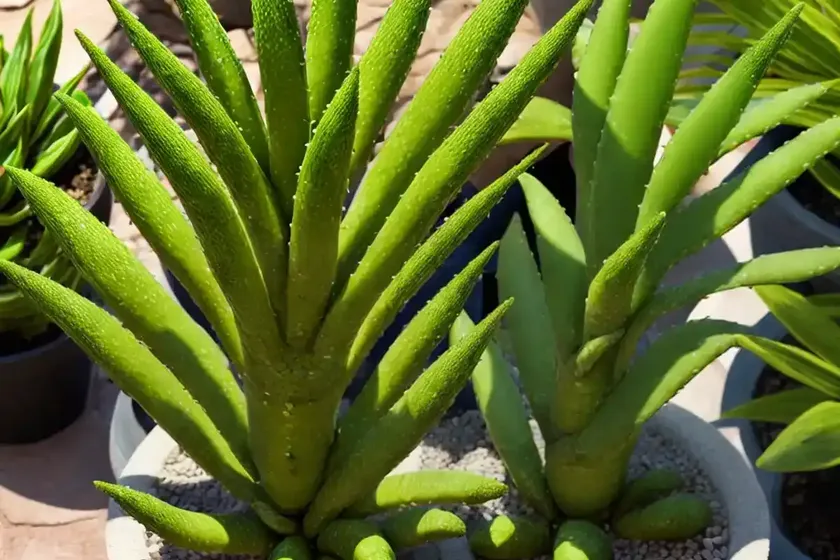
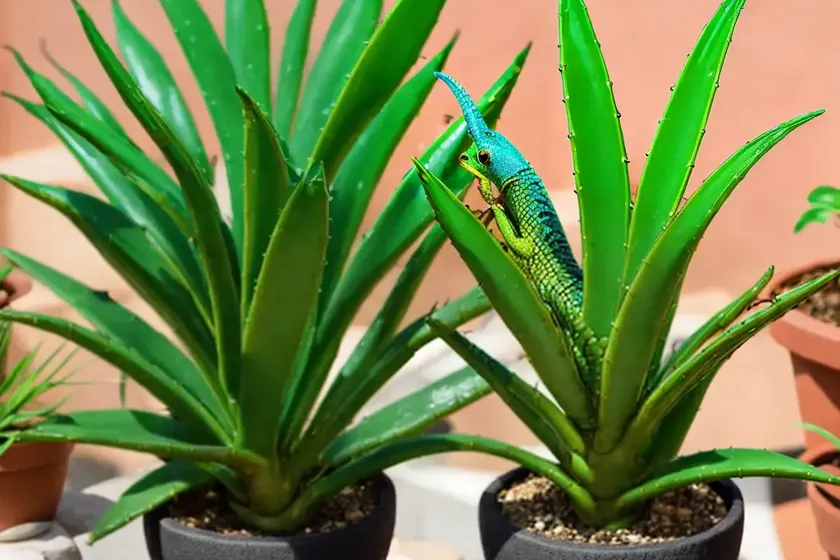
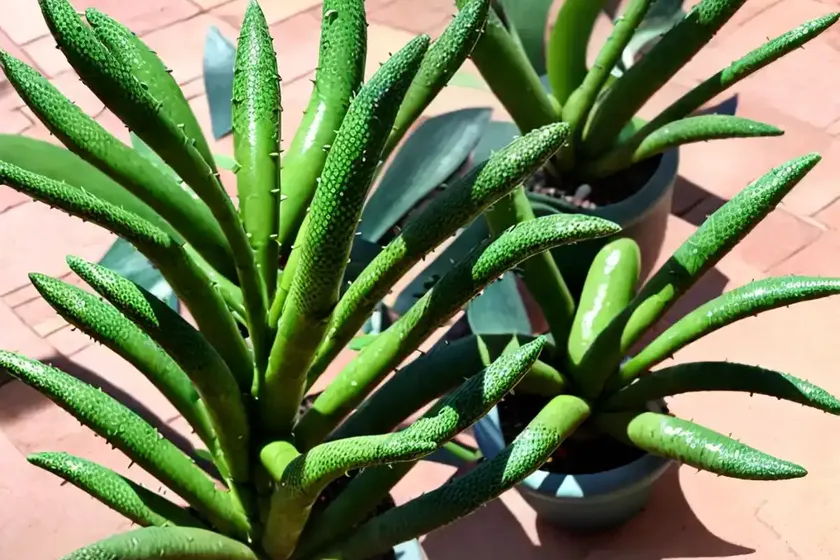
The Lizard Tail succulent, scientifically known as Gasteraloe beguinii, is a unique and striking plant that adds a touch of exotic beauty to any indoor or outdoor space. This plant belongs to the family Asphodelaceae and is a hybrid of two similar genera, Gasteria and Aloe. The resulting hybrid, Gasteraloe, inherits desirable characteristics from both parent plants, making it an intriguing addition to any plant collection.
With its ornamental qualities, low maintenance requirements, and resilience, the Lizard Tail succulent has gained popularity among plant enthusiasts and has become a staple in sustainable gardening practices. In this comprehensive guide, we will delve into the various aspects of this fascinating plant, covering its culture, uses, care requirements, and much more.
What is the Lizard Tail Succulent (Gasteraloe beguinii)?
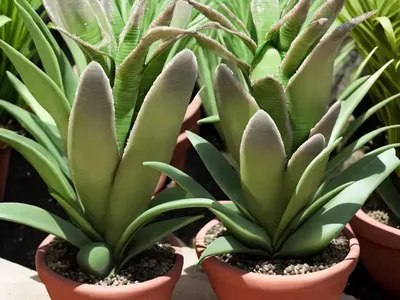
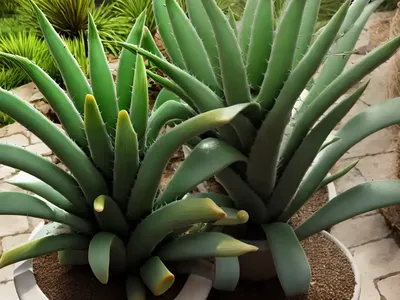
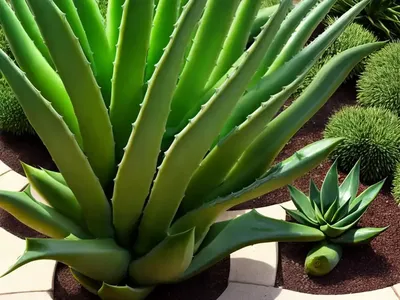
The Lizard Tail succulent, or Gasteraloe beguinii, is a visually appealing plant characterized by its fleshy, triangular, and slightly curved leaves that form a rosette. The leaves are often adorned with eye-catching patterns, including mottled green surfaces and distinctive white spots or speckles, adding to the plant’s visual allure.
Key Takeaways
- Scientific Name: Gasteraloe beguinii
- Family: Asphodelaceae
- Common Names: Lizard Tail succulent, Lizard Tail plant
- Origin: Hybrid of Gasteria and Aloe genera
- Characteristics: Fleshy, triangular leaves with mottled green surfaces and white spots
With its unique characteristics and striking appearance, the Lizard Tail succulent holds immense potential as a captivating addition to both indoor and outdoor environments. To fully appreciate and cultivate this remarkable plant, it is essential to understand its culture, uses, and specific care requirements.
Culture
Understanding the cultural preferences of the Lizard Tail succulent is crucial for creating an environment where it can thrive and flourish. From its water and sunlight needs to its soil and fertilizer preferences, the following sections will provide valuable insights into the optimal conditions for nurturing this plant.
Uses
The Lizard Tail succulent boasts a range of uses, making it a versatile and valuable addition to any garden or living space. Some common applications of this visually appealing plant include:
- Ornamental Purposes: The distinctive foliage of the Lizard Tail succulent makes it an excellent choice for ornamental landscaping, container gardening, and indoor decoration.
- Xeriscaping: With its drought-tolerant nature, the Lizard Tail succulent is well-suited for xeriscaping, a landscaping technique that reduces or eliminates the need for supplemental irrigation.
- Air Purification: Like many other succulent plants, the Lizard Tail succulent contributes to indoor air purification by removing toxins and impurities from the air.
The diverse uses of this plant underscore its versatility and potential to enhance various aspects of both indoor and outdoor environments.
Water
Proper watering is essential for the health and vigor of the Lizard Tail succulent. Understanding the watering requirements of this plant is crucial to prevent issues such as overwatering or underwatering, both of which can negatively impact its growth and overall well-being.
- Watering Frequency: The Lizard Tail succulent should be watered sparingly, allowing the soil to dry out partially between waterings. As a general guideline, water the plant when the top inch of the soil feels dry to the touch.
- Avoid Waterlogged Soil: Overwatering can lead to root rot and other moisture-related issues, so it is important to ensure that the plant’s container or planting site provides adequate drainage to prevent waterlogging.
- Seasonal Adjustments: During the active growing season, typically spring and summer, the Lizard Tail succulent may require more frequent watering. In contrast, reduced watering is necessary during the plant’s dormant period in fall and winter.
By adhering to proper watering practices and monitoring the plant’s moisture needs, you can help maintain its health and vitality.
Sunlight
Like many succulent plants, the Lizard Tail succulent thrives in bright, indirect sunlight and can also adapt to partial sun or light shade. Understanding the sunlight preferences of this plant is essential for optimizing its growth and promoting vibrant foliage.
- Ideal Light Conditions: Place the Lizard Tail succulent in a location with bright, indirect sunlight, such as a south- or west-facing window. If grown outdoors, ensure that the plant receives adequate sunlight while being protected from intense midday sun.
- Adjusting for Seasonal Changes: During the hot summer months, provide some protection from direct midday sun to prevent leaf scorch. In contrast, additional light may be beneficial during the shorter, darker days of winter to support healthy growth.
By providing the Lizard Tail succulent with the right balance of light, you can encourage robust growth and maintain its attractive appearance.
Fertilizer
Although the Lizard Tail succulent is relatively low-maintenance, providing the plant with occasional fertilization can support its growth and overall well-being. However, it is crucial to use a balanced and diluted fertilizer to avoid overfeeding and potential damage to the plant.
- Fertilization Frequency: During the active growing season in spring and summer, apply a balanced, water-soluble fertilizer to the plant at half-strength once a month. Refrain from fertilizing during the plant’s dormant period in fall and winter.
- Selecting the Right Fertilizer: Use a fertilizer specifically formulated for succulent plants, or choose a balanced, all-purpose fertilizer diluted to half or quarter strength to avoid overwhelming the plant with nutrients.
- Application Technique: Apply the diluted fertilizer to the soil around the base of the plant, taking care to avoid contact with the leaves to prevent potential damage.
By incorporating proper fertilization practices into your care routine, you can support the Lizard Tail succulent’s growth and vitality without risking nutrient imbalances.
Soil
The choice of soil for the Lizard Tail succulent plays a pivotal role in providing adequate drainage and aeration for its root system. Using the right type of soil can contribute to the plant’s overall health and resilience.
- Well-Draining Soil Mix: Use a well-draining soil mix specifically formulated for succulent plants or prepare a custom blend by combining regular potting soil with sand, perlite, or pumice to improve drainage.
- Avoid Waterlogged Conditions: The soil should allow excess water to drain easily, preventing the roots from sitting in water and becoming susceptible to rot.
- Container Size and Drainage: When planting the Lizard Tail succulent in containers, ensure that the pots have drainage holes to facilitate the removal of excess water and prevent water accumulation at the root level.
By providing the Lizard Tail succulent with a suitable growing medium, you can create an environment that promotes healthy root development and overall plant vitality.
Pruning
Pruning the Lizard Tail succulent is a relatively straightforward process that primarily involves the removal of dead or damaged leaves to maintain the plant’s appearance and health. Additionally, occasional trimming can help manage the plant’s size and shape, ensuring a visually appealing and well-maintained appearance.
- Sterilize Tools: Before pruning the Lizard Tail succulent or any other plants, it is important to sanitize your cutting tools to minimize the risk of spreading diseases or infections.
- Removing Dead or Yellowing Leaves: Periodically inspect the plant for dead or yellowing leaves and trim them close to the stem using clean, sharp scissors or pruning shears.
- Managing Overgrowth: If the Lizard Tail succulent begins to outgrow its designated space or becomes leggy, prune the excessive growth to maintain a compact and aesthetically pleasing form.
By incorporating regular pruning into your plant care routine, you can promote a tidy and healthy appearance for the Lizard Tail succulent while mitigating the risk of disease or infestation.
Propagation
The propagation of the Lizard Tail succulent offers an exciting opportunity to expand your plant collection and share the beauty of this unique species with others. Understanding the various propagation methods and techniques is essential for successfully cultivating new plants from existing specimens.
- Propagation through Offsets: The Lizard Tail succulent produces offsets, also known as “pups,” that can be carefully separated from the parent plant and replanted to establish new individuals.
- Gently remove the offsets from the base of the parent plant, taking care to preserve their roots if present.
- Allow the separated offsets to callus for a day or two before planting them in a well-draining succulent soil mix.
-
Water the newly planted offsets lightly and provide them with bright, indirect sunlight while they establish roots.
-
Leaf Cuttings: Another effective propagation method involves using leaf cuttings to propagate new plants.
- Select healthy leaves from the Lizard Tail succulent and allow the leaf cuttings to callus for a day or two to prevent moisture-related issues.
- Plant the callused end of the leaf cuttings in a shallow tray or pot filled with a well-draining succulent soil mix.
- Water the soil lightly to establish contact between the leaf cuttings and the soil, and provide them with indirect sunlight to support rooting.
By exploring different propagation techniques and experimenting with the methods that best suit your preferences and environment, you can propagate new Lizard Tail succulent plants and witness the rewarding process of growth and development.
Container Popularity
The Lizard Tail succulent’s container popularity stems from its adaptability to container gardening, making it an appealing choice for indoor and outdoor cultivation. Whether grown as a standalone specimen or included in succulent arrangements, this plant can thrive in various container sizes and styles.
- Container Selection: When choosing a container for the Lizard Tail succulent, opt for pots or planters with adequate drainage holes to prevent waterlogging and promote healthy root conditions.
- Indoor Display: In indoor settings, display the Lizard Tail succulent in decorative containers that complement its aesthetic appeal, such as ceramic pots, terracotta planters, or modern, minimalist vessels.
- Outdoor Arrangements: When incorporating the Lizard Tail succulent into outdoor container gardens, consider grouping it with other succulent varieties to create visually engaging and diverse arrangements.
The ability of the Lizard Tail succulent to thrive in containers opens up numerous opportunities for creative expression and personalized cultivation, allowing plant enthusiasts to showcase its beauty in a manner that suits their individual preferences and style.
Common Diseases
While the Lizard Tail succulent is generally resilient and low-maintenance, it is not immune to certain common diseases and issues that can affect succulent plants. Understanding the signs, causes, and potential treatments for these ailments is essential for safeguarding the plant’s health and vitality.
Disease Diagnosis
Some common diseases and health issues that may affect the Lizard Tail succulent include:
- Rot-related Issues: Excessive moisture or poor drainage can lead to root rot, stem rot, or leaf rot, characterized by soft, discolored, or mushy plant tissue.
- Fungal Infections: Fungal pathogens can cause issues such as powdery mildew, leaf spots, or stem rot, affecting the appearance and health of the plant.
- Pest-Related Damage: While not diseases in the traditional sense, pest infestations by insects such as mealybugs, aphids, or spider mites can impact the Lizard Tail succulent’s growth and vitality.
Understanding the symptoms and potential causes of these issues is instrumental in diagnosing and addressing them promptly, minimizing the risk of long-term harm to the plant.
Common Pests
In addition to diseases, the Lizard Tail succulent can also fall victim to various pests that pose a threat to its well-being. Identifying these common pests and implementing targeted pest management strategies is crucial for preserving the plant’s health and preventing infestations.
Botanist’s Tips
- Mealybugs: These soft-bodied insects can appear as white, cottony masses on the leaves and stems of succulent plants, sapping their nutrients and weakening their overall condition. Treat mealybug infestations by physically removing the pests and using insecticidal soaps or horticultural oils.
- Aphids: Small, sap-sucking insects, aphids can cause distorted growth and yellowing of foliage. Control aphid populations by rinsing the plant with water, applying insecticidal soap, or introducing natural predators such as ladybugs.
- Spider Mites: These microscopic pests can proliferate in dry, dusty conditions, causing stippling, webbing, and damage to the plant. Address spider mite infestations by improving humidity levels, spraying the plant with water, or using miticides as needed.
By remaining vigilant and taking proactive measures to combat potential pest issues, you can help safeguard the health and vitality of the Lizard Tail succulent, ensuring its continued growth and ornamental appeal.
Fun Facts
As a plant enthusiast, it’s always fascinating to delve into the unique and intriguing aspects of different plant species. The Lizard Tail succulent boasts several fun and interesting facts that add to its allure and appeal:
- Medicinal Uses: Some succulent plants, including certain species of Aloe, have been historically utilized for their medicinal properties, with applications ranging from skincare to digestive health support.
- Hybrid Characteristics: As a hybrid of Gasteria and Aloe, the Lizard Tail succulent inherits distinctive traits from both parent genera, resulting in its visually captivating appearance and resilience.
- Seasonal Color Changes: The foliage of the Lizard Tail succulent may undergo seasonal color variations, with some plants exhibiting intensified pigmentation or different patterns in response to environmental cues.
- Air-Purifying Qualities: Like many other succulent plants, the Lizard Tail succulent contributes to air purification by removing toxins and impurities, promoting a healthier indoor environment.
Exploring the captivating and diverse characteristics of the Lizard Tail succulent adds depth to the appreciation of this remarkable plant, underscoring its intrinsic value and appeal as a botanical specimen.
Links to External Resources
To further enhance your knowledge and understanding of the Lizard Tail succulent, consider exploring the following external resources for valuable insights, tips, and information:
- Succulent Plant Care Guide: A comprehensive guide to the care and cultivation of a wide range of succulent plants, offering practical tips and advice for successful growth.
- Gardening Forums and Communities: Engage with fellow plant enthusiasts, share experiences, and seek advice on cultivating and caring for the Lizard Tail succulent and other succulent species.
- Botanical Gardens and Arboretums: Visit local or renowned botanical gardens to discover a diverse array of succulent plants, including the Lizard Tail succulent, and gain inspiration for your own garden or plant collection.
By tapping into external resources and the collective expertise of fellow plant enthusiasts, you can enrich your understanding of the Lizard Tail succulent and cultivate a deeper appreciation for its unique qualities and contributions to sustainable gardening practices.
Conclusion
The Lizard Tail succulent, or Gasteraloe beguinii, stands out as a captivating and resilient plant that embodies the beauty and allure of succulent species. From its striking foliage and cultural preferences to its diverse uses and care requirements, this distinctive plant offers a wealth of possibilities for both indoor and outdoor cultivation.
By embracing the insights and recommendations presented in this comprehensive guide, you can embark on a rewarding journey of nurturing and appreciating the Lizard Tail succulent, harnessing its ornamental qualities and sustainable gardening benefits. Whether you are a seasoned plant enthusiast or a beginner in the world of succulents, the Lizard Tail succulent holds the potential to enrich your botanical pursuits and leave a lasting impression as a cherished addition to your plant collection.
As you embark on your journey with the Lizard Tail succulent, remember to approach its care with patience, curiosity, and a willingness to learn from the plant’s remarkable resilience and captivating beauty. From its unique propagation methods to its decorative uses and air-purifying properties, the Lizard Tail succulent offers a multitude of experiences and discoveries that are sure to inspire and delight plant enthusiasts of all ages and backgrounds.