Little Feather Plant (Calathea Lietzei)
As a plant scientist and enthusiast, I find myself continuously fascinated by the diversity and beauty of the plant kingdom. One particular species that.
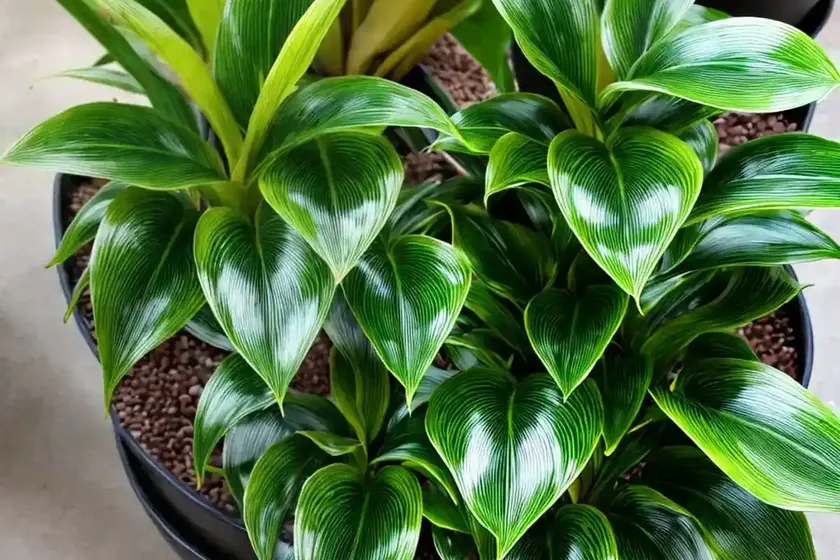
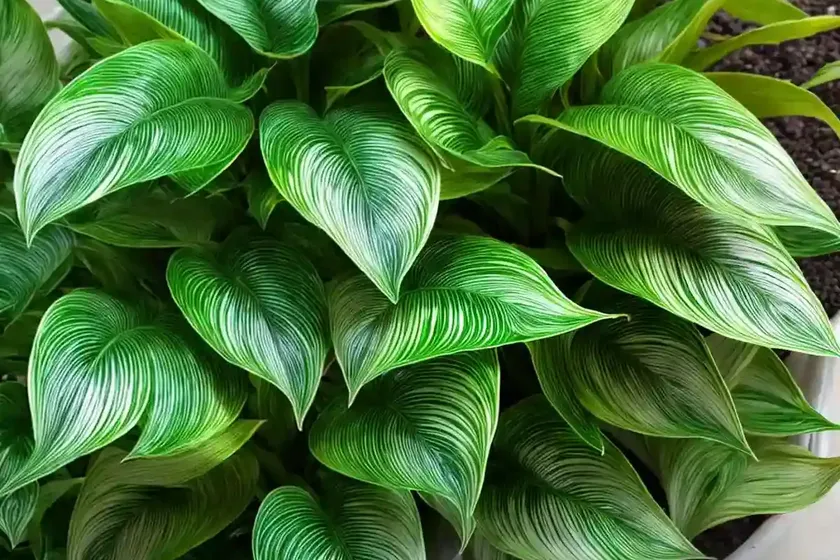
As a plant scientist and enthusiast, I find myself continuously fascinated by the diversity and beauty of the plant kingdom. One particular species that captivates both novice and experienced plant enthusiasts alike is the Little Feather Plant, scientifically known as Calathea Lietzei. This tropical plant has garnered attention for its striking foliage and unique characteristics, making it a popular choice for indoor gardening and botanical enthusiasts.
In this comprehensive guide, we will delve into the fascinating world of the Little Feather Plant, exploring its cultural significance, uses, care requirements, propagation, common diseases and pests, and much more. Whether you are a seasoned plant parent or just beginning your journey in the world of indoor gardening, this guide will equip you with valuable insights to nurture and appreciate your Little Feather Plant to its fullest potential.
What is the Little Feather Plant (Calathea Lietzei)?
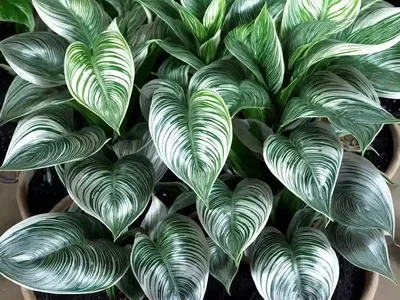
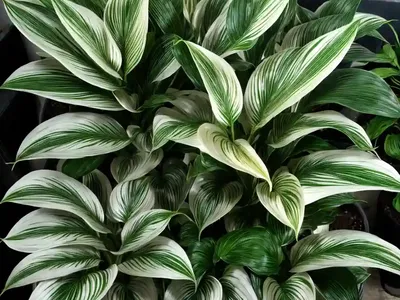
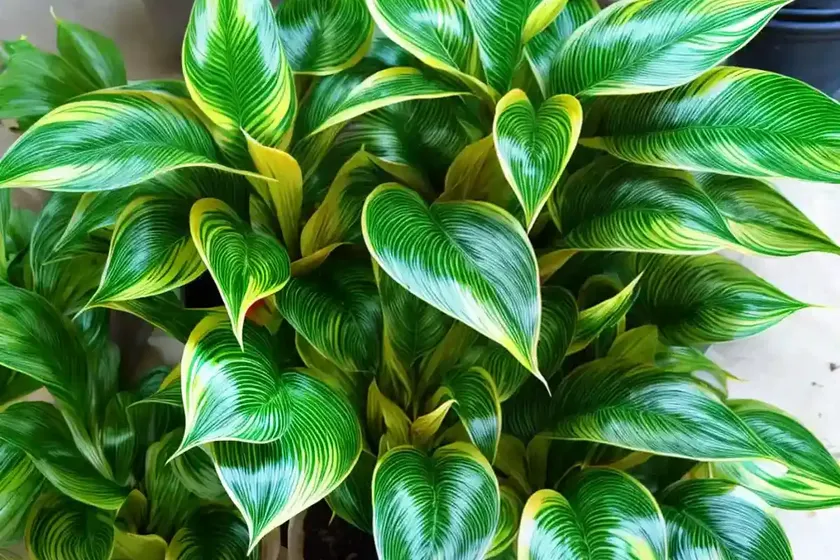
The Little Feather Plant, or Calathea Lietzei, is a member of the Marantaceae family, native to the tropical regions of Brazil. This distinctive plant is renowned for its striking foliage, characterized by elongated, feather-like leaves with bold patterns and colors, adding a touch of elegance to any indoor space. The name “Little Feather Plant” aptly describes the feathery appearance of its leaves, which feature a remarkable combination of deep green hues and intricate patterns.
Key Takeaways – Little Feather Plant (Calathea Lietzei)
Before we delve into the detailed care and maintenance aspects of the Little Feather Plant, let’s take a moment to highlight some key takeaways that encapsulate the essence of this captivating species:
- Botanical Name: Calathea Lietzei
- Common Name: Little Feather Plant
- Family: Marantaceae
- Native Habitat: Brazil (tropical regions)
- Foliage: Elongated, feather-like leaves with intricate patterns
- Uses: Ornamental, decorative, air-purifying
- Special Features: Non-toxic to pets, suitable for low-light conditions
- Growth Rate: Moderate
Now that we have a foundational understanding of the Little Feather Plant, let’s proceed to explore the essential care requirements and characteristics that contribute to its overall well-being.
Culture
The cultural significance of the Little Feather Plant extends beyond its aesthetic appeal, as it holds a special place in various traditions and practices. In many cultures, it is revered for its association with beauty, resilience, and natural elegance. Additionally, the unique patterns and movements of its leaves have inspired artistic interpretations and creative expressions across different art forms.
Uses
The Little Feather Plant serves a multitude of purposes, primarily as an ornamental and decorative plant. Its vibrant foliage and air-purifying properties make it an ideal choice for enhancing indoor spaces, including homes, offices, and public areas. Furthermore, its non-toxic nature makes it safe for households with pets, offering a perfect blend of beauty and practicality.
Care Requirements
Successfully cultivating and caring for the Little Feather Plant hinges upon understanding and meeting its specific needs. From water and sunlight to soil and humidity, each element plays a crucial role in fostering the optimal growth and vibrancy of this tropical species.
Water
Calathea Lietzei Care Tips for Watering:
– Maintain consistently moist soil, but avoid waterlogging.
– Use room temperature water to avoid shocking the plant.
– Adjust watering frequency based on seasonal changes and growth patterns.
Sunlight
Little Feather Plant Light Conditions:
– Indirect, filtered sunlight is ideal for the Little Feather Plant.
– Protect the plant from direct exposure to harsh, midday sun.
– Rotate the plant occasionally to ensure balanced light exposure on all sides.
Fertilizer
Fertilizing Schedule for Calathea Lietzei:
– Apply a balanced, diluted fertilizer during the growing season.
– Opt for a fertilizer specifically formulated for tropical foliage plants.
– Avoid over-fertilizing, as it can lead to salt build-up and affect the plant’s health.
Soil
Best Potting Mix for Calathea Lietzei:
– Utilize a well-draining, peat-based potting mix.
– Ensure adequate aeration and moisture retention in the soil.
– Consider adding organic matter to enhance soil structure and fertility.
Pruning
Pruning Calathea Lietzei Leaves:
– Trim yellowing or damaged leaves to promote overall plant health.
– Use sterilized pruners to prevent the spread of diseases.
– Avoid excessive pruning, as it can stress the plant and disrupt its growth.
Propagation
Propagation Methods for Little Feather Plant:
– Propagate through division, utilizing healthy rhizomes with multiple shoots.
– Establish new plants in separate containers with suitable growing conditions.
– Monitor the newly propagated plants closely to ensure successful establishment.
Container
Little Feather Plant Container Requirements:
– Select a container with drainage holes to prevent waterlogging.
– Choose a container that accommodates the plant’s root system and allows room for growth.
– Consider decorative or functional containers that complement the plant’s aesthetic appeal.
Popularity
The popularity of the Little Feather Plant, or Calathea Lietzei, has surged in recent years, emerging as a sought-after choice for indoor plant enthusiasts and interior decorators. Its distinctive foliage patterns, ease of care, and versatility in various lighting conditions contribute to its rising appeal among both seasoned plant parents and newcomers to the world of tropical plants.
As the demand for unique and visually striking indoor plants continues to grow, the Little Feather Plant has carved out a niche for itself as a standout species that effortlessly elevates interior spaces with its elegant presence. Its growing popularity is further amplified by its compatibility with different décor styles, ranging from minimalist and modern to eclectic and tropical-themed settings.
Common Diseases
Despite being relatively resilient, the Little Feather Plant is susceptible to certain diseases and physiological disorders that can impact its growth and appearance. Understanding the common diseases and their potential causes is crucial for implementing timely interventions and maintaining the plant’s overall health.
Disease Diagnosis
- Leaf Spot Diseases: Identify circular, water-soaked lesions with distinct margins on the leaves.
- Fungal Infections: Recognize signs of mold, mildew, or powdery growth on the foliage.
- Root Rot: Monitor for wilting, yellowing, or mushy roots, indicating potential rotting.
Common Pests
In addition to diseases, the Little Feather Plant may encounter various pests that can compromise its vigor and aesthetics. Familiarizing yourself with the common pests and employing effective pest management strategies is essential for safeguarding the overall well-being of the plant.
Common Pests
- Spider Mites: Look for fine webbing and stippling on the leaves, indicating spider mite infestation.
- Mealybugs: Identify fluffy, white masses on the foliage or stems, signaling the presence of mealybugs.
- Scale Insects: Keep an eye out for raised, waxy bumps on the plant, indicating a scale infestation.
Botanist’s Tips
As a plant scientist with a deep appreciation for the intricate beauty of the Little Feather Plant, I have compiled a set of valuable tips to enhance the care and cultivation experience for fellow enthusiasts. These insights draw from both scientific knowledge and practical experience, offering actionable recommendations to nurture and enjoy the enchanting presence of Calathea Lietzei.
Botanist’s Tips for Little Feather Plant Care:
- Maintain Consistent Humidity: Consider using a humidifier or pebble tray to create an environment conducive to the plant’s moisture needs.
- Prune Mindfully: Exercise care when pruning the leaves, focusing on removing damaged or yellowing foliage while preserving the plant’s natural elegance.
- Monitor Temperature Fluctuations: Shield the plant from sudden temperature changes and drafts, as they can stress the delicate foliage.
- Observe Leaf Movements: Take note of the plant’s daily leaf movements, which respond to diurnal variations and demonstrate its dynamic nature.
- Introduce Companion Plants Thoughtfully: Pair the Little Feather Plant with compatible companions that share its moisture and light requirements, creating harmonious arrangements.
Fun Facts
Before we conclude our comprehensive exploration of the Little Feather Plant, let’s uncover some intriguing and delightful fun facts about Calathea Lietzei that enrich our understanding of this captivating species:
- The rhythmic “prayer” movements of Calathea Lietzei’s leaves have earned it the endearing nickname of “Prayer Plant” among botanical enthusiasts.
- In its native habitat, the Little Feather Plant thrives beneath the lush canopies of tropical forests, adapting to the dappled sunlight and humid microclimate.
- Calathea Lietzei’s intricate leaf patterning serves as a natural defense mechanism, providing camouflage and deterring herbivory in its native environment.
Links to External Resources
To further enhance your knowledge and appreciation of the Little Feather Plant, I have curated a selection of authoritative and insightful resources that offer valuable insights, care tips, and visual inspiration related to Calathea Lietzei. Explore these links to expand your understanding and foster a deeper connection with this enchanting tropical species:
- The Spruce – How to Care for Calathea Lietzei
- Gardening Know How – Little Feather Plant Care Guide
- American Society for the Prevention of Cruelty to Animals (ASPCA) – Pet-Safe Plants: Calathea Lietzei
Conclusion
In the realm of indoor gardening and botanical pursuits, the Little Feather Plant, or Calathea Lietzei, stands as a testament to nature’s boundless creativity and allure. From its graceful leaf movements to its air-purifying properties, this tropical species continues to captivate plant enthusiasts and enthusiasts with its enchanting presence.
By embracing the insights and care guidelines outlined in this comprehensive guide, you can embark on a rewarding journey of nurturing and admiring the Little Feather Plant in your own indoor oasis. Whether you are drawn to its vibrant foliage, air-purifying qualities, or dynamic leaf movements, Calathea Lietzei offers a wealth of wonder and beauty for you to explore and cherish.
As you cultivate and care for your Little Feather Plant, may its lush greenery and intricate patterns serve as a source of inspiration and tranquility, enriching your living spaces and fostering a deeper connection with the natural world.
Happy gardening!
This comprehensive guide provides an in-depth exploration of the Little Feather Plant (Calathea Lietzei), encompassing its cultural significance, care requirements, common diseases and pests, and valuable insights for nurturing this captivating tropical species. Whether you are a seasoned plant parent or just beginning your indoor gardening journey, this guide equips you with the knowledge and resources to cultivate and appreciate the beauty of Calathea Lietzei. For further information and inspiration, explore the curated links to authoritative external resources, further enriching your understanding of this enchanting plant.