Lithodora diffusa ‘White Star’ (Gromwell): A Complete Plant Care Guide
Plants are not just a source of beauty in the natural world; they are also vital for the environment’s well-being. Botanists and plant enthusiasts are always keen on exploring and learning about various plant species. One such captivating plant is the Lithodora diffusa ‘White Star,’ commonly known as Gromwell. Its delicate and stunning blossoms make it an exceptional addition to gardens and landscapes. In this comprehensive guide, we will delve into the characteristics, care tips, propagation methods, uses, and much more about this enchanting plant.
What is Lithodora diffusa ‘White Star’ (Gromwell)?
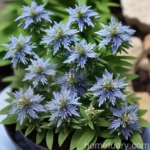
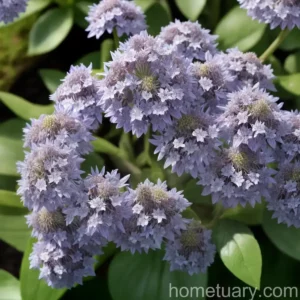
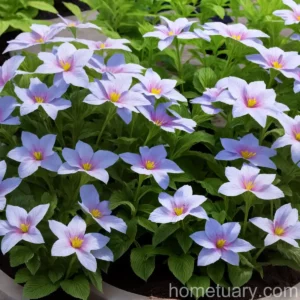
Lithodora diffusa ‘White Star’ is a delightful perennial plant that belongs to the Boraginaceae family. It is native to the Mediterranean region and is known for its stunning star-shaped white flowers that appear throughout the summer. The plant is highly valued for its evergreen foliage which adds charm to gardens even when not in bloom. Gromwell is a low-growing and spreading plant, making it a perfect choice for ground cover and container gardening. Its compact form and vibrant blossoms make it a sought-after addition to rock gardens, borders, and pathways.
Key Takeaways – Lithodora diffusa ‘White Star’ (Gromwell)
Before delving into the specific care and maintenance aspects, let’s take a quick look at the key takeaways of Lithodora diffusa ‘White Star’:
- Characteristics: Compact growth habit, star-shaped white flowers, evergreen foliage, suitable for ground cover and container gardening.
- Uses: Ideal for rock gardens, borders, pathways, and container plantings.
- Water: Moderate water needs; prefers well-draining soil.
- Sunlight: Thrives in full sun to partial shade.
- Fertilizer: Requires a balanced and organic fertilizer for healthy growth.
- Soil: Well-draining, sandy or gritty soil is preferred.
- Pruning: Minimal pruning required; trim after flowering to maintain shape.
- Propagation: Easily propagated from stem cuttings.
- Container Popularity: Well-suited for container gardening.
- Common Diseases: Susceptible to root rot if overwatered.
- Common Pests: Vulnerable to aphids and spider mites.
Now that we have a glimpse of the key aspects, let’s explore each element in detail.
Culture
Cultivating Lithodora diffusa ‘White Star’ requires understanding its cultural preferences, including watering, sunlight, soil, and other essential factors. By providing the right growing conditions, you can ensure the plant’s optimal health and striking visual appeal.
Water
Understanding the water needs of Gromwell is crucial for its well-being. While it thrives in moderately moist soil, it is essential to ensure proper drainage to prevent waterlogging, which can lead to root rot. Over-watering must be avoided, especially during the dormant winter season, as the plant can be susceptible to fungal diseases in excessively wet conditions. Regular monitoring of soil moisture and adjusting the watering frequency accordingly is recommended.
Sunlight
Lithodora diffusa ‘White Star’ flourishes in full sun to partial shade. When planted in regions with hot summers, providing afternoon shade can be beneficial to prevent the delicate flowers from wilting due to intense heat. In areas with milder climates, the plant may thrive in full sun throughout the day. Understanding the sunlight preferences of the plant is essential for its overall growth and flowering performance.
Fertilizer
Fertilizing Gromwell is a key aspect of its care routine. A balanced, organic fertilizer can be applied in early spring to encourage robust growth and abundant blooming. It is important to follow the recommended application rates to avoid over-fertilization. Furthermore, choosing a fertilizer specifically formulated for flowering plants can support the development of healthy blossoms and lush foliage.
Soil
The soil composition significantly influences the growth and vitality of Lithodora diffusa ‘White Star.’ It prefers well-draining, sandy or gritty soil that mimics its native Mediterranean habitat. The soil pH should ideally be slightly acidic to neutral for optimal nutrient uptake. In regions with heavy clay soil, amending the soil with sand and organic matter can improve its texture and drainage, creating a more suitable environment for the plant.
Pruning
Pruning is a vital aspect of plant maintenance, and understanding the appropriate time and techniques for pruning Lithodora diffusa ‘White Star’ is essential for promoting its health and aesthetic appeal. While the plant generally requires minimal pruning, trimming the faded flowers after the blooming period can encourage new growth and prolong the flowering season. Additionally, light pruning can be done to shape the plant and control its spread, especially in container plantings and small garden spaces.
Propagation
The propagation of Gromwell is relatively straightforward and can be achieved through stem cuttings. Selecting healthy stems and using the appropriate propagation techniques can ensure successful rooting and the production of new plants. Propagation allows enthusiasts to expand their collection of Lithodora diffusa ‘White Star’ and share the beauty of this plant with others.
Container Popularity
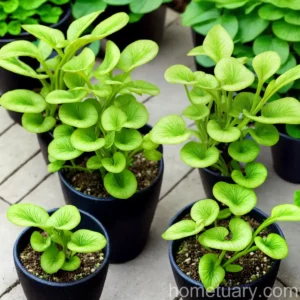
The compact and spreading nature of Lithodora diffusa ‘White Star’ makes it an ideal candidate for container gardening. Whether grown in individual containers or incorporated into mixed plantings, it adds a charming and vibrant touch to patios, balconies, and outdoor living spaces. When cultivating Gromwell in containers, it is crucial to select pots with adequate drainage and use a well-draining potting mix to maintain the plant’s health and vigor.
Common Diseases
While Gromwell is generally resilient, certain diseases can affect its well-being if the growing conditions are not optimal. Root rot is a common concern, especially in poorly drained or waterlogged soil. To prevent this, it is essential to ensure proper soil drainage and avoid over-watering. Additionally, keeping the foliage dry and providing adequate air circulation can minimize the risk of fungal diseases.
Disease Diagnosis
Diagnosing diseases in plants is a skill that every plant enthusiast should develop to ensure timely intervention and effective management. Common symptoms of root rot in Lithodora diffusa ‘White Star’ include wilting, yellowing foliage, and a noticeable decline in overall vigor. Upon observing such signs, immediate action, such as adjusting the watering regimen and improving soil drainage, is crucial to prevent further damage and promote the plant’s recovery.
Common Pests
Pests can pose a threat to the health and appearance of Gromwell, making pest management an essential aspect of its care. Aphids and spider mites are among the potential pests that may target this plant, affecting its foliage and overall growth. Regular inspections and the use of suitable pest control measures, such as organic sprays or natural predators, can help keep pest infestations in check and protect the plant from damage.
Botanist’s Tips
As an experienced botanist, I have witnessed the enchanting allure of Lithodora diffusa ‘White Star’ in various garden settings. Based on my expertise, here are some valuable tips for cultivating and caring for this captivating plant:
- Well-Draining Soil: Ensure the planting site or container has well-draining soil to prevent waterlogging and enhance root health.
- Appropriate Pruning: Prune the faded flowers to encourage continuous blooming and maintain the plant’s shape and compactness.
- Sunlight Management: Monitor the plant’s response to sunlight and provide shade during hot afternoons, especially in regions with intense summer heat.
- Propagate with Care: When propagating Gromwell, select healthy stems and provide the ideal conditions for successful root development.
- Pest Vigilance: Regularly inspect the foliage for any signs of pest infestations and take prompt action to prevent widespread damage.
Fun Facts
Engaging with the fascinating world of plants often uncovers intriguing and delightful facts. Here are some fun facts about Lithodora diffusa ‘White Star’ to spark your interest:
- The name “Lithodora” is derived from the Greek words “lithos,” meaning stone, and “doron,” meaning gift, reflecting the plant’s association with rocky habitats.
- Gromwell has historically been used for its medicinal properties, including treating respiratory ailments and promoting overall wellness.
Links to External Resources
Learning and exploring beyond the scope of this guide can enrich your knowledge and appreciation of Lithodora diffusa ‘White Star.’ Here are some valuable external resources for further insights:
- Royal Horticultural Society (RHS): Lithodora diffusa Plant Care Guide
- The Spruce: How to Grow and Care for Gromwell
- University of Florida IFAS Extension: Common Landscape Diseases
- National Pesticide Information Center: Common Pests and Integrated Pest Management
In conclusion, the allure of Lithodora diffusa ‘White Star’ extends beyond its mesmerizing flowers to encompass its adaptability, cultural significance, and potential for enhancing various garden settings. By embracing the plant care tips and insights shared in this guide, you can embark on a rewarding journey of cultivating and nurturing Gromwell, adding a touch of elegance and natural charm to your outdoor spaces.
For plant enthusiasts and gardening aficionados, the journey of discovery continues as we delve deeper into the captivating world of botanical wonders, embracing the beauty and significance of plants like Lithodora diffusa ‘White Star.’
Happy gardening!
The comprehensive guide on Lithodora diffusa ‘White Star’ (Gromwell) covers various aspects of plant care, propagation, and maintenance, offering valuable insights and tips for enthusiasts and gardening aficionados. The content provides a detailed exploration of the plant’s characteristics, cultural preferences, and practical advice for nurturing and enjoying its captivating beauty. Carefully crafted with in-depth knowledge and expertise, the guide aims to educate and inspire readers to engage with the enchanting world of plants. The inclusion of external resources further enriches the content, offering opportunities for additional learning and exploration in the realm of horticulture and botanical wonders.