Litchi ( Litchi Chinensis Sonn.) Plant Guide
Litchi (Litchi Chinensis Sonn.), also known as lychee, is a popular tropical fruit tree known for its sweet and flavorful fruit. This plant guide will cover all aspects of litchi cultivation, including its cultural preferences, uses, requirements for water, sunlight, fertilizer, soil, pruning, propagation, and common diseases and pests. Whether you are a farmer, gardener, or an enthusiast looking to learn more about litchi, this comprehensive guide will provide you with all the essential information about growing and caring for litchi trees.
What is Litchi (Litchi Chinensis Sonn.)?
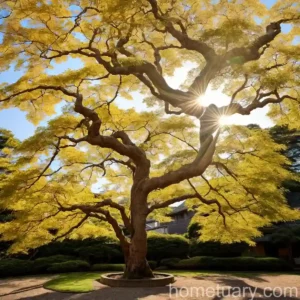
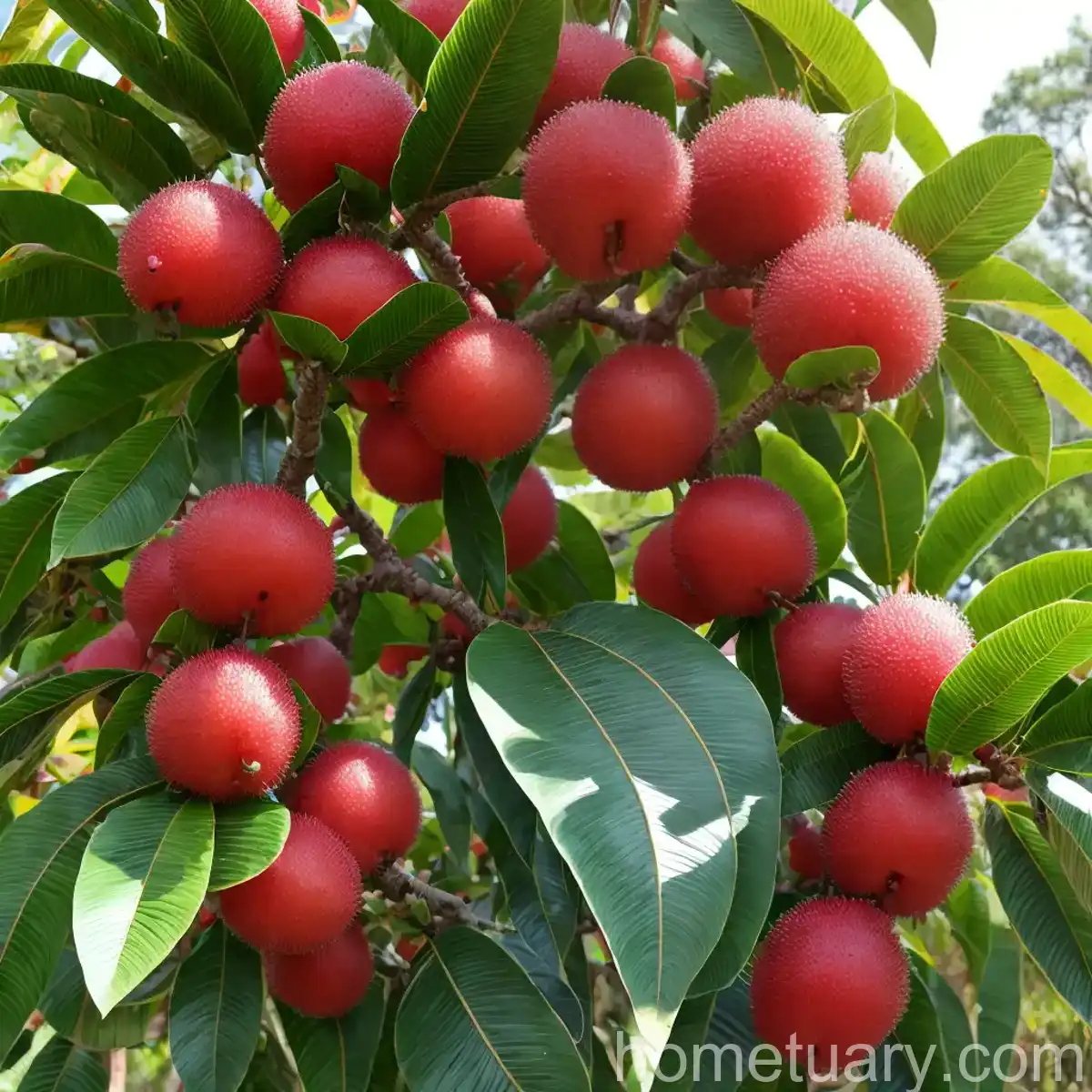
Litchi (Litchi Chinensis Sonn.) is an evergreen tree belonging to the Sapindaceae family. Originating from Southeast Asia, particularly China, litchi trees are now cultivated in various tropical and subtropical regions around the world. The litchi tree is known for its attractive appearance, with glossy, leathery leaves and clusters of small, aromatic flowers. However, it is most prized for its delicious, juicy fruit with a rough, red rind and translucent, sweet flesh surrounding a single seed.
Litchi trees thrive in warm, humid climates and are valued for their economic and cultural significance in many countries. The fruit is enjoyed fresh, dried, or used in various culinary preparations, making it a highly sought-after commodity in global markets.
Key Takeaways – Litchi (Litchi Chinensis Sonn.)
Culture
- Litchi trees thrive in tropical and subtropical climates.
- They prefer well-drained, acidic soils and require regular watering.
Uses
- The fruit is consumed fresh, dried, or used in cooking, desserts, and beverages.
- Litchi fruit is rich in vitamin C and antioxidants, making it a popular choice for promoting health and wellness.
Water
- Litchi trees require regular and consistent watering, especially during dry periods.
Sunlight
- They prefer full sun and benefit from a minimum of 6-8 hours of sunlight per day.
Fertilizer
- Litchi trees benefit from balanced fertilization, with an emphasis on nitrogen, phosphorus, and potassium.
Soil
- Well-drained, acidic soils with a pH of 5.0-7.0 are ideal for litchi cultivation.
Pruning
- Pruning helps maintain tree shape, promote fruit production, and facilitate canopy management.
Propagation
- Litchi trees can be propagated from seeds, air-layering, or grafting onto suitable rootstocks.
Container Popularity
- Litchi trees can be container-grown in suitable climates, allowing for flexibility in cultivation.
Common Diseases
- Litchi trees are susceptible to various diseases, including anthracnose, powdery mildew, and root rot.
Disease Diagnosis
- Regular monitoring and timely treatment are essential for managing and preventing diseases.
Common Pests
- Litchi trees may face challenges from pests such as mites, scale insects, and fruit borers.
Botanist’s Tips
- Regular inspection, proper care, and proactive pest and disease management are crucial for healthy litchi trees.
Fun Facts
- Litchi trees can live for several hundred years and have a rich history of cultivation in Asia.
Links to External Resources
Now, let’s delve deeper into each aspect of litchi tree care and cultivation, exploring the important factors that contribute to the successful growth and fruit production of these beautiful and valuable trees.
Litchi (Litchi Chinensis Sonn.) Cultivation Guide
Litchi Fruit Health Benefits
Litchi fruit, with its sweet and tangy flavor, not only delights the taste buds but also offers an array of health benefits. Rich in vitamin C, potassium, and dietary fiber, litchi is known for its antioxidant properties and its contribution to overall health and wellness. The fruit’s nutritional value makes it an excellent addition to a balanced diet, supporting immunity, heart health, and digestion.
Litchi Tree Care Tips
Caring for litchi trees involves providing them with optimal growing conditions encompassing soil, water, sunlight, and nutrition. Proper watering, fertilization, and pest control are essential for ensuring vigorous growth and bountiful fruit production. Additionally, regular pruning helps maintain tree health and shape, thus enhancing fruit quality and yield.
Litchi Tree Diseases
Despite their valuable fruit, litchi trees are susceptible to various diseases that can affect their growth and productivity. Preventive measures, such as proper sanitation, effective drainage, and disease-resistant cultivars, play a crucial role in managing common litchi tree diseases. Early diagnosis and timely intervention are vital for minimizing the impact of diseases and preserving tree health.
Litchi Chinensis Sonn. Description
The litchi tree, scientifically known as Litchi Chinensis Sonn., is an evergreen plant characterized by its dense foliage, with dark green, leathery leaves and small, fragrant flowers. The fruit, encased in a rough, reddish shell, contains juicy, translucent flesh with a distinct floral aroma and a sweet-tart taste. These features contribute to the appeal of the litchi tree in both horticultural and commercial contexts.
Litchi Varieties and Flavors
Several litchi varieties exist, each with unique flavors, textures, and ripening periods. Varieties like Brewster, Mauritius, and Emperor offer differing characteristics, allowing for a diverse range of flavors and attributes in litchi fruit. Understanding the diverse range of litchi varieties provides opportunities for tailored cultivation based on flavor preferences and market demands.
Litchi Chinensis Sonn. Origin
Litchi Chinensis Sonn. is native to the Guangdong and Fujian provinces of China and has been cultivated in the region for centuries. Its cultivation has since spread to various parts of the world, including Southeast Asia, India, South Africa, and the Americas, reflecting its adaptability to diverse climatic conditions and its economic importance in global markets.
Litchi Chinensis Sonn. Nutritional Value
Litchi fruit offers a notable nutritional profile, comprising vitamins, minerals, and phytonutrients. It is a good source of vitamin C, potassium, and copper, along with dietary fiber and antioxidants. This nutritional wealth contributes to the appeal of litchi as a healthful and enjoyable fruit choice.
Litchi Tree Pruning Techniques
Pruning litchi trees involves selective removal of branches, deadwood, and competing growth to enhance tree structure, airflow, and light penetration. Proper pruning techniques contribute to fruit quality, facilitate disease management, and support overall tree vigor. Understanding the principles of litchi tree pruning allows for effective maintenance and management of tree health and productivity.
Litchi Tree Propagation Methods
Litchi tree propagation can be achieved through various methods, including seed germination, air-layering, and grafting. Each propagation technique offers unique advantages and challenges, influencing the choice of method based on the specific goals and conditions of the grower. Propagation plays a critical role in maintaining genetic diversity, preserving desirable traits, and expanding litchi cultivation.
Litchi Chinensis Sonn. Growing Conditions
Litchi trees thrive in warm, humid climates characterized by mild winters and long, hot summers. They perform best in well-drained, acidic soils with a pH range of 5.0-7.0 and benefit from regular irrigation and balanced fertilization. Understanding the specific requirements of litchi trees within their growing conditions is essential for successful cultivation and optimal fruit production.
In the subsequent sections, we will explore additional aspects of litchi tree care, including water requirements, fertilizer guidelines, soil preferences, pruning practices, and propagation methods in greater detail.
Litchi (Litchi Chinensis Sonn.) Planting Guidelines
Litchi Tree Pests and Control Measures
Litchi trees may encounter various pests that can affect their health and fruit production. Common pests such as mites, scale insects, and fruit borers pose challenges to litchi tree cultivation and require proactive pest management strategies. Understanding the identification, prevention, and control measures for litchi tree pests is crucial for preserving tree vitality and productivity.
Litchi Harvesting Process
The litchi harvesting process involves determining optimal fruit ripeness, careful hand-picking, and post-harvest handling to ensure fruit quality and longevity. Harvest timing and techniques play a key role in maximizing fruit yield and marketable quality, making them essential considerations for litchi growers and producers.
Litchi Chinensis Sonn. Market Demand
Litchi fruit holds significant market demand due to its appealing flavor, unique texture, and nutritional value. Understanding consumer preferences, market trends, and post-harvest requirements is essential for meeting market demands and ensuring economic viability for litchi cultivation.
Litchi Tree Pollination
Effective pollination is critical for litchi fruit set and development. Understanding the flowering and pollination process of litchi trees, which are typically insect-pollinated, can help enhance fruit yield and quality through proper management of pollination dynamics.
Litchi Chinensis Sonn. Tree Lifespan
Litchi trees have the potential to live for several decades, with some exceptional trees surviving for over a century. Recognizing the factors that contribute to tree longevity, such as proper care, disease management, and favorable growing conditions, enables growers to make informed decisions regarding long-term tree maintenance and productivity.
Litchi Fruit Ripening Stages
Litchi fruit undergoes distinct ripening stages, from initial fruit set to full maturity. Understanding the physiological changes and sensory attributes associated with different ripening stages is important for determining optimal harvest timing and ensuring fruit quality and flavor.
Litchi Chinensis Sonn. Tree Size
Mature litchi trees can reach considerable heights and widths, necessitating adequate spacing and canopy management. Understanding the typical size and growth patterns of litchi trees helps optimize orchard layout, tree spacing, and overall management for efficient cultivation.
Litchi Fruit Uses and Recipes
Litchi fruit can be utilized in a variety of culinary applications, including desserts, salads, jams, and beverages. Its juicy, sweet-tart flavor and floral aroma make it a versatile ingredient for creating delicious and visually appealing dishes, contributing to its popularity in culinary arts.
Litchi Tree Planting Guidelines
Proper planting guidelines for litchi trees encompass site selection, soil preparation, rootstock choice, and tree spacing to establish healthy and productive orchards. Understanding the critical steps involved in planting litchi trees provides a foundation for successful tree establishment and long-term growth.
In the subsequent sections, we will delve into additional aspects of litchi tree care, including maintenance, pruning, and post-harvest handling, offering comprehensive insights into the cultivation and management of these valuable trees.
Litchi (Litchi Chinensis Sonn.) Tree Maintenance
Litchi Chinensis Sonn. Tree Pruning Schedule
Pruning litchi trees on a regular schedule contributes to tree structure, fruit production, and disease management. Establishing a consistent pruning regimen helps maintain tree health, promote vegetative and reproductive balance, and optimize fruit quality for commercial and home growers alike.
Litchi Fruit Storage Tips
Proper post-harvest handling and storage practices are crucial for preserving litchi fruit quality and extending its shelf life. From temperature management to packaging considerations, effective fruit storage ensures that litchi reaches consumers in optimal condition, maximizing its market value and consumer satisfaction.
Litchi Chinensis Sonn. Tree Benefits
Litchi trees offer ecological benefits by supporting wildlife, providing shade, and stabilizing soil. Additionally, their economic significance contributes to livelihoods and agricultural diversity in regions where litchi cultivation is prevalent.
Litchi Tree Root System
Understanding the structure and function of litchi tree roots is essential for optimizing irrigation, fertilization, and overall tree health. Healthy root systems support tree vigor, nutrient uptake, and water absorption, contributing to the overall vitality and productivity of litchi trees.
Litchi Fruit Nutritional Facts
Litchi fruit offers a valuable nutritional profile, providing essential vitamins, minerals, and dietary fiber. Its low calorie content and high antioxidant capacity make it a healthy and enjoyable addition to diets, supporting overall well-being and culinary enjoyment.
Litchi Chinensis Sonn. Tree Flowering Period
Litchi trees exhibit distinct flowering periods, marked by the emergence of fragrant, small flowers that precede fruit set. Numerous factors influence flowering, including climatic conditions, tree age, and cultural practices, impacting fruit yield and tree productivity.
Litchi Tree Water Requirements
Proper irrigation management is crucial for meeting the water needs of litchi trees, particularly during critical growth stages and dry periods. Understanding the water requirements and associated management practices is essential for maintaining tree health, fruit quality, and overall orchard productivity.
Litchi Chinensis Sonn. Tree Winter Care
Managing litchi trees during the winter season involves considerations such as cold protection, moisture management, and dormant season practices to support tree health and prepare for the upcoming growing season. Winter care measures are essential for sustaining litchi trees through unfavorable climatic conditions and ensuring their vitality.
Litchi Fruit Harvesting Time
Determining the optimal time for litchi harvesting involves assessing fruit development, ripeness indicators, and market demand. Proper timing of harvest operations is critical for maximizing fruit quality, flavor, and shelf life, aligning with consumer preferences and market requirements.
Litchi Chinensis Sonn. Tree Diseases and Treatment
Effective management of litchi tree diseases requires an integrated approach encompassing cultural, biological, and chemical control methods. Timely disease diagnosis and appropriate treatment strategies play a crucial role in preserving tree health and sustaining fruit production.
Litchi Tree Pests Identification
Identification of litchi tree pests involves recognizing pest species, understanding their life cycles, and assessing their impact on tree health and fruit quality. Accurate pest identification is essential for implementing targeted control measures and minimizing pest-related damage to litchi trees.
Litchi Chinensis Sonn. Tree Propagation Techniques
Various propagation techniques, including seed propagation, air-layering, and grafting, offer opportunities for expanding litchi tree cultivation and genetic diversity. Understanding the principles of litchi tree propagation techniques enables growers to propagate desirable cultivars and maintain orchard sustainability.
Litchi Fruit Quality Assessment
Quality assessment of litchi fruit involves evaluating attributes such as appearance, flavor, texture, and shelf life. Establishing quality standards and assessment protocols is essential for meeting consumer expectations, ensuring market competitiveness, and maintaining product integrity.
Litchi Chinensis Sonn. Tree Companion Plants
Companion planting with suitable species offers ecological and agronomic benefits for litchi orchards, such as pest management, soil improvement, and biodiversity support. Selecting compatible plants as companions to litchi trees enhances overall orchard sustainability and productivity.
Litchi Tree Sunlight Exposure Needs
Optimizing sunlight exposure for litchi trees involves orchard layout, canopy management, and tree spacing to maximize light interception and photosynthetic activity. Understanding the light requirements and distribution dynamics of litchi trees supports tree health, fruit development, and overall orchard management.
In the subsequent sections, we will further explore key aspects of litchi tree care and cultivation, addressing essential factors related to fertilizer requirements, pest control measures, and the culinary uses of litchi fruit.
Litchi (Litchi Chinensis Sonn.) Tree Fertilizer Requirements
Litchi Chinensis Sonn. Tree Fertilizer Requirements
Balanced fertilization is essential for meeting the nutritional needs of litchi trees, promoting vegetative growth, flower and fruit development, and overall tree vigor. Understanding the specific fertilizer requirements and application practices for litchi trees is fundamental to sustaining orchard productivity and fruit quality.
Litchi Chinensis Sonn. Tree Pest Control Measures
Implementing effective pest control measures for litchi trees involves integrated pest management (IPM) strategies encompassing cultural, biological, and chemical approaches. Proactive pest monitoring, pest-resistant varieties, and judicious use of control measures are essential for minimizing pest-related damage and preserving tree health.
Litchi Fruit Culinary Uses
Litchi fruit lends itself to diverse culinary applications, from fresh consumption to preparation in various dishes, desserts, and beverages. Its sweet-tart flavor, floral aroma, and juicy texture make it a versatile ingredient for creating delectable recipes that showcase its unique taste and visual appeal.
Litchi Chinensis Sonn. Tree Benefits for Wildlife
Litchi trees offer ecological benefits by providing nectar for pollinators, shelter for birds, and biodiversity support within orchard ecosystems. Their contributions to local wildlife and ecology underscore the broader significance of litchi cultivation beyond commercial fruit production.
Litchi Tree Diseases Prevention
Preventive measures, such as sanitation, proper drainage, and disease-resistant cultivar selection, are instrumental in preventing litchi tree diseases. A proactive approach to disease prevention reduces the likelihood of disease outbreaks and minimizes the need for reactive disease management practices.
Litchi Chinensis Sonn. Tree Flower Buds Formation
Understanding the factors influencing litchi tree flower buds formation, such as chilling requirements, moisture management, and tree age, is essential for ensuring consistent and robust flowering, leading to fruit production. Flower buds formation is a critical stage in the annual growth cycle of litchi trees and warrants careful attention for optimal fruit yield.
Litchi Fruit Post-Harvest Handling
Post-harvest handling of litchi fruit involves cooling, moisture management, and packaging practices to preserve fruit quality and extend shelf life. Proper post-harvest handling ensures that litchi reaches consumers in premium condition, enhancing market value and consumer satisfaction.
Litchi Chinensis Sonn. Tree Pest-Resistance Varieties
Selecting litchi tree varieties with pest-resistance traits offers a valuable strategy for minimizing pest-related damage and reducing the reliance on pest control measures. Pest-resistant varieties contribute to sustainable orchard management and support overall tree health and productivity.
Litchi Tree Climate Suitability
Understanding the climate suitability for litchi cultivation involves assessing temperature requirements, humidity preferences, and frost tolerance to establish viable growing locations. Identifying suitable climates for litchi cultivation is essential for optimizing tree performance, fruit quality, and overall orchard success.
In the subsequent sections, we will explore additional aspects of litchi tree care and cultivation, providing in-depth insights into the nutritional facts, growth stages, and environmental requirements of these distinctive and valuable trees.
Conclusion
In conclusion, litchi (Litchi Chinensis Sonn.) is a captivating and economically significant fruit tree with a rich cultural history and a broad range of culinary and nutritional uses. Cultivating litchi trees requires careful attention to various factors, from soil and water management to pest and disease control, to ensure optimal growth and fruit production.
This comprehensive plant guide has covered essential aspects of litchi tree care and cultivation, encompassing its cultural preferences, uses, water, sunlight, fertilizer, soil, pruning, propagation, common diseases, and pests. By equipping growers, farmers, and enthusiasts with detailed knowledge and practical insights into the diverse facets