Linum Flavum ‘Compactum’ (Golden Flax) – A Comprehensive Plant Guide
What is Plant: Linum flavum ‘Compactum’ (Golden Flax)?
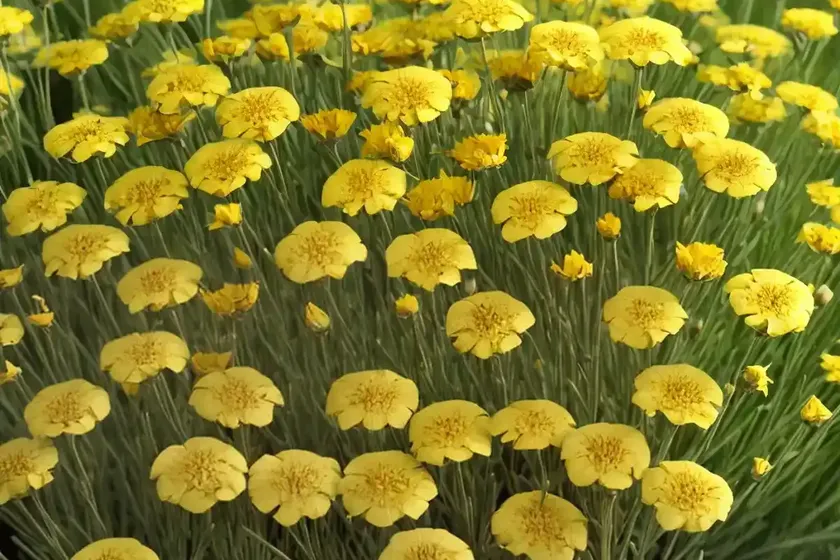
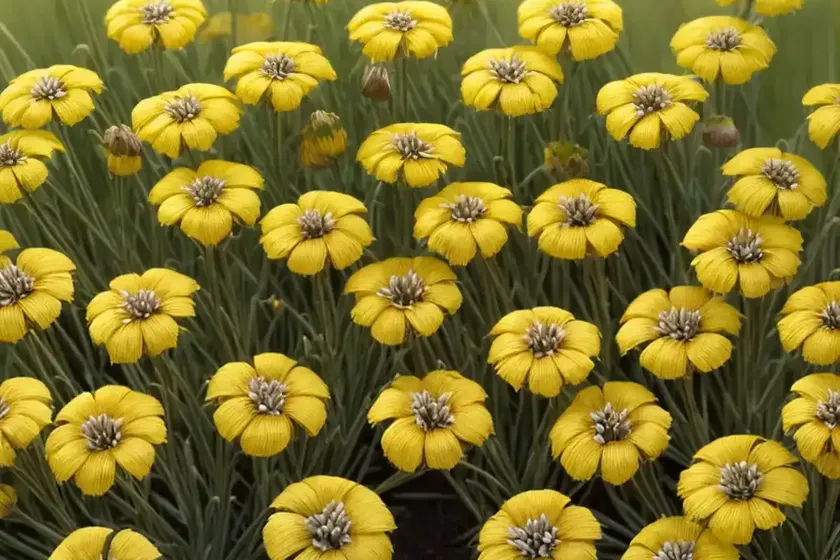
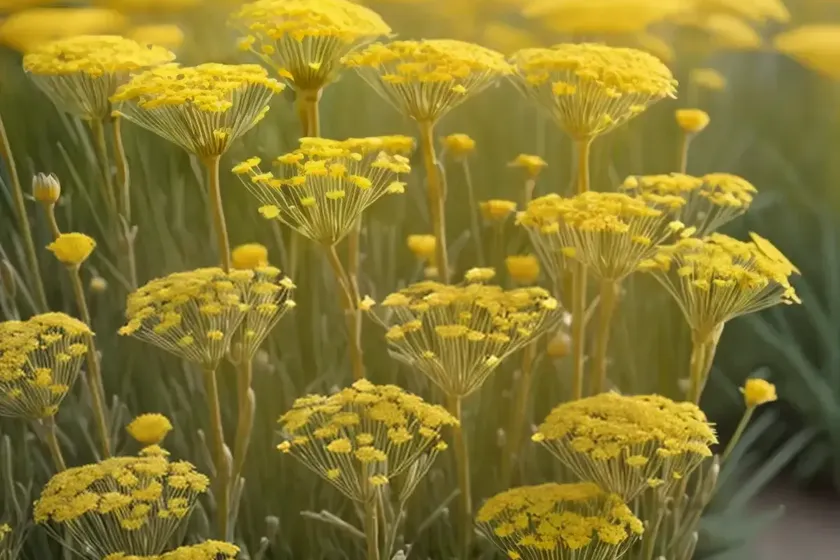
Linum Flavum, commonly known as Golden Flax, is a delicate and attractive perennial plant that belongs to the Linaceae family. The ‘Compactum’ variety is a sought-after variant, renowned for its compact growth habit and vibrant golden-yellow flowers. This charming plant is characterized by its slender stems, linear leaves, and an abundance of beautiful blossoms that grace the garden with their delightful presence. The Golden Flax is cherished for its ornamental value, as well as its historical, medicinal, and ecological significance.
Key Takeaways – Linum flavum ‘Compactum’ (Golden Flax)
Before delving into the specifics of caring for Linum flavum ‘Compactum’, let’s highlight the key takeaways of this remarkable plant:
-
Golden Flax (Linum flavum ‘Compactum’) is a perennial flowering plant that is revered for its compact growth habit and striking golden-yellow flowers.
-
The plant has a rich historical significance and possesses ethno-botanical uses, which have contributed to its integral role in various cultural practices.
-
Linum flavum ‘Compactum’ thrives in well-drained soil and requires moderate watering, making it a suitable choice for sustainable and low-maintenance gardening.
-
As an attractive pollinator plant, Golden Flax serves as a beacon for pollinators like bees, thus contributing to the preservation and enhancement of wildlife ecosystems.
-
The plant is versatile and can be utilized for its herbal properties, decorative purposes, and as a sustainable addition to both outdoor and indoor landscapes.
Now, let’s explore in detail the cultivation, care, uses, and various aspects associated with Linum flavum ‘Compactum’.
Culture
The cultural significance of Linum flavum ‘Compactum’ extends beyond its botanical attributes. It has been valued historically for its versatile uses and continues to hold relevance in modern-day horticulture and plant-based practices. This section will delve into the cultural aspects associated with Golden Flax and its impact on diverse domains.
Uses
Decorative and Landscape Use
The striking golden-yellow blooms of Linum flavum ‘Compactum’ make it a coveted addition to ornamental gardens. Its slender and compact growth habit further enhances its appeal, making it suitable for borders, rock gardens, and container gardening. The plant’s ability to attract pollinators adds to its value as a landscaping element, contributing to the flourishing of garden ecosystems.
Ethno-botanical and Historical Significance
The historical significance of Linum flavum ‘Compactum’ is deeply rooted in its ethno-botanical applications. The plant has found traditional uses in herbal remedies, natural dyes, and textile production. It has been an integral part of various cultures, making it a symbol of historical and cultural significance.
Medicinal and Herbal Properties
Golden Flax possesses medicinal properties, with its seeds being a source of valuable nutrients and essential fatty acids. The plant has also been used for its therapeutic benefits, contributing to its position as a historically revered herb with potential health-enhancing properties.
Sustainable and Eco-friendly Practices
The adaptability of Linum flavum ‘Compactum’ to different environmental conditions makes it a sustainable choice for eco-friendly gardening. Its low maintenance requirements and ability to attract wildlife align it with the principles of sustainable agriculture, promoting the conservation of natural ecosystems.
Water
Golden Flax, as a hardy and adaptable plant, displays a moderate water requirement once established. Adequate moisture is crucial during the initial stages of growth and establishment. However, it is essential to avoid waterlogging, as excessive moisture can lead to root rot and other detrimental conditions.
Watering Tips for Linum Flavum ‘Compactum’
-
Establishment Phase: During the initial growth period, ensure consistent moisture without waterlogging the soil. Water deeply and monitor the soil’s moisture level to prevent drying out.
-
Established Plants: Once the plant is established, Golden Flax generally requires infrequent watering, especially in well-draining soil. Allow the soil to dry out slightly between waterings, ensuring that the root system does not remain consistently saturated.
-
Environmental Considerations: Adjust the watering frequency based on environmental conditions such as temperature, humidity, and rainfall. During periods of intense heat or drought, provide supplemental watering to support the plant’s vitality.
By maintaining a balance between moisture and well-drained soil, gardeners can promote the healthy growth and longevity of Linum flavum ‘Compactum’.
Sunlight
Linum flavum ‘Compactum’ exhibits a preference for full sun to partial shade, thriving in well-lit environments that receive ample sunlight. Optimal exposure to sunlight contributes to the plant’s prolific blooming and overall vigor. However, it can tolerate partial shade, making it adaptable to varying light conditions.
Sunlight Guidelines for Golden Flax
-
Full Sun: Position Golden Flax in areas that receive at least 6-8 hours of direct sunlight, especially during the growing season. Ample sunlight exposure enhances the plant’s flowering potential and promotes robust growth.
-
Partial Shade: In regions with intense sunlight or high temperatures, partial shade can be beneficial for providing protection during the hottest part of the day. Golden Flax can adapt to partial shade and continue to flourish in these conditions.
-
Seasonal Considerations: Pay attention to the shifting sunlight patterns across seasons, ensuring that the plant receives adequate light as the environmental conditions change.
By ensuring appropriate sunlight exposure based on the plant’s requirements, gardeners can facilitate the optimal growth and development of Linum flavum ‘Compactum’.
Fertilizer
The nutritional requirements of Linum flavum ‘Compactum’ are relatively modest, and it thrives in well-balanced soil without excessive reliance on fertilizers. When applied judiciously, fertilization can contribute to the plant’s vigor and blooming potential.
Fertilization Practices for Golden Flax
-
Amendments during Planting: Prior to planting, enrich the soil with organic matter such as compost or well-decomposed manure to provide a nutrient-rich foundation for the plant.
-
Modest Fertilization: Golden Flax generally does not demand heavy fertilization. Use a balanced and diluted liquid fertilizer during the growing season to support healthy growth and prolific flowering. Apply the fertilizer according to the manufacturer’s instructions and avoid excessive nitrogen, which can promote lush foliage at the expense of blossoms.
-
Avoid Overfeeding: Over-fertilization can lead to an imbalance in the plant’s nutrient uptake and may result in excessive foliage growth at the expense of flowers. Exercise moderation and assess the plant’s response to the fertilizer application.
By adopting a balanced approach to fertilization and prioritizing the use of organic amendments, gardeners can maintain the overall health and vitality of Linum flavum ‘Compactum’.
Soil
The soil composition and quality play a pivotal role in the growth and sustainability of Golden Flax. It thrives in well-drained soil with moderate fertility, allowing the roots to access essential nutrients while avoiding waterlogged conditions.
Soil Preferences for Golden Flax
-
Well-drained Soil: Ensure that the soil provides good drainage to prevent waterlogging, which can be detrimental to the plant’s health. Incorporate organic matter if necessary to improve soil structure and drainage.
-
Neutral to Slightly Alkaline pH: Golden Flax generally thrives in soil with a neutral to slightly alkaline pH range. Conduct a soil test to ascertain its pH level and make amendments as required to attain the optimal range.
-
Loose and Aerated Soil: The plant benefits from loose and well-aerated soil, promoting healthy root development and enhancing the overall vigor of Linum flavum ‘Compactum’.
By preparing the soil to meet these specifications and maintaining its quality, gardeners can create an ideal growing environment for Golden Flax.
Pruning
Pruning plays a crucial role in maintaining the shape, vigor, and flowering capacity of Linum flavum ‘Compactum’. By incorporating proper pruning practices, gardeners can enhance the plant’s aesthetics and longevity.
Pruning Guidelines for Golden Flax
-
Post-blooming Pruning: Trim back the spent flowering stems to encourage new growth and subsequent blooming. This practice also prevents the plant from directing its energy into seed production, promoting a continuous flowering cycle.
-
Thinning Out: Remove any dead, damaged, or congested stems to improve air circulation and maintain the plant’s overall health. Thinning out the foliage can also reduce the risk of disease and pest infestations.
-
Rejuvenation Pruning: In late winter or early spring, consider rejuvenation pruning by cutting back the plant to a few inches above ground level. This stimulates new growth and ensures the plant’s vigor in the subsequent growing season.
By adhering to these pruning practices, gardeners can rejuvenate and maintain the aesthetic appeal and health of Linum flavum ‘Compactum’.
Propagation
The propagation of Linum flavum ‘Compactum’ allows gardeners to expand their plant collection and share the beauty of Golden Flax with others. Understanding the methods of propagation facilitates the successful reproduction of the plant.
Propagation Techniques for Golden Flax
-
Seed Propagation: Golden Flax can be propagated from seeds, which are sown directly into well-prepared soil. Start the seeds indoors and transplant the seedlings once they have developed adequate strength.
-
Division: Divide established clumps of Golden Flax during the dormant season, separating the sections with healthy roots. Replant the divisions in prepared soil to expedite their establishment and growth.
-
Stem Cuttings: Propagate Linum flavum ‘Compactum’ through stem cuttings taken from healthy, non-flowering stems. Root the cuttings in a moist propagation medium and provide appropriate care until they develop a strong root system.
By employing these propagation methods, gardeners can multiply their Golden Flax plants and perpetuate their presence in various landscapes.
Container Popularity
The compact growth habit and ornamental appeal of Linum flavum ‘Compactum’ make it a popular choice for container gardening. Its adaptability to confined spaces and vibrant floral display enhance its allure as a container plant, suitable for both outdoor and indoor settings.
Container Gardening Tips for Golden Flax
-
Select the Right Container: Opt for a well-draining container of appropriate size to accommodate the plant’s root system and provide ample room for growth. Ensure that the container has drainage holes to prevent waterlogging.
-
Quality Potting Mix: Use a well-aerated and nutritious potting mix that promotes healthy root development and supports the plant’s vitality. Incorporate organic matter for enhanced fertility.
-
Placement and Sunlight: Position the container in a location that receives adequate sunlight, providing the plant with the required light exposure for blooming and overall growth.
-
Regular Maintenance: Monitor the moisture level of the soil, allowing it to dry out slightly between watering sessions. Conduct periodic fertilization during the growing season to supplement the plant’s nutritional needs.
By following best practices for container gardening and providing suitable conditions, gardeners can enjoy the splendor of Linum flavum ‘Compactum’ in confined spaces.
Common Diseases
Despite being generally resilient, Golden Flax is susceptible to certain diseases and environmental stressors. Awareness of these potential ailments equips gardeners to implement preventive measures and address any signs of distress promptly.
Disease Susceptibility of Linum flavum ‘Compactum’
Powdery Mildew: This fungal infection manifests as a powdery white coating on the plant’s foliage, leading to diminished vigor and aesthetic decline. Maintain good air circulation and apply appropriate fungicidal treatments if necessary.
Root Rot: Excessive moisture and waterlogged conditions can precipitate root rot, potentially causing the plant to wilt and exhibit signs of distress. Ensure proper drainage and avoid overwatering to mitigate the risk of root rot.
Botrytis Blight: Also known as gray mold, botrytis blight can affect the plant during periods of high humidity, resulting in the development of grayish patches on the foliage and flowers. Implement appropriate cultural practices and fungicidal treatments to manage botrytis blight.
By vigilantly monitoring the plant’s health and promptly addressing signs of disease, gardeners can uphold the vitality and resilience of Linum flavum ‘Compactum’.
Disease Diagnosis
Accurate diagnosis of plant diseases is essential for implementing effective management strategies. Gardeners can utilize visual and symptomatic cues to identify common diseases that may affect Golden Flax.
Symptoms and Diagnosis of Common Diseases
-
Powdery Mildew: Look for powdery white patches on the plant’s leaves and stem. These patches may expand over time and contribute to diminished foliage health.
-
Root Rot: Inspect the roots and lower stem for signs of decay, discoloration, or a foul odor. Examine the foliage for wilting or yellowing as potential indicators of root rot.
-
Botrytis Blight: Watch for the development of grayish spots or patches on the foliage as well as the flowers. These patches may spread rapidly, particularly under humid conditions.
By promptly identifying and diagnosing diseases, gardeners can take proactive measures to mitigate the impact on Linum flavum ‘Compactum’.
Common Pests
While generally resistant to pest pressures, Golden Flax may encounter certain insect adversaries that can compromise its vitality and aesthetic appeal. Identifying these pests and understanding their management is crucial for preserving the plant’s health.
Pest Vulnerabilities of Linum flavum ‘Compactum’
Aphids: These small, sap-sucking insects can cluster on the plant’s stems and foliage, potentially causing distortion and discoloration of the affected parts. Use insecticidal soap or neem oil to control aphid infestations.
Spider Mites: These arachnids can infest Golden Flax, leading to stippled and discolored foliage. Increase humidity and apply miticidal treatments to manage spider mite populations effectively.
Caterpillars and Beetles: Some caterpillar species and beetles may target the foliage of Golden Flax, resulting in defoliation and aesthetic damage. Employ appropriate insecticidal measures to curb their impact.
By proactively monitoring the plant for signs of pest activity and implementing targeted pest control strategies, gardeners can safeguard the well-being of Linum flavum ‘Compactum’.
Botanist’s Tips
Drawing upon botanical insights and practical wisdom, botanist’s tips offer valuable guidance for cultivating, caring for, and appreciating Golden Flax in diverse gardening contexts.
Botanist’s Insights on Golden Flax
-
Cultural Significance: Explore the historical and cultural relevance of Linum flavum ‘Compactum’ to gain a deeper appreciation for its traditional uses and botanical significance.
-
Wildlife Attraction: Leverage the plant’s capacity to attract pollinators and contribute to wildlife preservation, strengthening the ecological harmony of garden ecosystems.
-
Ethno-botanical Traditions: Examine the ethno-botanical applications of Golden Flax, considering its use in herbal remedies, natural dyes, and traditional textile production.
-
Sustainable Gardening: Embrace the plant’s suitability for sustainable gardening practices, acknowledging its low maintenance requirements and eco-friendly attributes.
By integrating these botanist’s tips into their approach, gardeners can cultivate a holistic understanding of Linum flavum ‘Compactum’ and cultivate it with informed care and appreciation.
Fun Facts
Uncover intriguing and captivating facts about Golden Flax that illuminate the plant’s distinct characteristics, historical significance, and cultural resonance.
Engaging Facts about Linum flavum ‘Compactum’
-
Historical Symbolism: Golden Flax holds historical significance, having been revered in diverse cultures for its symbolic value and wide-ranging applications.
-
Vibrant Floral Display: The blooming period of Golden Flax rewards the garden with an abundance of vivid golden-yellow flowers, infusing the landscape with captivating color and charm.
-
Ethno-botanical Legacy: The plant’s ethno-botanical legacy extends to its utilization in traditional practices such as herbal remedies, textile production, and natural dye extraction.
-
Pollinator Magnet: Golden Flax serves as a magnet for pollinators, drawing bees and other beneficial insects to the garden, fostering a thriving ecosystem.
Discovering these fun facts offers a deeper perspective on the unique attributes and cultural resonance of Linum flavum ‘Compactum’, enriching the experience of cultivating and enjoying this remarkable plant.
Links to External Resources
Explore a suite of resources and references that provide comprehensive insights, practical guidance, and further information on Linum flavum ‘Compactum’ and its multifaceted attributes.
External Resources:
- Linum Flavum ‘Compactum’ Care and Cultivation
- Growing Golden Flax: Maintenance and Propagation
- Herbal and Medicinal Uses of Linum Flavum ‘Compactum’
- Landscaping with Linum Flavum ‘Compactum’: Design Inspiration
- Sustainable Gardening Practices with Golden Flax
These external resources serve as valuable reservoirs of knowledge, equipping gardeners with diverse perspectives and practical insights on maximizing the potential of Linum flavum ‘Compactum’ in various gardening contexts.
In conclusion, Linum flavum ‘Compactum’ (Golden Flax) embodies a captivating blend of ornamental allure, historical significance, and versatile applications, making it an enriching addition to diverse landscapes. Through informed cultivation, attentive care, and a deep appreciation for its cultural legacy, Golden Flax flourishes as a symbol of botanical splendor and enduring vitality.
By delving into the nuanced aspects of its care, uses, and ecological contributions, gardeners can embrace the extraordinary potential of Linum flavum ‘Compactum’ and cultivate its beauty with profound understanding and skillful stewardship.