Lincoln’s-Weed (Diplotaxis Tenuifolia): A Comprehensive Guide
Plants have been an integral part of human history, culture, and livelihood for centuries. Diplotaxis tenuifolia, commonly known as Lincoln’s-weed, is a plant that holds significant value for various cultures and is valued for its culinary, medicinal, and ornamental uses. In this comprehensive guide, we’ll delve into the various facets of this fascinating plant, from its cultural significance to its botanical properties, care requirements, and potential uses.
What is Plant Lincolns-weed (Diplotaxis Tenuifolia)?
Diplotaxis tenuifolia, also known as wild rocket or Lincoln’s-weed, is a species of flowering plant in the family Brassicaceae. It is native to the Mediterranean region, particularly Southern Europe and Western Asia. This plant is primarily grown for its edible leaves, which are often used in salads for their pungent, peppery flavor.
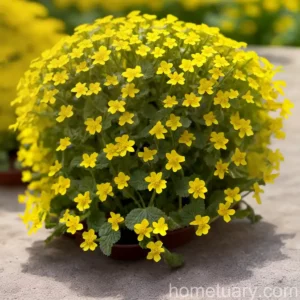
The plant is characterized by its deeply lobed leaves and delicate, white flowers, making it not only a functional addition to a garden but also an aesthetically pleasing one.
Key Takeaways – Lincoln’s-weed (Diplotaxis Tenuifolia)
Before we delve into the specifics of growing and caring for Diplotaxis tenuifolia, let’s touch upon some key takeaways regarding this plant:
- Cultural Significance: Diplotaxis tenuifolia holds cultural significance in various culinary and medicinal traditions.
- Highly Nutritious: The leaves of Lincoln’s-weed are packed with essential vitamins and minerals, making it a valuable addition to a balanced diet.
- Adaptable Plant: It thrives in a variety of climates and soil conditions, making it relatively easy to cultivate.
- Multiple Uses: Diplotaxis tenuifolia is known for its culinary, medicinal, and ornamental uses.
Now, let’s delve deeper into the various aspects of this plant:
Culture
Uses
The cultural uses of Diplotaxis tenuifolia are varied and widespread. It is deeply entrenched in culinary traditions in the Mediterranean region, where its peppery leaves are used to add flavor and texture to salads and other dishes. Additionally, its medicinal properties have been recognized for centuries, contributing to its widespread cultivation for herbal remedies.
Water
Lincoln’s-weed typically requires regular watering, especially during dry periods. Adequate moisture in the soil is essential for the plant to thrive and produce flavorful, tender leaves. However, it’s important to avoid waterlogging the soil, as excess moisture can lead to root rot and other issues.
Sunlight
Diplotaxis tenuifolia thrives in full sunlight, although it can tolerate partial shade. In regions with hot climates, providing some shade during the hottest part of the day can prevent the plant from wilting or becoming stressed.
Fertilizer
A balanced, organic fertilizer can help promote the growth and flavor of Lincoln’s-weed. Applying a fertilizer with a slightly higher nitrogen content can encourage lush, green foliage, which is especially desirable when growing this plant for culinary use.
Soil
The plant prefers well-draining, fertile soil. Amending the soil with organic matter, such as compost, can improve its texture and fertility. Additionally, maintaining a slightly acidic to neutral pH level is ideal for Diplotaxis tenuifolia.
Pruning
Pruning can help promote bushier growth and a higher yield of leaves. Regularly trimming back the plant can prevent it from becoming leggy or overcrowded, while also ensuring a steady supply of tender, flavorful leaves for harvest.
Propagation
Lincoln’s-weed can be propagated from seeds or through stem cuttings. Seeds can be sown directly into the soil, while cuttings can be taken from mature plants and rooted in a well-draining, sterile growing medium.
Container Popularity
Due to its compact size and relatively low maintenance requirements, Diplotaxis tenuifolia is popularly grown in containers. This allows for greater control over soil conditions, sunlight exposure, and water management, making it an ideal choice for urban and small-space gardening.
Container Common Diseases
Diplotaxis tenuifolia is generally resistant to most common diseases that affect plants in the Brassicaceae family. However, excessive moisture or poor air circulation can lead to issues such as powdery mildew or leaf spot. Ensuring proper spacing, adequate ventilation, and appropriate watering practices can help prevent these issues.
Disease Diagnosis
Identifying and treating plant diseases promptly is crucial for maintaining the health and vitality of Diplotaxis tenuifolia. Common symptoms of disease include leaf discoloration, wilting, and unusual spots or lesions. Proper diagnosis, often with the assistance of a plant pathologist, can help determine the appropriate course of action for disease management.
Common Pests
While generally resilient, Diplotaxis tenuifolia can be susceptible to pests such as aphids, flea beetles, and caterpillars. Regular inspection of the plant and the application of organic pest control methods can help mitigate pest infestations.
Botanist’s Tips
Seasoned botanists offer several tips for successfully cultivating Diplotaxis tenuifolia:
- Harvesting: Regular and consistent harvesting of the leaves promotes new growth and prevents the plant from becoming woody.
- Companion Planting: When grown alongside aromatic herbs and insect-repelling plants, Lincoln’s-weed can benefit from the presence of its companion plants while also repelling certain pests.
Fun Facts
- The pungent, peppery flavor of Diplotaxis tenuifolia is attributed to compounds known as glucosinolates, which are also responsible for its potential health benefits.
- In some regions, the plant is also known by the name “wild arugula,” reflecting its close relationship to the common culinary herb.
Now that we have explored the cultural and botanical aspects of Diplotaxis tenuifolia, it is crucial to understand its uses, propagation, and potential challenges.
Links to External Resources
For additional reading and resources on Lincoln’s-weed (Diplotaxis tenuifolia), consider the following reputable sources:
- Royal Horticultural Society – Diplotaxis tenuifolia
- USDA Plants Database – Diplotaxis tenuifolia
- Missouri Botanical Garden – Diplotaxis tenuifolia
- The Herb Society of America – Diplotaxis tenuifolia
Benefits of Lincoln’s-Weed (Diplotaxis Tenuifolia)
Lincoln’s-weed, or Diplotaxis tenuifolia, offers a range of benefits, encompassing its culinary, medicinal, and environmental value. Understanding these benefits can provide valuable insight into the potential uses and cultivation of this versatile plant.
Medicinal Properties of Diplotaxis Tenuifolia
The leaves of Diplotaxis tenuifolia are not only prized for their culinary applications but also for their potential medicinal properties. Rich in essential nutrients and bioactive compounds, including vitamins A and C, as well as glucosinolates, they have traditionally been used to support overall health and well-being. Additionally, the plant has been linked to potential antioxidant and anti-inflammatory effects, contributing to its medicinal value.
Lincoln’s-Weed Plant Varieties
While Diplotaxis tenuifolia is the primary species cultivated for culinary and medicinal use, there are several related species within the Diplotaxis genus, each with its own unique characteristics and potential uses. Exploring the diversity within the genus can provide insights into alternative varieties that may offer distinct flavors or growth habits.
Diplotaxis Tenuifolia Cultivation Techniques
Successful cultivation of Diplotaxis tenuifolia relies on employing appropriate techniques that optimize growth, flavor, and yield. This includes sowing seeds at the right depth, providing optimal conditions for germination, and managing the plant’s growth through proper spacing, watering, and pruning.
Lincolnweed Plant Uses
The uses of Lincoln’s-weed, or wild rocket, are diverse and multifaceted:
- Culinary Use: The pungent, peppery leaves of Diplotaxis tenuifolia are used to add flavor and texture to salads, sandwiches, and other dishes. They can also be incorporated into pesto, sauces, and dressings.
- Medicinal Use: Traditional herbal remedies often utilize the leaves of this plant for their potential health benefits, including supporting digestion and overall wellness.
Diplotaxis Tenuifolia Propagation Methods
Diplotaxis tenuifolia can be propagated through several methods, including:
- Seed Propagation: Sowing seeds directly into well-prepared soil is a common method for establishing new plants.
- Stem Cuttings: Taking cuttings from mature plants and rooting them in a sterile growing medium can rapidly propagate new plants.
Lincoln’s-Weed Plant Diseases
While generally resistant to diseases, Diplotaxis tenuifolia can still be affected by issues such as powdery mildew, which can impact the plant’s health and productivity. Implementing preventive measures, such as proper spacing, good air circulation, and disease-resistant varieties, can help minimize these challenges.
Diplotaxis Tenuifolia Gardening Tips
Gardening tips for cultivating Diplotaxis tenuifolia include:
- Consistent Harvesting: Regularly harvesting the leaves promotes continuous growth and prevents the plant from bolting or becoming woody.
- Companion Planting: Growing Diplotaxis tenuifolia alongside compatible plants can enhance its growth and health while also deterring pests.
Lincoln’s-Weed Plant Nutrition Requirements
Providing adequate nutrition to Diplotaxis tenuifolia can enhance the flavor and nutritional value of its leaves. Balancing nitrogen, phosphorus, and potassium, along with essential micronutrients, supports vigorous growth and robust foliage.
Diplotaxis Tenuifolia for Herbal Remedies
The potential health benefits of Diplotaxis tenuifolia have contributed to its historical use in traditional herbal remedies. Understanding the specific properties and applications of the plant in herbal medicine can provide valuable insights for modern applications.
Lincolnweed Plant Symbolism
In some cultures, plants such as Diplotaxis tenuifolia hold symbolic meanings and associations. Exploring the cultural symbolism and folklore surrounding this plant can offer a deeper appreciation for its significance beyond its practical uses.
Diplotaxis Tenuifolia Harvesting Techniques
Harvesting Diplotaxis tenuifolia involves carefully selecting and trimming the leaves to ensure continued growth and quality. Proper timing and technique can maximize the yield of tender, flavorful leaves for culinary or medicinal use.
Lincoln’s-Weed for Culinary Purposes
The pungent, peppery flavor of Diplotaxis tenuifolia makes it a sought-after ingredient in various culinary preparations. Its distinctive taste and nutritional profile enhance the appeal of dishes in which it is used.
Diplotaxis Tenuifolia Companion Plants
Selecting companion plants that thrive alongside Diplotaxis tenuifolia can promote a healthy, balanced garden ecosystem, while also providing benefits such as pest control and improved soil fertility.
Lincoln’s-Weed Plant Pests and Control
While generally resistant to pests, Diplotaxis tenuifolia can still be susceptible to issues such as aphids, caterpillars, and flea beetles. Adopting integrated pest management practices can help control these pests while minimizing the use of chemical interventions.
Diplotaxis Tenuifolia Climate Preferences
Understanding the climate preferences of Diplotaxis tenuifolia is essential for successful cultivation. While the plant is adaptable, providing the optimal temperature and humidity ranges can promote healthy growth and abundant foliage.
Lincolnweed Plant Essential Oil Production
Some plant species, including Diplotaxis tenuifolia, are valuable sources of essential oils. Extracting and utilizing the essential oils from the plant can offer aromatic, flavoring, and potential therapeutic benefits.
Diplotaxis Tenuifolia Ornamental Uses
Beyond its culinary and medicinal value, Diplotaxis tenuifolia can be grown for its ornamental appeal. The delicate, white flowers and deeply lobed leaves add visual interest to gardens and landscapes.
Lincoln’s-Weed Traditional Uses
Exploring the traditional uses of Diplotaxis tenuifolia in various cultures can provide historical and cultural context for its significance, shedding light on its enduring value across different traditions.
Diplotaxis Tenuifolia Recommended Fertilizer
Selecting the right fertilizer for Diplotaxis tenuifolia can support healthy growth and flavorful foliage. Understanding the specific nutritional needs of the plant can guide the selection and application of appropriate fertilizers.
Lincoln’s-Weed Ethnobotanical Significance
Ethnobotanical studies offer insights into the cultural, historical, and practical significance of plants such as Diplotaxis tenuifolia, uncovering their traditional uses and value within specific communities.
Diplotaxis Tenuifolia Landscaping Ideas
Incorporating Diplotaxis tenuifolia into landscape designs can add texture, color, and edible interest to gardens, courtyards, and outdoor spaces. Understanding its landscaping potential can inspire creative and functional uses in various settings.
Lincolnweed Plant Container Gardening
Growing Diplotaxis tenuifolia in containers offers flexibility for urban, small-space, and indoor gardening. Choosing the right container, soil mix, and placement can optimize the plant’s growth and productivity.
Diplotaxis Tenuifolia in Permaculture
Within permaculture systems, Diplotaxis tenuifolia can contribute to sustainable, regenerative gardening and farming practices. Understanding its role within permaculture designs can inform holistic and integrated approaches to cultivation.
Lincoln’s-Weed Plant Propagation from Seeds
Seed propagation is a common and accessible method for establishing new plants of Diplotaxis tenuifolia. Understanding the best practices for sowing and germinating seeds can support successful propagation.
Diplotaxis Tenuifolia Herbarium Specimens
Preserving herbarium specimens of Diplotaxis tenuifolia contributes to botanical documentation, research, and conservation efforts. Capturing the diversity and characteristics of the plant through herbarium collections ensures its legacy for future generations.
Lincoln’s-Weed Alternative Names
Plants often have regional, historical, or colloquial names that reflect their diverse cultural and linguistic associations. Exploring alternative names for Diplotaxis tenuifolia can provide insights into its diverse identities and uses.
Diplotaxis Tenuifolia Folk Medicine
Throughout history, plants such as Diplotaxis tenuifolia have been valued for their contributions to folk medicine. Understanding their traditional uses and potential health benefits can inform modern applications and research.
Lincolnweed Plant Growth Stages
Diplotaxis tenuifolia progresses through distinct growth stages, from germination to maturity. Understanding these stages can guide care and management practices for optimal growth and harvest.
Diplotaxis Tenuifolia Natural Habitat
Exploring the natural habitat and ecological preferences of Diplotaxis tenuifolia offers insight into its evolutionary adaptations, distribution, and interactions with other species within its ecosystem.
Lincoln’s-Weed Culinary Recipes
The pungent, peppery leaves of Diplotaxis tenuifolia lend themselves to a variety of culinary preparations. Exploring recipes that feature the plant can inspire creative and flavorful dishes.
Diplotaxis Tenuifolia Soil Requirements
The soil requirements of Diplotaxis tenuifolia encompass factors such as texture, fertility, and pH levels. Providing the ideal soil conditions supports the plant’s growth and the quality of its leaves.
Lincoln’s-Weed Plant Family
Diplotaxis tenuifolia belongs to the Brassicaceae family, which includes a diverse array of plants with culinary, ornamental, and medicinal value. Exploring its botanical relatives provides broader insights into its characteristics and potential uses.
Diplotaxis Tenuifolia Drought Tolerance
Understanding the drought tolerance of Diplotaxis tenuifolia can guide water management practices during dry periods. While the plant prefers consistent moisture, it can exhibit resilience to temporary water shortages.
Lincolnweed Plant Traditional Medicine
In traditional medicine systems, Diplotaxis tenuifolia has been used to address various health concerns and promote well-being. Exploring its traditional medicinal uses can offer valuable perspectives on its potential therapeutic properties.
Diplotaxis Tenuifolia Ethnopharmacology
Ethnopharmacological studies examine the traditional uses and pharmacological properties of plants within specific cultural contexts. Understanding the ethnopharmacology of Diplotaxis tenuifolia can provide insights into its bioactive compounds and potential health benefits.
Lincoln’s-Weed Decorative Uses
Beyond its culinary and medicinal value, Diplotaxis tenuifolia can be grown for its decorative appeal. Understanding how to incorporate it into floral arrangements and ornamental displays can enhance its aesthetic impact.
Diplotaxis Tenuifolia Insect Pollinators
The flowers of Diplotaxis tenuifolia attract pollinators such as bees and butterflies, contributing to the biodiversity and ecological value of the garden or landscape. Understanding its role in supporting insect populations provides broader ecological insights.
Lincoln’s-Weed Plant Anatomy
An understanding of the anatomy of Diplotaxis tenuifolia, including its leaves, stems, and flowers, provides valuable contextual knowledge for cultivation, propagation, and utilization.
Diplotaxis Tenuifolia Common Uses
Diplotaxis tenuifolia is valued for a range of common uses, including culinary applications, medicinal preparations, and ornamental purposes. Understanding its diverse uses enhances its appeal and value to gardeners and consumers.
Lincolnweed Plant Allergies
As a member of the Brassicaceae family, Diplotaxis tenuifolia may pose allergenic potential for some individuals, especially those with sensitivities to related plants such as mustard and arugula. Identifying and managing potential allergies is essential for safe cultivation and consumption.
Diplotaxis Tenuifolia Folklore Beliefs
Plants often feature prominently in folklore, myths, and cultural beliefs. Exploring the folklore surrounding Diplotaxis tenuifolia can provide insights into its symbolic meanings and cultural significance.
Lincoln’s-Weed Plant Propagation by Cuttings
Propagating Diplotaxis tenuifolia through stem cuttings is a practical and efficient method for rapidly establishing new plants. Understanding the best practices for cutting, rooting, and establishing cuttings can support successful propagation.
Diplotaxis Tenuifolia Gardening Mistakes to Avoid
Avoiding common gardening mistakes, such as overwatering, poor soil preparation, and excessive fertilizer application, can help ensure the health and productivity of Diplotaxis tenuifolia.
Lincoln’s-Weed Plant Soil Amendments
Amending the soil with organic matter, such as compost or well-rotted manure, can improve its structure, fertility, and water retention, benefiting the growth and vigor of Diplotaxis tenuifolia.
Diplotaxis Tenuifolia Potential Side Effects
While generally safe when consumed in moderation, some individuals may experience side effects or interactions with medications when consuming Diplotaxis tenuifolia. Understanding potential side effects and seeking medical advice when necessary