Limoeiro Siciliano (Citrus Limon)
Citrus fruits are some of the most popular and widely consumed fruits in the world. Among the many varieties of citrus, the Sicilian lemon, scientifically.
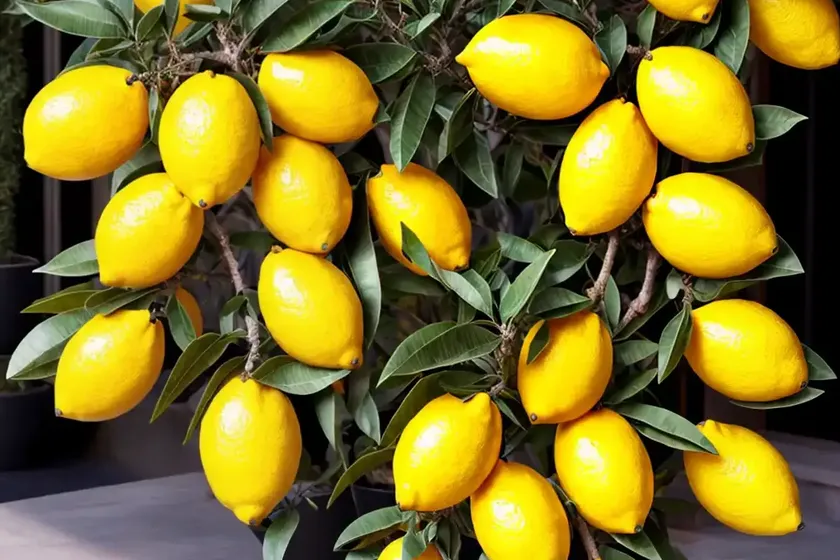
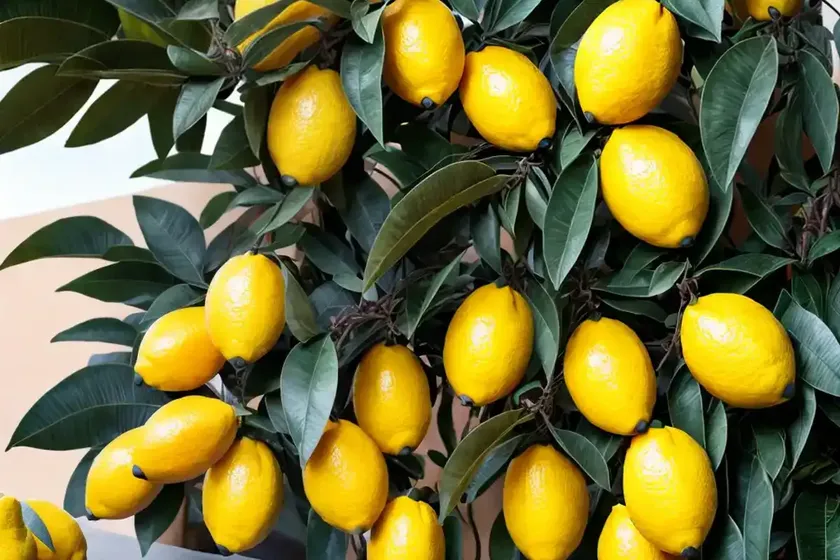
Citrus fruits are some of the most popular and widely consumed fruits in the world. Among the many varieties of citrus, the Sicilian lemon, scientifically known as Citrus Limon or in Portuguese as Limoeiro Siciliano, holds a special place due to its unique characteristics, versatile uses, and cultural significance. In this comprehensive guide, we will delve into the cultural, uses, care, common diseases, and interesting facts about the Limoeiro Siciliano. Whether you are a seasoned gardener, a citrus enthusiast, or someone simply intrigued by this citrus variety, this guide will provide you with valuable insights and knowledge about this fascinating plant.
What is Limoeiro Siciliano (Citrus Limon)?
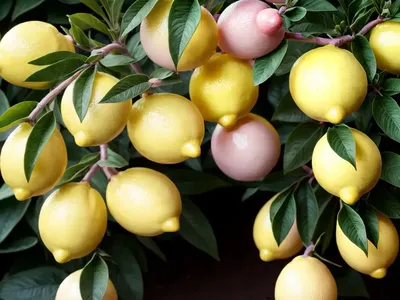
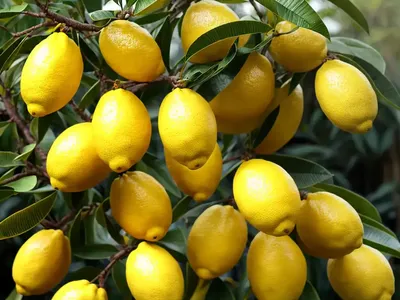
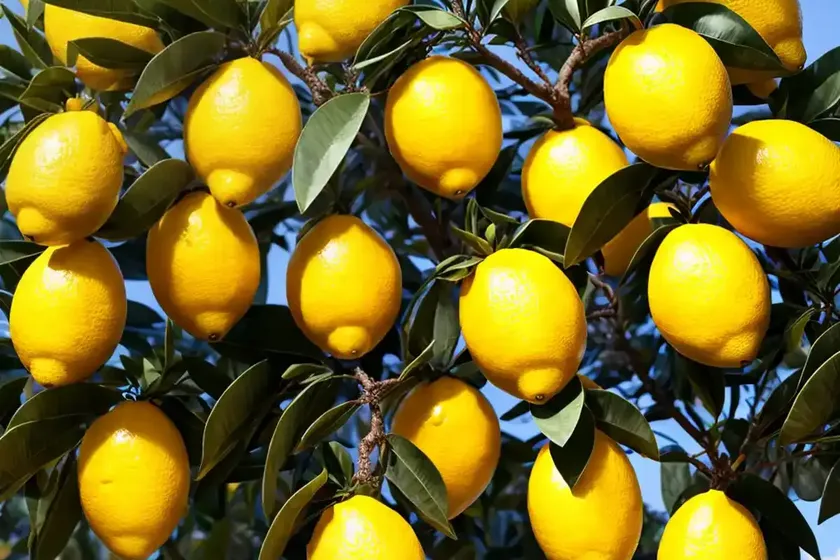
The Limoeiro Siciliano, commonly referred to as the Sicilian lemon, is a variety of lemon that is highly esteemed for its large size, vibrant yellow color, and distinctive aromatic flavor. This citrus cultivar is believed to have originated in Southeast Asia and then spread to the Mediterranean region, including Italy, where it gained prominence for its culinary and ornamental uses. The name “Sicilian” is derived from its association with Sicily, the largest island in the Mediterranean, where the ideal climate and soil conditions contribute to the superior quality of these lemons.
Key Takeaways
As we explore the world of Limoeiro Siciliano, it is important to have a comprehensive understanding of its key characteristics and attributes. The following key points provide a quick overview of the main aspects of this citrus variety:
- Scientific Name: Citrus Limon
- Alternative Names: Sicilian Lemon, Limone di Sicilia
- Cultural Significance: Highly valued in Mediterranean cuisine and known for its use in perfumery and medicinal properties.
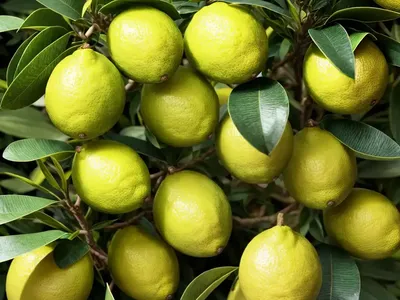
- Characteristics: Large, bright yellow fruits with a tangy, acidic, and aromatic flavor.
- Growth Habit: Evergreen tree with glossy green leaves and fragrant white flowers.
- Versatile Uses: Culinary applications, essential oil extraction, ornamental plantings, and natural remedy for various ailments.
With this brief introduction, let’s delve deeper into the fascinating world of Limoeiro Siciliano by exploring its cultural significance, uses, growth requirements, care practices, common diseases and pests, and interesting botanical facts.
Cultural Significance of Limoeiro Siciliano
The Limoeiro Siciliano holds a significant place in Mediterranean culture, particularly in the culinary traditions of Italy and other countries in the region. Its vibrant flavor and distinct aroma have made it an indispensable ingredient in a wide array of savory and sweet dishes, beverages, and condiments. Additionally, the essential oil extracted from its peel is highly valued in the perfume industry and aromatherapy. Furthermore, the medicinal properties of the Sicilian lemon have been recognized for centuries, making it a popular natural remedy for various health conditions.
Uses
The uses of Limoeiro Siciliano are multifaceted and extend beyond its culinary applications. Here are some of the key uses of the Sicilian lemon:
- Culinary Applications: Widely used in cooking and baking to add a tangy flavor to dishes such as salads, marinades, seafood, desserts, and beverages.
- Essential Oil Extraction: The oil extracted from its peel is used in perfumery, aromatherapy, and the production of scented candles and beauty products.
- Medicinal Properties: Known for its high vitamin C content and antioxidant properties, it is used to support immune health and as a natural remedy for colds, sore throat, and digestive issues.
- Ornamental Planting: Its evergreen foliage, fragrant flowers, and vibrant fruits make it a popular choice for ornamental landscaping in gardens and public spaces.
Growth Requirements
For those considering cultivating Limoeiro Siciliano, understanding its specific growth requirements is essential for ensuring healthy and productive trees. The following factors play a crucial role in the successful cultivation of this citrus variety:
Water
Proper watering is vital for the overall health and productivity of the Limoeiro Siciliano. While it is important to maintain consistently moist soil, it is equally critical to avoid waterlogged conditions, which can lead to root rot and other water-related issues. Adequate drainage is essential, especially if the tree is grown in a container.
Sunlight
As with most citrus trees, the Limoeiro Siciliano thrives in full sunlight. Providing at least 6-8 hours of direct sunlight each day is crucial for optimal fruit production, foliage growth, and overall tree vigor. In regions with hot climates, some protection from intense afternoon sun may be beneficial to prevent sunscald and leaf burn.
Fertilizer
Proper fertilization is essential for promoting healthy growth, flowering, and fruiting. A balanced fertilizer specifically formulated for citrus trees can provide the necessary nutrients, including nitrogen, phosphorus, and potassium. Additionally, micronutrients such as iron, magnesium, and zinc are important for preventing nutrient deficiencies and ensuring vibrant foliage and fruits.
Soil
Well-draining, slightly acidic soil with a pH range of 6.0-6.5 is ideal for cultivating Limoeiro Siciliano. Sandy loam or loamy soil types with good aeration and water retention properties are preferred. Adding organic matter such as compost or well-rotted manure can enhance soil fertility and structure.
Pruning
Pruning plays a critical role in shaping the growth habit of the Limoeiro Siciliano, promoting air circulation within the canopy, and maintaining overall tree health. Key objectives of pruning include the removal of dead or diseased branches, controlling tree size, and encouraging fruit production. Pruning should be performed during the dormant season, typically in late winter or early spring, to minimize stress on the tree and facilitate rapid healing of pruning wounds.
Propagation
Limoeiro Siciliano can be propagated through several methods, including budding, grafting, and air layering. Budding onto compatible rootstocks is a common propagation technique used in commercial citrus production. Additionally, home gardeners may opt for seed propagation, although this method may result in variable growth characteristics, fruit quality, and longer time to fruiting.
Container Cultivation
For gardeners with limited space or those residing in regions with unfavorable climates for outdoor cultivation, growing Limoeiro Siciliano in containers presents a viable option. When cultivated in containers, the following factors should be considered to ensure the tree’s health and productivity:
-
Container Size: Select a container that provides ample room for root development and stability while allowing for future growth. A 15-20 gallon container is typically recommended for young trees, with the option to transplant to larger containers as the tree matures.
-
Drainage: Proper drainage is crucial to prevent waterlogging, which can lead to root rot. Ensure that the container has drainage holes and that excess water can freely flow out.
-
Soil Mix: Use a well-draining potting mix specifically designed for citrus trees, or create a custom mix by combining peat moss, perlite, and coarse sand. Adding organic matter such as compost can enhance soil fertility and structure.
-
Sunlight: Position the container in a location that receives ample sunlight, such as a south-facing patio or balcony. Rotating the container periodically can ensure even exposure to sunlight.
-
Watering and Fertilization: Monitor soil moisture regularly and water the tree when the top inch of the soil feels dry. Fertilize with a balanced citrus fertilizer according to the package instructions, typically during the growing season from spring to early fall.
Popularity
Limoeiro Siciliano, as a variety of citrus lemon, holds a prominent place in the citrus industry and the global market for fresh and processed citrus products. Its popularity stems from its distinctive flavor, versatile uses, and widespread appeal in both culinary and non-culinary applications. As consumers increasingly seek natural and healthy ingredients, the demand for Limoeiro Siciliano and its derivatives, such as essential oil and juice, continues to grow.
Common Diseases
Like other citrus varieties, Limoeiro Siciliano is susceptible to various diseases, including fungal, bacterial, and viral infections, as well as nutritional and environmental disorders. Understanding the symptoms, causes, and management strategies for common citrus diseases is essential for maintaining the health and productivity of citrus trees.
Disease Diagnosis:
Diagnosing citrus diseases requires careful observation of symptoms such as leaf yellowing, leaf drop, fruit blemishes, cankers, and dieback. In some cases, laboratory analysis of infected plant tissues may be necessary to accurately identify the causal pathogen. Consulting with local agricultural extension services or plant pathology experts can provide valuable guidance in disease diagnosis and management.
Common Pests
In addition to diseases, citrus trees, including Limoeiro Siciliano, are vulnerable to attack by various insect pests, mites, and nematodes. Integrated pest management (IPM) practices, which combine cultural, biological, and chemical control methods, are essential for effectively managing pest infestations and minimizing the use of synthetic pesticides.
Botanist’s Tips
As a citrus enthusiast or a potential grower of Limoeiro Siciliano, incorporating the following tips and best practices can contribute to the successful cultivation and care of this citrus variety:
-
Soil pH Testing: Periodically test the pH of the soil to ensure it remains within the optimal range for citrus cultivation. If necessary, amend the soil with lime to raise the pH or elemental sulfur to lower the pH.
-
Mulching: Apply a layer of organic mulch around the base of the tree to conserve soil moisture, suppress weed growth, and regulate soil temperature. Avoid piling the mulch against the trunk to prevent stem rot and pest harborage.
-
Integrated Pest Management: Implement proactive pest monitoring and control measures, including beneficial insect release, physical barriers, and minimal use of selective pesticides to prevent pest outbreaks and minimize environmental impact.
-
Proper Pruning Techniques: Learn and apply correct pruning techniques to maintain a balanced tree structure, encourage fruit production, and promote overall tree vigor. Avoid excessive pruning, especially during periods of high temperatures or drought.
-
Seasonal Care: Adjust watering, fertilization, and pest control practices based on seasonal changes and the specific growth stages of the Limoeiro Siciliano. For example, reduce fertilizer applications during the dormant season and increase water uptake during hot, dry periods.
Fun Facts
To further enrich your knowledge and appreciation of Limoeiro Siciliano, here are some intriguing and lesser-known facts about this distinguished citrus variety:
-
The aroma of Sicilian lemon essential oil is believed to have mood-enhancing and stress-relieving properties, making it a popular choice for aromatherapy and relaxation practices.
-
Limoeiro Siciliano trees can produce fruit year-round under optimal growing conditions, providing a consistent supply of fresh lemons for culinary and non-culinary uses.
-
The vibrant yellow color of the Sicilian lemon peel is indicative of its high concentration of flavonoids, which contribute to its antioxidant properties and potential health benefits.
-
In Mediterranean folklore and traditions, the Sicilian lemon is associated with prosperity, vitality, and the warding off of negative energy, making it a symbol of good fortune and positive energy.
Links to External Resources
Exploring additional resources can further broaden your understanding of Limoeiro Siciliano and provide valuable insights from experts, organizations, and reputable sources. The following external links offer in-depth information and practical guidance on various aspects of citrus cultivation, disease management, and culinary uses of the Sicilian lemon:
-
University of Florida – Citrus Extension: Citrus Cultivation Guidelines
-
Citrus Growers’ Association – Disease Management in Citrus Orchards
-
Citrus Research and Development Foundation – Citrus Pest and Disease Prevention
In conclusion, the Limoeiro Siciliano (Citrus Limon) stands out as a remarkable citrus variety, revered for its culinary versatility, cultural significance, and inherent botanical appeal. Whether you are captivated by its vibrant yellow fruits, tantalized by its zesty flavor, or intrigued by its multifaceted uses, the Sicilian lemon continues to captivate and inspire citrus enthusiasts, chefs, and nature lovers around the world. By embracing the knowledge shared in this comprehensive guide and leveraging the wealth of resources available, you can embark on a fulfilling journey of cultivating, appreciating, and enjoying the beauty and bounty of the Limoeiro Siciliano.
Remember, as you embark on your journey with Limoeiro Siciliano, patience, dedication, and keen observation will be your allies in nurturing these remarkable citrus trees to their full potential. Happy gardening and may your Limoeiro Siciliano thrive and bring joy and zest to your life!
Tags:
Sicilian lemon, Citrus lemon, Limoeiro Siciliano, Citrus Limon, Sicilian lemon tree, Citrus limon tree, Lemon tree, Lemon plant, Limoeiro Siciliano tree, Citrus Limon variety, Limone di Sicilia, Sicilian lemon cultivation, Citrus Limon characteristics, Limoeiro Siciliano care, Sicilian lemon benefits, Citrus Limon uses, Limone di Sicilia properties, Sicilian lemon facts, Citrus lemon health benefits, Limoeiro Siciliano varieties, Citrus Limon gardening, Lemon tree care tips, Limoeiro Siciliano growth, Citrus Limon cultivation techniques, Sicilian lemon recipes, Citrus limon essential oil, Limoeiro Siciliano harvest, Citrus Limon disease prevention, Lemon plant maintenance, Limone di Sicilia flavor, Sicilian lemon production, Citrus Limon pests control, Limoeiro Siciliano pruning, Citrus Limon culinary uses, Sicilian lemon climate requirements, Limone di Sicilia history, Citrus Limon nutrients, Lemon tree fertilizer, Limoeiro Siciliano propagation, Citrus Limon growing conditions, Sicilian lemon folklore, Limoeiro Siciliano medicinal properties, Citrus Limon hybrid varieties, Lemon tree pests and diseases, Limone di Sicilia in perfumery, Sicilian lemon cooking, Citrus Limon antioxidant properties, Limoeiro Siciliano suitable soil, Citrus Limon harvest time, Sicilian lemon juice*
With the increasing popularity and demand for Sicilian lemon and related citrus varieties such as Limoeiro Siciliano, exploring their cultural significance, growth requirements, and practical care practices becomes invaluable for enthusiasts, gardeners, and professionals in the fields of horticulture, culinary arts, and natural health. This comprehensive guide aims to provide a comprehensive resource for individuals seeking to delve deeper into the world of Limoeiro Siciliano, unlocking its potential and discovering the myriad benefits and joys it has to offer.