Lesser Honeywort (Cerinthe Major ‘purpurascens’)
Plants enhance the aesthetic appeal of any space. The Lesser Honeywort, scientifically known as Cerinthe Major ‘purpurascens,’ is a remarkable addition to.
Introduction
Plants enhance the aesthetic appeal of any space. The Lesser Honeywort, scientifically known as Cerinthe Major ‘purpurascens,’ is a remarkable addition to any garden or landscape. This exotic plant is renowned for its unique characteristics and adaptability. As a plant scientist, I am delighted to share comprehensive insights into the culture, uses, care, and maintenance of the Lesser Honeywort. This blog post will serve as a detailed guide for plant enthusiasts, gardeners, and horticulturists who seek to add the Lesser Honeywort to their green spaces.
What is Lesser Honeywort (Cerinthe Major ‘purpurascens’)?
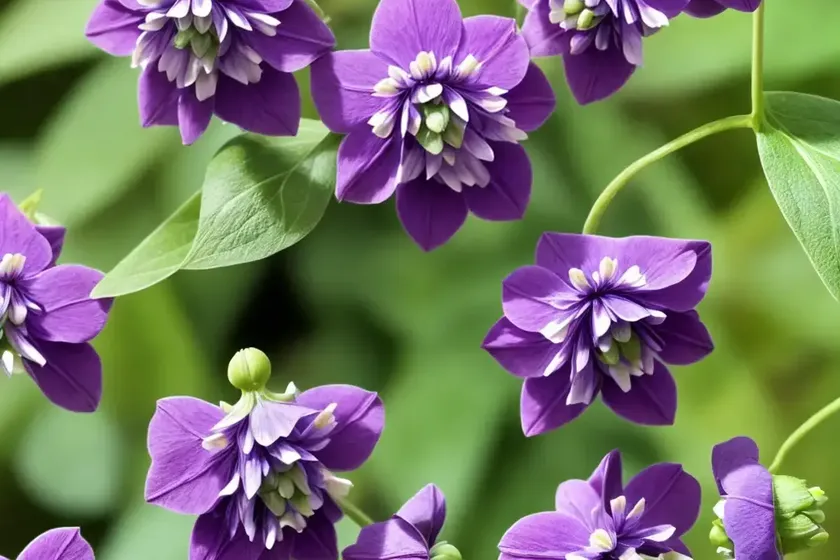
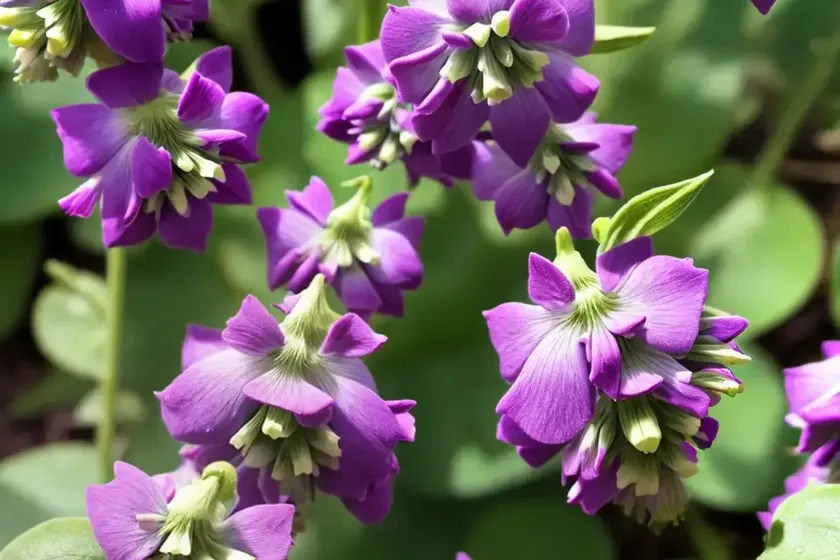
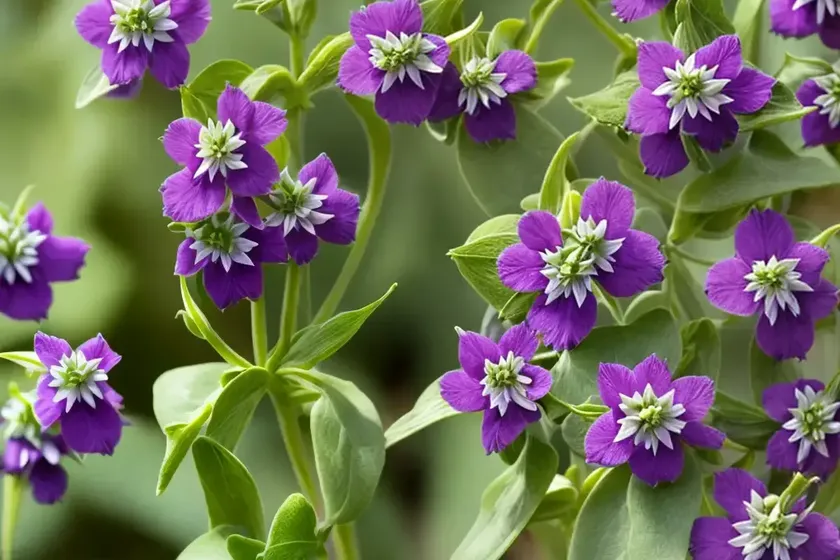
The Lesser Honeywort, Cerinthe Major ‘purpurascens,’ is an enchanting flowering plant that belongs to the family Boraginaceae. This hardy annual or biennial plant is native to the Mediterranean region and is distinguished by its striking appearance. The plant’s common names, including Honeywort and Blue Shrimp Plant, originate from the unique structure and coloration of its flowers.
Key Takeaways
Before delving into the comprehensive care and cultivation aspects of the Lesser Honeywort, let’s highlight the key takeaways associated with this captivating plant:
- Scientific Name: Cerinthe Major ‘purpurascens’
- Common Names: Lesser Honeywort, Honeywort, Blue Shrimp Plant
- Family: Boraginaceae
- Plant Type: Hardy annual or biennial
- Native Region: Mediterranean
- Distinctive Features: Unique flower structure and coloration
- Adaptability: Suited for diverse garden designs and landscaping projects
Culture
Understanding the cultural requirements of the Lesser Honeywort is essential for fostering its optimal growth and health. This section provides valuable insights into the plant’s culture, encompassing watering, sunlight, fertilizer application, soil preferences, and pruning.
Water
The Lesser Honeywort thrives in well-drained soil and prefers moderate watering. Overly soggy soil can lead to root rot, so it is crucial to maintain a balanced watering schedule. During hot and dry periods, regular watering is essential to sustain the plant’s vigor and bloom production.
Sunlight
Being a Mediterranean native, the Lesser Honeywort exhibits a preference for full to partial sunlight. When cultivated in regions with intense sunlight, providing partial shade during the hottest part of the day can prevent sunscald and maintain the plant’s vibrant foliage.
Fertilizer
Applying a balanced, all-purpose fertilizer can enhance the growth and flowering potential of the Lesser Honeywort. A slow-release fertilizer or organic compost can be incorporated into the soil during planting, and supplementary fertilization can be carried out during the growing season to support the plant’s nutritional requirements.
Soil
The Lesser Honeywort thrives in well-draining, loamy soil that is rich in organic matter. A slightly alkaline to neutral soil pH range of 6.0 to 7.5 is ideal for ensuring optimal nutrient uptake and overall plant health.
Pruning
Regular deadheading of spent flowers not only promotes continuous blooming but also prevents self-seeding, which can lead to unwanted proliferation of the plant in certain settings. Additionally, selective pruning of any damaged or diseased foliage contributes to the Lesser Honeywort’s aesthetic appeal and overall vitality.
Uses
The versatile nature of the Lesser Honeywort extends to its various uses, making it an appealing choice for both home gardeners and professional landscapers. This section explores the diverse applications of the plant, ranging from ornamental purposes to potential medicinal and culinary uses.
Ornamental Value
The Lesser Honeywort serves as an exceptional ornamental plant in garden beds, borders, and containers. Its unique flower clusters and prominent bracts add an intriguing visual element to any landscape design, making it a favored choice for floral arrangements and cut flower displays.
Medicinal and Culinary Potential
In addition to its aesthetic appeal, the Lesser Honeywort harbors potential medicinal properties, with historical references to its use in traditional herbal medicine. Furthermore, the edible nature of its flowers and young shoots opens avenues for culinary exploration, presenting opportunities for creative and innovative culinary endeavors.
Propagation
Understanding the propagation techniques of the Lesser Honeywort is valuable for expanding its presence within a garden or sharing its splendor with fellow plant enthusiasts. This section outlines methods for propagating the plant, ensuring successful establishment and proliferation.
Seed Propagation
The propagation of the Lesser Honeywort through seeds is a straightforward and rewarding process. Sowing the seeds directly into prepared garden soil after the last frost date in spring facilitates the emergence of robust seedlings. Alternatively, starting the seeds indoors a few weeks before the anticipated planting date offers the advantage of an extended growing season and controlled environmental conditions for germination.
Division
In the case of mature clumps of Lesser Honeywort, division can be employed to create additional plants. By carefully separating the root mass into smaller sections and replanting them in suitable locations, gardeners can multiply the presence of this captivating plant in their gardens or landscapes.
Container Popularity
The Lesser Honeywort’s compact growth habit, coupled with its ornamental appeal, makes it well-suited for container cultivation. This section highlights the key considerations for successfully growing the plant in containers and the potential for incorporating it into diverse indoor and outdoor settings.
Indoor Containers
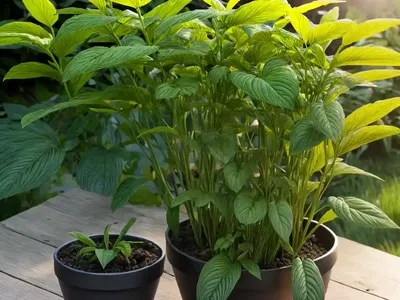
The Lesser Honeywort can thrive as an indoor container plant when provided with ample sunlight and well-drained potting mix. Its vibrant foliage and unique flowers make it an excellent choice for accentuating interior spaces, adding a touch of natural beauty to living areas, offices, and conservatories.
Outdoor Containers
In outdoor settings, the Lesser Honeywort’s vibrant blooms and attractive foliage contribute to the visual appeal of patios, balconies, and garden terraces. When grown in containers, the plant’s portability allows for versatile placement, enabling individuals to create captivating floral arrangements and enhance outdoor living spaces.
Common Diseases
Despite its resilience, the Lesser Honeywort is susceptible to certain diseases and conditions that can impact its vigor and overall performance. Recognizing common diseases and implementing appropriate disease management strategies is essential for safeguarding the plant’s health.
Disease Diagnosis
A vigilant approach to monitoring the plant for signs of disease, including leaf discoloration, wilting, or abnormal growth, facilitates early diagnosis and intervention. Common diseases that may affect the Lesser Honeywort include fungal infections, such as powdery mildew and leaf spot, as well as issues related to overly wet conditions, such as root rot.
Common Pests
Pest infestations can pose a threat to the Lesser Honeywort’s well-being, necessitating proactive measures to mitigate potential damage and preserve the plant’s vitality. This section highlights prevalent pests and measures for effective pest control.
Insect Infestations
Aphids, spider mites, and caterpillars are among the potential insect pests that may target the Lesser Honeywort. Regular inspection of the plant for signs of pest activity, such as distorted foliage or visible pests, enables timely intervention through targeted insecticidal treatments or natural pest control methods.
Botanist’s Tips
As a plant scientist, I am committed to sharing expert tips and recommendations to support the successful cultivation of the Lesser Honeywort. These insights encompass best practices, cultural considerations, and creative applications to inspire and empower plant enthusiasts.
Soil Preparation
Prior to planting the Lesser Honeywort, amending the soil with well-decomposed organic matter enhances its fertility and structure, providing an ideal foundation for robust growth and development.
Companion Planting
Incorporating the Lesser Honeywort into mixed plantings alongside compatible companions, such as drought-tolerant perennials and annuals, fosters a harmonious garden ecosystem and contributes to the overall visual appeal of the landscape.
Wildlife Attractant
The nectar-rich flowers of the Lesser Honeywort attract beneficial pollinators, including bees and butterflies, making it a valuable addition to pollinator-friendly gardens and wildlife-supportive landscapes.
Fun Facts
As we delve deeper into the realm of the Lesser Honeywort, let’s uncover some intriguing and lesser-known aspects of this captivating plant. These fun facts add a layer of fascination and appreciation for the unique attributes and contributions of the Lesser Honeywort to the botanical world.
- The flowers of the Lesser Honeywort are prized for their captivating coloration, which transitions from deep purple to vibrant blue, contributing to their allure and aesthetic appeal.
- This resilient plant is characterized by its adaptability to various soil types and climatic conditions, embodying its Mediterranean heritage and robust nature.
- The folklore surrounding the Lesser Honeywort encompasses stories of its symbolic significance and traditional uses, reflecting its cultural relevance and historical associations.
Links to External Resources
For individuals seeking additional information, inspiration, or practical guidance regarding the Lesser Honeywort, the following external resources offer valuable insights and resources for further exploration:
- Royal Horticultural Society
- Missouri Botanical Garden
- Gardening Know How
- University of Florida IFAS Extension
- North Carolina State University Extension
In conclusion, the Lesser Honeywort (Cerinthe Major ‘purpurascens’) stands as a captivating botanical specimen, esteemed for its ornamental charm, cultural significance, and adaptability. This comprehensive guide elucidates the essential aspects of the plant’s care, cultivation, and uses, serving as a valuable resource for plant enthusiasts and horticultural enthusiasts alike. By embracing the unique attributes and allure of the Lesser Honeywort, individuals can enrich their outdoor spaces, foster biodiversity, and embark on a rewarding journey of horticultural exploration and appreciation.
Keywords: Cerinthe Major ‘purpurascens’ care, Lesser Honeywort plant care, Growing Cerinthe Major ‘purpurascens’, Cerinthe Major ‘purpurascens’ propagation, Tips for growing Lesser Honeywort, Lesser Honeywort plant characteristics, Cerinthe Major ‘purpurascens’ varieties, Lesser Honeywort planting guide, Cerinthe Major ‘purpurascens’ cultivation, Lesser Honeywort plant description, Cerinthe Major ‘purpurascens’ sunlight requirements, Lesser Honeywort watering needs, Cerinthe Major ‘purpurascens’ soil preferences, Lesser Honeywort pest and disease control, Cerinthe Major ‘purpurascens’ companion planting, Lesser Honeywort indoor gardening, Cerinthe Major ‘purpurascens’ outdoor planting, Lesser Honeywort container gardening, Cerinthe Major ‘purpurascens’ flower colors, Lesser Honeywort bloom time, Cerinthe Major ‘purpurascens’ foliage characteristics, Lesser Honeywort pollinators, Cerinthe Major ‘purpurascens’ wildlife attractant, Lesser Honeywort medicinal uses, Cerinthe Major ‘purpurascens’ edible properties, Lesser Honeywort folklore and symbolism, Cerinthe Major ‘purpurascens’ origin and history, Lesser Honeywort garden design ideas, Cerinthe Major ‘purpurascens’ seasonal care, Lesser Honeywort winter protection, Cerinthe Major ‘purpurascens’ pruning tips, Lesser Honeywort fragrance description, Cerinthe Major ‘purpurascens’ leaf texture, Lesser Honeywort container arrangements, Cerinthe Major ‘purpurascens’ cut flower usage, Lesser Honeywort natural landscaping, Cerinthe Major ‘purpurascens’ foliage pattern, Lesser Honeywort plant classification, Cerinthe Major ‘purpurascens’ growth habit, Lesser Honeywort garden maintenance, Cerinthe Major ‘purpurascens’ hardiness zones, Lesser Honeywort climate adaptability, Cerinthe Major ‘purpurascens’ garden integration, Lesser Honeywort attractive features, Cerinthe Major ‘purpurascens’ color palette, Lesser Honeywort hybrid varieties, Cerinthe Major ‘purpurascens’ native habitats, Lesser Honeywort landscape uses, Cerinthe Major ‘purpurascens’ seed collection, Lesser Honeywort sustainable gardening tips