The Fascinating World of Lesser Celandine (Ficaria verna)
Plants are an integral part of our natural environment, and the diversity of plant species never fails to captivate our imagination. In this blog post, we delve into the enchanting world of Lesser Celandine (Ficaria verna), a perennial flowering plant that has garnered attention for its vibrant early spring blooms and remarkable adaptability to different environmental conditions.
What is Lesser Celandine (Ficaria verna)?
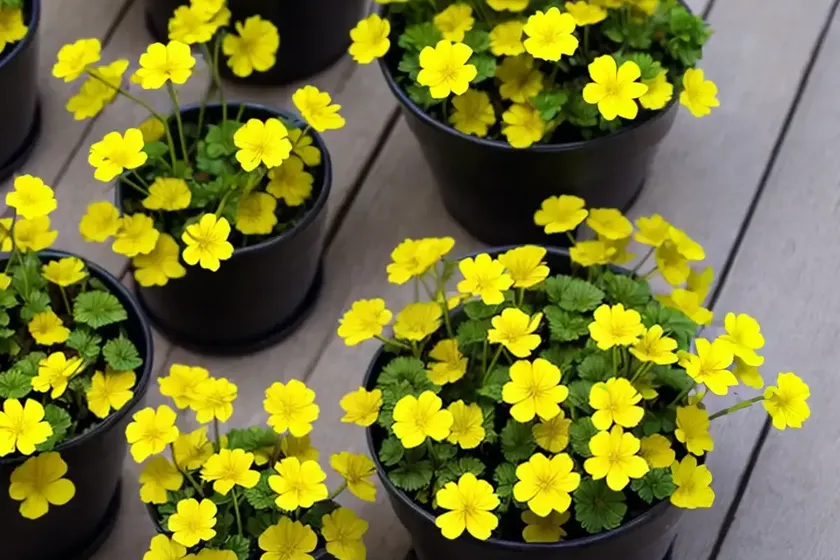
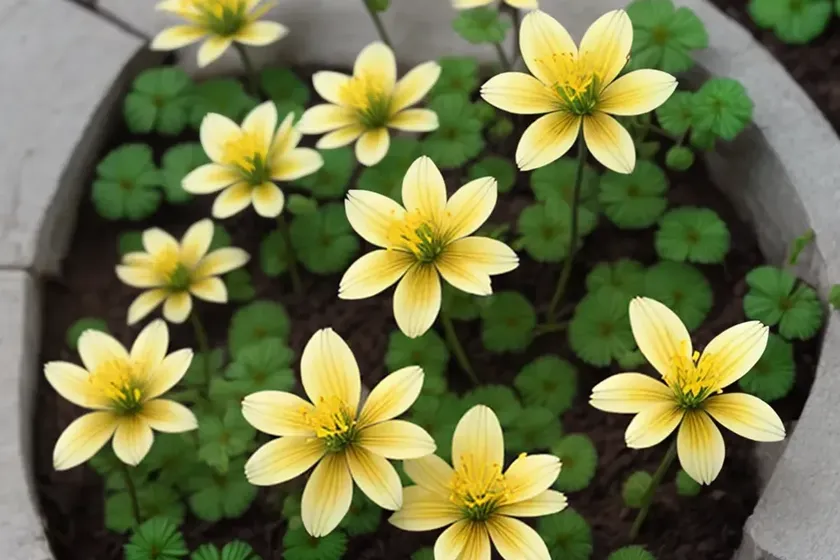
Lesser Celandine, scientifically known as Ficaria verna, is a member of the buttercup family (Ranunculaceae) and is native to Europe, North Africa, and western Asia. This charming plant is adored for its delicate yellow flowers that carpet the ground, signaling the arrival of spring. In the wild, Lesser Celandine can be found in woodlands, meadows, and along waterways, where it thrives in moist and shaded environments.
Key Takeaways – Lesser Celandine (Ficaria verna)
Before we delve into the various aspects of caring for Lesser Celandine, let’s explore some key takeaways about this captivating plant:
- Early Spring Flowers: Lesser Celandine is known for its early spring blooms, offering a burst of color when most of the natural landscape is still awakening from winter’s grip.
- Perennial Ground Cover: It serves as an excellent perennial ground cover, spreading quickly to form a lush carpet of foliage and flowers.
- Shade-Loving Plant: Lesser Celandine thrives in shaded areas, making it a versatile addition to garden landscapes with varying light conditions.
- Medicinal Properties: This plant has been traditionally used in herbal medicine to treat various ailments, owing to its purported medicinal properties.
- Wildlife Habitat: Lesser Celandine plays a crucial role in providing habitat and food for various wildlife species, enriching the ecological diversity of its surroundings.
With these insights in mind, let’s explore the various aspects of cultivating and caring for Lesser Celandine, from its cultural requirements to its ecological significance.
Culture
Uses
Lesser Celandine holds several uses, both ornamental and medicinal, making it a valuable addition to gardens and natural landscapes. Some of its key uses include:
- Ornamental: Its vibrant yellow flowers make it a charming addition to gardens, providing an early burst of color.
- Medicinal: In traditional medicine, the plant has been used to address conditions such as hemorrhoids and ulcers, although it should be noted that its medicinal usage requires caution and expert guidance due to potential toxicity.
Water
Lesser Celandine thrives in moist to wet soil, and it is particularly well-suited to areas with damp, well-drained conditions. Adequate moisture is essential for the plant’s growth and flowering, making it an excellent choice for water features, bog gardens, and other areas with consistently high humidity.
Sunlight
As a shade-loving plant, Lesser Celandine prefers partial to full shade. It can thrive under the filtered sunlight of deciduous trees or in areas with dappled light, making it a valuable addition to shaded gardens and woodland settings.
Fertilizer
While Lesser Celandine is not excessively demanding in terms of fertilizer, incorporating organic matter into the soil before planting can provide the necessary nutrients for healthy growth. A layer of compost or well-rotted manure can be beneficial for enhancing soil fertility and supporting the plant’s development.
Soil
The plant prefers rich, humus-rich soil with good drainage. Loamy or clay soils with high organic content are well-suited for its cultivation, ensuring that the roots receive adequate aeration and moisture retention. The pH level of the soil should ideally be neutral to slightly acidic, ranging between 6.0 to 7.0.
Pruning
Pruning requirements for Lesser Celandine are minimal, primarily focused on the removal of spent flowers to encourage continuous blooming and prevent self-seeding. However, its vigorous growth habit may necessitate containment in garden settings to prevent unchecked spread, particularly in areas where it is considered invasive.
Propagation
Lesser Celandine can be propagated through various methods, including division of rhizomes and seeds. Understanding the most effective propagation techniques is essential for expanding its presence in gardens and natural areas while maintaining its ecological balance.
Division of Rhizomes
The division of rhizomes is a common and reliable method of propagating Lesser Celandine. During the plant’s dormancy or in early spring, rhizomes can be carefully divided and replanted to establish new colonies and expand existing ones.
Seed Propagation
While Lesser Celandine readily self-seeds in favorable conditions, manual collection and sowing of seeds can be employed to propagate specific cultivars and manage its spread effectively. Sowing the seeds in well-prepared soil in late summer to early autumn can yield new plants the following spring.
Container Popularity
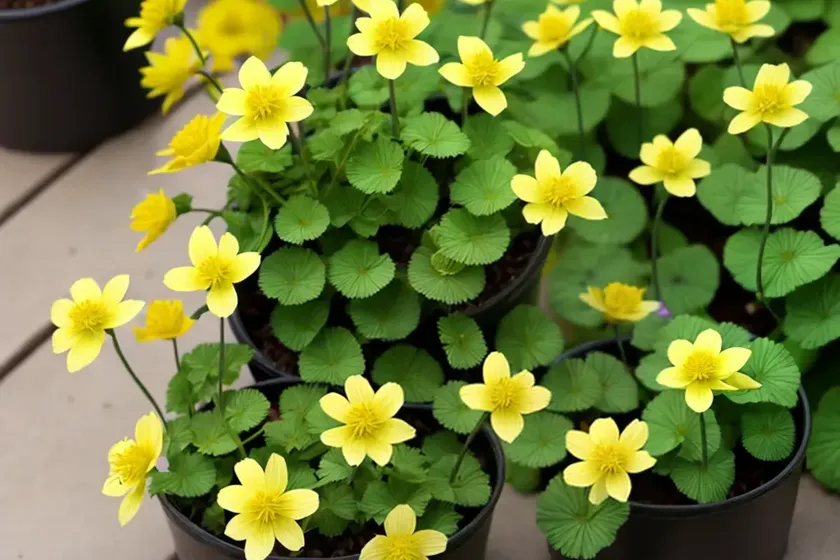
The adaptability and vigor of Lesser Celandine make it a popular choice for container gardening, allowing enthusiasts to enjoy its vibrant blooms and lush foliage in a controlled environment. Its suitability for containers makes it an excellent choice for small gardens, balconies, and other confined spaces.
Container Common Diseases
While container cultivation can offer protection from certain soil-borne diseases and pests, it is important to be aware of potential issues that may arise when growing Lesser Celandine in containers.
Disease Diagnosis
Common diseases that can affect Lesser Celandine in containers include:
- Root Rot: Excessive moisture and poor drainage can lead to root rot, causing the plant’s health to decline rapidly.
- Powdery Mildew: In conditions of high humidity and poor air circulation, powdery mildew may develop on the plant’s foliage, affecting its aesthetics and potentially impeding its growth.
Common Pests
Several pests can pose a threat to Lesser Celandine, and container cultivation offers an opportunity to mitigate their impact through proactive management measures.
- Slugs and Snails: These mollusks are known to feed on the foliage of Lesser Celandine, causing damage to the plant’s leaves and flowers. Vigilance and the use of barriers or organic control methods can help reduce their presence.
- Aphids: These sap-sucking insects can infest the plant, affecting its overall health and vigor. Regular inspection and the use of natural predators or targeted sprays can help manage aphid populations effectively.
Botanist’s Tips
From a botanist’s perspective, cultivating Lesser Celandine in containers offers an opportunity to appreciate its unique features while providing an adaptable and visually appealing addition to garden spaces. Some tips for successful container cultivation include:
-
Selecting Well-Draining Soil: Choosing a high-quality potting mix with excellent drainage properties can help prevent waterlogging and enhance the plant’s growth.
-
Providing Adequate Moisture: While maintaining soil moisture is essential, it is crucial to prevent waterlogged conditions that can lead to root rot. Water the plant thoroughly when the top inch of soil feels dry, allowing excess water to drain out of the container.
-
Monitoring for Pests: Regular inspections for pests and diseases can help address issues early, preventing potential outbreaks and minimizing the impact on the plant’s health.
Fun Facts
- Folklore and Mythology: Lesser Celandine has been associated with various legends and folklore across different cultures, often symbolizing themes of rebirth, renewal, and the arrival of spring.
- Botanical Illustrations: The radiant flowers of Lesser Celandine have been the subject of numerous botanical illustrations and artworks, capturing the plant’s ephemeral beauty for posterity.
- Ecological Significance: As a valuable early spring food source for pollinators, Lesser Celandine contributes to the ecological tapestry of its native habitats, supporting the biodiversity of woodland ecosystems.
Links to External Resources
To further explore the captivating world of Lesser Celandine and its diverse attributes, the following external resources offer valuable insights and information:
In conclusion, as we immerse ourselves in the enchanting world of plants, Lesser Celandine stands out as a symbol of resilience, beauty, and ecological significance. From its early spring blooms to its role as a wildlife habitat plant, this captivating species continues to inspire admiration and appreciation in gardens, natural settings, and the realm of botanical exploration.
As we continue to explore the multifaceted nature of plant life, embracing the diversity and wonder of species like Lesser Celandine enriches our understanding of the natural world and the intricate tapestry of flora that surrounds us.
This blog post encompasses a comprehensive exploration of Lesser Celandine (Ficaria verna) and provides insights into its cultural requirements, ecological significance, and botanical allure. The content offers valuable information for plant enthusiasts, gardeners, and individuals seeking to deepen their knowledge of this captivating species.