What is Cactaceae?
In the world of flora, the Cactaceae family, commonly known as cacti, stands out as a unique and fascinating group of plants. These iconic and resilient succulents have captured the imagination of plant enthusiasts, decorators, and collectors around the world. The Cactaceae family boasts an incredible diversity of shapes, sizes, and forms, making them a popular choice for both indoor and outdoor cultivation. In this blog post, we will delve into the captivating world of Cactaceae plants, exploring their cultural significance, uses, care requirements, and more.
Key Takeaways – Cactaceae
Before we dive into the specifics of caring for Cactaceae plants, let’s take a moment to understand some foundational aspects of these intriguing succulents:
- Cactaceae Plants: A diverse family of succulent plants known for their water-storing capabilities and unique morphological features.
- Desert Dwellers: Many Cactaceae species thrive in arid and semi-arid regions, showcasing impressive adaptations to survive in harsh environments.
- Resilience and Beauty: Cactaceae plants symbolize resilience and have become popular ornamental additions to homes, gardens, and landscapes.
As we continue, we will explore the cultural significance, uses, and care guidelines for Cactaceae, shedding light on their unique characteristics and the elements that make them a cherished part of botanical diversity.
Culturally Significant Cactaceae
The cultural significance of Cactaceae plants transcends geographical boundaries and has permeated various aspects of human life and traditions. From ancient folklore to modern art and design, these remarkable succulents have left an indelible mark on diverse societies. Let’s explore some of the cultural uses and significance of Cactaceae plants:
Symbolism and Folklore
Cactaceae plants have often been associated with resilience, endurance, and the ability to thrive in adverse conditions. In many cultures, these plants symbolize strength and adaptability, serving as a source of inspiration and admiration. Folklore and stories often depict cacti as symbols of survival and resilience in the face of challenges, making them an enduring cultural icon.
Art, Design, and Décor
The unique morphology and striking appearance of Cactaceae plants have made them favorite subjects in art, design, and decor. From classic paintings to modern tattoo designs, cacti have found a place in various artistic expressions, reflecting their captivating allure and symbolic meanings. Additionally, the ornamental appeal of Cactaceae plants has led to their widespread use in interior and landscape design, where they contribute to visually stunning arrangements and landscaping ideas.
Medicinal and Practical Uses
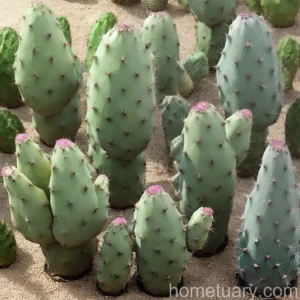
Beyond their aesthetic and symbolic value, certain species of Cactaceae have been utilized for their practical and medicinal properties. For example, the prickly pear cactus (Opuntia) has a long history of traditional medicinal use, with its fruits, pads, and extracts being employed for various health benefits. Furthermore, in arid regions, some Cactaceae species are a crucial source of food and water for both humans and wildlife, highlighting their practical significance in sustaining ecosystems and livelihoods.
The rich cultural tapestry surrounding Cactaceae plants underscores their enduring appeal and multifaceted contributions to human traditions and creativity.
Understanding Cactaceae Care
To provide optimal care for Cactaceae plants, it is essential to have a comprehensive understanding of their specific requirements and characteristics. Successfully cultivating and maintaining these succulents involves thoughtful attention to their needs for water, sunlight, soil, and more. Let’s explore the key elements of Cactaceae care to ensure the health and vibrancy of these remarkable plants.
Water
Cactaceae plants have adapted to survive in arid environments by storing water in their fleshy stems and leaves. Therefore, it is crucial to practice mindful watering to prevent overhydration, which can lead to root rot and other issues. Here are some essential considerations for watering Cactaceae:
- Frequency: During the growing season, water Cactaceae plants when the soil is dry to the touch, typically once every 2-3 weeks. In winter, reduce watering frequency to mimic their natural dormancy period.
- Watering Technique: When watering, ensure thorough saturation of the soil, allowing excess water to drain freely from the pot to prevent waterlogging.
By adhering to these watering guidelines, you can maintain the proper moisture balance for your Cactaceae plants, promoting healthy growth and vitality.
Sunlight
Exposure to ample sunlight is vital for the well-being of Cactaceae plants, as it fuels their photosynthetic processes and influences their distinctive shapes and colors. Here are some essential considerations for providing adequate sunlight to your cacti:
- Direct Sunlight: Place Cactaceae plants in locations where they can receive at least 6 hours of direct sunlight daily, such as near south or west-facing windows. Outdoor varieties should be positioned in areas with full sun exposure, ensuring they receive the necessary light for robust growth.
Cactaceae plants are exquisitely adapted to thrive in sunny conditions, and providing them with sufficient sunlight is crucial for maintaining their vibrant health and appearance.
Fertilizer
Applying a balanced fertilizer can support the growth and resilience of Cactaceae plants, providing essential nutrients for their unique physiological requirements. When fertilizing your cacti, consider the following guidelines:
- Fertilizing Frequency: During the growing season in spring and summer, apply a diluted, balanced fertilizer once every 4-6 weeks to provide the necessary nutrients for active growth.
- Specialized Formulas: Consider using a fertilizer specifically formulated for cacti and succulents, as these blends are tailored to meet the nutritional needs of these unique plants.
Carefully incorporating fertilization into your Cactaceae care regimen can enhance their overall health and vitality, ensuring robust and vigorous growth.
Soil
The choice of potting mix significantly influences the well-being of Cactaceae plants, as it directly impacts their water retention, drainage, and nutrient availability. When preparing the ideal soil mix for your cacti, consider the following components:
- Well-Draining Mix: Use a specialized cactus or succulent potting mix that promotes excellent drainage to prevent waterlogging and root rot.
- Additives: Incorporate materials such as perlite, coarse sand, or pumice into the soil mix to enhance aeration and drainage, creating an optimal growing medium for Cactaceae plants.
By providing a well-suited soil mix, you can ensure that your Cactaceae plants have a favorable environment for root development and overall growth.
Pruning
Pruning Cactaceae plants is a straightforward yet important aspect of their care, especially when addressing damaged or overgrown portions. Here are some essential considerations for pruning your cacti:
- Sanitary Practices: Use clean, sharp tools to make precise cuts, minimizing the risk of introducing diseases or causing unnecessary stress to the plants.
- Removal of Damaged Tissue: Trim off any diseased or damaged sections as soon as they are observed to prevent the spread of infections and promote plant recovery.
Adhering to proper pruning practices can help maintain the health and aesthetics of your Cactaceae plants, allowing them to flourish and thrive.
Propagation of Cactaceae Plants
The propagation of Cactaceae plants offers a fascinating opportunity to expand your collection and share these captivating succulents with others. Whether you are intrigued by the process of propagation or simply wish to multiply your cherished cacti, understanding the methods and guidelines for successful propagation is essential. Let’s explore the common methods of propagating Cactaceae plants:
Offsets and Division
Many Cactaceae species produce offsets or pups, which are miniature versions of the parent plants. These offsets can be carefully removed and propagated to create new, independent plants. Here are some key points to consider when propagating cacti through offsets and division:
- Mature Offsets: Wait until the offsets have developed their own root systems and are large enough to be separated from the parent plant.
- Gentle Separation: Use a clean, sharp knife or scissors to detach the offsets from the parent plant, ensuring minimal damage to the roots and stems.
By successfully propagating offsets, you can expand your cacti collection and share the beauty of these plants with others.
Stem Cuttings
Certain Cactaceae species can be propagated from stem cuttings, allowing for the creation of new plants from healthy portions of mature specimens. Here’s a brief overview of the process for propagating cacti from stem cuttings:
- Selection of Cuttings: Choose healthy, mature stems without signs of damage or disease for propagating new plants.
- Callus Formation: Allow the cut ends of the stem cuttings to dry and form calluses before planting them in a suitable propagation medium.
By following these propagation methods, you can effectively multiply your Cactaceae plants, fostering a flourishing collection of these captivating succulents.
Container Popularity
Cactaceae plants have gained widespread popularity as container plants, gracing homes, offices, and outdoor spaces with their aesthetic appeal and low-maintenance requirements. The versatile nature of Cactaceae makes them well-suited for various types of containers, offering endless possibilities for creative displays and arrangements. Let’s explore the reasons behind the popularity of Cactaceae plants in containers:
Ornamental Appeal
The distinctive shapes, colors, and textures of Cactaceae plants make them compelling choices for ornamental container displays. Whether showcased individually or arranged in captivating groupings, cacti can serve as focal points in interior decor, patio settings, and garden landscapes, adding a touch of natural beauty and intrigue.
Space Efficiency
The compact size and slow growth habit of many Cactaceae species make them ideal for container cultivation, particularly in environments with limited space. This space-efficient quality allows individuals living in apartments, urban dwellings, and small homes to enjoy the beauty of cacti without the need for expansive garden areas.
Indoor Adaptability
Cactaceae plants are well-suited for indoor cultivation, thriving in the controlled environment of homes and offices. Their adaptability to indoor conditions, combined with their striking visual appeal, has made cacti a popular choice for interior decor, providing an element of greenery and charm to indoor spaces.
The widespread popularity of Cactaceae plants in containers reflects their versatility, visual allure, and capacity to thrive in diverse settings, making them cherished additions to both interior and exterior environments.
Common Diseases and Pest Management
Despite their resilience, Cactaceae plants can be susceptible to certain diseases and pests that can affect their health and appearance. Understanding the common ailments and pests that may afflict cacti is crucial for implementing effective preventive measures and treatments. Let’s explore the common diseases and pests of Cactaceae plants, along with strategies for diagnosis and management.
Disease Diagnosis
Cactaceae plants can be affected by various diseases, including fungal infections, rot, and bacterial issues. Proper diagnosis of these diseases is essential for implementing targeted treatments and preventing the spread of infections. Here are some common diseases that may affect Cactaceae plants and their diagnostic signs:
| Disease | Diagnostic Signs |
|---|---|
| Root Rot | Soft, discolored, and water-soaked roots |
| Powdery Mildew | White, powdery patches on the stems and leaves |
| Bacterial Rot | Foul-smelling, dark, and slimy lesions on the plant |
By carefully observing the symptoms and conducting thorough assessments, you can accurately diagnose and address diseases affecting your Cactaceae plants.
Common Pests
Pests can pose a threat to the well-being of Cactaceae plants, potentially causing damage to the stems, leaves, and roots. Vigilant monitoring and timely intervention are essential for managing common pests that may infest cacti. Here are some notable pests and their impact on Cactaceae plants:
| Pest | Impact on Plants |
|---|---|
| Spider Mites | Webbing, stippling, and discoloration on the foliage |
| Mealybugs | White, cottony masses on stems and leaf nodes |
| Scale Insects | Raised bumps on stems and leaves, sap depletion |
By staying vigilant and implementing integrated pest management strategies, you can effectively mitigate the impact of pests on your Cactaceae plants, safeguarding their health and vitality.
Botanist’s Tips for Cactaceae Care
To enrich your understanding and appreciation of Cactaceae plants, it is worthwhile to consider the insights and tips offered by botanists and experts in the field. Their knowledge and expertise can illuminate key aspects of Cactaceae care, offering valuable guidance for cultivating and maintaining these remarkable succulents. Let’s explore some essential tips for caring for Cactaceae plants based on the wisdom of botanists and experienced enthusiasts:
Tip 1: Observation and Adaptation
Botanists emphasize the importance of closely observing Cactaceae plants and adapting care practices to meet their specific needs. By tuning into the growth patterns, color changes, and overall behavior of cacti, individuals can make informed decisions regarding watering, light exposure, and other critical factors.
Tip 2: Patience and Minimal Intervention
Experts stress the value of exercising patience when caring for Cactaceae plants, as these succulents have evolved to thrive in resource-scarce environments. Minimizing unnecessary intervention and allowing cacti to acclimate to natural conditions can promote their long-term health and resilience.
Tip 3: Understanding Root Health
Botanists emphasize the significance of maintaining optimal root health for Cactaceae plants, as healthy roots are vital for water storage, nutrient uptake, and overall plant vigor. Selecting suitable soil mixes, providing adequate drainage, and avoiding overwatering are essential practices for preserving root health.
By incorporating these botanist-recommended tips into your care regimen, you can enhance your approach to cultivating and nurturing Cactaceae plants, fostering their well-being and longevity.
Fun Facts About Cactaceae Plants
Cactaceae plants are brimming with captivating features and intriguing details that make them a perennial favorite among plant enthusiasts and nature lovers. Let’s uncover some fun and compelling facts about Cactaceae plants that showcase their allure and unique attributes:
- Cacti are succulent plants, characterized by their ability to store water in their fleshy stems and leaves as an adaptation to arid environments.
- The saguaro cactus (Carnegiea gigantea) is a towering species that can live for over 150 years and is a prominent symbol of the American Southwest.
- Certain species of cacti produce spectacular blooms in a stunning array of colors, adding a vibrant and enchanting dimension to their already captivating presence.
Each of these fun facts contributes to the fascination and wonder surrounding Cactaceae plants, underscoring their remarkable nature and enduring appeal.
Links to External Resources
To further expand your knowledge and appreciation of Cactaceae plants, consider exploring the following external resources:
These resources offer a wealth of information, insights, and community connections related to Cactaceae plants, enriching your journey into the captivating realm of cacti and succulents.
In conclusion, the Cactaceae family represents a fascinating and diverse group of plants that have woven their allure into cultures, traditions, and botanical appreciation worldwide. By understanding their cultural significance, mastering their care requirements, and delving into their captivating features, you can embark on a rewarding journey of cultivating, admiring, and marveling at these exceptional succulents. Whether adorning interior spaces, enhancing outdoor landscapes, or serving as sources of inspiration, Cactaceae plants continue to captivate and inspire, offering a testament to the enduring allure and resilience of nature’s botanical treasures.