Advertisement

Advertisement

Advertisement

Leatherleaf Viburnum (Viburnum Rhytidophyllum)

· · ⏰ 9 min read · 1,724 words
Disclosure: This post may contain affiliate links. If you purchase through these links, we may earn a small commission at no extra cost to you. We only recommend products we genuinely believe in. Learn more.
Home » Adoxaceae. » Leatherleaf Viburnum (Viburnum Rhytidophyllum)

Leatherleaf Viburnum (Viburnum Rhytidophyllum): A Comprehensive Guide

Introduction

Welcome to our comprehensive guide on the Leatherleaf Viburnum (Viburnum rhytidophyllum). In this blog post, we will delve into the fascinating world of this beautiful shrub, and explore its characteristics, ideal growing conditions, maintenance requirements, common uses, diseases, and much more. Whether you’re a seasoned gardener or just starting out, you’ll find valuable insights to help you cultivate and care for this stunning plant.

What is Leatherleaf Viburnum?

The Leatherleaf Viburnum, scientifically known as Viburnum rhytidophyllum, is an evergreen shrub that belongs to the Adoxaceae family. This species is native to Central and Western China, and it is widely valued for its ornamental qualities, making it a popular choice for landscapes and gardens.

Advertisement

Key Takeaways – Leatherleaf Viburnum (Viburnum Rhytidophyllum)

Before we delve further into the details, let’s quickly highlight the key takeaways about the Leatherleaf Viburnum:

  • Plant Name: Leatherleaf Viburnum (Viburnum rhytidophyllum)
  • Plant Type: Evergreen Shrub
  • Growth Habit: Rounded, Dense
  • Foliage: Glossy, Dark Green
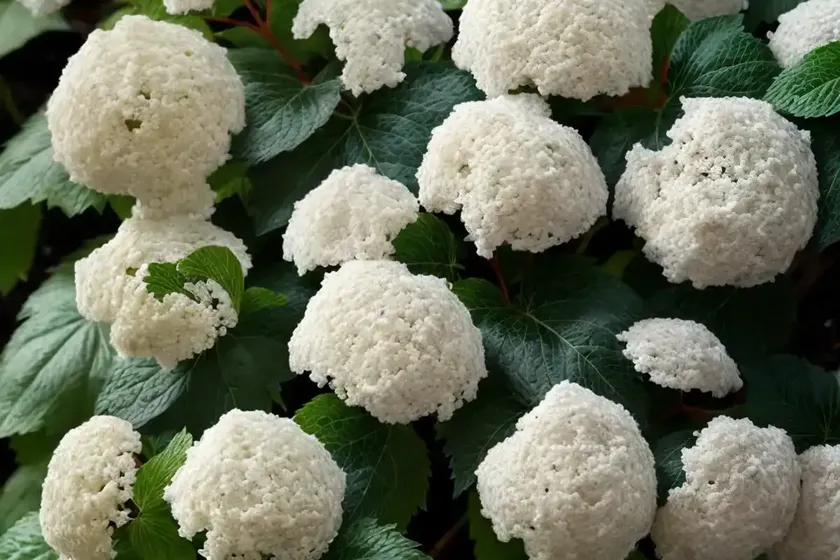
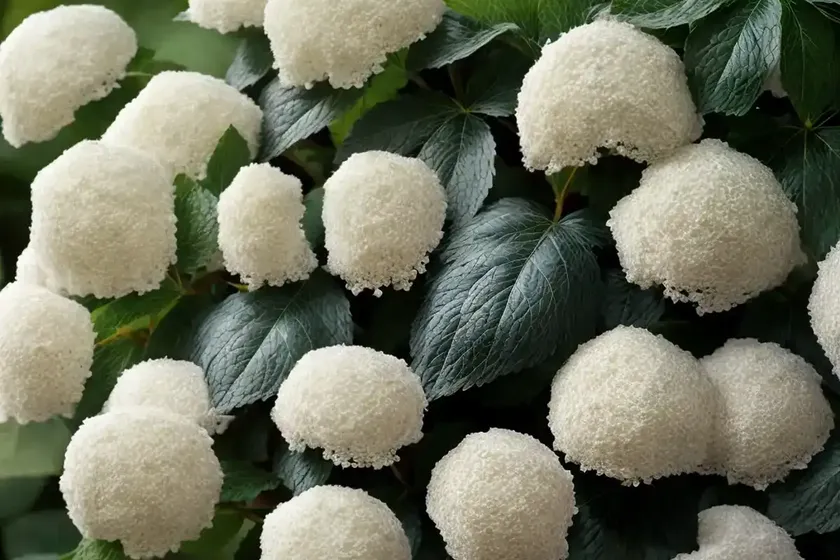
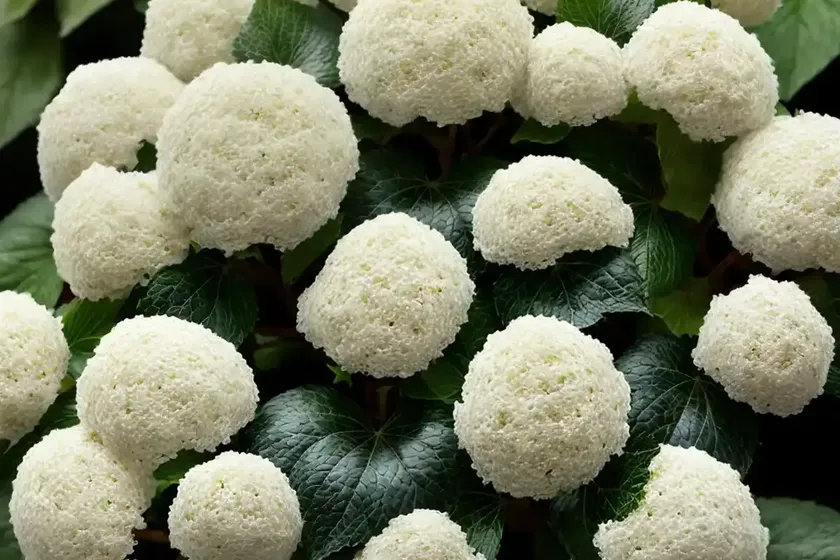
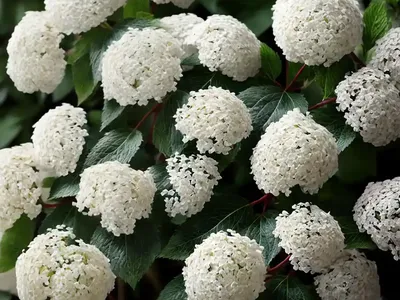
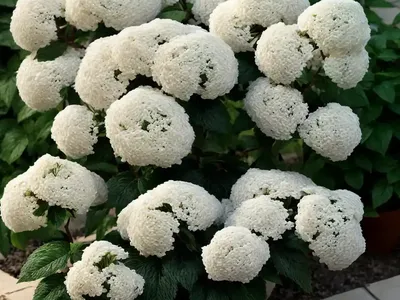
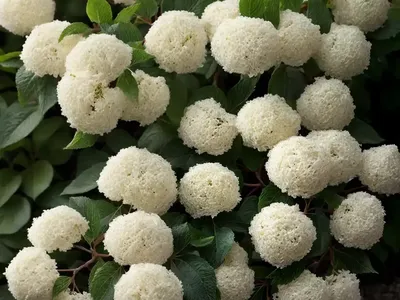
  • Flowers: White, Fragrant
  • Uses: Ornamental, Hedge, Screening
  • Hardiness Zones: 5-8
  • Mature Size: 6-12 feet tall and wide
  • Sunlight: Partial to Full Sun
  • Soil: Well-drained, Moist, Acidic to Neutral
  • Watering: Regular, Especially during Dry Periods
  • Maintenance: Pruning as Needed
  • Common Pests: Aphids, Scale Insects
  • Common Diseases: Powdery Mildew, Leaf Spot

Now, let’s explore each of these aspects in more detail.

Culture

Understanding the cultural requirements of the Leatherleaf Viburnum is crucial for successful cultivation. The plant’s culture encompasses its preferred growing conditions, including soil, sunlight, water, and fertilization needs.

Sunlight

Leatherleaf Viburnum thrives in partial to full sun. While it can tolerate some shade, providing it with at least 4-6 hours of direct sunlight daily promotes optimal growth and flowering.

Water

Proper watering is essential, especially during the plant’s establishment phase and dry periods. Ensure that the soil remains consistently moist, but not waterlogged. A good rule of thumb is to water deeply once or twice a week, and adjust as needed based on local weather conditions.

Soil

Leatherleaf Viburnum prefers well-draining soil that retains moisture without becoming waterlogged. It thrives in slightly acidic to neutral soil with a pH range of 5.5 to 7.5. Additionally, enriching the soil with organic matter, such as compost or peat moss, can provide the plant with essential nutrients and promote healthy growth.

Fertilizer

Applying a balanced, slow-release fertilizer in spring can support the plant’s growth and overall health. Look for a fertilizer with a formulation such as 10-10-10 or 10-8-6, and apply it according to the manufacturer’s recommendations. Avoid over-fertilizing, as this can lead to excessive foliage growth at the expense of flowers.

Uses

The Leatherleaf Viburnum is a versatile plant with several uses in landscaping and gardening. Understanding its potential applications can help you make informed decisions about incorporating it into your outdoor space.

  • Ornamental: The plant’s glossy, dark green foliage and fragrant white flowers make it an attractive addition to gardens and landscapes. It can be used as a specimen plant or as part of a mixed shrub border to add visual interest and year-round appeal.

  • Hedge and Screening: Due to its dense growth habit, Leatherleaf Viburnum is well-suited for creating hedges and screens. When planted closely together, the shrubs form a thick barrier that provides privacy and serves as a windbreak.

Pruning

Pruning is an important part of Leatherleaf Viburnum maintenance, helping to shape the plant, remove dead or overgrown branches, and promote a healthy and tidy appearance. Here are some key points to keep in mind when pruning this shrub:

  • Timing: The best time to prune Leatherleaf Viburnum is right after it finishes flowering, typically in late spring to early summer. This allows ample time for new growth to develop before the onset of winter.

  • Method: Use clean, sharp pruning shears to make cuts at a 45-degree angle. Focus on removing dead, damaged, or diseased branches, as well as any unwanted growth to maintain the shrub’s shape and size.

  • Caution: Avoid heavy pruning during late summer and fall, as this can remove flower buds and potentially diminish the following year’s bloom.

Propagation

Propagating Leatherleaf Viburnum can be achieved through various methods, including stem cuttings, layering, and division. Each approach offers its own set of advantages and challenges, and the choice of method often depends on the resources and expertise available to the gardener.

  • Stem Cuttings: Taking semi-hardwood cuttings in late spring or early summer, and rooting them in a well-draining potting mix, is a common technique for propagating Viburnum species. Adequate moisture and warmth support successful root development.

  • Layering: Layering involves encouraging a stem to produce roots while it is still attached to the parent plant. Once roots have formed, the new plant can be separated and transplanted.

  • Division: Dividing mature Viburnum plants into smaller sections is another way to propagate them. This method is particularly useful for rejuvenating crowded or overgrown shrubs.

Container Popularity

While Leatherleaf Viburnum is often grown in garden beds and borders, it can also be cultivated in containers, offering a compact, controlled growing environment for those with limited outdoor space or specific design requirements.

  • Selection of Container: Choose a large container with adequate drainage holes to accommodate the plant’s mature size. Ensuring proper drainage is essential to prevent waterlogged soil, which can lead to root rot.

  • Soil and Fertilization: Use a high-quality, well-draining potting mix and fertilize the plant as needed according to the specific requirements of container gardening.

  • Sunlight and Watering: Place the container in a location that receives the appropriate amount of sunlight for the plant, and water it regularly to maintain consistent soil moisture.

  • Maintenance: Regular monitoring and occasional repotting or root pruning can help manage the plant’s growth within the container.

Common Diseases

Leatherleaf Viburnum, like many plants, is susceptible to certain diseases that can affect its overall health and appearance. Being aware of common diseases and their symptoms is crucial for timely diagnosis and treatment.

Disease Diagnosis

Some of the most prevalent diseases that can impact Leatherleaf Viburnum include:

  • Powdery Mildew: This fungal disease presents as a powdery, white coating on the foliage, affecting the plant’s ability to photosynthesize and leading to stunted growth and distorted leaves.

  • Leaf Spot: Leaf spot diseases cause dark, circular or angular lesions on the leaves, which can eventually lead to defoliation if left untreated.

Preventive Measures

To reduce the likelihood of disease development, ensure proper air circulation around the plant, avoid overhead watering to prevent moisture accumulation on the foliage, and promptly remove and dispose of any diseased plant material.

Common Pests

Sap-sucking insects, such as aphids and scale insects, are among the primary pests that can infest Leatherleaf Viburnum. These pests can cause damage by piercing the plant’s tissues and feeding on its sap, leading to wilting, yellowing foliage, and overall decline in health.

Pest Management

Regularly inspecting the plant for signs of pest infestations and implementing appropriate control measures, such as horticultural oil sprays or insecticidal soaps, can help manage pest populations and prevent significant damage.

Botanist’s Tips

Here are some additional insights and tips for cultivating and caring for Leatherleaf Viburnum:

  • Mulching: Apply a layer of organic mulch around the base of the shrub to help conserve soil moisture, inhibit weed growth, and provide insulation during temperature fluctuations.

  • Winter Protection: In regions with harsh winters, consider providing winter protection by wrapping the shrub with burlap or applying an anti-desiccant spray to reduce moisture loss through the foliage.

  • Companion Planting: Pair Leatherleaf Viburnum with other shrubs and perennials that complement its growth habits and aesthetic qualities, creating a harmonious and visually appealing landscape.

Fun Facts

To add a touch of intrigue and fascination, here are some interesting and lesser-known facts about the Leatherleaf Viburnum:

  • The fragrant white flower clusters of Leatherleaf Viburnum attract butterflies and other pollinators, enhancing the biodiversity of the surrounding environment.
  • Certain cultivars of Viburnum rhytidophyllum exhibit varying foliage colors, ranging from rich green to dark burgundy, providing options for diverse landscape designs.

For further reading and research on Leatherleaf Viburnum, we have curated a list of valuable external resources:

Conclusion

In conclusion, Leatherleaf Viburnum (Viburnum rhytidophyllum) is a remarkable evergreen shrub that offers an array of aesthetic, practical, and ecological benefits. By understanding its culture, uses, maintenance requirements, and potential challenges, gardeners and enthusiasts can cultivate and appreciate this versatile plant to its fullest potential. Whether used as a focal point in a garden, a functional hedge, or a wildlife-friendly landscape element, the Leatherleaf Viburnum stands out as a captivating and resilient addition to outdoor spaces.

We hope that this comprehensive guide has provided you with valuable insights and inspiration for incorporating the Leatherleaf Viburnum into your own gardening endeavors. Happy gardening!

Note: The information provided in this guide is based on general cultivation practices and common recommendations for Leatherleaf Viburnum. For specific guidance tailored to your local climate and growing conditions, we advise consulting with horticultural experts or local extension services.


Keywords: Leatherleaf Viburnum plant, Viburnum Rhytidophyllum, Leatherleaf Viburnum care, Leatherleaf Viburnum pruning, Viburnum Rhytidophyllum characteristics, Leatherleaf Viburnum growth habit, Leatherleaf Viburnum landscaping, Viburnum Rhytidophyllum shrub, Leatherleaf Viburnum planting, Viburnum Rhytidophyllum foliage, Leatherleaf Viburnum diseases, Viburnum Rhytidophyllum pests, Leatherleaf Viburnum varieties, Viburnum Rhytidophyllum propagation, Leatherleaf Viburnum flowers, Viburnum Rhytidophyllum uses, Leatherleaf Viburnum landscape design, Viburnum Rhytidophyllum pruning tips, Leatherleaf Viburnum soil requirements, Viburnum Rhytidophyllum maintenance, Leatherleaf Viburnum growth rate, Viburnum Rhytidophyllum hedge, Leatherleaf Viburnum winter care, Viburnum Rhytidophyllum shade tolerance, Leatherleaf Viburnum sunlight needs, Viburnum Rhytidophyllum habitat, Leatherleaf Viburnum drought resistance, Viburnum Rhytidophyllum companion plants, Leatherleaf Viburnum fall color, Viburnum Rhytidophyllum flower clusters, Leatherleaf Viburnum landscape ideas, Viburnum Rhytidophyllum evergreen, Leatherleaf Viburnum wildlife attraction, Viburnum Rhytidophyllum bloom time, Leatherleaf Viburnum outdoor cultivation, Viburnum Rhytidophyllum container gardening, Leatherleaf Viburnum native range, Viburnum Rhytidophyllum pruning techniques, Leatherleaf Viburnum water requirements, Viburnum Rhytidophyllum leaf texture, Leatherleaf Viburnum transplanting, Viburnum Rhytidophyllum hedge ideas, Leatherleaf Viburnum tree form, Viburnum Rhytidophyllum seasonal interest, Leatherleaf Viburnum common problems, Viburnum Rhytidophyllum fragrant flowers, Leatherleaf Viburnum border plant, Viburnum Rhytidophyllum summer pruning, Leatherleaf Viburnum companion shrubs, Viburnum Rhytidophyllum wildlife garden.

Advertisement

Browse Topics