Leatherleaf Fern (Rumohra Adiantiformis)
In the world of plants, the Leatherleaf Fern (Rumohra adiantiformis) holds a special place with its unique fronds, trailing habit, and exceptional.
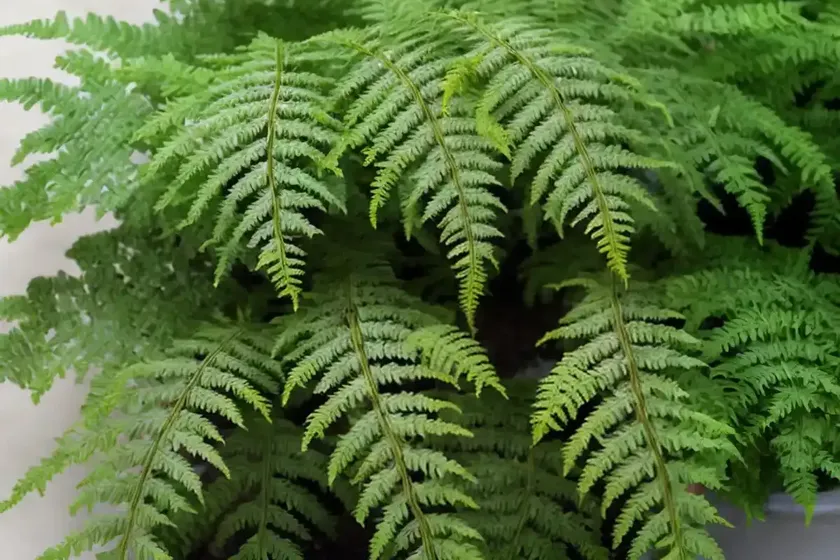
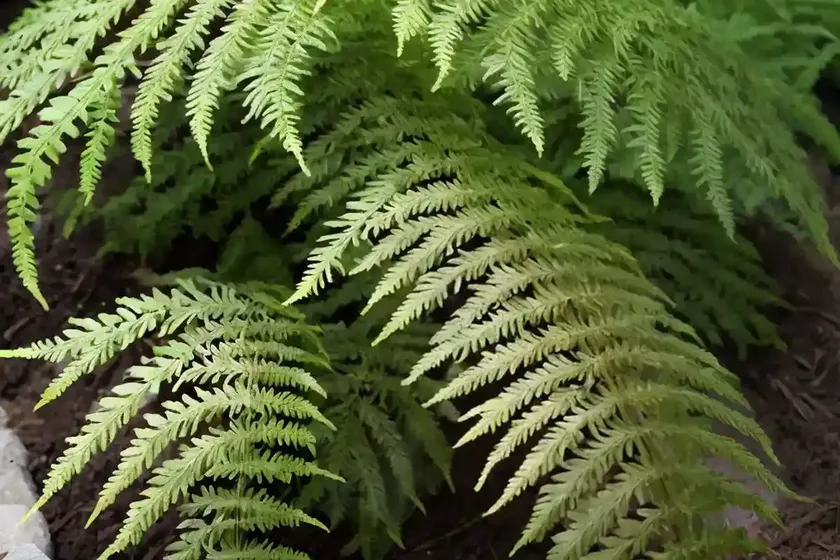
In the world of plants, the Leatherleaf Fern (Rumohra adiantiformis) holds a special place with its unique fronds, trailing habit, and exceptional adaptability to various conditions. Known for its use in landscaping, container gardening, and even terrariums, the Leatherleaf Fern offers a multitude of possibilities for plant enthusiasts. In this comprehensive guide, we’ll delve into the culture, uses, care, propagation, and maintenance of this fascinating fern, along with insights from botanists, common diseases, and pests, and some fun facts that will further deepen your appreciation for this remarkable plant.
So, whether you’re a seasoned plant enthusiast or just starting to explore the world of botany, this guide will equip you with all the essential knowledge to nurture and appreciate the beauty of Leatherleaf Fern (Rumohra adiantiformis) effectively.
What is Leatherleaf Fern (Rumohra adiantiformis)?
Before we delve into the detailed care instructions and cultural requirements, it’s important to understand the essence of the Leatherleaf Fern and what makes it a prized addition to any garden or indoor space.
Plant Overview
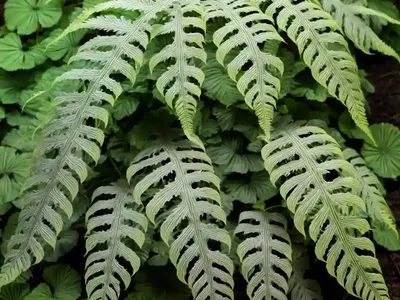
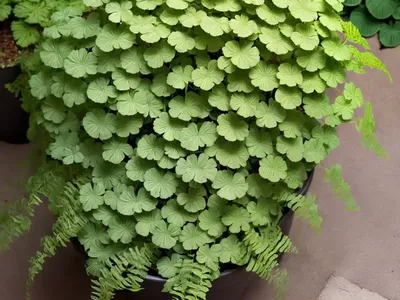
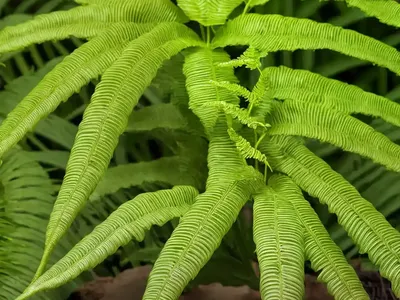
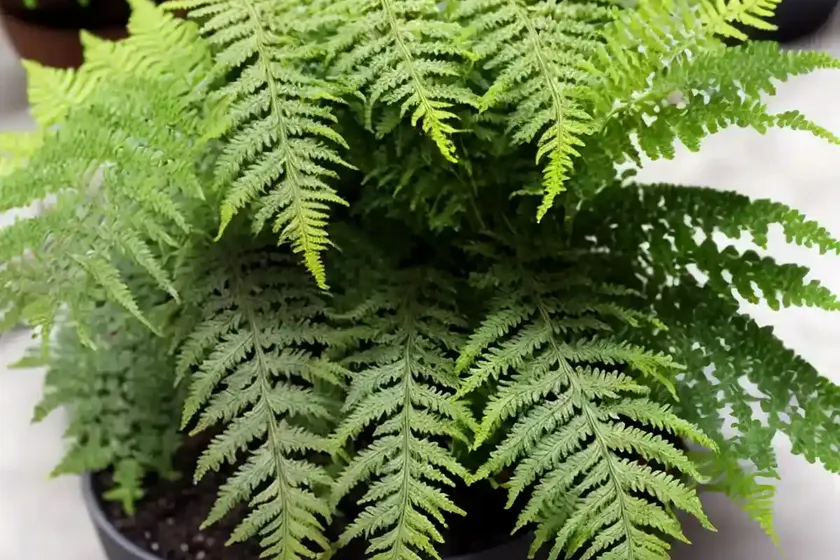
The Leatherleaf Fern, scientifically known as Rumohra adiantiformis, is a species of fern that belongs to the family Dryopteridaceae. It is native to Australia and other regions of Oceania, where it thrives in shaded and moist environments. With its striking foliage comprising of leathery, lance-shaped fronds, the Leatherleaf Fern adds an elegant touch to any setting. It has a trailing habit, making it a popular choice for hanging baskets and vertical gardens.
Leatherleaf Ferns are highly adaptable and can thrive in a wide range of conditions, making them a favorite among gardeners and landscaping enthusiasts. The versatility of this fern extends to its uses in both indoor and outdoor settings, further enhancing its appeal.
Key Takeaways – Leatherleaf Fern (Rumohra adiantiformis)
Let’s now explore the key takeaways associated with the Leatherleaf Fern, encompassing its culture, uses, water, sunlight, fertilizer, soil, pruning, propagation, container gardening, popularity, common diseases, common pests, and some fascinating fun facts. This will provide a comprehensive understanding of the essential aspects of caring for and appreciating the unique qualities of this plant.
Culture
The cultural requirements of Leatherleaf Ferns lay the foundation for their successful growth and development. Understanding their preferences in terms of water, sunlight, soil, and other factors is crucial for creating an optimal environment for these ferns.
- Uses
- Water
- Sunlight
- Fertilizer
- Soil
- Pruning
- Propagation
- Container Gardening
- Popularity
- Common Diseases
- Common Pests
- Botanist’s Tips
- Fun Facts
- Links to External Resources
Uses
The Leatherleaf Fern (Rumohra adiantiformis) finds diverse applications, adding aesthetic value and serving practical purposes in different settings. Understanding its uses will reveal the multiple ways in which this fern can enrich both indoor and outdoor spaces.
Water
Water is an essential component of the care routine for Leatherleaf Ferns. The proper watering regimen is crucial for maintaining the health and vitality of these ferns, ensuring that they receive adequate moisture without being overwatered.
Sunlight
The quality and duration of sunlight exposure significantly influence the growth and appearance of Leatherleaf Ferns. Understanding their light requirements is imperative for creating an environment that promotes robust and lush foliage.
Fertilizer
Fertilization plays a key role in providing Leatherleaf Ferns with essential nutrients for sustained growth and vibrant fronds. Selecting the right fertilizers and adopting appropriate application practices can enhance the overall health of these ferns.
Soil
The choice of soil and its characteristics directly impact the well-being of Leatherleaf Ferns. Creating an optimal soil environment that offers proper drainage and nutrient retention is essential for fostering healthy root development and overall growth.
Pruning
Pruning is an integral aspect of Leatherleaf Fern maintenance, influencing their overall appearance and health. Understanding the best practices for pruning will help in shaping the ferns and promoting new growth effectively.
Propagation
The propagation of Leatherleaf Ferns offers the opportunity to expand your fern collection and share the beauty of these plants with others. Exploring different propagation methods and techniques is essential for successfully multiplying these ferns.
Container Gardening
The adaptability of Leatherleaf Ferns makes them well-suited for container gardening, offering a versatile way to incorporate these plants into various indoor and outdoor settings. Understanding their requirements in container gardens is essential for their successful cultivation in such environments.
Popularity
The popularity of Leatherleaf Ferns is underscored by their widespread appeal and versatile uses. Understanding the factors that contribute to their popularity provides valuable insights into appreciating and showcasing these ferns effectively.
Common Diseases
Like all plants, Leatherleaf Ferns are susceptible to certain diseases that can affect their growth and appearance. Recognizing common diseases and understanding their diagnosis is essential for implementing effective treatment and preventive measures.
Common Pests
Pest infestations can pose a threat to the well-being of Leatherleaf Ferns. Identifying common pests and implementing suitable pest control measures is essential for protecting these ferns from potential damage.
Botanist’s Tips
Insights from botanists and experienced growers provide valuable guidance for caring for and appreciating Leatherleaf Ferns. Incorporating expert tips can further enhance the success and enjoyment of cultivating these ferns.
Fun Facts
Delving into the fascinating aspects and unique characteristics of Leatherleaf Ferns reveals intriguing details that add depth to our understanding and appreciation of these plants.
Links to External Resources
External resources can further enrich your knowledge and understanding of Leatherleaf Ferns. Accessing reputable sources of information and expertise will complement the insights provided in this guide, offering a comprehensive perspective on caring for and enjoying these ferns.
With the key takeaways outlined, we will now delve into each aspect in greater detail, offering comprehensive insights and practical guidance for caring for Leatherleaf Ferns. From understanding their cultural needs to exploring propagation methods and addressing common diseases and pests, this guide aims to equip you with the essential knowledge for cultivating and appreciating these fascinating ferns effectively. Let’s embark on an enriching journey through the world of Leatherleaf Fern (Rumohra adiantiformis) care, maintenance, and cultivation.
Leatherleaf Fern (Rumohra adiantiformis) Care: Cultivating Elegance and Versatility
Caring for Leatherleaf Ferns involves a holistic approach that encompasses their cultural preferences, maintenance practices, and propagation techniques. By understanding the specific requirements of these ferns and adopting appropriate care strategies, you can create an environment in which they thrive and flourish. Whether you intend to incorporate Leatherleaf Ferns into your indoor space, outdoor garden, or container displays, the following insights will guide you in providing the best possible care for these elegant plants.
Leatherleaf Fern (Rumohra adiantiformis) Care Essentials
The following subsections provide comprehensive guidance on caring for Leatherleaf Ferns, covering their essential needs and maintenance practices to ensure their optimal growth and well-being.
Leatherleaf Fern Watering
Watering is vital for the health and vitality of Leatherleaf Ferns, as it directly impacts their ability to maintain turgidity and support essential physiological processes. Understanding the appropriate watering practices is crucial for preventing issues such as dehydration or waterlogged roots.
Leatherleaf Fern Watering Guidelines
- Regular Moisture: Leatherleaf Ferns thrive in consistently moist soil. It is important to ensure that the soil remains evenly moist without becoming waterlogged.
- Adjusting Frequency: During periods of active growth, typically in the spring and summer, it may be necessary to increase the frequency of watering.
- Monitoring Soil Moisture: Regularly check the moisture levels of the soil to gauge when watering is required. Inserting a finger into the soil or using a moisture meter can help in determining the need for watering.
Mistakes to Avoid
- Overwatering: Excessive watering can lead to root rot and other issues. It is essential to strike a balance and avoid waterlogging the soil.
- Underwatering: Inadequate moisture can result in wilting and stunted growth. Consistently monitor the soil moisture to prevent dehydration.
Leatherleaf Fern Light Requirements
Understanding the light preferences of Leatherleaf Ferns is essential for creating an environment that supports their growth and vitality. While these ferns thrive in shaded conditions, providing adequate light is crucial for their overall well-being.
Leatherleaf Fern Light Preferences
- Indirect Light: Leatherleaf Ferns prefer bright, indirect light. Excessive direct sunlight can lead to leaf scorching, while too little light can result in leggy growth.
- Shade Tolerance: These ferns exhibit excellent tolerance to low-light conditions, making them suitable for areas with limited natural light.
- Monitoring Light Levels: Regularly assess the light levels in the environment to ensure that the ferns are receiving optimal illumination for healthy growth.
Managing Light Exposure
- Filtered Sunlight: Position the ferns in areas where they receive filtered sunlight or dappled shade. This can be achieved by placing them near windows with sheer curtains or in spaces with gentle, indirect light.
- Adjusting Placement: Depending on the specific lighting conditions in your space, consider adjusting the placement of the ferns to ensure they receive the ideal amount of light without being exposed to harsh, direct sunlight.
Leatherleaf Fern Soil Requirements
The choice of soil plays a pivotal role in providing Leatherleaf Ferns with a conducive environment for root development and nutrient uptake. Tailoring the soil composition to meet the specific requirements of these ferns is essential for ensuring their well-being.
Suitable Soil Characteristics
- Moisture Retention: The ideal soil for Leatherleaf Ferns retains moisture without becoming waterlogged. It should offer good drainage while sustaining consistent moisture levels.
- Organic Matter: Incorporating organic matter such as peat moss or compost enhances the soil’s structure and nutrient content, supporting the growth of healthy ferns.
- Acidic pH: Leatherleaf Ferns thrive in slightly acidic soil with a pH range of 5.5 to 6.5. Testing the soil pH and making adjustments as needed promotes an optimal growing environment for the ferns.
Creating an Ideal Soil Mix
- Components: Prepare a soil mix consisting of peat-based potting soil, perlite or sand for improved drainage, and a small proportion of compost or well-rotted organic matter.
- Amending Soil: For outdoor plantings, consider amending the native soil with organic matter and sand to improve its texture and moisture retention capability.
Leatherleaf Fern Fertilization
Providing Leatherleaf Ferns with appropriate fertilization supports their nutritional needs, contributing to robust foliage and sustained growth. Understanding the timing and methods of fertilization is essential for optimizing the health and appearance of these ferns.
Fertilization Best Practices
- Balanced Fertilizer: Use a balanced, water-soluble fertilizer with an NPK ratio of 20-20-20 or similar. This provides essential macronutrients for the ferns’ growth.
- Frequency: Apply fertilizer every 4-6 weeks during the growing season, typically from spring to early fall, to support vigorous growth and frond development.
- Dilution and Application: Dilute the fertilizer according to the manufacturer’s instructions and apply it to moist soil to prevent potential root burn.
Avoiding Overfertilization
- Moderate Application: Avoid overfertilizing Leatherleaf Ferns, as excessive nutrients can lead to salt buildup in the soil and cause root damage. Adhere to the recommended frequency and dosage for best results.
Leatherleaf Fern Pruning
Pruning is a valuable maintenance practice that contributes to the aesthetic appeal and health of Leatherleaf Ferns. Targeted pruning helps in managing the fern’s growth and promoting a tidy appearance.
Pruning Guidelines
- Removing Old Fronds: Regularly prune and remove old, yellowing fronds to maintain a neat and vibrant foliage display.
- Stem Trimming: Trim back overly long or unruly fronds to shape the fern and encourage new growth from the base.
- Sanitization: Use clean, sharp pruning tools to minimize damage and prevent the spread of diseases during the pruning process.
Promoting New Growth
- Strategic Trimming: Prune selectively to encourage the emergence of new fronds and maintain an appealing growth habit.
- Deadheading Spent Fronds: Removing spent fronds promotes the allocation of resources to the development of new growth, contributing to a lush and healthy appearance.
Leatherleaf Fern Propagation
Propagation offers the opportunity to multiply Leatherleaf Ferns and expand your collection. By exploring the methods of propagating these ferns, you can nurture new plants and share the beauty of Leatherleaf Ferns with others.
Propagation Techniques
- Division: Divide established clumps of Leatherleaf Ferns during the growing season. Carefully separate the rhizomes and transplant the divisions into suitable growing containers or garden locations.
- Spore Propagation: Collect and propagate spores to grow new ferns. This method requires patience and attention to detail but can yield rewarding results.
- Propagation from Rhizomes: Harvest healthy rhizomes from the parent plant and plant them in a well-prepared growing medium to initiate new plant growth.
Nurturing New Plants
- Optimal Growing Conditions: Provide the propagated ferns with consistent moisture, suitable light levels, and a well-draining growing medium to facilitate successful establishment.
- Patience and Care: Propagation requires attentive care and monitoring to ensure the new plants develop strong root systems and healthy fronds.
Leatherleaf Fern Container Gardening
The adaptability of Leatherleaf Ferns makes them well-suited for container gardening, offering a versatile way to incorporate these plants into various indoor and outdoor settings.
Container Selection and Care
- Porous Containers: Choose containers with drainage holes to prevent waterlogging and facilitate proper aeration of the soil.
- Appropriate Size: Select a container that accommodates the size of the plant and allows for adequate root development.
- Moisture Monitoring: Regularly check the soil moisture in the container and adjust the watering frequency based on the specific needs of the fern.
Display and Placement
- Interior Spaces: Use Leatherleaf Ferns to add a touch of greenery to interior spaces such as living rooms, offices, and lobbies, where their trailing habit and elegant fronds can create a visually appealing display.
- Outdoor Settings: Incorporate Leatherleaf Ferns into patio arrangements, shaded garden nooks, or outdoor seating areas to introduce natural beauty and texture to the surroundings.
Common Diseases and Pests: Protecting Leatherleaf Ferns from Health Threats
Leatherleaf Ferns, like all plants, are susceptible to certain diseases and pest infestations that can compromise their vitality and visual appeal. Recognizing common diseases, diagnosing symptoms accurately, and implementing suitable prevention and treatment measures is essential for safeguarding the health of these ferns. Similarly, identifying and addressing potential pest threats is crucial for maintaining thriving and robust Leatherleaf Ferns. Let’s explore the common diseases and pests that can affect these ferns and delve into effective management strategies to mitigate their impact.
Common Diseases Affecting Leatherleaf Ferns
Leaf Spot Diseases
- Causal Agents: Various fungal pathogens such as Cercospora and Phyllosticta species can cause leaf spot diseases in Leatherleaf Ferns.
- Symptoms: Circular or irregularly shaped spots on the fronds, often with darkened or necrotic centers, are indicative of leaf spot infections.
- Management: Implement effective cultural practices, including promoting good air circulation and avoiding overhead irrigation, to minimize the risk of leaf spot diseases. Fungicidal treatments may be necessary in severe cases.
Rhizome Rot
- Causal Agents: Soil-borne pathogens such as Phytophthora species can cause rhizome rot in Leatherleaf Ferns, leading to decay and decline of the rhizomatous structures.
- Symptoms: Softening and discoloration of rhizomes, accompanied by a foul odor, are indicative of rhizome rot.
- Management: Ensure well-draining soil, avoid overwatering, and maintain proper sanitation to prevent the spread of rhizome rot. Fungicidal treatments and removal of affected plant parts may be necessary.
Scale and Mealybug Infestations
- Causal Agents: Scale insects and mealybugs are common pests that can infest Leatherleaf Ferns, feeding on plant juices and weakening the foliage.
- Symptoms: Presence of small, waxy or cottony masses on the fronds, accompanied by yellowing and wilting, are indicative of scale or mealybug infestations.
- Management: Use horticultural oils or insecticidal soaps to control the population of scales and mealybugs. Regular monitoring and early intervention are crucial for managing these pests effectively.
Diagnostic and Management Tips
- Early Detection: Regularly inspect the fronds, rhizomes, and overall health of Leatherleaf Ferns to detect any signs of diseases or pest infestations at an early stage.
- Cultural Practices: Emphasize good cultural practices such as appropriate watering, proper sanitation, and optimizing growing conditions to reduce the susceptibility of these ferns to diseases and pests.
- Integrated Pest and Disease Management: Implement an integrated approach that combines preventive measures, cultural practices, and targeted interventions to effectively manage diseases and pests while minimizing the impact on the environment.
Botanist’s Insights: Expert Tips and Recommendations for Leatherleaf Fern Care
Receiving insights and recommendations from experienced botanists and horticulturists provides valuable guidance for effectively caring for Leatherleaf Ferns. These experts offer nuanced perspectives and practical tips based on their wealth of experience and knowledge, enriching our understanding and approach to cultivating these elegant ferns. Let’s explore some insightful recommendations and expert tips for Leatherleaf Fern care, maintenance, and propagation.
Expert Recommendations for Leatherleaf Fern Care
Susan Davies, Botanist and Fern Specialist
“Leatherleaf Ferns, with their graceful fronds and adaptable nature, are truly captivating plants. To ensure the best care for these ferns, prioritize consistent moisture without overwatering, provide bright, indirect light, and avoid exposing them to harsh, direct sunlight. When it comes to maintenance, regular pruning to remove old fronds and promote new growth is key. For propagation, division during the growing season or spore propagation in a controlled environment can yield successful results. As with all ferns, attention to their specific cultural preferences is vital for their sustained health and vibrancy.”
Adam Green, Horticulturist and Landscape Designer
“Incorporating Leatherleaf Ferns into landscaping projects offers a wonderful opportunity to introduce lush greenery and textural interest. When displaying these ferns in outdoor settings, consider their shade tolerance and ability to thrive in high-humidity environments. By utilizing them in shaded garden beds, as underplantings, or in vertical garden installations, you can enhance the visual appeal and ecological balance of the landscape. Their trailing habit also makes them ideal for hanging baskets and container displays, adding charm and elegance to outdoor spaces.”
Botanist’s Insights for Propagation and Maintenance
- Division Techniques: When dividing Leatherleaf Ferns