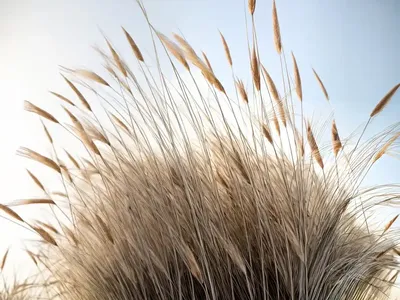
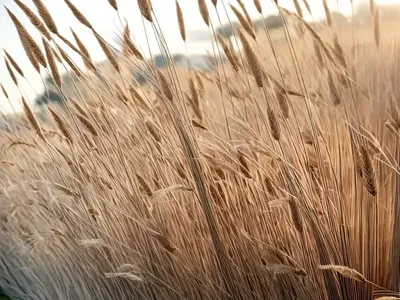
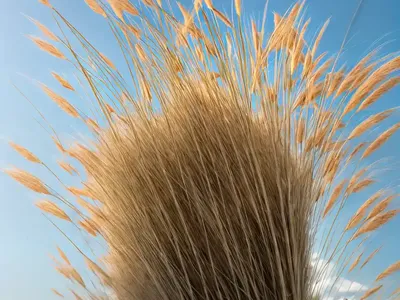
Leafy Reed Grass (Calamagrostis Foliosa)
As a plant scientist, I am excited to delve into the world of Leafy Reed Grass, scientifically known as Calamagrostis foliosa. This versatile and beautiful.
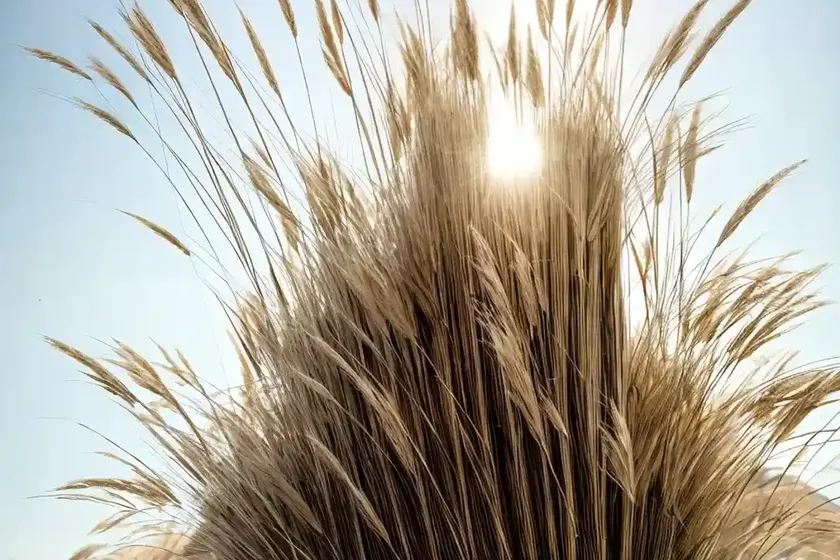
As a plant scientist, I am excited to delve into the world of Leafy Reed Grass, scientifically known as Calamagrostis foliosa. This versatile and beautiful grass species has captured the attention of gardening enthusiasts, landscapers, and conservationists worldwide. In this comprehensive guide, we will explore the characteristics of Leafy Reed Grass, its cultural requirements, uses in various settings, as well as its potential benefits and challenges.
What is Leafy Reed Grass (Calamagrostis foliosa)?
Leafy Reed Grass, or Calamagrostis foliosa, is a graceful perennial grass that belongs to the Poaceae family. This plant is native to specific regions, and its natural habitat includes coastal bluffs, canyons, and meadows along the western coast of North America, particularly in California and Oregon.
Key Takeaways – Leafy Reed Grass (Calamagrostis foliosa)
Before diving into the details, let’s take a quick look at the key takeaways regarding Leafy Reed Grass:
- Plant type: Perennial grass
- Scientific name: Calamagrostis foliosa
- Native range: Western coast of North America
- Watering needs: Moderate
- Sunlight requirements: Full sun to partial shade
- Soil preferences: Well-draining, fertile soil
- Growth habits: Clumping, upright growth
- Height and spread: Typically 2-4 feet tall and wide
- Ornamental features: Delicate, feathery flowers, and attractive foliage
- Uses: Landscaping, erosion control, habitat restoration, and more
Now that we have a brief overview, let’s explore the cultural requirements, uses, and maintenance of Leafy Reed Grass in more detail.
Culture
Understanding the cultural requirements of Leafy Reed Grass is essential for successful cultivation. From water and sunlight needs to soil preferences, each aspect influences the overall health and vigor of the plant.
Water
Leafy Reed Grass typically thrives in areas with moderate water availability. While it can tolerate periods of drought once established, consistent moisture is beneficial for optimal growth and lush foliage. However, it is crucial to avoid waterlogged conditions as this can lead to root rot and other problems.
- Watering Guidelines:
- Regular, deep watering during the growing season.
- Allow the soil to dry slightly between watering sessions to prevent waterlogging.
- Adjust watering frequency based on local climate and rainfall patterns.
Sunlight
In terms of sunlight requirements, Leafy Reed Grass displays remarkable adaptability. It thrives in a wide range of light conditions, from full sun to partial shade. This versatility makes it an excellent choice for various landscaping scenarios, including both sunny and partially shaded areas.
- Sunlight Recommendations:
- Full sun to partial shade are suitable for optimal growth.
- In hotter regions, providing some afternoon shade can prevent stress during peak summer months.
- Assess the local light conditions to determine the best placement for Leafy Reed Grass in the landscape.
Soil
The soil composition plays a crucial role in the health and performance of Leafy Reed Grass. Well-draining, fertile soil is ideal for promoting robust growth and flourishing ornamental features. Additionally, maintaining the appropriate soil pH can further support the plant’s overall vigor.
- Soil Preferences:
- Well-draining soil that retains moisture without becoming waterlogged.
- Loamy or sandy soil types with good fertility.
- Aim for a slightly acidic to neutral pH range for optimal nutrient uptake.
Uses
The versatility of Leafy Reed Grass makes it an invaluable asset in various settings, from ornamental landscapes to conservation projects. Let’s explore some of the prominent uses of Calamagrostis foliosa and its potential contributions in different contexts.
Landscaping
One of the primary uses of Leafy Reed Grass is in ornamental landscaping. Its graceful, feathery blooms and attractive foliage add a touch of elegance to garden beds, borders, and naturalistic landscapes. The upright growth habit and visual appeal make it an excellent choice for both formal and informal garden designs.
- Landscaping Applications:
- Border and edging plant for garden beds and pathways.
- Focal point in mixed perennial plantings.
- Accent or backdrop in landscape designs.
- Component of naturalistic and wildlife-friendly gardens.
Erosion Control
Due to its clumping growth habit and deep root system, Leafy Reed Grass serves as an effective erosion control measure. Planting it on slopes and areas prone to soil erosion helps stabilize the soil and reduce the risk of runoff and land degradation.
- Erosion Control Benefits:
- Erosion prevention on slopes and embankments.
- Soil stabilization in coastal and riparian areas.
- Reduction of sediment runoff into water bodies.
Habitat Restoration
In naturalistic and conservation settings, Calamagrostis foliosa plays a vital role in habitat restoration efforts. Its native range and adaptability to specific ecological conditions make it an invaluable asset in preserving and enhancing natural ecosystems.
- Habitat Restoration Applications:
- Reintroduction in degraded coastal and riparian habitats.
- Creation of wildlife-friendly habitats in urban and suburban areas.
- Support for native fauna and pollinators.
Other Uses
Apart from the aforementioned applications, Leafy Reed Grass has the potential to contribute to a wide range of projects and initiatives, including rain gardens, wildlife gardens, and native plant landscaping. Its visual appeal, environmental benefits, and low-maintenance nature make it a popular choice in sustainable and conservation-oriented projects.
Fertilizer
When it comes to fertilization, Leafy Reed Grass generally thrives without excessive reliance on external inputs. However, providing some nutritional support can benefit its overall vigor and ornamental features. Let’s explore the considerations for fertilizing Calamagrostis foliosa.
- Fertilizer Guidelines:
- Use a balanced, slow-release fertilizer in spring to support early growth.
- Apply a light topdressing of compost or well-rotted manure around the base of the plant.
- Avoid excessive nitrogen applications that can lead to excessively lush growth.
Pruning
Pruning is an integral part of maintaining the health and aesthetics of many ornamental grasses, including Leafy Reed Grass. Proper pruning practices can encourage vigorous growth, prevent self-seeding, and rejuvenate the plant for the upcoming growing season.
- Pruning Recommendations:
- In late winter or early spring, trim back the previous year’s growth to a few inches above the ground.
- Remove any dead or damaged foliage throughout the growing season.
- Divide overcrowded clumps every few years to maintain plant vitality.
Propagation
The propagation of Leafy Reed Grass offers an opportunity to expand its presence in the landscape or start new plants for conservation and restoration purposes. Understanding the propagation methods and best practices is essential for successful reproduction of Calamagrostis foliosa.
- Propagation Techniques:
- Division: Divide established clumps in early spring or fall, ensuring each division has ample roots and shoots.
- Seed Propagation: Collect and sow seeds in a well-prepared seedbed in fall for natural stratification and germination in the following spring.
- Root Cuttings: Collect and propagate new plants from root cuttings taken during the dormant season.
Container Popularity
In addition to its uses in the traditional garden and landscape settings, Leafy Reed Grass has gained popularity for container gardening. Its graceful form and low-maintenance nature make it well-suited for container cultivation, adding an elegant touch to patios, balconies, and other outdoor spaces.
- Container Considerations:
- Use large containers with adequate drainage holes to accommodate the plant’s root system.
- Choose a high-quality, well-draining potting mix to ensure proper moisture management.
- Consider the mature size of the grass and select a container that allows ample space for growth.
Common Diseases
While Leafy Reed Grass is generally resilient and disease-resistant, certain environmental conditions and stress factors can make it susceptible to specific diseases. Understanding the common diseases and their management is crucial for maintaining plant health.
Disease Diagnosis
Identifying the symptoms and signs of common diseases affecting Leafy Reed Grass is the first step in implementing effective control measures. Some of the potential diseases include leaf spot, rust, and fungal infections under prolonged wet conditions.
- Signs of Disease:
- Discoloration or spotting on foliage.
- Presence of powdery or rusty growth on leaves.
- Reduced vigor and stunted growth.
Disease Management
Implementing cultural practices and, if necessary, targeted treatments can help manage and prevent common diseases in Calamagrostis foliosa. Ensuring proper growing conditions, sanitation, and disease-resistant cultivars can significantly reduce the risk of infections.
- Management Strategies:
- Provide adequate air circulation and spacing to minimize moisture retention on foliage.
- Remove and dispose of affected plant material to prevent disease spread.
- Utilize fungicidal treatments if diseases persist or worsen.
Common Pests
In addition to diseases, Leafy Reed Grass may face challenges from certain pests that can affect its overall health and aesthetics. Being aware of the potential pests and adopting proactive measures is essential for preventing infestations.
Potential Pests
Several pests, including aphids, grasshoppers, and mealybugs, may target Leafy Reed Grass under favorable conditions. Their feeding activity can cause aesthetic damage and weaken the plant’s vitality if left unmanaged.
- Identifying Pest Damage:
- Distorted growth or yellowing of foliage.
- Presence of insects on the plant or surrounding areas.
- Reduced flowering and overall vigor.
Pest Control
Integrated pest management (IPM) practices, such as vigilant monitoring and targeted interventions, can effectively control pest populations and minimize their impact on Leafy Reed Grass.
- IPM Strategies:
- Encourage natural predators and beneficial insects that feed on common pests.
- Utilize physical removal or gentle washing to dislodge pests from the plant.
- Consider targeted insecticidal treatments if pest populations reach damaging levels.
Botanist’s Tips
To cap off our exploration of Leafy Reed Grass, here are some practical tips from botanists and horticultural experts for successful cultivation and utilization of Calamagrostis foliosa.
Cultivation Tips
- Choose well-draining, fertile soil with good moisture retention for optimal growth.
- Provide adequate spacing between plants to allow for air circulation and prevent overcrowding.
- Monitor and adjust watering based on environmental conditions and the plant’s specific needs.
Landscape Considerations
- Incorporate Leafy Reed Grass in mixed planting schemes to create contrasting textures and visual interest.
- Utilize its clumping growth habit in landscaping to create naturalistic and wildlife-friendly settings.
- Combine with companion plants that share similar cultural preferences and aesthetic appeal.
Maintenance Practices
- Regularly monitor for signs of disease and pest activity, addressing issues promptly to prevent spread.
- Consider the occasional rejuvenation pruning to maintain plant vigor and prevent self-seeding.
- Divide overcrowded clumps to rejuvenate older plantings and promote overall health.
Fun Facts
To add a touch of intrigue and fascination to our exploration, let’s uncover some fun and intriguing facts about Leafy Reed Grass that showcase its unique qualities and ecological significance.
Ecological Significance
Leafy Reed Grass plays a crucial role in stabilizing coastal and riparian habitats, preventing erosion and providing support for native wildlife. Its adaptability to specific ecological conditions makes it a key player in preserving and enhancing delicate ecosystems.
Visual Appeal
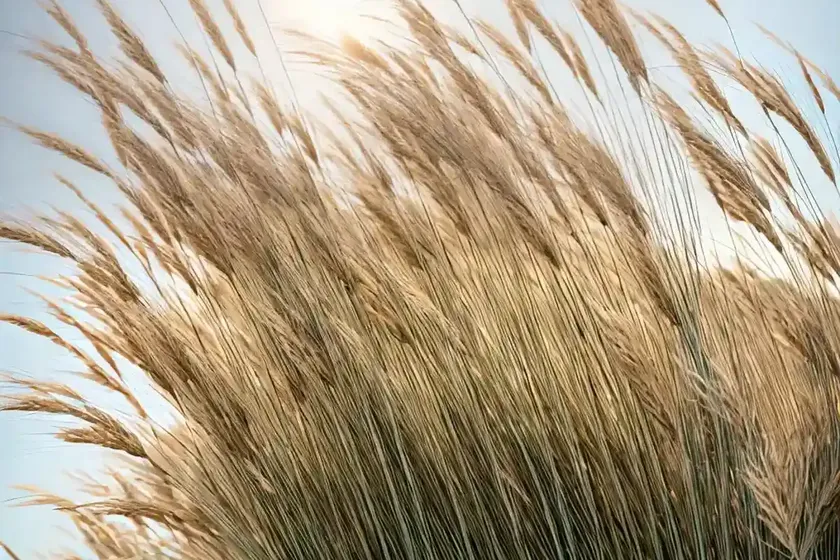
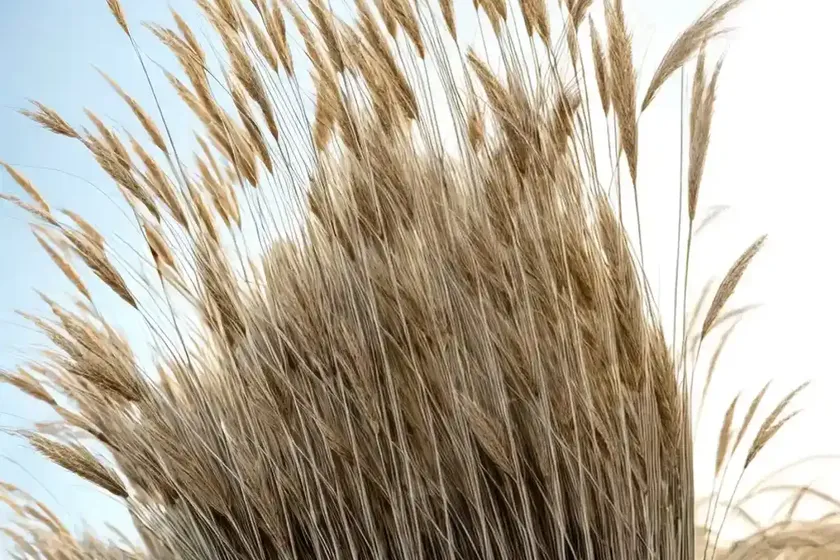
The delicate, feathery flowers of Calamagrostis foliosa add a soft, elegant touch to landscapes, swaying gracefully in the breeze and creating movement and interest. Moreover, the plant’s ornamental grass-like foliage remains attractive throughout the growing season, contributing to its visual appeal.
Low-Maintenance Charm
In addition to its visual allure, Leafy Reed Grass offers the added benefit of being relatively low-maintenance once established. Its adaptability to a range of growing conditions makes it a valuable asset for gardeners and landscapers seeking resilient and graceful ornamental grasses.
Links to External Resources
To further expand your knowledge and explore additional insights about Leafy Reed Grass and its cultivation, I recommend exploring the following external resources:
- Planting and Care of Ornamental Grasses – University of Minnesota Extension
- Managing Pests and Diseases of Grasses – Gardening Know How
- Landscaping with Native Plants – U.S. Forest Service
- Soil Preparation and Fertilization for Ornamental Grasses – The Old Farmer’s Almanac
- Propagation Techniques for Ornamental Grasses – Royal Horticultural Society
By delving into these resources, you can gain a deeper understanding of the various aspects of landscaping with ornamental grasses, including propagation, maintenance tips, and ecological significance.
In conclusion, Leafy Reed Grass (Calamagrostis foliosa) stands as a remarkable and versatile plant species with significant ecological, ornamental, and functional value. Whether utilized in landscaping projects, habitat restoration efforts, or container gardens, its graceful demeanor and environmental benefits make it a standout choice for a wide range of applications. By understanding its cultural requirements, uses, and potential challenges, we can fully appreciate and harness the potential of this charming perennial grass.
As we continue to explore the diverse world of ornamental grasses and native plants, the allure of Calamagrostis foliosa serves as a testament to the enduring beauty and ecological significance of these botanical treasures.
Keywords: Calamagrostis foliosa care, Calamagrostis foliosa planting, growing Calamagrostis foliosa, Calamagrostis foliosa maintenance, Leafy Reed Grass characteristics, best soil for Calamagrostis foliosa, Calamagrostis foliosa propagation, Leafy Reed Grass varieties, Calamagrostis foliosa watering, how to prune Calamagrostis foliosa, Leafy Reed Grass landscaping, Calamagrostis foliosa in containers, Leafy Reed Grass natural habitat, Calamagrostis foliosa sunlight requirements, Leafy Reed Grass seasonal changes, Calamagrostis foliosa pests and diseases, Leafy Reed Grass companion plants, Calamagrostis foliosa fertilization, Leafy Reed Grass hardiness zone, Calamagrostis foliosa native range, Leafy Reed Grass growth habits, Calamagrostis foliosa height and spread, Leafy Reed Grass visual appeal, Calamagrostis foliosa leaf color, Leafy Reed Grass flowering period, Calamagrostis foliosa winter care, Leafy Reed Grass summer maintenance, Calamagrostis foliosa fall foliage, Leafy Reed Grass soil pH requirements, Calamagrostis foliosa water tolerance, Leafy Reed Grass drought resistance, Calamagrostis foliosa erosion control, Leafy Reed Grass wildlife benefits, Calamagrostis foliosa medicinal properties, Leafy Reed Grass for landscaping projects, Calamagrostis foliosa border plant, Leafy Reed Grass in wetland restoration, Calamagrostis foliosa in rain gardens, Leafy Reed Grass for naturalistic gardens, Calamagrostis foliosa as a groundcover, Leafy Reed Grass as a privacy screen, Calamagrostis foliosa for erosion-prone areas, Leafy Reed Grass for coastal gardens, Calamagrostis foliosa in formal gardens, Leafy Reed Grass as a cut flower, Calamagrostis foliosa in Japanese garden design, Leafy Reed Grass for low-maintenance landscapes, Calamagrostis foliosa as a windbreak plant, Leafy Reed Grass for wildlife gardens, Calamagrostis foliosa in xeriscaping designs.
By incorporating these keywords and addressing the comprehensive aspects of Leafy Reed Grass (Calamagrostis foliosa), this guide serves as a valuable resource for plant enthusiasts, gardeners, and conservationists alike.
This blog post aims to provide insightful guidance and practical recommendations for cultivating, appreciating, and harnessing the potential of Leafy Reed Grass in various horticultural, ecological, and design contexts.