Lawson’s Cypress (Chamaecyparis Lawsoniana)
Welcome to a comprehensive guide to Lawson’s Cypress, scientifically known as Chamaecyparis lawsoniana. In this guide, we will delve into every aspect of.

Introduction
Welcome to a comprehensive guide to Lawson’s Cypress, scientifically known as Chamaecyparis lawsoniana. In this guide, we will delve into every aspect of this magnificent evergreen tree, from its characteristics, growing conditions, and uses, to its role in landscaping, potential diseases and pests, and much more. Whether you’re a beginner or an experienced gardener, this guide will provide you with valuable insights and practical tips for cultivating and caring for Lawson’s Cypress.
What is Lawson’s Cypress?
Lawson’s Cypress, or Chamaecyparis lawsoniana, is a species of evergreen conifer that belongs to the family Cupressaceae. This tree is native to Oregon and northern California and is known for its impressive size, dense foliage, and elegant pyramidal shape. It is widely valued for its ornamental value and is a popular choice for landscaping, especially in regions with temperate climates.
Key Takeaways – Lawson’s Cypress (Chamaecyparis lawsoniana)
- Scientific Name: Chamaecyparis lawsoniana
- Family: Cupressaceae
- Common Names: Lawson’s Cypress, Port Orford Cedar
- Native Habitat: Oregon and northern California
- Growth Habit: Evergreen conifer with a pyramidal shape
- Uses: Ornamental tree, landscaping, timber production
Lawson’s Cypress Characteristics
Lawson’s Cypress is characterized by several key features that make it a sought-after tree for both ornamental and practical purposes. Understanding these characteristics will help you appreciate the beauty and value of this remarkable species.
Chamaecyparis lawsoniana Facts
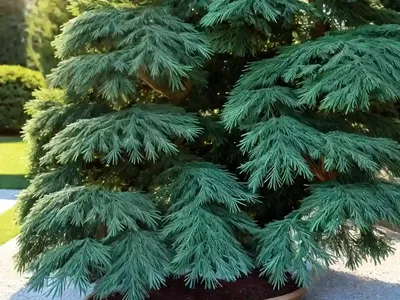
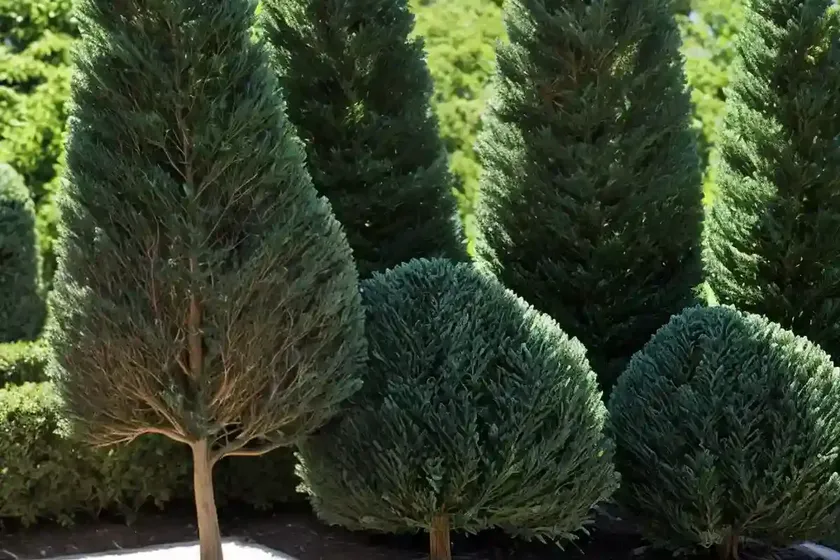
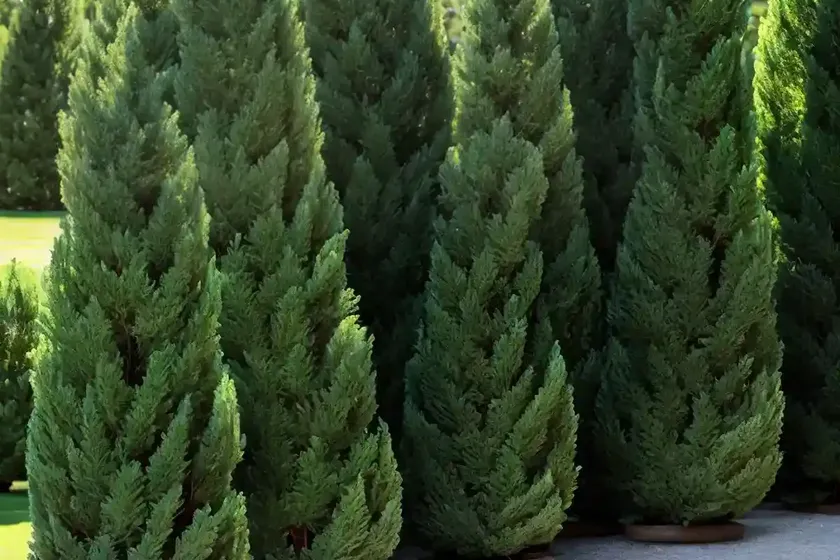
- Pyramidal Shape: Lawson’s Cypress typically grows in a pyramidal shape, with a straight trunk and gracefully drooping branches that create a distinctive silhouette.
- Foliage: The foliage of Lawson’s Cypress consists of scale-like leaves that are arranged in flattened sprays. The foliage color ranges from vibrant green to bluish-green, adding to the tree’s aesthetic appeal.
- Size: Mature trees can reach considerable heights, often exceeding 100 feet, making them a dominant presence in the landscape.
- Cones: Female cones of Lawson’s Cypress are small, round, and woody, often appearing in clusters. They add visual interest to the tree and are an essential part of its reproductive cycle.
Growing Lawson’s Cypress
Cultivating Lawson’s Cypress in your garden or landscape can be a rewarding experience, provided you understand and provide for its specific growth requirements. Let’s explore the key factors to consider when growing Chamaecyparis lawsoniana.
Best Conditions for Lawson’s Cypress
- Climate: Lawson’s Cypress thrives in temperate climates with mild, moist winters and cool summers. It is not well-suited to extreme heat or arid conditions.
- Soil: Well-drained, acidic soils are ideal for Lawson’s Cypress. The tree does not tolerate waterlogged or alkaline soils and benefits from organic matter in the soil.
- Sunlight: While Lawson’s Cypress can tolerate partial shade, it grows best in full sun, which helps maintain its compact and vigorous growth.
- Water: Adequate and consistent moisture is essential, especially during the tree’s establishment phase. However, the soil should not be waterlogged, as this can lead to root rot.
Watering Needs of Chamaecyparis lawsoniana
- Established Trees: Once established, Lawson’s Cypress generally has moderate water needs. Deep, infrequent watering is preferable to frequent shallow watering.
- Drought Tolerance: While the tree prefers moist soil, it does exhibit some tolerance to brief periods of drought. However, extended drought can stress the tree and affect its overall health.
Soil Requirements for Lawson’s Cypress
- Acidic Soil: Lawson’s Cypress prefers acidic soils with a pH range of 5.0 to 6.5. If your soil is not naturally acidic, you can amend it with organic matter or specific soil acidifiers.
- Drainage: Excellent drainage is crucial for preventing waterlogged conditions, as standing water can lead to root rot and other issues. Raised beds or mounds can be beneficial in poorly drained soil.
Sunlight Preferences of Lawson’s Cypress
- Full Sun: Optimal growth and foliage density are achieved in full sun, where the tree receives at least 6 to 8 hours of direct sunlight each day. Shaded conditions may result in reduced growth and sparse foliage.
Drought Tolerance of Chamaecyparis lawsoniana
- Moderate Drought Tolerance: While Lawson’s Cypress prefers moist conditions, it can withstand moderate periods of drought once established. However, prolonged drought can affect its overall health and vitality.
Tips for Cultivating Chamaecyparis lawsoniana
Successfully cultivating Lawson’s Cypress requires attention to detail and adherence to best practices for its care. Here are some essential tips to consider when growing and maintaining this remarkable tree.
Lawson’s Cypress Care Guide
- Pruning: Regular pruning is essential to maintain the tree’s shape and remove any dead or damaged branches. Pruning should be done in late winter or early spring before new growth appears.
- Fertilization: While Lawson’s Cypress does not have exceptionally high fertilizer needs, an annual application of a balanced, slow-release fertilizer can promote healthy growth. Avoid excessive nitrogen, as it can lead to rapid, weak growth.
- Mulching: Applying a layer of organic mulch around the base of the tree helps conserve soil moisture, regulate soil temperature, and suppress weed growth.
- Winter Care: In regions with harsh winters, protecting young or vulnerable trees from cold winds and heavy snow can prevent damage to the foliage and branches.
Growing Tips for Lawson’s Cypress Beginners
- Establishment Period: Newly planted Lawson’s Cypress trees require careful attention to watering and protection from extreme conditions during their initial establishment phase, typically the first two to three years after planting.
- Soil Preparation: Prior to planting, ensure that the soil is well-drained and amended with organic matter to create a favorable growing environment for the tree.
Pruning Tips for Lawson’s Cypress
- Timing: Pruning is best done in late winter or early spring before the tree enters its active growth phase. Avoid pruning during hot, dry periods, as this can stress the tree.
- Techniques: Use sharp, sterile pruning tools to make clean cuts and remove dead, diseased, or crossing branches. Maintaining the tree’s natural shape while enhancing its structure is the primary goal of pruning.
Winter Care for Lawson’s Cypress
- Mulching: Applying a layer of mulch around the base of the tree in late fall helps insulate the roots and protects them from temperature fluctuations.
- Wind Protection: Young or newly planted trees may benefit from windbreaks or temporary barriers to shield them from cold, drying winds.
Common Uses of Chamaecyparis lawsoniana
Beyond its role as an ornamental tree, Lawson’s Cypress has a range of practical uses that make it a valuable addition to landscapes and commercial settings. Understanding these uses provides insight into the versatility and appeal of this species.
Common Uses of Chamaecyparis lawsoniana
- Timber Production: The wood of Lawson’s Cypress is highly valued for its durability, resistance to decay, and attractive grain. It is used in the construction of outdoor structures, furniture, and decorative woodwork.
- Landscaping: The elegant form and vibrant foliage of Lawson’s Cypress make it a popular choice for ornamental plantings, privacy screens, and windbreaks in residential and commercial landscapes.
- Wildlife Habitat: The dense foliage of Lawson’s Cypress provides important shelter and nesting sites for birds and small mammals, contributing to biodiversity and ecological balance.
Chamaecyparis lawsoniana in Landscaping
Lawson’s Cypress is an iconic feature in many landscapes, lending its beauty and functionality to various design elements. Whether used as a focal point, a screening plant, or a windbreak, this versatile tree complements a wide range of landscaping themes and styles.
Chamaecyparis lawsoniana for Privacy Screens
- Planting Density: When used as a privacy screen, planting Lawson’s Cypress trees in a dense, staggered manner provides effective visual and acoustic privacy, especially in urban or suburban settings.
- Maintenance: Regular pruning and shaping help maintain the density and uniformity of the privacy screen, ensuring that the trees fulfill their screening function effectively.
Landscaping Ideas with Lawson’s Cypress
- Formal Gardens: The symmetrical shape and neat appearance of Lawson’s Cypress make it a popular choice for formal garden designs, where it can be used as a focal point, a backdrop for flower beds, or a boundary marker.
- Naturalistic Landscapes: In more naturalistic or woodland-inspired landscapes, Lawson’s Cypress can be integrated into mixed plantings, providing vertical structure and year-round greenery.
Potential Diseases and Pests
Like all plants, Lawson’s Cypress is susceptible to certain diseases and pests that can impact its health and vitality. Recognizing the signs of these issues and implementing appropriate control measures is essential for maintaining the tree’s vigor.
Common Diseases of Lawson’s Cypress
- Canker Diseases: Various fungal pathogens can cause cankers on the branches or trunk of Lawson’s Cypress, leading to dieback and decline. Cankers are often characterized by sunken, discolored areas on the bark.
- Root Rot: Prolonged periods of waterlogging or poorly drained soils can lead to root rot, which manifests as yellowing, wilting foliage and a general decline in the tree’s overall condition.
- Needle Blight: Several fungal species can cause needle blight in Lawson’s Cypress, resulting in the browning and premature shedding of foliage. This can lead to defoliation and reduced tree vigor.
Disease Diagnosis
- Professional Assessment: If you suspect that your Lawson’s Cypress is affected by a disease, seek the expertise of a certified arborist or plant pathologist who can accurately diagnose the issue and recommend appropriate treatment measures.
- Cultural Practices: Maintaining optimal growing conditions, including good soil drainage, adequate air circulation, and proper spacing, can help prevent many common diseases from occurring.
Common Pests Affecting Lawson’s Cypress
- Aphids: These small, sap-sucking insects can infest the foliage of Lawson’s Cypress, causing distortion and discoloration of the leaves. Severe infestations can lead to reduced tree vigor.
- Scale Insects: Certain scale insect species can affix themselves to the branches and stems of Lawson’s Cypress, where they feed on plant fluids and excrete sticky honeydew, leading to sooty mold development.
Pest Control Measures for Chamaecyparis lawsoniana
When dealing with pest infestations on Lawson’s Cypress, it’s essential to employ effective control measures that target the specific pests while minimizing harm to beneficial organisms and the environment.
Pest Control Measures for Chamaecyparis lawsoniana
- Cultural Practices: Regular monitoring, adequate irrigation, and proper fertilization help maintain the tree’s health and resilience, reducing its susceptibility to pest attacks.
- Mechanical Control: Physically removing pests, such as aphids and scales, from the tree by spraying with a strong stream of water can provide a natural and non-toxic control method.
- Biological Control: Introducing natural predators or parasites of the specific pests, such as ladybugs for aphids, can help keep pest populations in check without the need for chemical intervention.
Pruning and Propagation
Pruning and propagation techniques play a crucial role in managing the growth and reproduction of Lawson’s Cypress. Understanding the best practices for these processes ensures the health and vitality of the tree over the long term.
Pruning Methods for Lawson’s Cypress
- Objectives: Pruning is done to maintain the tree’s shape, remove dead or diseased branches, and promote healthy growth. It is essential to have a clear objective before starting any pruning activity.
- Tools: Sharp, clean pruning shears and saws are essential for making precise cuts that minimize damage and reduce the risk of infection.
- Techniques: Follow the natural form of the tree when pruning, making cuts just outside the branch collar to promote rapid healing.
How to Propagate Chamaecyparis lawsoniana
- Seed Propagation: While Lawson’s Cypress can be propagated from seeds, the process requires patience, as the seeds may take several months to germinate. Additionally, seeds may not come true to the parent plant, resulting in variability in the offspring.
- Cutting Propagation: Propagating Lawson’s Cypress from semi-hardwood or hardwood cuttings offers a more reliable method of producing clones of the parent plant. This technique allows for the preservation of desirable traits and the rapid establishment of new trees.
Chamaecyparis lawsoniana in Containers
While Lawson’s Cypress is often grown in the landscape, it can also thrive in containers, allowing it to be appreciated on patios, balconies, and other confined spaces. Understanding the nuances of container gardening with Chamaecyparis lawsoniana is essential for success in this unique growing environment.
Growing Lawson’s Cypress in Containers
- Container Size: Choose a large container with adequate drainage holes, as Lawson’s Cypress has an extensive root system. A container with a diameter of at least 24 inches is recommended for young trees.
- Soil Mix: Use a well-draining, acidic potting mix formulated for conifers, or create a custom blend using peat moss, pine bark, and perlite to mimic the tree’s preferred soil conditions.
- Watering: Container-grown Lawson’s Cypress may require more frequent watering than those planted in the ground, especially during hot, dry periods. Monitor soil moisture and adjust watering frequency as needed.
Container Gardening with Lawson’s Cypress
- Positioning: Place the container in a location that receives ample sunlight, as Lawson’s Cypress thrives in full sun. Rotate the container periodically to promote balanced growth and even sun exposure on all sides of the tree.
- Overwintering: In regions with freezing temperatures, protect container-grown Lawson’s Cypress from frost by moving it to a sheltered location or insulating the container with additional mulch or wrap.
Fun Facts
-Lawson’s Cypress, despite its name, is not a true cypress but is closely related to the cedars within the Cupressaceae family.
-The wood of Lawson’s Cypress is highly prized for its exceptional durability and resistance to decay, making it a popular choice for exterior applications such as shingles, siding, and boatbuilding.
Botanist’s Tips
As a plant scientist, I often provide practical tips and insights to enthusiasts and professionals alike. When it comes to cultivating Lawson’s Cypress, here are a few recommendations to ensure success in growing and caring for this beautiful conifer.
Botanist’s Tips for Cultivating Lawson’s Cypress
- Attention to Soil pH: Monitoring and adjusting the soil pH to maintain acidity within the preferred range is crucial for the health and vitality of Lawson’s Cypress.
- Vigilance Against Pests: Regular monitoring for common pests such as aphids, scales, and spider mites helps identify and address potential infestations early, minimizing their impact on the tree.
- Pruning with Purpose: Pruning should be done selectively and with a clear objective in mind, as excessive or improper pruning can compromise the tree’s natural form and long-term health.
Links to External Resources
For further information and resources on Lawson’s Cypress and related topics, consider exploring the following links:
- Royal Horticultural Society: Chamaecyparis lawsoniana
- Missouri Botanical Garden: Plant Finder – Chamaecyparis lawsoniana
- University of Florida IFAS Extension: Cupressaceae — Cypress Family
In conclusion, Lawson’s Cypress (Chamaecyparis lawsoniana) is a captivating and versatile tree with numerous practical and ornamental applications. By understanding its specific needs and characteristics, you can cultivate and enjoy the beauty of this remarkable species in your own garden or landscape. Whether utilized as a privacy screen, a timber source, or a focal point in a design, Lawson’s Cypress brings enduring appeal and vitality to diverse settings. Thank you for embarking on this educational journey through the world of Chamaecyparis lawsoniana, and may your future endeavors with this beloved tree be met with success and fulfillment.