Large-Flowered Climbing Rose (Rosa ‘Lawrence Johnston’)
Introduction
Considered one of the most delightful and beloved plants in the horticultural world, the large-flowered climbing rose (Rosa ‘Lawrence Johnston’) has captivated the hearts of gardeners for generations. This elegant and versatile plant is known for its resplendent large flowers, enchanting fragrance, and its ability to climb and bloom profusely.
In this comprehensive guide, we’ll delve into the world of large-flowered climbing roses, focusing specifically on the enchanting Rosa ‘Lawrence Johnston’. We will explore its characteristics, the best practices to cultivate and care for these roses, disease management, and other essential aspects that will equip you to successfully cultivate and enjoy the beauty of these roses in your own garden.
What is a Large-Flowered Climbing Rose?
Large-flowered climbing roses are a subset of the Rosa genus distinguished by their climbing habit and impressive, sizable blossoms. They are coveted for their ability to cover trellises, walls, fences, and other support structures, providing a stunning visual display and adding a touch of romance and elegance to any garden or landscape. The large flowers of these roses generally measure around 3-5 inches in diameter, captivating onlookers with their vibrant hues and enchanting fragrance.
Key Takeaways
Before we delve into the intricate details of large-flowered climbing roses and the specific variety Rosa ‘Lawrence Johnston’, let’s briefly highlight the essential takeaways:
- Cultivating large-flowered climbing roses entails providing optimal conditions for growth, including appropriate water, sunlight, soil, and nutrients.
- Pruning and training are crucial for maintaining the health and aesthetic appeal of these climbing roses.
- Disease and pest management form an integral part of caring for large-flowered climbing roses.
- Container gardening offers a viable option for those with limited space, allowing them to enjoy the beauty of Rosa ‘Lawrence Johnston’ on balconies, patios, and terraces.
- The fragrance, color variations, and reblooming habits of large-flowered climbing roses contribute to their enduring popularity among gardeners.
Plant Name: “Large-Flowered Climbing Rose (Rosa ‘Lawrence Johnston’)”
Now that we have set the stage, let’s embark on a comprehensive exploration of the fascinating world of the large-flowered climbing rose, with a specific focus on the appealing Rosa ‘Lawrence Johnston’.
Characteristics of Rosa ‘Lawrence Johnston’
Rosa ‘Lawrence Johnston’ is celebrated for its stunning features, making it a highly sought-after addition to gardens. Here are some of the key characteristics that define this captivating variety:
- Large Flowers: As the name suggests, Rosa ‘Lawrence Johnston’ boasts large, opulent flowers that measure around 4-5 inches in diameter, adding a touch of grandeur to the garden landscape.
- Fragrance: This variety is cherished for its captivating fragrance, which is often described as sweet and enchanting, making it an ideal choice for perfuming the air.
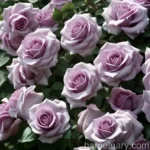
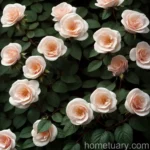
- Color Variations: The blossoms of Rosa ‘Lawrence Johnston’ exhibit a range of colors, from soft pastel shades of pink and apricot to richer tones of peach and orange, offering an array of options to suit various garden color palettes.
- Reblooming: One of the remarkable traits of this climbing rose is its ability to rebloom, extending the period of enjoyment for the gardener with multiple flushes of blooms throughout the growing season.
Growing Large-Flowered Climbing Roses
Water
- Regular Watering: Large-flowered climbing roses, including Rosa ‘Lawrence Johnston’, benefit from consistent and deep watering, especially during dry periods, to maintain healthy growth and prolific blooming.
- Avoid Overhead Watering: To prevent fungal diseases, it is advisable to water the base of the plants and avoid wetting the foliage, particularly late in the day.
Sunlight
- Full Sun: These roses thrive in full sunlight, requiring at least 6-8 hours of direct sun exposure each day to promote vigorous growth and abundant flowering.
- Partial Shade: While they prefer full sun, large-flowered climbing roses can tolerate partial shade, but their flowering may be compromised in excessively shaded areas.
Fertilizer
- Balanced Fertilizer: Applying a balanced fertilizer formulated for roses in the early spring, just as new growth begins, can provide the necessary nutrients for robust growth and prolific flowering.
- Organic Matter: Incorporating organic matter, such as well-rotted compost, into the soil around the base of the plants can also enhance the soil structure and fertility.
Soil
- Well-Draining Soil: Large-flowered climbing roses, including Rosa ‘Lawrence Johnston’, thrive in well-draining, fertile soil, preferably with a slightly acidic to neutral pH level (6.0-7.0).
- Aeration: Regularly cultivating the soil around the base of the roses can improve aeration and drainage, promoting healthy root development.
Care and Maintenance of Large-Flowered Climbing Roses
Pruning
- Annual Pruning: Pruning is essential for maintaining the health and aesthetics of large-flowered climbing roses, with the ideal time for pruning being late winter or early spring, before new growth emerges.
- Deadheading: Removing spent blooms throughout the growing season can stimulate the production of new flowers and prolong the blooming period.
Training
- Support Structures: As climbing roses, including Rosa ‘Lawrence Johnston’, require support for upward growth, it is important to provide sturdy trellises, arbors, or fences for them to climb upon.
- Tying and Training: Gently tying and training the canes as they grow can help create an attractive and well-managed display of the climbing roses.
Propagation
- Softwood Cuttings: Propagating large-flowered climbing roses can be achieved through softwood cuttings taken from new growth in the early summer, which can then be rooted in a suitable growing medium.
- Layering: Another method of propagation involves layering, where a portion of a low-growing cane is pegged to the ground and encouraged to develop roots before being separated and transplanted.
Container Planting
Popularity in Container Gardening
Large-flowered climbing roses, such as Rosa ‘Lawrence Johnston’, are well-suited for container gardening due to their graceful growth habit and stunning visual appeal. This allows gardeners with limited space to enjoy the beauty and fragrance of these roses on patios, balconies, and other confined areas.
Container
- Size: When selecting a container for growing large-flowered climbing roses, it is recommended to choose a sizable pot with adequate drainage holes to accommodate the plant’s root system and promote good drainage.
- Quality Potting Mix: Using a high-quality, well-draining potting mix specifically formulated for roses can provide the necessary support and nutrients for healthy growth in containers.
Common Diseases
Disease Diagnosis
It is essential for gardeners to be vigilant and observant to identify and address any signs of diseases affecting large-flowered climbing roses, including Rosa ‘Lawrence Johnston’. Some common diseases that may afflict these roses include:
- Powdery Mildew: Characterized by a powdery white coating on the leaves and stems, which can hinder photosynthesis and weaken the plants.
- Black Spot: Identified by the appearance of circular, black spots on the foliage, leading to premature leaf drop and reduced vigor in the roses.
- Rust: Manifests as orange or rust-colored pustules on the undersides of leaves, causing defoliation and weakening of the plants.
Common Pests
In addition to diseases, large-flowered climbing roses can be susceptible to pest infestations, with some of the common pests including:
- Aphids: Small, pear-shaped insects that congregate on the tender new growth of the roses, sucking sap and potentially transmitting viral diseases.
- Spider Mites: These minute arachnids can cause stippling and discoloration of the foliage, leading to diminished plant health and aesthetics.
Botanist’s Tips
- Proactive Monitoring: Regular inspection of the plants for any signs of diseases or pests is crucial for early detection and intervention, preventing potential outbreaks and minimizing damage.
- Cultural Practices: Practicing good garden hygiene, such as removing and disposing of fallen leaves and debris, can help reduce the risk of disease and pest proliferation.
Fun Facts
Before we conclude this section, let’s delight in some intriguing and delightful facts about large-flowered climbing roses, offering a deeper appreciation for these captivating plants:
- Historical Significance: Roses have been cherished for millennia, with evidence of their cultivation dating back to ancient civilizations, symbolizing love, beauty, and even political allegiance.
- Symbolism: Roses hold diverse symbolic meanings across different cultures, representing love, passion, purity, and a myriad of emotions and themes in literature, art, and rituals.
- Medicinal and Culinary Uses: Aside from their aesthetic allure, roses have been utilized for their medicinal properties and as a flavoring agent in cuisine, adding depth and complexity to various dishes.
With these enchanting facts in mind, we invite you to step into the enchanting world of large-flowered climbing roses, exploring their timeless allure and bountiful charm.
Links to External Resources
For further exploration and in-depth information on large-flowered climbing roses, including the captivating Rosa ‘Lawrence Johnston’, we recommend delving into the following external resources:
-
American Rose Society: The American Rose Society offers a wealth of resources on rose cultivation, including specific guidance on growing large-flowered climbing roses.
-
Royal Horticultural Society: The Royal Horticultural Society provides comprehensive insights into the care and maintenance of roses, catering to both novice and experienced gardeners.
-
University Extension Services: Various university extension services offer valuable information on disease and pest management for roses, aiding in the proactive protection of large-flowered climbing roses.
These resources, among others, can serve as invaluable references and guides as you embark on your journey of cultivating and cherishing the allure of large-flowered climbing roses in your garden.
In conclusion, the allure of large-flowered climbing roses, particularly the captivating Rosa ‘Lawrence Johnston’, lies not only in their resplendent blooms and enchanting fragrance but also in the profound joy and beauty they bestow upon the garden landscape. With the knowledge and insights gained from this guide, we invite you to embark on a journey of discovery and delight, cultivating and reveling in the timeless elegance of these majestic roses.
As we part ways, may your garden be adorned with the splendor of Rosa ‘Lawrence Johnston’, serving as a testament to the enduring allure and heritage of large-flowered climbing roses.
Happy gardening!