Large-Flowered Cactus (Selenicereus Grandiflorus)
The world of plants is diverse and fascinating, and one standout species within it is the Large-Flowered Cactus, scientifically known as Selenicereus.
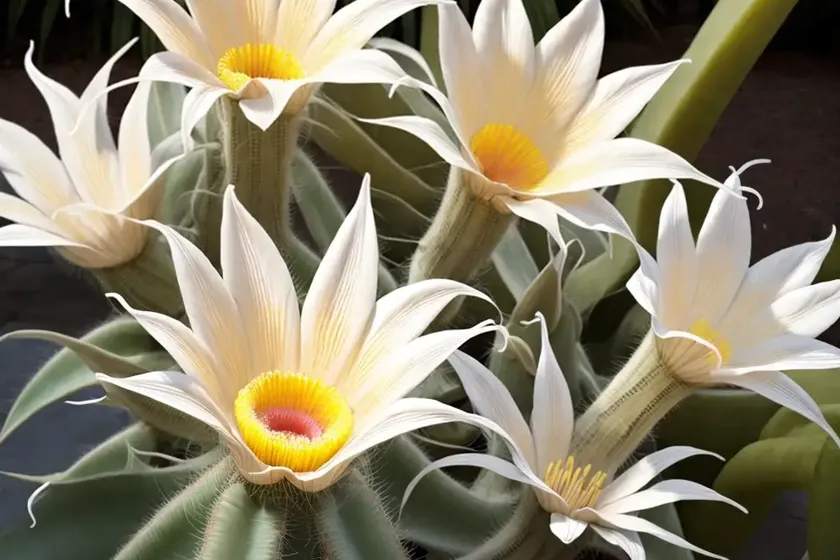
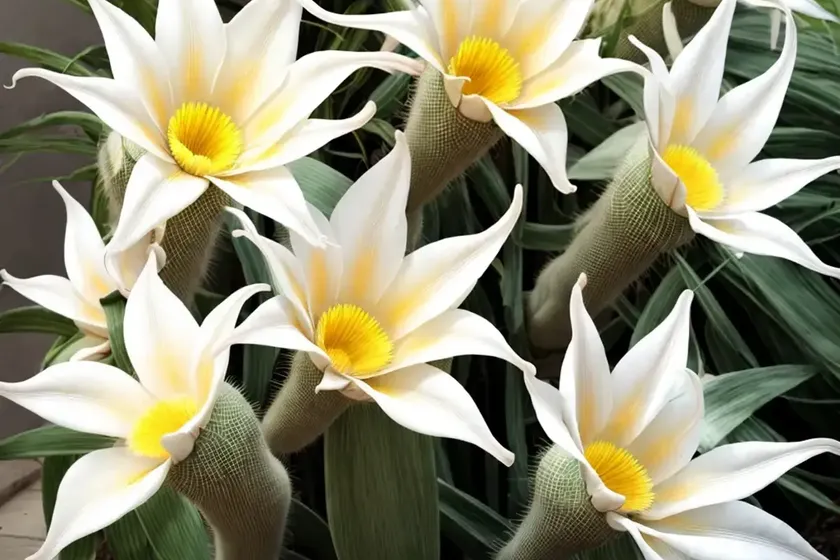
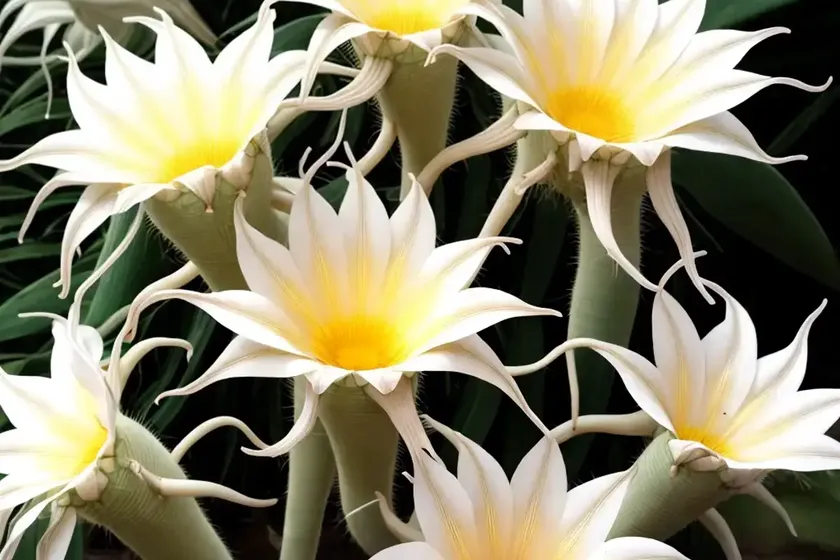
The world of plants is diverse and fascinating, and one standout species within it is the Large-Flowered Cactus, scientifically known as Selenicereus grandiflorus. This epiphytic cactus, native to Central America and the Caribbean, is known for its stunning and large night-blooming flowers. In this comprehensive guide, we will delve into all aspects of caring for and cultivating this remarkable plant, including its cultural significance, uses, and the essential care requirements needed for its optimal growth.
What is a Plant: Large-Flowered Cactus (Selenicereus grandiflorus)
Selenicereus grandiflorus, commonly referred to as the Large-Flowered Cactus, is a vine-like, epiphytic cactus belonging to the Cactaceae family. It is recognized for its extraordinary, fragrant, and large night-blooming white flowers that can reach up to a foot in length. These flowers bloom for only one night and are followed by the development of elongated, red, edible fruits. The plant is native to tropical forests and thrives in warm, humid conditions.
Key Takeaways – Large-Flowered Cactus (Selenicereus grandiflorus)
To understand the intricacies of caring for the Large-Flowered Cactus, it’s essential to familiarize yourself with key takeaways related to its culture, uses, and specific care requirements.
Culture
- Origin: Central America and the Caribbean
- Type: Epiphytic cactus
- Notable Feature: Large night-blooming white flowers
- Significance: Edible fruits follow the blooming of the flowers
Uses
- Ornamental: The Large-Flowered Cactus is cultivated for its exquisite flowers and unique appearance.
- Culinary: The red fruits produced after flowering are edible and used in various culinary preparations.
Now that we’ve introduced the Large-Flowered Cactus let’s delve into the specifics of caring for this remarkable plant.
Caring for Large-Flowered Cactus (Selenicereus grandiflorus)
Water
- Requirements: The Large-Flowered Cactus requires regular watering during the growing season to keep the soil evenly moist. However, it benefits from reduced watering during the winter months to simulate a drier climate.
- Key Considerations: Avoid overwatering, as this may lead to root rot. Additionally, adequate drainage is essential to prevent waterlogging of the soil.
Sunlight
- Needs: Thrives in bright, indirect light. However, it can tolerate some direct sunlight, especially during the morning hours.
- Optimal Conditions: Ensure that the Large-Flowered Cactus receives around 4-6 hours of indirect sunlight per day to promote healthy growth and flowering.
Fertilizer
- Recommendations: Use a balanced, water-soluble fertilizer diluted to half-strength during the growing season to provide essential nutrients for healthy growth and flowering.
- Frequency: Apply fertilizer every 4-6 weeks during the growing season, and reduce or cease fertilization during the winter months.
Soil
- Type: Use a well-draining, porous potting mix to ensure proper aeration and drainage for the cactus’s root system.
- Composition: A suitable mix may include a combination of perlite, coarse sand, and organic matter to create an ideal growing medium.
Pruning
- Purpose: Pruning is primarily done to maintain the cactus’s shape and remove any dead or damaged growth.
- Techniques: Use sterilized pruning tools to carefully remove unwanted growth, being mindful of the cactus’s thorns and stems.
Propagation
- Methods: Selenicereus grandiflorus can be propagated through stem cuttings. The cuttings should be allowed to callus for a few days before being placed in a well-draining potting mix to establish new roots.
Container
- Size: Choose a appropriately-sized container to accommodate the cactus’s root system while providing ample space for growth.
- Drainage: Ensure that the container has sufficient drainage holes to prevent water accumulation at the base.
Popularity
The Large-Flowered Cactus has gained popularity among plant enthusiasts and horticulturists for its unique characteristics, including:
– Exquisite, large night-blooming flowers
– Easy maintenance and care requirements
– Ability to thrive in a variety of indoor environments
Common Diseases
Disease Diagnosis
The Large-Flowered Cactus is relatively resistant to diseases. However, common issues to watch out for include:
– Root Rot: Caused by overwatering and poor drainage
– Fungal Infections: Develop in overly moist conditions
– Pest Infestation: Such as mealybugs and spider mites
Common Pests
- Mealybugs: These tiny, white insects can infest the plant and cause wilting and yellowing of the stems and leaves.
- Spider Mites: These pests can create fine webbing on the plant and cause damage to its foliage.
Botanist’s Tips
- Always ensure proper drainage to prevent waterlogging of the soil.
- Regularly inspect the plant for signs of pests and diseases and take prompt action to address any issues.
- Provide adequate support for the plant to climb or sprawl, mimicking its natural growth habit.
Fun Facts
- The Large-Flowered Cactus is also known as “Queen of the Night” due to its majestic, night-blooming flowers.
- The flowers of Selenicereus grandiflorus are often pollinated by bats and moths due to their nocturnal blooming habit.
Links to External Resources
For additional information on the Large-Flowered Cactus (Selenicereus grandiflorus) and its care, refer to the following resources:
- Royal Horticultural Society – Growing Cacti and Other Succulents
- The Spruce – Caring for Epiphytic Cacti
- Cactus and Succulent Society of America
In conclusion, the Large-Flowered Cactus, with its remarkable blooming cycle and ornamental value, is truly a captivating addition to any plant enthusiast’s collection. By understanding and implementing the essential care guidelines outlined in this comprehensive guide, you can ensure the thriving growth and breathtaking blooms of Selenicereus grandiflorus in your own indoor or outdoor spaces.