Lapidaria Margaretae (Lapidaria Margaretae)
Lapidaria margaretae, also known as Lapidaria margaretae, is a stunning succulent plant that has gained popularity among plant enthusiasts for its unique.
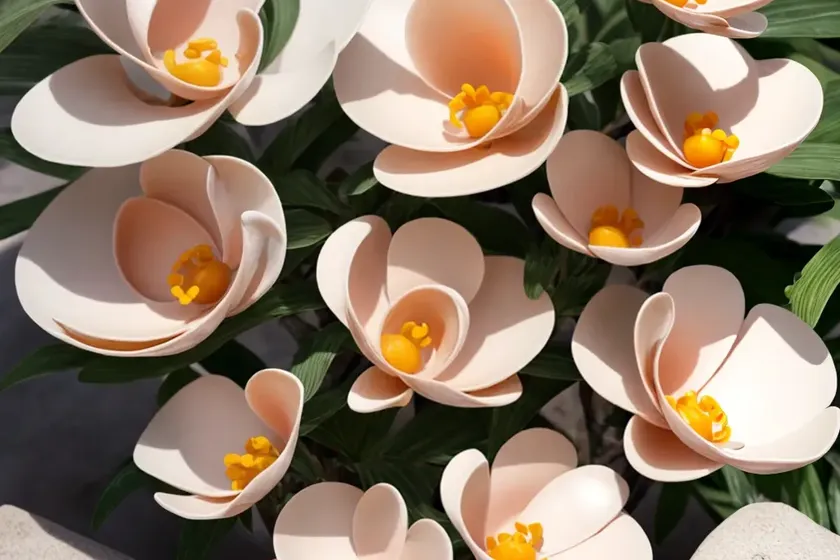
Lapidaria margaretae, also known as Lapidaria margaretae, is a stunning succulent plant that has gained popularity among plant enthusiasts for its unique and attractive appearance. Lapidaria margaretae is native to South Africa and belongs to the Aizoaceae family. This low-maintenance plant is characterized by its compact rosette of thick, grey-green leaves and vibrant yellow flowers. In this comprehensive care guide, we will delve into every aspect of caring for Lapidaria margaretae, from its cultural requirements to common diseases and pests, as well as propagation tips and fun facts about this fascinating plant.
What is Lapidaria margaretae?
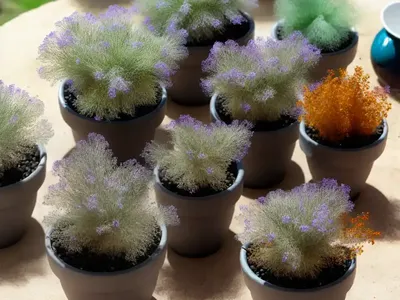
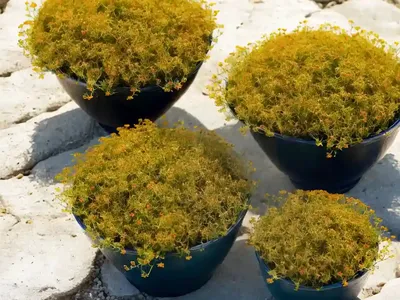
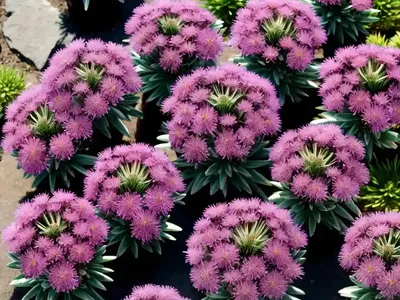
Lapidaria margaretae is a small, slow-growing succulent plant that forms clumps of rosettes, with each rosette typically growing up to 2 inches (5 cm) in diameter. The leaves of Lapidaria margaretae are chubby, triangular in shape, and covered in tiny, glistening tubercles, which give the plant a pebbly appearance. When provided with the right growing conditions, Lapidaria margaretae produces stunning daisy-like yellow flowers that can brighten up any indoor or outdoor space.
Key Takeaways – Lapidaria margaretae
- Compact rosette of thick, grey-green leaves
- Vibrant yellow daisy-like flowers
- Slow-growing and low-maintenance
- Native to South Africa
- Belongs to the Aizoaceae family
Now, let’s explore the essential care requirements for nurturing healthy and thriving Lapidaria margaretae plants.
Culture
Uses
Lapidaria margaretae is popularly cultivated for ornamental purposes, valued for its unique appearance and low-maintenance nature. Its petite size and striking foliage make it an excellent addition to rock gardens, succulent arrangements, and indoor plant displays.
Water
As with most succulent plants, Lapidaria margaretae prefers a watering schedule that allows its soil to dry out between waterings. Overwatering can lead to root rot, so it’s crucial to use a well-draining soil mix and water the plant sparingly, especially during the winter months when its growth slows down.
Sunlight
In its natural habitat, Lapidaria margaretae thrives in bright, indirect sunlight. When grown indoors, it should be placed in a location that receives ample natural light, such as near a south-facing window. Outdoors, it can tolerate full sun but may benefit from some protection during the hottest part of the day in regions with intense sun exposure.
Fertilizer
During the growing season in spring and summer, Lapidaria margaretae can benefit from a diluted, balanced liquid fertilizer applied monthly. However, the plant is not heavy feeder, and excessive fertilization can lead to issues, so it’s important to err on the side of caution when feeding this succulent.
Soil
Lapidaria margaretae thrives in a well-draining soil mix that mimics its natural habitat. A combination of cactus or succulent potting mix with added perlite or coarse sand can create the ideal growing medium for this plant, ensuring good drainage and preventing waterlogged conditions.
Pruning
Pruning requirements for Lapidaria margaretae are minimal, typically limited to removing any dead or dried leaves or spent flowers. Regular grooming can help maintain the plant’s tidy appearance and prevent the spread of diseases.
Propagation
Lapidaria margaretae can be propagated through leaf cuttings or offsets. Leaf cuttings should be allowed to callus for a few days before being placed in a well-draining rooting medium. Additionally, offsets or “pups” that emerge from the base of the plant can be carefully separated and propagated to grow new Lapidaria margaretae plants.
Container Popularity
Lapidaria margaretae is commonly cultivated in containers, where its compact size and striking appearance make it an ideal choice for small indoor spaces, windowsills, or as part of a succulent arrangement. Its popularity as a container plant stems from its adaptability to different growing environments and its ease of care.
Container Common Diseases
Disease diagnosis
Lapidaria margaretae is generally resistant to many common plant diseases, particularly when grown in well-draining soil and provided with appropriate cultural conditions. However, overwatering can lead to root rot, while poor air circulation may create conditions conducive to fungal diseases.
Common pests
Lapidaria margaretae is relatively resistant to pests, but it may occasionally encounter typical succulent pests such as spider mites, mealybugs, and aphids. Regular monitoring and maintaining optimal growing conditions can help prevent pest infestations.
Botanist’s tips
For optimal growth and health, it’s essential to mimic Lapidaria margaretae’s natural habitat as closely as possible. Provide well-draining soil, ample sunlight, and a cautious approach to watering to ensure that this succulent thrives in cultivation.
Fun facts
- Lapidaria margaretae is named after Margaret Martin, a succulent enthusiast and plant collector.
- In its natural habitat, Lapidaria margaretae experiences wide temperature fluctuations, with hot, dry summers and chilly winters, which contributes to its resilience and ability to tolerate environmental stress.
For more in-depth information and tips on caring for Lapidaria margaretae, we’ve curated a selection of valuable external resources that offer a wealth of knowledge on succulent care. Feel free to explore these links for additional insights and expertise:
In conclusion, Lapidaria margaretae is a captivating succulent plant that adds charm and visual interest to any space with its compact rosettes and vibrant flowers. By following the care guidelines outlined in this comprehensive guide and leveraging the expert advice offered in the recommended external resources, plant enthusiasts can cultivate thriving and beautiful Lapidaria margaretae specimens in their homes and gardens.
Remember to tailor your care routine to the specific conditions and environment in which your Lapidaria margaretae is grown, and enjoy the rewarding experience of nurturing and appreciating this remarkable succulent.