Laceleaf (Anthurium Spp.)
Laceleaf, scientifically known as Anthurium spp., is a captivating and popular plant appreciated for its striking foliage and unique flowers. Its elegant.
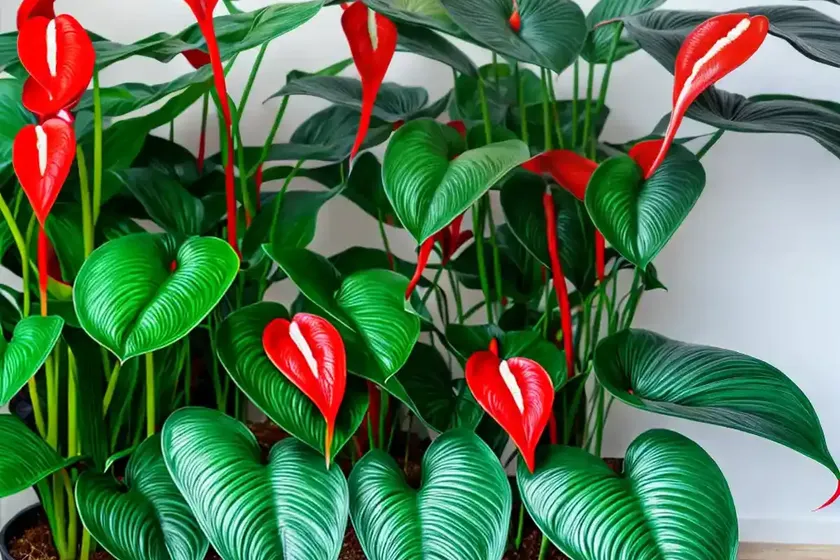
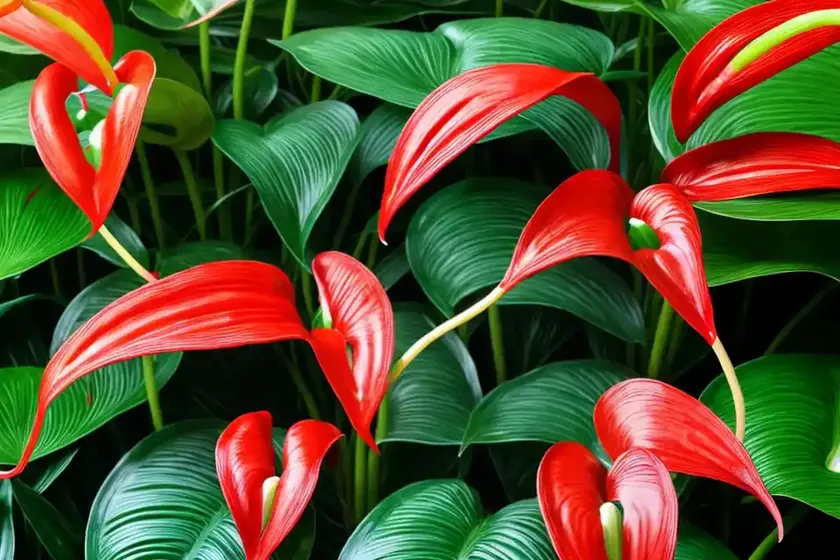
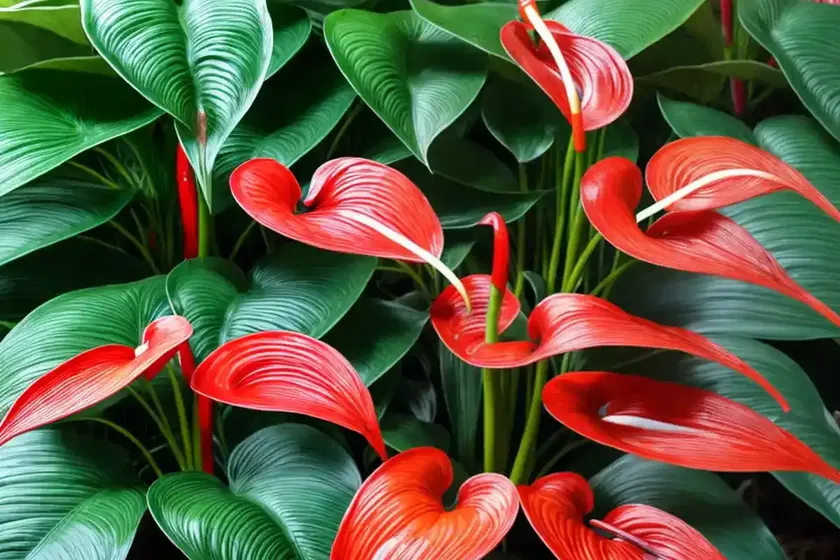
Laceleaf, scientifically known as Anthurium spp., is a captivating and popular plant appreciated for its striking foliage and unique flowers. Its elegant appearance makes it a popular choice for both indoor and outdoor spaces, adding a touch of beauty and sophistication to any environment. In this comprehensive guide, we will explore the culture, uses, care tips, and maintenance of Laceleaf Anthurium, providing valuable insights for both beginners and experienced plant enthusiasts.
What is Laceleaf (Anthurium spp.)?
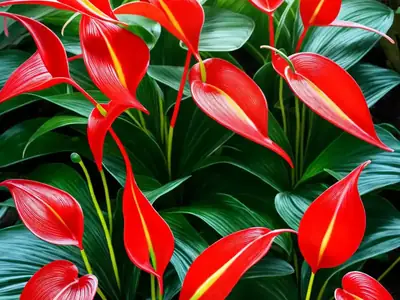
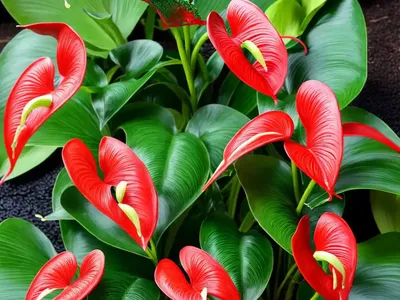
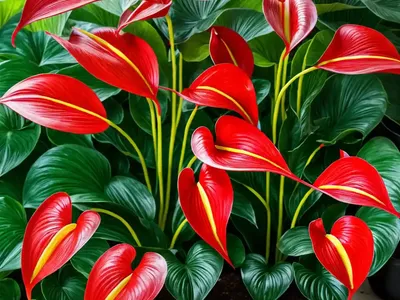
Laceleaf, or Anthurium, is a diverse genus of plants belonging to the Araceae family. These tropical plants are native to the rainforests of Central and South America and are known for their distinctive heart-shaped leaves and colorful, waxy spathes that resemble flowers. Anthurium spp. encompasses a wide range of species and hybrids, offering a variety of leaf shapes, sizes, and colors to suit different preferences and design aesthetics.
The name “Anthurium” is derived from the Greek words “anthos,” meaning flower, and “oura,” meaning tail, referring to the structure of its inflorescence. While the vibrant spathes are often mistaken for flowers, they are actually modified leaves, with the true flowers located on the spadix. This unique characteristic contributes to the visual allure of Laceleaf Anthurium, making it a sought-after plant for ornamental purposes.
Key Takeaways – Laceleaf (Anthurium spp.)
Before delving into the detailed aspects of Laceleaf Anthurium care and cultivation, let’s review the key takeaways that will guide our exploration of this enchanting plant:
- Anthurium Care Tips: Understanding the specific care requirements is essential for maintaining the health and vitality of Laceleaf Anthurium.
- Laceleaf Anthurium Varieties: Exploring the diverse range of Anthurium species and hybrids enables enthusiasts to select the ideal plants for their unique preferences.
- How to Grow Laceleaf Anthurium: Mastering the art of cultivation and propagation empowers individuals to establish thriving Anthurium specimens.
- Anthurium Houseplant Care: Leveraging insights into indoor plant care is crucial for creating an optimal environment for Laceleaf Anthurium.
- Laceleaf Anthurium Species: Recognizing the different species within the Anthurium genus guides enthusiasts in selecting plants that align with their desired characteristics.
- Anthurium Foliage Plants: Appreciating the diverse foliage types of Anthurium enhances the aesthetic appeal of green spaces and interiors.
- Anthurium Indoor Décor: Integrating Laceleaf Anthurium into interior design schemes adds a touch of elegance and vibrancy to living spaces.
- Anthurium Plant Maintenance: Implementing effective maintenance practices ensures the long-term health and vitality of Laceleaf Anthurium.
- Best Conditions for Laceleaf Anthurium: Identifying and providing the optimal growth conditions is essential for promoting vigorous plant development.
- Anthurium Flower Types: Understanding the unique flower characteristics of Anthurium enhances the appreciation for its ornamental value.
With these key takeaways in mind, let’s explore the intricate details of Laceleaf Anthurium, covering its culture, uses, and maintenance, as well as the common diseases and pests that may affect its health.
Culture of Laceleaf (Anthurium spp.)
Understanding the cultural requirements of Laceleaf Anthurium is crucial for creating an environment that promotes its growth and well-being. The following factors play a significant role in shaping the culture of this enchanting plant:
Water
Proper watering is essential for the health of Laceleaf Anthurium. While these plants require consistent moisture, they are susceptible to root rot if overwatered. It is important to allow the soil to dry out slightly between watering sessions to prevent waterlogged conditions. The frequency of watering may vary based on factors such as environmental conditions, soil moisture retention, and plant size.
Anthurium Care Tips:
– Use a well-draining potting mix to prevent waterlogging and maintain optimal soil moisture levels.
– Water the plant thoroughly and allow excess water to drain from the pot to avoid water accumulation at the root zone.
Sunlight
Laceleaf Anthurium thrives in bright, indirect light. While it can tolerate lower light conditions, insufficient light may result in reduced flowering and stunted growth. Exposure to direct sunlight should be limited, as it can scorch the delicate foliage and cause leaf burn.
Anthurium Care Tips:
– Place the plant in a location with filtered or indirect sunlight, such as near a north or east-facing window.
– Shield the plant from intense midday sun to prevent leaf damage and discoloration.
Fertilizer
Proper fertilization contributes to the overall vigor and blooming capacity of Laceleaf Anthurium. A balanced, water-soluble fertilizer formulated for flowering houseplants can be applied at regular intervals during the growing season to support healthy growth and prolific blooming.
Anthurium Care Tips:
– Dilute the fertilizer to half the recommended strength to avoid the risk of root burn.
– Feed the plant every 4-6 weeks during the growing season, reducing feeding frequency in winter when the plant enters a period of reduced growth.
Soil
A well-draining and aerated potting mix is essential for Laceleaf Anthurium, as it prevents waterlogging and provides a conducive medium for root development. A blend of peat moss, perlite, and organic matter offers an ideal balance of moisture retention and drainage, creating a favorable environment for the plant’s root system.
Anthurium Care Tips:
– Use a high-quality potting mix designed for tropical plants, or create a custom blend by combining components that promote good drainage and aeration.
– Repot the plant every 2-3 years to refresh the potting mix and provide adequate space for root expansion.
Pruning
Regular pruning can help maintain the desirable shape and size of Laceleaf Anthurium while promoting new growth and flowering. Removing yellowing or damaged leaves, as well as spent flowers, can enhance the plant’s appearance and direct its resources towards healthy, new growth.
Anthurium Care Tips:
– Use clean, sharp scissors or pruning shears to make precise cuts and minimize the risk of damage to the plant.
– Sterilize the pruning tools before and after use to prevent the spread of diseases and pathogens.
Propagation of Laceleaf (Anthurium spp.)
Propagation allows enthusiasts to expand their collection of Laceleaf Anthurium and share the joy of cultivating these captivating plants. While the commercial propagation of Anthurium often involves tissue culture and division of rhizomes, home growers can propagate Anthurium through the following methods:
-
Division: Divide mature Anthurium plants during repotting to separate healthy offshoots with their own root systems, establishing new individual plants.
-
Stem Cuttings: Take stem cuttings with at least two nodes and place them in a moist, well-aerated growing medium to encourage the development of roots and new shoots.
-
Seed Propagation: While seed propagation is less common due to the unpredictable nature of seed-grown plants, it can be a rewarding process for enthusiasts interested in exploring the genetic diversity of Laceleaf Anthurium.
Anthurium Plant Propagation Tips:
– Choose healthy, disease-free plant segments for propagation to ensure the success and vitality of the new plants.
– Provide consistent moisture and warmth during the propagation process to facilitate the development of roots and new growth.
Container Popularity
Laceleaf Anthurium is a popular choice for container gardening as its compact size and eye-catching foliage make it an excellent addition to indoor and outdoor container arrangements. Its elegant appearance and low maintenance nature appeal to both novice and experienced gardeners, making it a favored option for enhancing the visual appeal of various settings.
Container Uses of Laceleaf Anthurium:
– Interior Decor: Incorporate Anthurium in decorative planters or hanging baskets to add a touch of elegance and vibrancy to living spaces.
– Patio and Garden Displays: Use Anthurium as a focal point in container gardens, where its unique foliage and occasional blooms can capture attention and admiration.
Common Diseases of Laceleaf (Anthurium spp.)
Laceleaf Anthurium is vulnerable to several diseases, which can impact its vigor and overall appearance if not promptly addressed. The following are common diseases that may affect Anthurium plants:
-
Root Rot: Overwatering and poorly-draining soil can lead to root rot, causing the plant to exhibit symptoms such as wilting, yellowing leaves, and stem collapse.
-
Leaf Spot: Fungal and bacterial pathogens can cause leaf spot, resulting in the formation of discolored lesions on the foliage and a decline in overall plant health.
-
Powdery Mildew: Humid conditions and poor air circulation can create favorable environments for powdery mildew to develop on the leaves, appearing as a white, powdery coating.
-
Bacterial Blight: Bacterial blight can cause water-soaked lesions on the leaves and stems, leading to tissue necrosis and plant decline.
Disease Diagnosis and Management:
– Monitor the plant for any signs of disease, such as leaf discoloration, wilting, or unusual spots, and take prompt action to identify and address the underlying issue.
– Provide proper air circulation, avoid overwatering, and maintain hygiene to minimize the risk of diseases affecting the plant.
Common Pests Affecting Laceleaf (Anthurium spp.)
Several pests can pose a threat to the health and appearance of Laceleaf Anthurium, requiring vigilant monitoring and intervention to prevent infestations and preserve the plant’s vitality. The following are common pests that may affect Anthurium plants:
-
Spider Mites: These tiny arachnids can infest Anthurium plants, causing stippling and webbing on the leaves and impairing the overall health of the plant.
-
Mealybugs: Mealybugs can cluster on the leaves and stems of Anthurium, secreting honeydew that attracts ants and promoting the growth of sooty mold.
-
Scale Insects: Scale insects can attach to the leaves and stems, feeding on the plant’s sap and causing yellowing, wilting, and stunted growth.
-
Aphids: Aphids can infest the tender new growth of Anthurium, causing distortion and discoloration of the leaves while sapping the plant’s resources.
Pest Management Strategies:
– Inspect the plant regularly for signs of pest infestation, such as stippling, webbing, or the presence of insects, and take prompt action to address the issue.
– Use eco-friendly insecticidal soaps or horticultural oils to control pest populations while minimizing potential harm to beneficial organisms and the environment.
Botanist’s Tips for Successful Laceleaf Anthurium Cultivation
Drawing from the expertise of botanists and experienced plant enthusiasts, the following tips can enrich the cultivation experience and promote the long-term health and vitality of Laceleaf Anthurium:
- Monitor Environmental Conditions: Regularly assess the temperature, humidity levels, and light exposure to ensure they align with the optimal requirements for Anthurium growth.
- Use Quality Potting Mix: Select a well-draining, nutrient-rich potting mix that provides a suitable substrate for root growth and ensures proper aeration.
- Provide Adequate Humidity: Implement strategies such as misting, humidity trays, or grouping plants to create a humid microclimate that mimics the tropical habitat of Anthurium.
- Maintain Cleanliness: Regularly inspect the plant for debris, fallen leaves, and potential breeding grounds for pests and diseases, and maintain a clean growing environment.
- Adapt Watering Practices: Adjust the frequency and volume of watering based on seasonal changes, plant size, and environmental conditions to prevent moisture-related issues.
Fun Facts About Laceleaf (Anthurium spp.)
Discovering intriguing and captivating facts about Laceleaf Anthurium adds depth to one’s appreciation for this exceptional plant. Let’s explore some fun facts that shed light on the unique characteristics and cultural significance of Anthurium:
- Symbolism: In various cultures, Anthurium is associated with enduring love, hospitality, and prosperity, making it a popular choice for gifts and decorative arrangements.
- Air-Purifying Qualities: Laceleaf Anthurium is known for its ability to improve indoor air quality by removing airborne pollutants and enhancing the overall environmental health.
- Longevity: With proper care, Laceleaf Anthurium can live for many years, rewarding enthusiasts with continuous foliage and occasional blooms throughout its life cycle.
- Variety of Leaf Shapes: The foliage of Anthurium exhibits an array of shapes and textures, with some species featuring elongated, lanceolate leaves, while others display broader, heart-shaped foliage.
- Hybrid Diversity: The extensive hybridization of Anthurium has resulted in an impressive range of cultivars, showcasing a spectrum of colors, patterns, and leaf sizes.
These fun facts offer a glimpse into the rich heritage and captivating allure of Laceleaf Anthurium, underscoring its significance as an admired plant species.
Links to External Resources
To further expand your knowledge and appreciation for Laceleaf Anthurium, consider exploring the following external resources:
- The American Phytopathological Society
- Plant Health Progress, An Online Journal
- Royal Horticultural Society
- University Cooperative Extension Services
- Plant Pathology Online Resources
Enriching your understanding of plants through reputable sources and authoritative platforms can offer valuable insights and broaden your horticultural knowledge.
In conclusion, Laceleaf Anthurium, or Anthurium spp., stands as a captivating and cherished plant species that continues to captivate enthusiasts with its striking foliage, elegant blooms, and cultural significance. By embracing the essential care tips, exploring the diverse species and varieties, and appreciating the cultural uses and significance of Anthurium, individuals can cultivate thriving plants and elevate their surroundings with the timeless charm of Laceleaf Anthurium.
As a comprehensive guide to Laceleaf (Anthurium spp.), this blog post offers detailed insights into the cultural requirements, maintenance practices, and fascinating aspects of this popular plant species. Whether you are a seasoned plant enthusiast or a newcomer to the world of horticulture, the comprehensive information provided here serves as a valuable resource for nurturing and celebrating the timeless allure of Laceleaf Anthurium.