Lace Aloe (Aloe Aristata)
Welcome to this comprehensive guide on Lace Aloe (Aloe aristata). If you’re an enthusiastic plant lover or looking to add a touch of greenery to your.
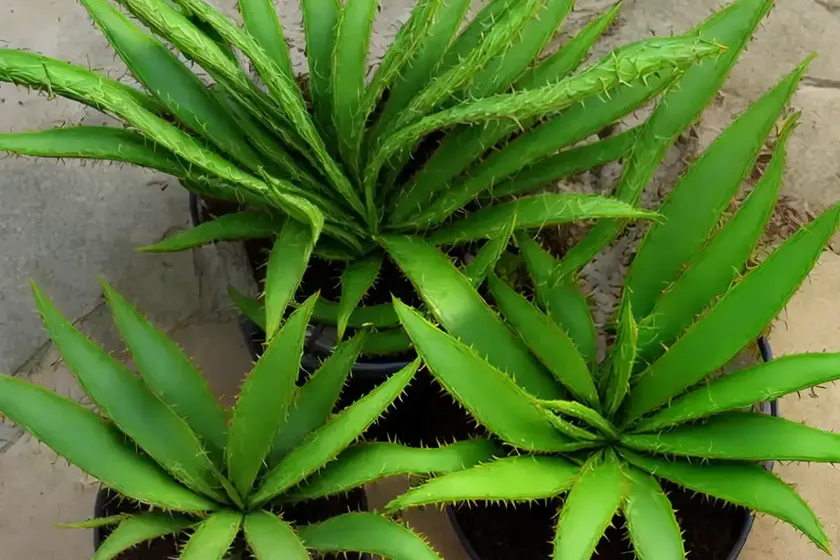
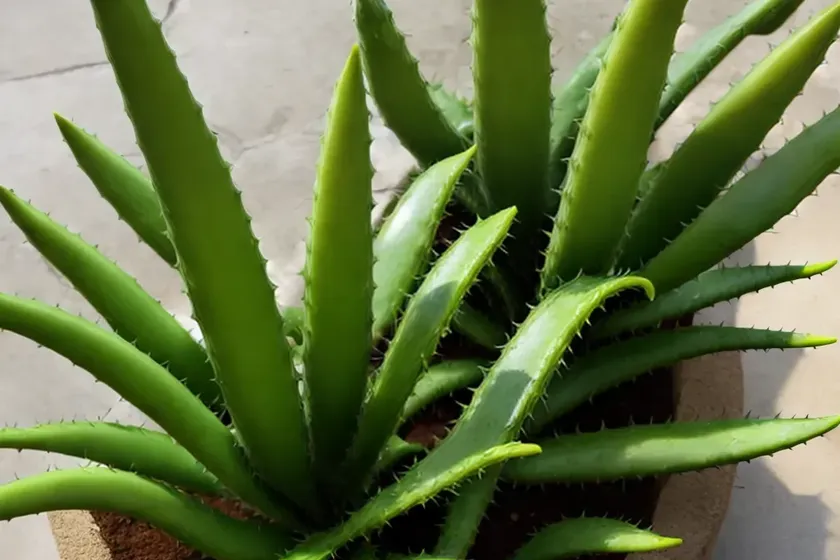
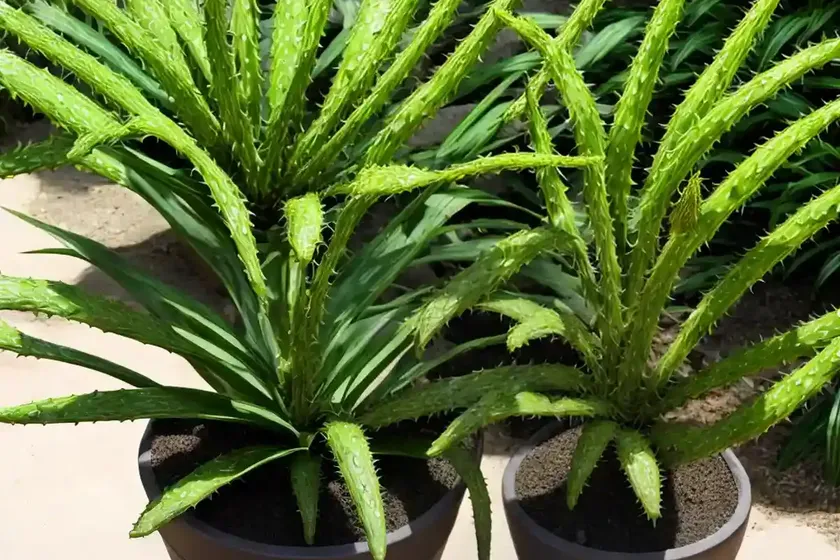
Welcome to this comprehensive guide on Lace Aloe (Aloe aristata). If you’re an enthusiastic plant lover or looking to add a touch of greenery to your space, you’re in the right place. Lace Aloe, scientifically known as Aloe aristata, is a stunning succulent known for its unique texture, rich history, and various practical and aesthetic uses. In this guide, we will delve into every aspect of Lace Aloe care and cultivation, including its cultural requirements, uses, water and sunlight needs, soil preferences, propagation techniques, popular container choices, common diseases, pest management, fascinating facts, and much more. Let’s start by understanding what the Lace Aloe plant is all about.
What is Lace Aloe (Aloe aristata)?
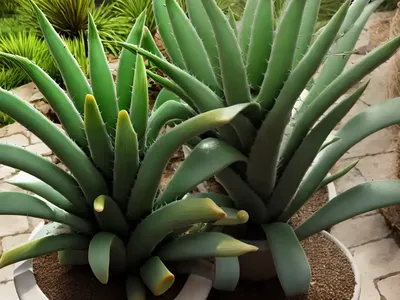
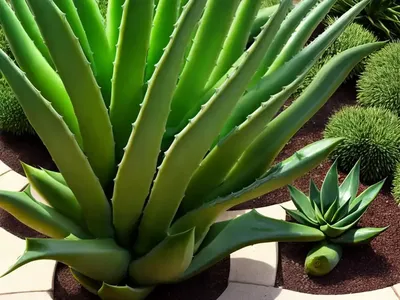
Lace Aloe, also referred to as “Guinea-fowl Aloe” due to its distinctive white spots on the leaves, is a species of evergreen perennial succulent belonging to the Aloe genus. Indigenous to South Africa, particularly in the rocky grasslands of Lesotho, this plant thrives in arid and semi-arid environments. It is part of the Asphodelaceae family, which includes various species of Aloe known for their ornamental and medicinal purposes. Lace Aloe is a low-maintenance and drought-tolerant plant, making it a popular choice for both indoor and outdoor settings.
Key Takeaways – Lace Aloe (Aloe aristata)
Before delving into the intricacies of caring for Lace Aloe, let’s gain an overview of some key aspects associated with this versatile plant:
- Botanical Name: Aloe aristata
- Common Names: Lace Aloe, Guinea-fowl Aloe
- Plant Type: Evergreen perennial succulent
- Native Habitat: South Africa, Lesotho
- Distinct Features: Rosette of green leaves with white spots, orange flowers
- Uses: Ornamental, medicinal
- Popular Cultivation Areas: Xeriscapes, rock gardens, indoor spaces
- Growth Rate: Moderately slow
Now, let’s embark on an exploration of the various facets of Lace Aloe care and cultivation.
Culture
In order to cultivate Lace Aloe successfully, it’s crucial to understand its cultural requirements, including its preferred climate, watering, and sunlight needs, soil type, and feeding habits.
Uses
Lace Aloe is valued for its diverse uses, ranging from ornamental and decorative purposes to its remarkable medicinal properties.
Ornamental Uses
Lace Aloe is widely admired for its captivating appearance, making it a popular choice for enhancing indoor and outdoor spaces. Its striking rosette of spiky leaves and occasional orange tubular flowers add visual interest to gardens, rockeries, and container arrangements. Additionally, the plant’s drought tolerance and moderate growth make it ideal for xeriscapes and low-maintenance landscaping projects.
Medicinal Uses
Beyond its ornamental appeal, Lace Aloe possesses a long history of medicinal use. Its gel-like sap is renowned for its skin-soothing properties, making it an essential ingredient in various skincare products and remedies. From treating burns and minor wounds to moisturizing the skin, Aloe aristata has proven its therapeutic value over the centuries.
Water
Proper watering is crucial for the health and vitality of Lace Aloe, as overwatering can lead to root rot and other issues. Understanding its water requirements is essential for maintaining the plant’s well-being.
Watering Tips for Lace Aloe:
- Frequency: Allow the soil to dry out between waterings. In general, watering once every 2-3 weeks is sufficient, but this may vary depending on environmental conditions and the plant’s stage of growth.
- Signs of Overwatering: Wilting, yellowing, or mushy leaves often indicate overwatering. Adjust the watering frequency to prevent waterlogged soil.
- Signs of Underwatering: If the leaves appear shriveled or develop brown, crispy tips, the plant may require more frequent watering.
Sunlight
Proper sunlight exposure is vital for the growth and development of Lace Aloe. Understanding its sunlight preferences helps in providing the ideal growing conditions.
Sunlight Requirements for Lace Aloe:
- Indoor Placement: Place the plant in a bright, sunny location, such as a south-facing window, where it can receive ample indirect sunlight.
- Outdoor Placement: In outdoor settings, position the plant in partial shade to protect it from intense midday sun, especially in regions with hot summers.
- Sunlight Tolerance: Lace Aloe can thrive in a variety of light intensities, but it generally prefers bright, indirect light for healthy growth and leaf coloration.
Fertilizer
Feeding the plant with suitable nutrients ensures robust growth and vibrant foliage. Proper fertilization is crucial for maintaining the overall health and vitality of Lace Aloe.
Fertilizing Lace Aloe:
- Frequency: Apply a balanced, water-soluble fertilizer once every 3-4 months during the growing season (spring and summer). Refrain from fertilizing during the dormant winter period.
- Dilution: Dilute the fertilizer to half or one-fourth of the recommended strength to prevent overfertilization, which can harm the plant.
Soil
The right soil type and composition are essential for ensuring optimal growth and drought tolerance in Lace Aloe. Understanding the plant’s soil preferences is fundamental for creating a suitable growing environment.
Potting Mix for Lace Aloe:
- Composition: A well-draining potting mix, such as a combination of cactus mix and perlite, provides the ideal growing medium for Lace Aloe. The mix should facilitate efficient water drainage to prevent waterlogging.
- Soil pH: A slightly acidic to neutral pH (6.0-7.0) is preferred for Lace Aloe. Avoid highly alkaline or saline soils, as they can hinder nutrient uptake and cause root damage.
Pruning
Regular pruning helps maintain the health, shape, and appearance of Lace Aloe. Learning the appropriate pruning techniques ensures the plant’s vigor and aesthetic appeal.
Pruning Techniques for Lace Aloe:
- Leaf Removal: Trim off any withered, damaged, or discolored leaves close to the base of the plant using clean, sharp scissors or pruning shears. This promotes air circulation and reduces the risk of disease.
- Flower Stalks: After the flowering period, remove the spent flower stalks carefully to encourage the plant’s energy to focus on foliage growth.
Propagation
Propagating Lace Aloe allows plant enthusiasts to expand their collection and share the beauty of this succulent with others. Understanding the various propagation methods is essential for successful reproduction.
Propagation Methods for Lace Aloe:
- Offsets: Lace Aloe often produces offsets, or “pups,” around the base of the main plant. Gently separate these offsets from the parent plant and allow the cut ends to callus for a day or two. Plant the offsets in a well-draining potting mix to establish new plants.
- Leaf Cuttings: Propagate Lace Aloe from stem or leaf cuttings by allowing the cut ends to dry and callus before planting them in a suitable propagation medium.
Container Popularity
Lace Aloe is a highly sought-after plant for container gardening, given its compact size, striking appearance, and minimal care requirements.
Popular Containers for Lace Aloe:
| Container Material | Advantages | Considerations |
|---|---|---|
| Terracotta | Porous material that promotes air circulation and prevents waterlogging | May require more frequent watering due to moisture evaporation |
| Ceramic | Wide range of colors and designs, adds aesthetic appeal to indoor spaces | Generally heavier than other materials, making it more difficult to move |
| Plastic | Lightweight and durable, available in various sizes and styles | Limited breathability, necessitating careful monitoring of moisture levels |
| Concrete | Provides stability and a rustic appearance, ideal for outdoor settings | Porous versions may require sealing to prevent moisture absorption |
Common Diseases
Lace Aloe is generally resilient, but it can be susceptible to certain diseases under unfavorable growing conditions. Recognizing and addressing common diseases is crucial for maintaining the plant’s health.
Disease Diagnosis
Common Diseases Affecting Lace Aloe:
- Root Rot: Caused by overwatering or poorly draining soil, leading to decay and discoloration of the roots. Symptoms include wilting, yellowing, and mushy stems or leaves.
- Leaf Spot: Fungal infections can cause dark, sunken spots on the leaves, often surrounded by a yellow halo. This may arise from excessive humidity or overhead watering, particularly in poorly ventilated spaces.
Common Pests
Lace Aloe is relatively resistant to pests, but certain insects may occasionally infest the plant, affecting its overall health and vigor.
Common Pests Affecting Lace Aloe:
- Aphids: Small, soft-bodied insects that cluster on the undersides of leaves and suck sap, leading to stunted growth and distorted foliage.
- Mealybugs: White, cottony pests that congregate on leaf axils and stems, causing wilting and leaf drop.
Botanist’s Tips
Here are some expert tips to ensure optimal care for Lace Aloe and promote its long-term well-being:
- Avoid Overwatering: Err on the side of underwatering rather than overwatering, as excess moisture can spell trouble for Lace Aloe.
- Monitor Light Levels: Provide adequate sunlight, but shield the plant from intense, direct midday sun, which can cause sunburn or heat stress.
- Use Well-Draining Soil: Choose a well-draining, sandy soil mix to prevent waterlogging and root rot.
- Mind the Temperature: Protect Lace Aloe from frost and freezing temperatures, as prolonged cold exposure can damage the plant.
Fun Facts
Before we conclude this comprehensive guide, here are some intriguing facts about Lace Aloe:
- Lace Aloe is named for the distinctive white spots that adorn its leaves, resembling delicate lace patterns.
- In its native habitat, Lace Aloe can often be found growing in clusters on rocky outcrops and grassy slopes, where it thrives in the arid environment.
- Apart from its ornamental and medicinal uses, Lace Aloe is valued for its air-purifying properties, making it an excellent choice for enhancing indoor air quality.
Links to External Resources
For additional information on Lace Aloe care and cultivation, consider exploring the following external resources:
- Aloe aristata: A Beautiful, Low-Maintenance Succulent
- Lace Aloe (Aloe aristata): Growing and Care Guide
- Aloe aristata: Plant Care and Growing Guide
- Lace Aloe Plants: Tips on Growing the Aloe Aristata
- Aloe aristata: A Lovely, Low-Maintenance Succulent
- Lace Aloe (Aloe aristata) Profile
In conclusion, Lace Aloe (Aloe aristata) embodies an exquisite blend of beauty, resilience, and practicality, making it an exceptional addition to any plant collection or garden space. By understanding and attending to its cultural needs, from proper watering to suitable sunlight exposure, you can foster the robust growth and longevity of this captivating succulent. Whether you’re a seasoned plant enthusiast or a novice gardener, the allure and versatility of Lace Aloe are sure to leave a lasting impression.
So, why not embark on a delightful journey of cultivating and caring for Lace Aloe? With its undeniable charm and minimal upkeep requirements, this remarkable succulent is poised to enrich your living spaces and inspire a lifelong appreciation for the marvels of nature. Happy gardening!