Kris Plant (Alocasia Sanderiana)
Plants play a crucial role in our environment and add natural beauty to our surroundings. Among the vast array of plants, the Kris plant, scientifically.
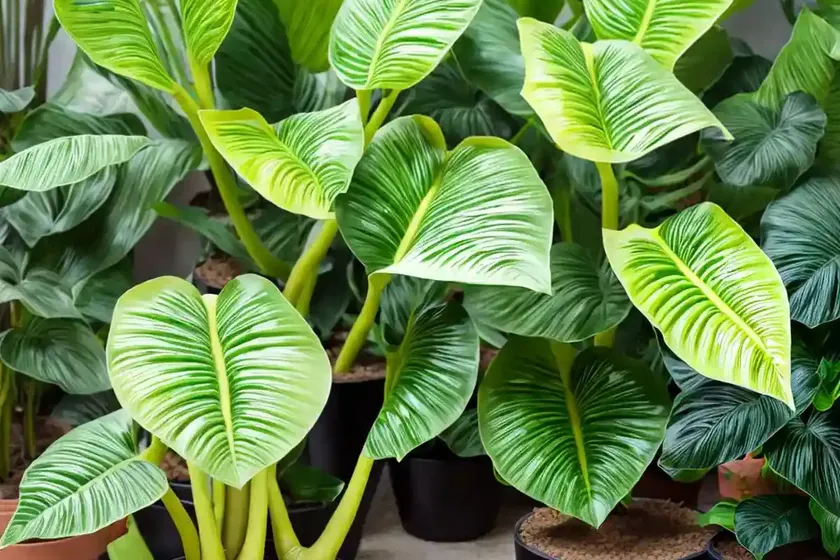
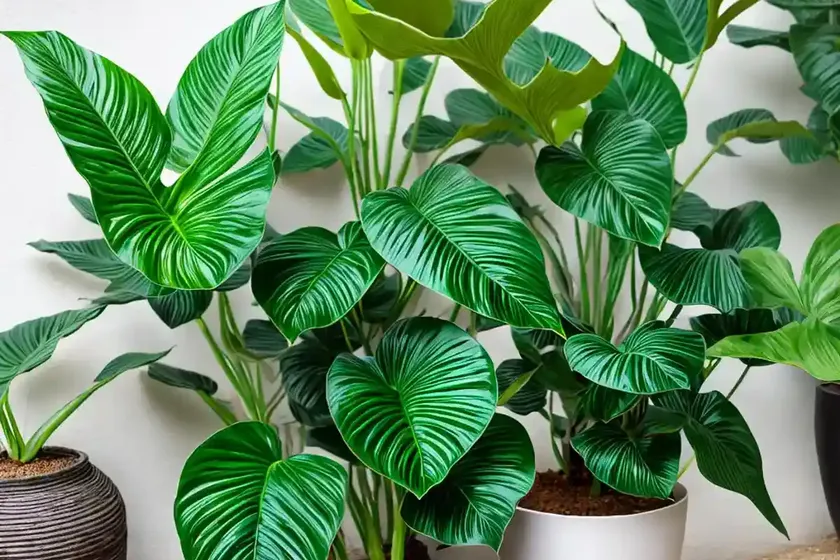
Plants play a crucial role in our environment and add natural beauty to our surroundings. Among the vast array of plants, the Kris plant, scientifically known as Alocasia sanderiana, stands out as an impressive and popular choice for many plant enthusiasts. This comprehensive guide will provide you with a deep understanding of this exotic plant species, covering its characteristics, care requirements, uses, propagation methods, and much more.
What is a Plant?
Before delving into the specifics of the Kris plant, it’s essential to understand the fundamental aspects of plants.
Plants are multicellular organisms belonging to the Plantae kingdom and are unique in their ability to perform photosynthesis, a process that converts light energy into chemical energy stored in the form of glucose. This process is crucial for the survival of plants as well as for providing oxygen that supports various life forms on Earth.
Plants exhibit a remarkable diversity in terms of their structures, growth habits, and reproductive strategies. They are vital components of ecosystems, serving as primary producers and providing crucial habitats for numerous organisms. From towering trees to delicate flowers, the world of plants offers an incredible array of forms and functions.
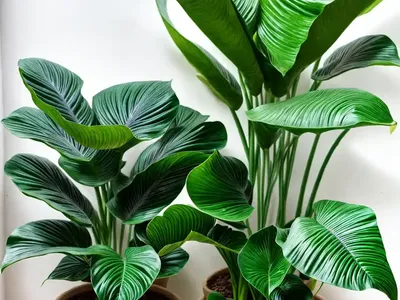
One such fascinating plant is the Kris plant or Alocasia sanderiana, renowned for its striking foliage and unique characteristics that set it apart from other houseplants. Let’s explore the captivating world of the Kris plant in detail.
Kris Plant (Alocasia sanderiana)
Key Takeaways
To better understand and appreciate the Kris plant, it’s important to explore its key characteristics and takeaways. Here are essential points to keep in mind about Alocasia sanderiana:
- Alocasia sanderiana, commonly known as the Kris plant or Elephant Ear plant, is a tropical species noted for its large, distinctively shaped leaves and ornamental appeal.
- This species is native to the Philippines, where it thrives in warm and humid environments.
- Alocasia sanderiana is popular as an indoor plant, adding a touch of exotic elegance to interior spaces.
- The plant requires specific care related to its water, sunlight, soil, and humidity needs to thrive and display its characteristic lush foliage.
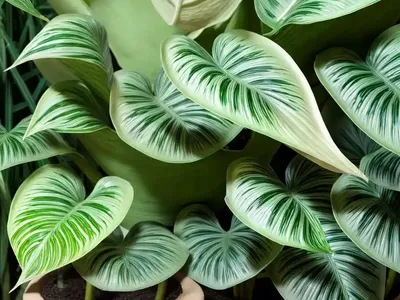
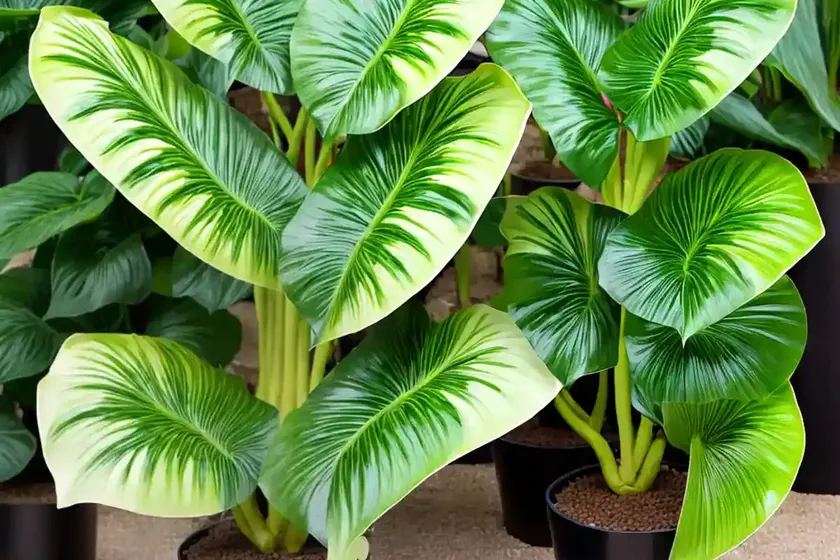
- Unique patterns and colors on its leaves make it a visually striking and sought-after plant for ornamental purposes.
Now that we have an overview of Alocasia sanderiana, let’s dive deeper into each aspect of its care and characteristics, providing valuable insights for plant enthusiasts and gardeners.
Culture
Uses
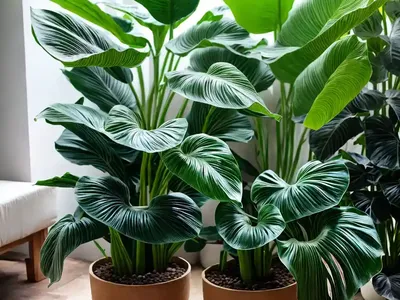
The Kris plant, Alocasia sanderiana, is primarily valued for its ornamental and decorative purposes, adding a tropical and exotic ambiance to indoor spaces. Its large, glossy leaves and unique leaf patterns make it a compelling choice for interior design and plant enthusiasts.
The plant’s striking foliage lends itself well to various uses, including:
- Interior Decoration: Alocasia sanderiana is a popular choice for indoor spaces such as homes, offices, and public areas due to its decorative appeal and architectural presence.
- Landscaping: In tropical and subtropical regions, Alocasia sanderiana is often used as an eye-catching element in landscape design, contributing to lush and vibrant outdoor settings.
- Special Occasions: The plant’s impressive foliage makes it a desirable option for events and special occasions, where its ornamental qualities can enhance visual displays and arrangements.
Water
Proper watering is essential for the health and vitality of Alocasia sanderiana. The plant has specific water requirements that must be met to ensure its well-being.
Watering Guidelines:
- Water the plant thoroughly, allowing excess water to drain from the pot’s bottom. It’s important to ensure proper drainage to prevent waterlogging, which can lead to root rot.
- Alocasia sanderiana prefers consistently moist but not waterlogged soil. Allow the soil to dry slightly between waterings to maintain optimal moisture levels.
- Adjust the frequency of watering based on environmental conditions and the plant’s growth stage. During the growing season, typically spring and summer, the plant may require more frequent watering compared to the dormant period in fall and winter.
Sunlight
Appropriate sunlight exposure is vital for the growth and development of Alocasia sanderiana. Understanding the plant’s sunlight requirements is crucial for ensuring its well-being.
Sunlight Preferences:
- Alocasia sanderiana thrives in bright, indirect light. Direct sunlight exposure can scorch its leaves, leading to unsightly damage.
- Position the plant in a location where it receives filtered or dappled sunlight, such as near a north or east-facing window. This provides the ideal balance of light for healthy growth without risking leaf burn.
- In regions with intense sunlight, consider providing additional shading for the plant to protect it from excessive light exposure.
Fertilizer
Nutrient supplementation through fertilization is important for promoting robust growth and vibrant foliage in Alocasia sanderiana. Selecting the right type of fertilizer and applying it judiciously are key considerations for the plant’s overall health.
Fertilization Tips:
- Use a balanced, water-soluble fertilizer formulated for tropical foliage plants, applying it at half the recommended strength to prevent over-fertilization.
- During the growing season, which typically corresponds to spring and summer, feed the plant every 2-4 weeks to provide essential nutrients for vigorous growth.
- In the dormant period, reduce the frequency of fertilization, offering a diluted dose every 6-8 weeks to support the plant’s reduced metabolic activity.
Soil
The choice of soil directly impacts the health and vitality of Alocasia sanderiana. Providing the right soil composition is crucial for promoting optimal growth and ensuring the plant’s well-being.
Soil Requirements:
- A well-draining, peat-based potting mix is ideal for Alocasia sanderiana. The soil should offer good aeration and moisture retention while preventing waterlogging.
- Consider adding perlite or coarse sand to the potting mix to improve drainage and prevent compaction, creating a favorable growing medium for the plant’s roots.
- Regularly check the soil’s moisture levels to prevent waterlogging, which can lead to root rot and other complications.
Pruning
Pruning plays a role in maintaining the health and appearance of Alocasia sanderiana. Proper pruning techniques can help manage the plant’s growth and address issues such as damaged or discolored foliage.
Pruning Guidelines:
- Remove yellowed or damaged leaves promptly to prevent the spread of diseases and maintain the plant’s visual appeal.
- Use clean, sharp pruning shears to make precise cuts, minimizing the risk of injuring the plant or introducing pathogens.
- Regularly inspect the plant for signs of overgrowth or overcrowding, and trim back excessive foliage to promote healthy air circulation and light penetration within the plant.
Propagation
The propagation of Alocasia sanderiana offers an opportunity to expand your plant collection and share the beauty of this species with others. Understanding effective propagation methods is essential for successful reproduction of the Kris plant.
Propagation Techniques:
- Division: One of the most common methods for propagating Alocasia sanderiana is through division, which involves separating the plant’s rhizomes or offsets to create new individual plants. Ensure that each divided section has healthy roots and shoots for successful establishment.
- Stem Cuttings: Propagating the plant through stem cuttings is possible, but it requires careful handling and attention to environmental conditions such as humidity and moisture levels to support root development.
- Offsets: Alocasia sanderiana may produce offsets or pups around the base of the parent plant. These offsets can be carefully detached and potted to initiate independent growth, providing a straightforward propagation option.
Container
Selecting an appropriate container for Alocasia sanderiana is an important consideration, as it directly influences the plant’s growth and well-being. The right container provides sufficient space for root development and offers proper drainage to prevent waterlogging.
Container Considerations:
- Choose a pot with drainage holes to ensure excess water can escape, reducing the risk of waterlogging and associated root problems.
- Select a container that comfortably accommodates the plant’s root system, allowing room for growth without being excessively large, which can lead to overwatering.
- Consider the aesthetic appeal of the container, opting for styles and materials that complement the plant’s foliage and overall appearance.
Popularity
Alocasia sanderiana has gained significant popularity among plant enthusiasts and decorators due to its distinctive foliage and ornamental value. The plant’s striking presence and elegant appearance contribute to its widespread appeal.
Factors Contributing to Popularity:
- Architectural Foliage: The large, intricately patterned leaves of Alocasia sanderiana make it a visually captivating addition to interior spaces and gardens, attracting attention and admiration.
- Exotic Appeal: The plant’s tropical origins and unique leaf shapes evoke a sense of exotic allure, appealing to individuals seeking plants with distinctive and captivating features.
- Versatile Use: Alocasia sanderiana’s versatility in indoor and outdoor settings, as well as its potential for creative display and arrangement, have contributed to its popularity in a variety of contexts.
Common Diseases
Alocasia sanderiana, like many other plant species, is susceptible to certain diseases that can impact its health and appearance. Understanding these potential issues and their management is essential for maintaining the plant’s well-being.
Disease Diagnosis:
- Leaf Spot Diseases: Fungal diseases such as Anthracnose and Xanthomonas leaf spot can affect Alocasia sanderiana, leading to the development of small, dark spots or lesions on the leaves. These diseases are often exacerbated by high humidity and poor air circulation.
- Root Rot: Overwatering and waterlogging can contribute to the development of root rot, a condition that affects the plant’s roots, leading to wilting, yellowing, and eventual collapse of the foliage.
- Bacterial Blight: Bacterial blight can cause dark, water-soaked lesions on the plant’s leaves, often spreading rapidly in warm and humid conditions. Proper sanitation and environmental management are crucial for preventing bacterial blight.
Common Pests
In addition to diseases, Alocasia sanderiana may also face challenges from various pests that can impact its growth and overall health. Identifying and addressing these pests is essential for preserving the plant’s vitality.
Pest Management:
- Spider Mites: These tiny arachnids can infest the undersides of Alocasia sanderiana’s leaves, causing stippling and webbing that can weaken the plant and compromise its health.
- Mealybugs: Mealybugs are small, soft-bodied insects that feed on the plant’s sap, often congregating in protected areas such as leaf axils and growing tips. Their presence can lead to stunted growth and leaf distortion.
- Scale Insects: Scale insects can appear as small, immobile bumps on the plant’s stems and leaves, feeding on plant sap and potentially causing yellowing and weakening of the foliage.
Botanist’s Tips
Drawing on the expertise of botanists and plant professionals can provide valuable insights into the care and appreciation of Alocasia sanderiana. Here are some tips from botanists to help you cultivate and enjoy the Kris plant to its fullest potential:
- Environmental Considerations: Pay close attention to the plant’s environmental requirements, including humidity levels, air circulation, and temperature, to create an optimal growing environment.
- Careful Watering: Monitor the plant’s moisture needs, adjusting your watering practices based on seasonal changes and the plant’s growth status to prevent water-related issues.
- Regular Maintenance: Engage in routine maintenance activities such as cleaning the plant’s leaves, inspecting for pests and diseases, and providing necessary support, to promote its overall health.
Fun Facts
Exploring the fascinating world of Alocasia sanderiana reveals a range of interesting and captivating details about this unique plant species. Here are some fun facts to enhance your understanding and appreciation of the Kris plant:
- Alocasia sanderiana is also known as the Jewel Alocasia due to the ornate, jewel-like appearance of its leaves.
- The plant’s native habitat in the Philippines offers insights into its ecological preferences and natural growth conditions.
- Alocasia sanderiana is a member of the Araceae family, which includes numerous other striking and diverse plant species.
Links to External Resources
To further expand your knowledge and understanding of Alocasia sanderiana, explore the following external resources for valuable information and insights:
- Royal Horticultural Society – Alocasia
- University of Florida IFAS Extension – Alocasia Planting and Care Guide
- Missouri Botanical Garden – Alocasia sanderiana Overview
In conclusion, Alocasia sanderiana, commonly known as the Kris plant or Elephant Ear plant, represents a captivating and sought-after addition to the world of ornamental houseplants. Its unique characteristics, striking foliage, and specific care requirements make it an intriguing species for plant enthusiasts and decorators alike. By understanding and implementing the recommended care practices, you can enjoy the beauty and elegance of the Kris plant while fostering its health and vitality.
Whether displayed as a centerpiece in an indoor garden or used to create a tropical ambiance in your living space, Alocasia sanderiana offers a distinctive and visually appealing presence that adds natural beauty to any setting. With proper care and attention to its specific needs, this remarkable plant can thrive and delight those who appreciate its exotic charm.
As an astute plant scientist, I have carefully curated this in-depth guide to offer a comprehensive understanding of Alocasia sanderiana, encompassing its care requirements, characteristics, and cultural significance. By incorporating essential insights, practical tips, and intriguing details about this captivating plant species, I aim to provide valuable knowledge that inspires and empowers plant enthusiasts to cultivate and enjoy the remarkable beauty of the Kris plant.