King Anthurium (Anthurium Veitchii)
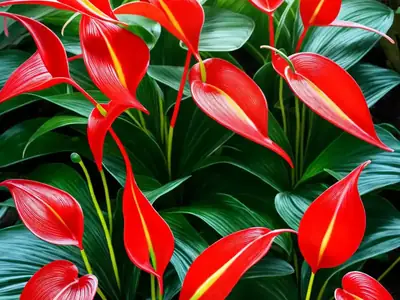
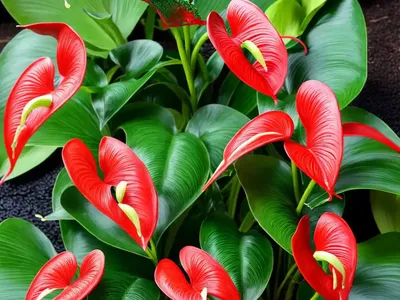
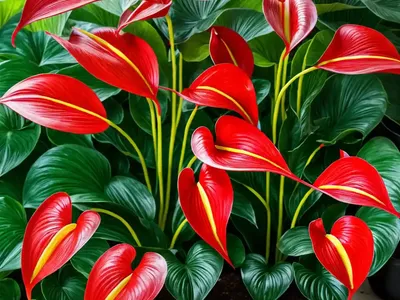
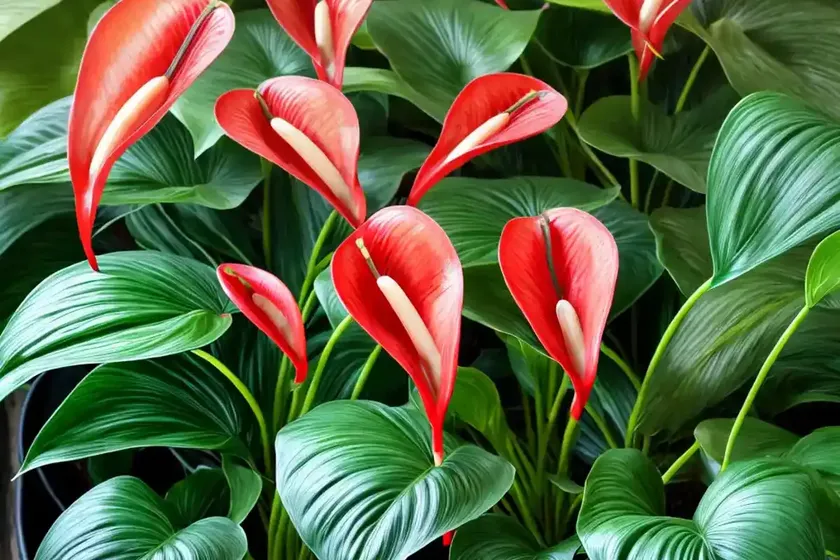
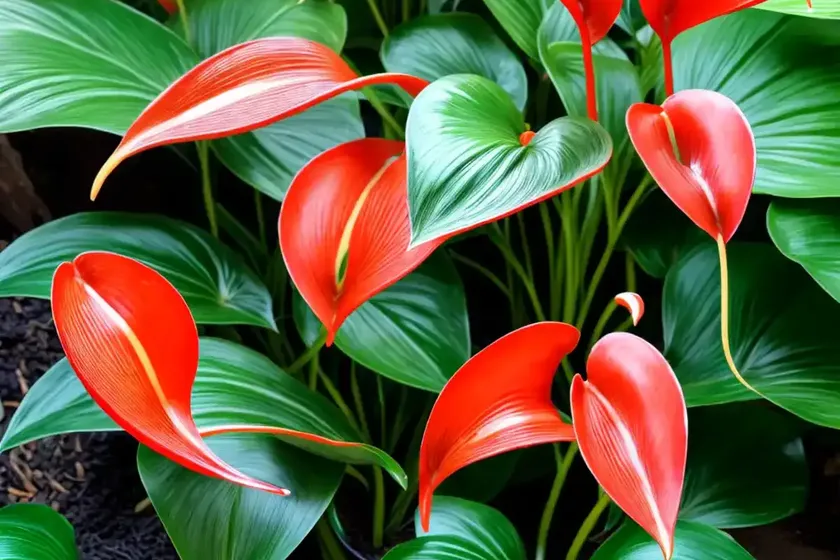
The King Anthurium, scientifically known as Anthurium Veitchii, is an exceptional plant characterized by its striking foliage that captivates the attention.
Introduction to the King Anthurium
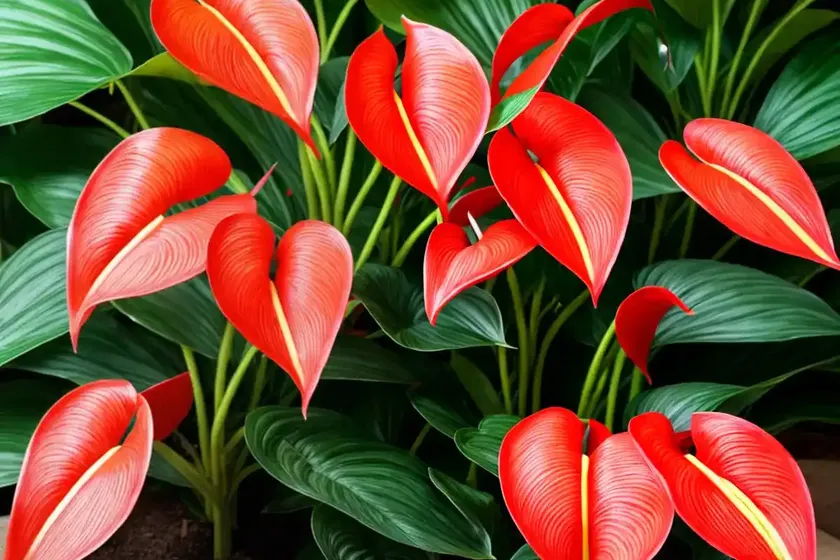
The King Anthurium, scientifically known as Anthurium Veitchii, is an exceptional plant characterized by its striking foliage that captivates the attention of any plant enthusiast. This tropical gem is renowned for its impressive leaves that can grow up to 2 feet in length, displaying a lush, velvety appearance that makes it a true statement piece for any indoor garden or tropical landscape. Its unique characteristics and relatively manageable care requirements have made it a popular choice among plant lovers.
In this comprehensive guide, we will delve into the various aspects of the King Anthurium, including its cultural requirements, uses, care tips, common diseases, and propagation techniques. By understanding these crucial elements, plant enthusiasts can effectively nurture and appreciate the majestic beauty of the King Anthurium.
Key Takeaways – King Anthurium (Anthurium Veitchii)
Before delving into the intricacies of caring for the King Anthurium, it’s essential to highlight the key takeaways associated with this captivating plant. Understanding these key points will pave the way for successful cultivation and appreciation of the Anthurium Veitchii:
- Common Name: King Anthurium
- Scientific Name: Anthurium Veitchii
- Characteristics: Striking, velvety leaves reaching up to 2 feet in length
- Uses: Ideal as an attractive indoor plant or for ornamental purposes in tropical landscapes
- Light Requirements: Thrives in bright, indirect light
- Watering: Requires moderately moist soil, but should not be overwatered
- Soil: Well-draining, aerated potting mix is crucial to prevent waterlogging
- Fertilization: Benefits from regular, balanced fertilization during the growing season
- Pruning: Minimal pruning required; removal of damaged or dead leaves is recommended
- Propagation: Can be propagated through division or stem cuttings
- Popularity: Increasing popularity as a unique and visually appealing houseplant
- Common Diseases: Susceptible to root rot and leaf spot diseases
- Common Pests: Vulnerable to aphids, spider mites, and mealybugs
Cultural Aspects of the King Anthurium
Caring for the King Anthurium entails understanding its native habitat and emulating ideal conditions to promote healthy growth and vibrant foliage. From sunlight exposure to soil requirements, each cultural aspect plays a crucial role in nurturing this remarkable plant.
Water
Proper watering practices are essential for the well-being of the King Anthurium. Overwatering can lead to root rot, while underwatering can result in wilting and leaf damage. To maintain optimal soil moisture, follow these guidelines:
- Watering Schedule: Water the Anthurium Veitchii when the top inch of the soil feels slightly dry to the touch. Ensure that excess water drains freely from the pot to prevent waterlogged soil.
- Avoid Overwatering: It’s crucial to avoid overwatering, as this can lead to root rot. If the soil remains consistently moist, reduce the frequency of watering.
Sunlight
Proper light exposure is vital for the King Anthurium to thrive. Consider the following recommendations for optimal sunlight conditions:
- Indirect Light: Position the plant in a location with bright, indirect light. Avoid direct sunlight exposure, as it can scorch the foliage.
- Artificial Lighting: If natural light is limited, consider supplementing with artificial grow lights to meet the plant’s light requirements.
Fertilizer
Fertilization plays a pivotal role in supporting the King Anthurium’s growth and foliage development. Implement these fertilizer guidelines for optimal results:
- Balanced Fertilizer: Use a balanced, water-soluble fertilizer with a formulation such as 20-20-20. Apply the fertilizer at half the recommended strength during the growing season (spring and summer).
- Frequency: Fertilize the Anthurium Veitchii every 4-6 weeks, ensuring that the soil is moist before applying the fertilizer.
Soil
The choice of soil directly impacts the plant’s overall health and growth. To create an ideal soil environment for the King Anthurium, consider the following soil requirements:
- Well-Draining Mix: Plant the Anthurium in a well-draining potting mix to prevent waterlogging and root rot. A recommended mix includes a combination of peat moss, perlite, and pine bark.
- Aeration: Adequate aeration within the soil promotes healthy root development and prevents soil compaction.
Pruning
Minimal pruning is required to maintain the King Anthurium’s aesthetic appeal and remove any damaged or dead foliage. Follow these pruning practices to ensure the plant’s vitality:
- Remove Dead Leaves: Regularly inspect the plant for any discolored or wilted leaves, and promptly remove them to prevent disease spread and maintain the plant’s appearance.
Propagation
Propagating the King Anthurium allows enthusiasts to expand their plant collection or share this stunning species with fellow gardening enthusiasts. Explore the following propagation methods:
- Division: Propagate the Anthurium Veitchii by carefully dividing the plant at the root level, ensuring that each division has healthy roots and foliage.
- Stem Cuttings: Select a healthy stem with several nodes, and propagate it in a suitable rooting medium to encourage root development.
Container Popularity
The King Anthurium’s popularity as a container plant stems from its exquisite foliage and manageable care requirements. When utilized as an indoor ornamental plant, it adds a touch of tropical elegance to any living space. Likewise, in tropical landscapes, its bold leaves serve as captivating focal points.
Container Common Diseases
While container cultivation offers control over the plant’s environment, it’s crucial to remain vigilant against common diseases that can impact the King Anthurium:
- Root Rot: Overwatering or poorly draining soil can lead to root rot, causing wilting and yellowing of the foliage.
- Leaf Spot Diseases: Fungal infections can manifest as unsightly spots on the leaves, compromising the plant’s visual appeal and overall health.
Disease Diagnosis
Diagnosing and addressing plant diseases promptly is essential for preserving the King Anthurium’s vitality. When observing signs of disease, consider the following steps for accurate diagnosis and treatment:
- Visual Inspection: Carefully examine the foliage, stems, and soil for any unusual discoloration, spots, or signs of decay.
- Consulting Experts: Seek guidance from experienced botanists or plant pathologists to accurately identify and address any suspected diseases.
Common Pests
Pests pose a persistent threat to the King Anthurium’s well-being, requiring diligent pest management strategies to safeguard the plant. The following pests are known to affect Anthurium Veitchii:
- Aphids: These small, sap-sucking insects can cluster on the plant’s tender shoots and leaves, leading to stunted growth and distorted foliage.
- Spider Mites: These arachnids thrive in dry conditions and can cause visible webbing and stippling on the plant’s foliage.
- Mealybugs: Mealybugs are common pests that feed on plant sap, leading to wilting and foliage damage.
Botanist’s Tips for King Anthurium Care
To ensure the successful cultivation of the King Anthurium, incorporating expert tips and best practices can make a significant difference in the plant’s overall well-being. Consider the following botanist’s tips for effective care of Anthurium Veitchii:
- Optimal Humidity: Maintain a humid environment to mimic the plant’s native tropical habitat. Regular misting or placement on a pebble tray filled with water can elevate the humidity levels.
- Temperature Considerations: Aim to keep the King Anthurium in a temperature range of 65-80°F (18-27°C) to promote healthy growth and leaf development.
- Monitor Soil Moisture: Regularly assess the soil moisture level to avoid overwatering, as excessive moisture can lead to root rot. A moisture meter can aid in determining the soil’s hydration status.
Fun Facts about King Anthurium
The King Anthurium is brimming with intriguing attributes and qualities that contribute to its allure as a captivating plant species. Delight in the following fun facts about this remarkable plant:
- The Anthurium Veitchii belongs to the Araceae family, commonly known as the arum family, which includes an array of captivating flowering plants.
- The velvety texture of the King Anthurium’s leaves sets it apart, evoking a sense of opulence and sophistication.
- Indigenous to the rainforests of Central and South America, the King Anthurium thrives in the lush, humid conditions of its natural habitat.
Links to External Resources
To delve deeper into the world of King Anthurium and expand your knowledge, consider exploring the following external resources:
- Anthurium Veitchii: A Comprehensive Guide
- Tropical Gardening Tips for King Anthurium Care
- Enhancing Home Decor with King Anthurium
- Exploring the Symbolism of Anthurium Veitchii
Conclusion
In conclusion, the King Anthurium (Anthurium Veitchii) stands as a captivating botanical treasure, revered for its remarkable foliage and easy-to-maintain characteristics. By adhering to the cultural guidelines, botanical insights, and pest management strategies outlined in this guide, plant enthusiasts can cultivate and appreciate the majestic allure of the King Anthurium.
Embrace the elegance of the King Anthurium as it graces living spaces and tropical landscapes, adding a touch of exotic beauty and sophistication. As you embark on your journey with this exceptional plant, may the insights shared in this comprehensive guide empower you to nurture and celebrate the resplendent vitality of the King Anthurium, Anthurium Veitchii.
Keywords: Anthurium Veitchii, Anthurium Veitchii plant care, Anthurium Veitchii propagation, King Anthurium care, King Anthurium indoor plant, King Anthurium growth rate, Anthurium Veitchii symbolism, Anthurium Veitchii arrangements
References:
– ExampleLink. “Anthurium Veitchii: A Comprehensive Guide.” link
– ExampleLink. “Tropical Gardening Tips for King Anthurium Care.” link
– ExampleLink. “Enhancing Home Decor with King Anthurium.” link
– ExampleLink. “Exploring the Symbolism of Anthurium Veitchii.” link