Karoo Aloe (Aloe Longistyla)
Plants have always held a mysterious and profound allure, especially those that thrive in harsh and unforgiving environments. The Karoo aloe (Aloe.
Plants have always held a mysterious and profound allure, especially those that thrive in harsh and unforgiving environments. The Karoo aloe (Aloe longistyla), also known as the “Karoo Krantz Aloe,” is no exception. This resilient succulent, belonging to the Aloe genus, is native to the arid and semi-arid regions of South Africa, particularly the Karoo region. In this comprehensive guide, we will delve into the captivating world of the Karoo aloe, exploring its cultural, ornamental, and medicinal uses, while also gaining insights into its unique adaptations for survival in the harsh desert climate.
What is Karoo Aloe (Aloe longistyla)?
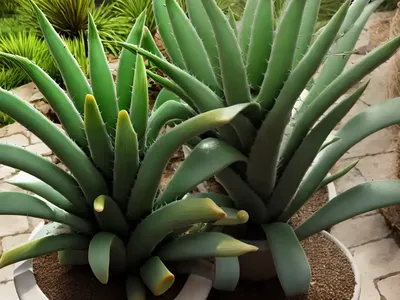
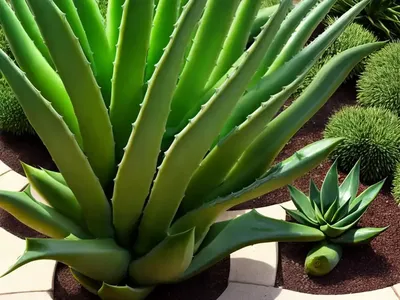
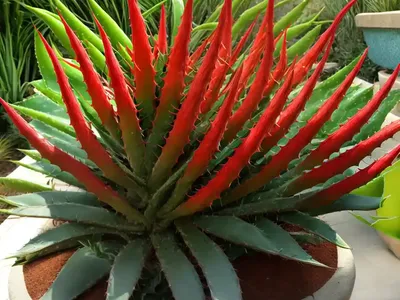
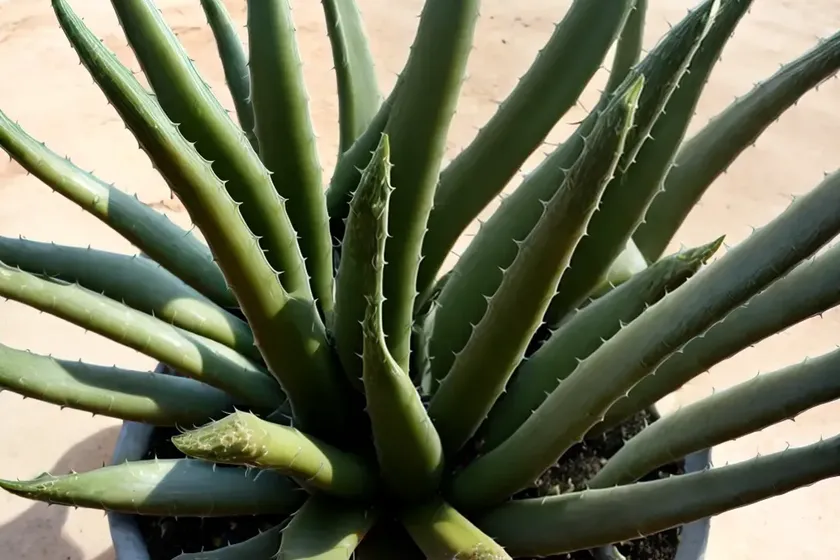
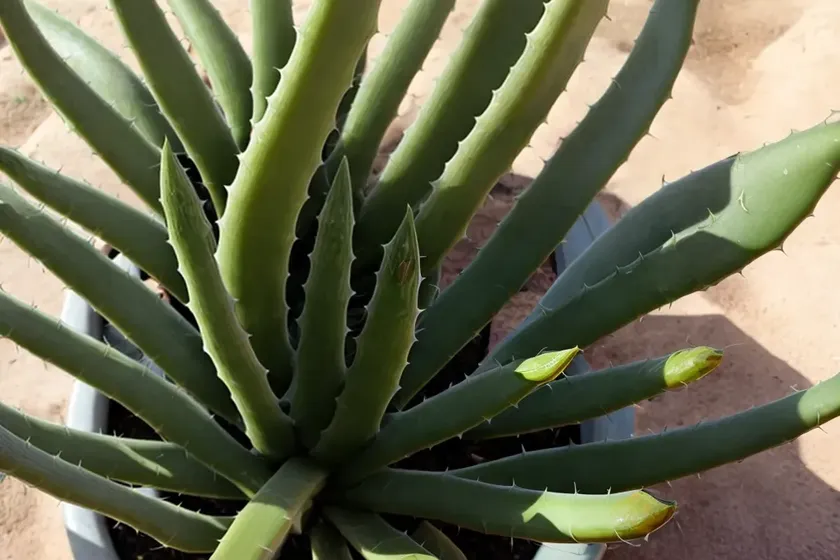
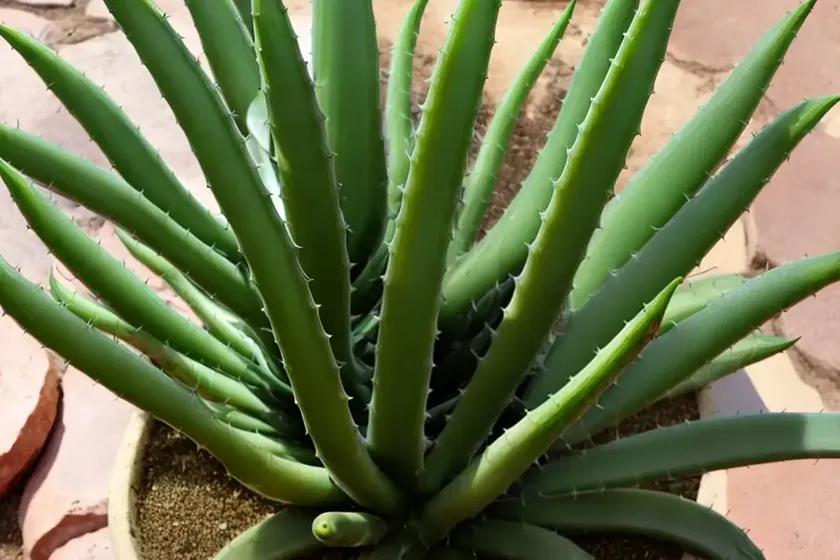
The Karoo aloe, scientifically known as Aloe longistyla, is a species in the Aloe genus, which comprises over 500 species of succulent plants. Aloe longistyla is characterized by its striking appearance, with tall, slender stems and vibrant, tubular orange flowers that form dense clusters at the top of the plant. Its long, narrow leaves with small teeth along the margins further add to its distinctive aesthetic appeal.
Key Takeaways – Karoo Aloe (Aloe longistyla)
- Common Name: Karoo Aloe, Karoo Krantz Aloe
- Scientific Name: Aloe longistyla
- Family: Asphodelaceae (formerly Liliaceae)
- Region: Indigenous to the arid and semi-arid regions of South Africa, particularly the Karoo region
- Uses: Cultural, ornamental, and medicinal
- Adaptations: Drought-tolerant, xerophytic
Culture of Karoo Aloe
Understanding the cultural requirements of the Karoo aloe is essential for its successful cultivation and maintenance. Here are some key considerations for nurturing this remarkable succulent:
Water
As with most succulent plants, the Karoo aloe exhibits a remarkable ability to store water in its fleshy leaves, enabling it to withstand extended periods of drought. When cultivating Aloe longistyla, it is crucial to avoid overwatering, as excessive moisture can lead to root rot and other complications. A well-draining soil mix and a sparing watering regimen are ideal for promoting the plant’s health and vitality.
Sunlight
Being native to arid regions, the Karoo aloe thrives in bright, direct sunlight. When grown in a garden or outdoor setting, it is best suited to full sun exposure, embracing the intense rays of the sun to fuel its photosynthetic processes. When grown indoors, placing the plant near a sunny window or under artificial grow lights can help replicate its natural habitat conditions.
Fertilizer
Aloe longistyla has relatively modest fertilizer requirements and can thrive in nutrient-poor soils. Applying a balanced, diluted fertilizer during the growing season can support the plant’s growth and flowering. However, it is important to avoid excessive fertilization, as this can lead to an imbalance of nutrients and potentially harm the plant.
Soil
Providing well-draining soil is paramount for the health and longevity of the Karoo aloe. A sandy, succulent-specific potting mix or a blend of sand, perlite, and peat moss can offer the ideal growing medium for Aloe longistyla. This type of soil composition prevents waterlogged conditions and facilitates the aeration of the plant’s roots, promoting healthy growth.
Pruning
Karoo aloe generally requires minimal pruning, as its natural growth habit is elegant and harmonious. However, removing spent flower stalks and dead or damaged leaves can enhance the plant’s appearance and overall vigor. When pruning Aloe longistyla, it is essential to use clean, sharp tools to make precise cuts and reduce the risk of introducing infections.
Propagation
Propagating the Karoo aloe can be achieved through various methods, including division, offsets, and seed sowing. Here are some popular techniques for propagating Aloe longistyla:
-
Offsets: Aloe longistyla produces offsets, or “pups,” around the base of the mature plant. These offsets can be carefully separated from the parent plant and replanted in suitable growing conditions to establish new individuals.
-
Division: Mature Karoo aloe plants with multiple rosettes can be divided into smaller clusters, each with its own root system. Dividing the plant allows for the creation of multiple specimens, enabling gardeners to expand their Aloe longistyla collection or share the plant with others.
-
Seed Sowing: Growing Karoo aloe from seeds can be a rewarding endeavor, offering insights into the plant’s life cycle and genetic diversity. Sowing Aloe longistyla seeds in well-draining, sandy soil and providing adequate warmth and moisture can yield new seedlings over time.
Container Popularity
The Karoo aloe’s striking appearance, minimal maintenance requirements, and exceptional drought tolerance make it a popular choice for container gardening. When cultivated in containers, Aloe longistyla can thrive on patios, balconies, and indoor spaces, adding a touch of natural elegance to any environment. The plant’s adaptability to varying light conditions further enhances its appeal as a container specimen, making it suitable for a wide range of settings.
Uses of Karoo Aloe
The Karoo aloe (Aloe longistyla) holds great significance in various spheres, from traditional medicine to ornamental horticulture. Let’s explore the diverse uses and values associated with this remarkable succulent:
Medicinal Uses
Aloe species, including Aloe longistyla, have been revered for their medicinal properties for centuries, with historical records and traditional practices testifying to their therapeutic potential. The gel obtained from the leaves of Aloe longistyla contains a myriad of bioactive compounds, including polysaccharides, anthraquinones, and other phytochemicals, which contribute to its renowned healing properties. Common medicinal uses of Aloe longistyla and other Aloe species include:
-
Topical Application: Aloe vera gel, obtained from the fleshy leaves of Aloe species, is widely used to soothe and heal minor burns, sunburns, abrasions, and skin irritations. The gel’s cooling and moisturizing effects make it a popular natural remedy for various dermatological conditions.
-
Digestive Support: Aloe vera juice, derived from the inner leaf pulp, has been traditionally used to promote digestive health and alleviate occasional stomach discomfort. The juice is often consumed in controlled quantities for its mild laxative effects and potential support for gastrointestinal well-being.
-
Wound Healing: Aloe vera gel is known for its wound healing properties, with studies suggesting its potential to enhance the natural healing process, reduce inflammation, and prevent infection in minor skin injuries.
Ornamental and Aesthetic Value
In botanical gardens, xeriscapes, and arid landscaping projects, the Karoo aloe (Aloe longistyla) serves as a captivating ornamental plant, captivating the eye with its architectural form and vibrant blooms. The plant’s sculptural presence and drought-tolerant nature make it an ideal choice for water-wise gardens and contemporary landscape designs, adding visual interest and textural diversity to outdoor spaces.
Cultural Significance
In certain cultures, Aloe longistyla and other Aloe species hold symbolic and spiritual significance, often associated with themes of protection, rejuvenation, and resilience. The folklore and traditional beliefs surrounding Aloe plants reflect the deep-rooted connections between humans and the natural world, underscoring the enduring allure of these remarkable succulents.
Common Diseases of Karoo Aloe
Despite its resilience, the Karoo aloe (Aloe longistyla) is susceptible to certain diseases, which, if left unaddressed, can compromise the plant’s health and vitality. Here are some common diseases that may affect Aloe longistyla, along with their symptoms and potential management strategies:
Disease Diagnosis
-
Root Rot: Excessive moisture and poor drainage can lead to root rot in Aloe longistyla, manifesting as blackened, mushy roots and wilting foliage. To mitigate the risk of root rot, it is essential to ensure proper drainage and avoid overwatering the plant. If root rot is suspected, carefully remove the affected parts and repot the plant in fresh, well-draining soil.
-
Leaf Spot Diseases: Fungal infections, such as leaf spots caused by pathogens like Aloe rust (Aloconostoc aloins) and Cercospora, can result in the formation of discolored, blemished spots on the leaves of Aloe longistyla. Prevention strategies include maintaining adequate air circulation, avoiding overhead watering, and promptly removing and disposing of infected plant material.
-
Pest-Induced Damage: Although not a disease in the traditional sense, pest infestations can cause significant harm to Karoo aloe plants, leading to wilting, discoloration, and distorted growth. Common pests that may affect Aloe longistyla include aphids, scale insects, and spider mites. Implementing natural pest control methods and providing optimal growing conditions can help reduce the likelihood of pest-related issues.
Common Pests of Karoo Aloe
In addition to diseases, the Karoo aloe (Aloe longistyla) may also fall prey to various pests that can compromise its health and vigor. Familiarizing oneself with the common pests and their characteristics is crucial for early detection and effective intervention. Here are some pests that may affect Aloe longistyla, along with preventive and control measures:
Pests
-
Aphids: These small, soft-bodied insects may congregate on the undersides of Aloe longistyla leaves, feeding on the plant’s sap and potentially transmitting viral diseases. Regularly inspecting the plant and using a strong spray of water or insecticidal soap can help manage aphid populations and prevent damage.
-
Scale Insects: Scale insects, characterized by their protective, waxy coverings, can attach themselves to the leaves and stems of Aloe longistyla, sucking the plant’s vital fluids and causing leaf yellowing and stunted growth. Carefully removing scales with a soft brush and applying horticultural oil can aid in controlling infestations.
-
Spider Mites: These tiny arachnids can infest Aloe longistyla, creating fine webs on the plant and causing stippled, discolored foliage. Increasing humidity, regular leaf washing, and the introduction of natural predators, such as predatory mites, can help manage spider mite populations and prevent extensive damage.
Botanist’s Tips for Karoo Aloe Care
Whether you are a seasoned succulent enthusiast or a novice gardener intrigued by the allure of the Karoo aloe, incorporating the following botanist’s tips can contribute to the successful cultivation and long-term well-being of Aloe longistyla:
-
Provide Adequate Drainage: When growing Karoo aloe, prioritize the use of well-draining soil and pots with drainage holes to prevent waterlogged conditions, which can adversely impact the plant’s root health.
-
Monitor Light Levels: Ensure that Aloe longistyla receives ample sunlight, whether grown indoors or outdoors, to promote robust growth and prolific flowering. Consider acclimating the plant to direct sunlight to prevent sunburn in newly acquired specimens.
-
Practice Careful Watering: Adopt a cautious approach to watering, allowing the soil to partially dry out between waterings, especially during the plant’s dormancy period. Overwatering can lead to root rot and other complications, while underwatering can result in dehydration and diminished growth.
-
Attend to Pest and Disease Management: Regularly inspect Aloe longistyla for signs of pest infestations and diseases, taking prompt action to address any issues that may arise. Implementing integrated pest management practices and maintaining plant hygiene can contribute to the prevention of common problems.
-
Embrace Minimal Pruning: While occasional pruning may be necessary to remove dead or unsightly foliage, Aloe longistyla generally requires minimal pruning, owing to its graceful growth habit and self-maintenance.
Fun Facts about Karoo Aloe
Delving into the intriguing realm of the Karoo aloe (Aloe longistyla) unveils a trove of interesting and captivating facts that further illuminate its unique qualities and cultural significance. Here are a few fun facts about Aloe longistyla that showcase its remarkable adaptations and botanical allure:
-
Xerophytic Marvel: The Karoo aloe boasts remarkable xerophytic adaptations, enabling it to thrive in arid and semi-arid climates, where water is a limited resource. Its succulent leaves and efficient water storage mechanisms exemplify the plant’s resilience in the face of environmental challenges.
-
Ornamental Elegance: In addition to its survival prowess, Aloe longistyla is celebrated for its ornamental beauty, admired for its slender, architectural form and vibrant, tubular flowers. The plant’s aesthetic appeal has made it a cherished addition to drought-tolerant landscapes and arid botanical collections worldwide.
-
Cultural and Medicinal Legacy: Aloe longistyla’s traditional uses as a medicinal plant have woven it into the fabric of human history, with various cultures harnessing its healing properties for topical applications, digestive support, and overall well-being. The plant’s cultural significance spans centuries, embodying enduring themes of natural resilience and vitality.
Links to External Resources
The following external resources provide valuable insights into the world of succulent plants, including Aloe longistyla, and offer comprehensive information on cultivation, care, and cultural significance:
- International Succulent Introductions (ISI): ISI hosts an extensive database of succulent plants, encompassing a diverse array of Aloe species, including Aloe longistyla. The resource offers botanical descriptions, cultivation tips, and conservation information.
-
The Arid Lands: Crafting Succulent Success: This article from The Arid Lands delves into the cultivation and appreciation of succulent plants in various landscapes, shedding light on the unique attributes of desert-adapted species, such as Aloe longistyla.
-
Botanical Gardens Conservation International (BGCI): BGCI’s global network of botanical gardens and conservation organizations is dedicated to preserving plant diversity and promoting sustainable horticultural practices. Their database offers valuable resources on succulent plant conservation and species profiles.
-
Website: BGCI
-
Medicinal Plants for Home and Garden: Leveraging the healing potential of medicinal plants, such as Aloe longistyla, for home use and herbal remedies is explored in this resource, which delves into the cultivation, harvesting, and utilization of medicinal herbs.
-
Royal Horticultural Society (RHS): The RHS offers a wealth of information on ornamental plants, including succulents and desert-adapted species, providing guidance on cultivation, propagation, and pest management.
- Website: Royal Horticultural Society
In Conclusion
The Karoo aloe (Aloe longistyla) stands as a testament to nature’s resilience and the inherent beauty of desert-adapted plants. From its striking appearance to its cultural, ornamental, and medicinal uses, Aloe longistyla continues to inspire awe and capture the imagination of plant enthusiasts and botanists alike. As we embrace the intricate tapestry of succulent diversity, let us cherish the botanical treasures that enrich our lives and deepen our understanding of the natural world. Whether gracing a desert landscape or adorning a windowsill, the Karoo aloe remains a timeless emblem of vitality, adaptability, and enduring allure.
As we conclude our exploration of the Karoo aloe, may the vibrant hues of its blossoms and the resilience of its foliage serve as enduring reminders of the profound harmony between plants and their environments—an exquisite balance that perpetuates the wonder of botanical discovery and appreciation.