Kale (Brassica Oleracea)
Kale, scientifically known as Brassica oleracea, is a leafy green vegetable belonging to the Brassicaceae family, which also includes cabbage, broccoli.
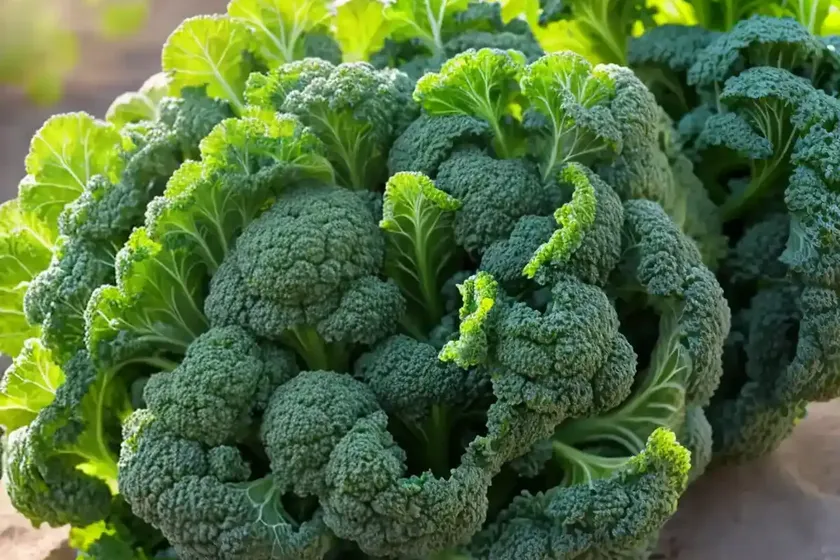
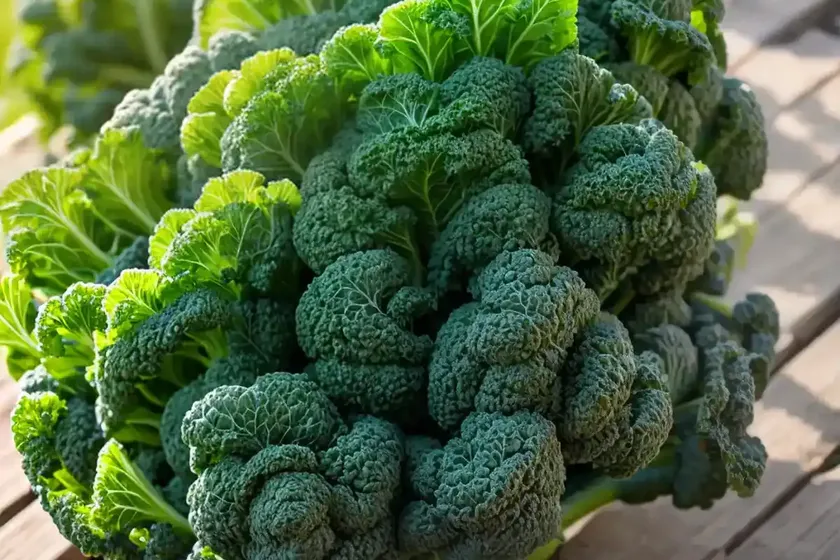
What is Plant Kale (Brassica oleracea)?
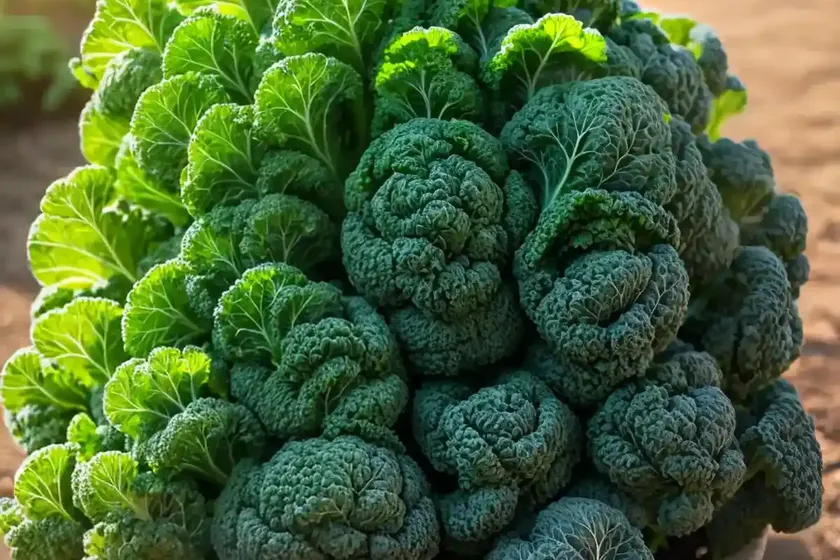
Kale, scientifically known as Brassica oleracea, is a leafy green vegetable belonging to the Brassicaceae family, which also includes cabbage, broccoli, and Brussels sprouts. It is celebrated for its high nutritional value and has gained popularity as a superfood due to its exceptional health benefits and versatility in cooking. Kale is an ancient vegetable with a rich history, dating back to ancient Rome, where it was cultivated and enjoyed for its various culinary and medicinal properties.
Kale comes in different forms, with variations in leaf color, texture, and taste. It is a highly adaptable plant, growing well in both cooler and warmer climates. This hardy green is well-loved by home gardeners and professional growers alike due to its low-maintenance nature and robust growth.
In this comprehensive guide, we will delve into the world of kale, exploring its cultivation, uses, health benefits, and interesting facts. Whether you are an enthusiastic gardener, a health-conscious consumer, or a culinary aficionado, this guide will provide valuable insights into the fascinating realm of kale.
Key Takeaways – Kale (Brassica oleracea)
- Scientific Name: Brassica oleracea
- Family: Brassicaceae
- Type: Leafy green vegetable
- Popular Varieties: Curly kale, Lacinato kale (also known as dinosaur kale), Red Russian kale, Redbor kale
- Nutritional Highlights: Rich in vitamins A, C, K, and folate; high in antioxidants and fiber
- Culinary Uses: Versatile in salads, smoothies, stir-fries, soups, and as crispy kale chips
- Health Benefits: Supports heart health, aids in digestion, boosts immune system, promotes bone and skin health
- Cultivation: Prefers well-drained, fertile soil; requires adequate sunlight and regular watering
- Challenges: Susceptible to certain pests and diseases; prone to bolting in hot weather
Let’s take a closer look at the various aspects of kale, from its cultivation to its culinary and health-related uses.
Culture
Uses
Kale has been valued for centuries for its diverse uses, ranging from culinary creations to medicinal remedies. Some of the key uses of kale include:
- Culinary Delights: Kale is a versatile ingredient in the kitchen, adding depth of flavor and a wealth of nutrients to a wide range of dishes. It can be used in salads, soups, stir-fries, smoothies, and as a crispy snack when baked into kale chips.
- Nutritional Powerhouse: Due to its rich nutritional profile, kale is incorporated into various health-focused diets, such as detox plans, weight management programs, and heart-healthy meal plans. Its high antioxidant content and numerous vitamins and minerals make it a valuable addition to one’s diet.
- Medicinal Properties: In traditional medicine, kale has been used to address a range of health concerns, including aiding digestion, supporting bone health, and boosting the immune system. Its anti-inflammatory properties have also been recognized in managing conditions such as arthritis and inflammatory disorders.
Water
Proper watering is essential for the successful cultivation of kale. While kale is relatively resilient and can withstand periods of drought, consistent moisture is crucial, especially during the early stages of growth and in hot weather.
- Seedling Stage: Ensure that the soil is kept consistently moist to facilitate germination and early growth.
- Established Plants: Water the plants deeply, providing around 1 to 1.5 inches of water per week, either through rain or manual watering. Consider using a drip irrigation system to deliver water directly to the soil around the plants, minimizing water waste and reducing the risk of foliar diseases.
Sunlight
Kale thrives in full sun to partial shade, although it fares best with ample sunlight exposure. When selecting a site for planting, aim for a location that receives at least 6 hours of sunlight per day.
- Optimal Sun Exposure: Place kale in a spot where it can soak up the sun’s rays for the majority of the day, ensuring sturdy growth and vibrant foliage. In areas with scorching summers, partial shade during the hottest part of the day can protect the plants from excessive heat stress.
Fertilizer
Providing the right nutrients is crucial for robust kale growth and the development of nutritious leaves. Here are some essential considerations for fertilizing kale:
- Initial Feeding: Before planting, enrich the soil with organic matter, such as compost or aged manure, to enhance its fertility and structure.
- Fertilization Schedule: Once the kale plants are established, introduce a balanced fertilizer with a formulation such as 10-10-10, applying it at a rate of 1 to 2 pounds per 100 square feet of planting area. Alternately, opt for a specialized fertilizer formulated for leafy greens to address their specific nutrient requirements.
Soil
Kale thrives in well-draining, fertile soil with a slightly acidic to neutral pH range, typically between 6.0 and 7.0. By optimizing soil conditions, you can support healthy kale growth and vigor.
- Soil Preparation: Prior to planting, cultivate the soil to a depth of 8 to 10 inches, incorporating organic matter to improve its structure and fertility. This also aids in promoting good drainage and aeration, crucial for healthy root development.
- Soil pH: Test the soil’s pH and make adjustments if necessary, using amendments like lime to raise pH or sulfur to lower it, aiming for the optimal range of 6.0 to 7.0. A balanced pH level facilitates the uptake of essential nutrients by the plants.
Pruning
Pruning kale can help encourage vigorous growth and prolong the harvest period. Regularly removing damaged or senescent leaves can prevent disease issues and enhance the vitality of the plants.
- Pruning Method: Use clean, sharp scissors or pruning shears to trim away individual leaves or entire stems as needed. Harvesting outer leaves can promote new growth from the center of the plant, extending the productivity of the kale throughout the growing season.
Propagation
Kale is primarily propagated from seeds, offering an array of varieties for selection. When propagating kale, consider these steps for successful seed starting and transplantation:
- Seed Starting: Sow kale seeds indoors about 6 to 8 weeks before the last frost date for your region, providing warmth, adequate moisture, and optimal lighting conditions for germination and initial growth.
- Transplanting: Once the seedlings have developed a robust root system and several sets of true leaves, transplant them into the garden, spacing them 18 to 24 inches apart to allow room for expansion and airflow.
Container Popularity
Kale’s adaptability makes it an excellent choice for container gardening, offering a bounty of fresh greens in limited outdoor spaces. The rising popularity of urban gardening and small-scale cultivation has contributed to a surge in the use of containers for growing kale and other vegetables.
- Container Selection: Choose containers with a capacity of at least 5 gallons to accommodate the substantial growth of kale plants and provide ample room for root development. Opt for durable, well-draining pots or grow bags to promote healthy kale growth.
- Growth Medium: Select a high-quality potting mix that offers good drainage and aeration, nurturing healthy root growth and supporting the nutritional needs of the kale plants.
Common Diseases
Kale, like other members of the brassica family, is susceptible to certain diseases that can affect its overall health and productivity. Being attentive to potential diseases and their management strategies is crucial for ensuring successful kale cultivation.
- Downy Mildew (Peronospora parasitica): This fungal disease can cause distinctive yellow or pale green spots on kale leaves, often accompanied by a downy, grayish-white growth on the undersides. Ensure good air circulation and avoid overhead watering to mitigate the risk of downy mildew.
- Blackleg (Phoma lingam): Blackleg can manifest as dark, sunken lesions on the lower stems of kale plants, potentially leading to wilting and collapse. Employing crop rotation and maintaining clean garden conditions can help minimize the incidence of blackleg in kale and other brassica crops.
Disease Diagnosis
Diagnosing and addressing diseases that affect kale is essential for preserving the health and productivity of the plants. By recognizing the symptoms and signs of common kale diseases, gardeners can take proactive measures to manage these issues effectively.
- Symptoms of Downy Mildew: Look for the appearance of yellow or pale green spots on the upper leaf surfaces, often accompanied by a fuzzy or downy growth on the undersides of the leaves. As the disease progresses, the affected areas can become necrotic and result in defoliation.
- Signs of Blackleg: Watch for dark, sunken lesions on the lower stems of the kale plants, typically expanding over time and potentially leading to wilting and eventual plant decline. Monitoring the plants closely can aid in early detection of blackleg for timely intervention.
Common Pests
Kale can be targeted by various pests that may compromise its growth and vitality, making pest management an essential aspect of kale cultivation.
- Cabbage Worms: The larvae of the cabbage white butterfly can inflict damage to kale leaves by chewing and consuming the foliage. Implementing physical barriers, such as floating row covers, can shield the plants from cabbage worms and minimize their impact.
- Aphids: Aphids may cluster on kale leaves and stems, piercing the plant tissues and potentially transmitting diseases. Using insecticidal soap or a strong stream of water can help dislodge and manage aphid populations effectively.
Botanist’s Tips
To ensure the success of kale cultivation and maximize the plant’s potential, consider these expert tips from seasoned botanists and experienced gardeners:
- Soil Testing: Regularly assess the pH and nutrient levels of the soil to maintain an optimal growing environment for kale. Soil testing can identify any deficiencies or imbalances, allowing for targeted amendments and corrective measures.
- Companion Planting: Explore the benefits of companion planting, leveraging the synergistic relationships between different plant species to enhance kale growth and naturally repel pests. Compatible companions for kale include herbs like dill and chamomile, as well as other brassicas such as broccoli and cauliflower.
Fun Facts
Uncover the fascinating world of kale through these intriguing and little-known facts:
- Ancient Origins: Kale has been cultivated for over 2,000 years and was a staple in ancient Roman cuisine, valued for its nourishing qualities and robust growth.
- Cold Tolerance: Kale can withstand frost and cold temperatures exceptionally well, often improving in flavor after exposure to a touch of frost, making it an ideal crop for fall and winter harvesting.
- Historical Significance: During World War II, kale gained prominence in the United Kingdom due to rationing and its availability as a nutrient-dense food source.
- Globally Celebrated: Kale has earned widespread acclaim as a superfood and has been embraced in various culinary traditions, from Italian soups to Portuguese stews.
Links to External Resources
Explore the world of kale further through these valuable external resources:
- The Benefits of Adding Kale to Your Diet
- Delicious and Nutritious Kale Recipes
- Growing Kale: Tips and Techniques
- Kale Nutrition Overview
- Kale vs. Spinach: A Nutritional Comparison
In conclusion, the world of kale is indeed diverse, encompassing numerous facets that make it a true gem in the realm of leafy greens. From its culinary versatility to its profound health benefits and rich historical significance, kale continues to captivate and inspire individuals worldwide. Whether you are savoring a nutrient-packed kale salad, tending to thriving kale plants in your garden, or exploring innovative recipes, kale offers a multifaceted experience that celebrates its extraordinary attributes and cultural significance. By embracing kale’s remarkable qualities and harnessing its potential, we can partake in its legacy and contribute to a healthier, more vibrant culinary landscape.
Let this comprehensive guide serve as a gateway to the abundant world of kale, inviting you to delve deeper into its captivating story and embrace its boundless possibilities.
NLP/LSI Keywords:
– Kale benefits
– Health benefits of kale
– Nutritional value of kale
– Kale recipes
– Growing kale
– Types of kale
– How to cook kale
– Kale smoothie recipes
– Kale salad recipes
– Kale and its uses
– Kale vs spinach
– Kale and weight loss
– Kale and heart health
– Kale and immune system
– Kale and cancer prevention
– Kale and detoxification
– Kale and digestion
– Kale and bone health
– Kale and skin health
– Kale as a superfood
– Kale as a source of antioxidants
– Kale as a source of vitamins and minerals
– Kale and eye health
– Kale and brain health
– Kale and inflammation
– Kale and energy boost
– Kale and diabetes management
– Kale and cholesterol control
– Kale and blood pressure regulation
– Kale and digestion improvement
– Kale and pregnancy nutrition
– Kale and thyroid health
– Kale and hair health
– Kale and anti-aging
– Kale and gastrointestinal health
– Kale and liver health
– Kale and joint health
– Kale and athletic performance
– Kale and arthritis
– Kale and mental health
– Kale for kids
– Kale smoothies for breakfast
– Kale chips recipe
– Growing kale indoors
– Kale in salads and sandwiches
– Kale and smoothie bowls
– Kale and detox smoothies
– Kale and weight loss smoothies
– Kale and green juices
– Kale and seasonal recipes