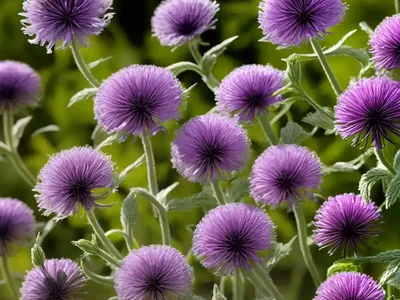
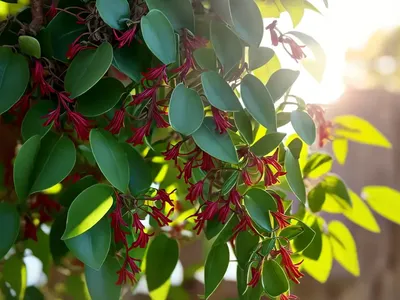
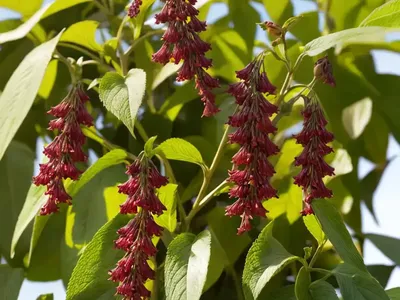
Jupiter’s-beard (Centranthus Ruber)
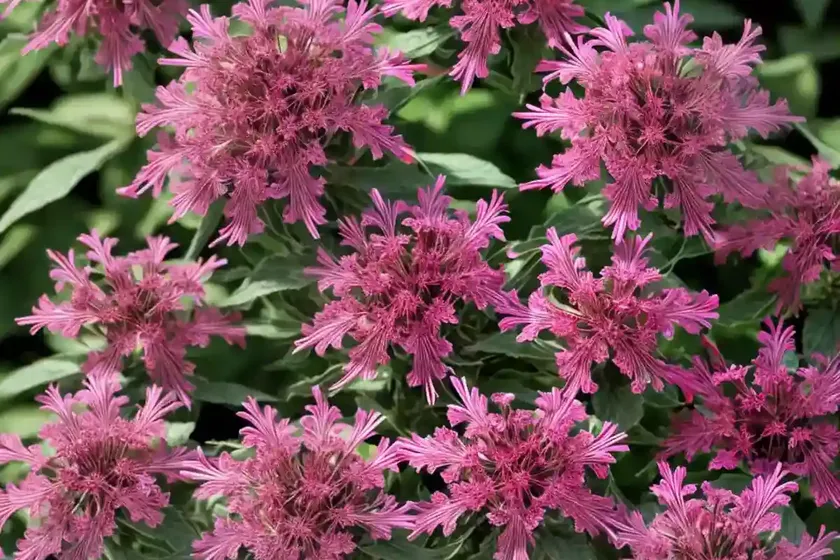
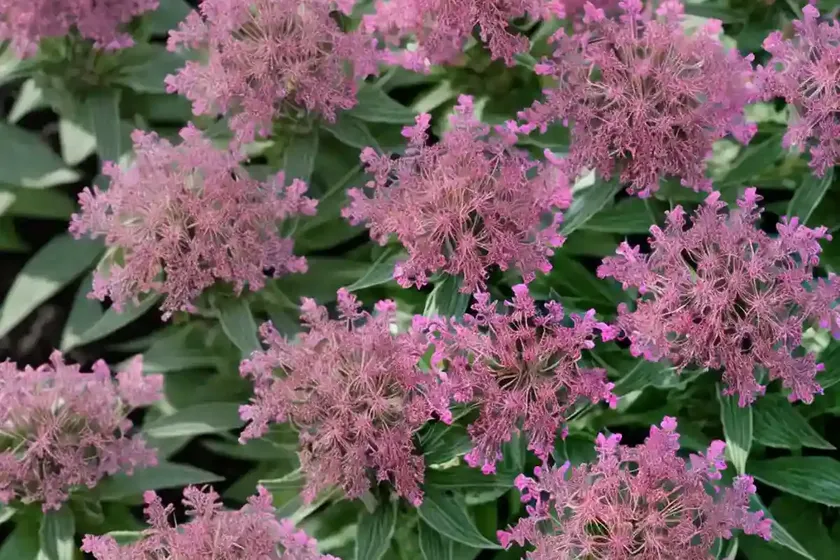
Jupiter’s-beard, also known as Centranthus Ruber or red valerian, is a charming perennial plant renowned for its delightful clusters of small, star-shaped.
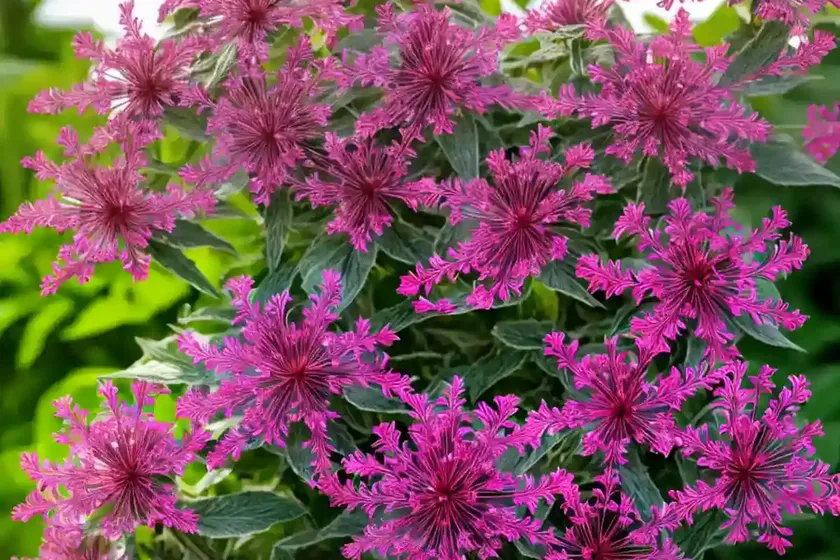
What is Plant: Jupiter’s-beard (Centranthus Ruber)
Jupiter’s-beard, also known as Centranthus Ruber or red valerian, is a charming perennial plant renowned for its delightful clusters of small, star-shaped flowers in vivid shades of red, pink, or white. The botanical name “Centranthus Ruber” is derived from the Greek words “kentron” and “anthos,” which refer to the spur-like base of the flower. This plant is native to the Mediterranean region and is a member of the Caprifoliaceae family.
Jupiter’s-beard is highly versatile and can thrive in various environments, making it a popular choice for gardens, borders, and containers. Its adaptability, vibrant blooms, and ease of cultivation have endeared it to both amateur and seasoned gardeners. The plant’s resilience and low-maintenance nature make it a fantastic addition to diverse landscapes, from cottage gardens to coastal areas.
In this comprehensive guide, we will explore all aspects of Jupiter’s-beard, including its cultural requirements, uses, propagation, care tips, common diseases, and more. Whether you’re a gardening enthusiast seeking to enhance your knowledge or a landscape designer looking for inspiration, this article will equip you with valuable insights to cultivate and appreciate this remarkable plant.
Key Takeaways – Jupiter’s-beard (Centranthus Ruber)
At a glance, here are the key takeaways about Jupiter’s-beard, encompassing its cultural demands, uses, and essential care guidelines:
– Culture
– Water: Moderate
– Sunlight: Full sun to partial shade
– Fertilizer: Well-balanced, diluted solution during the growing season
– Soil: Well-draining, fertile
– Pruning: Regular deadheading to prolong blooms
– Propagation: Easily propagated from seeds, division, or stem cuttings
– Uses
– Ornamental: Ideal for borders, rock gardens, and containers
– Wildlife attraction: Attracts pollinators, such as bees and butterflies
– Medicinal: Historically utilized for its medicinal properties
– Common Diseases: Resistant to most diseases
– Common Pests: Occasionally susceptible to aphids and spider mites
– Fun Facts: Features intriguing folklore and historical significance
– Botanist’s Tips: Expert advice for successful cultivation and design integration
– External Resources: References to further information and insights
Now, let’s delve into the intricacies of Jupiter’s-beard, exploring its diverse facets and the best practices for cultivating and appreciating this charismatic plant.
Culture
Water
Jupiter’s-beard exhibits a moderate water requirement and is well-adapted to various moisture levels, making it ideal for xeriscaping, as well as regular garden settings. When establishing young plants, it’s important to provide sufficient moisture to promote healthy root development. Once established, the plant displays a notable tolerance to dry conditions, making it suitable for regions with limited rainfall or well-draining soils.
It is crucial to avoid overwatering, as excessive moisture can lead to root rot and other related issues. Therefore, it’s advisable to allow the soil to dry partially between watering sessions. Observing the plant for signs of wilting or stress can serve as a useful indicator of its water needs. Additionally, mulching around the base of the plant can aid in moisture retention and weed suppression, contributing to the overall health and vigor of Jupiter’s-beard.
Sunlight
One of the defining characteristics of Jupiter’s-beard is its exceptional adaptability to varying light conditions, although it thrives best in full sun to partial shade. When provided with ample sunlight, the plant tends to exhibit more robust growth and profuse flowering, resulting in an impressive visual display. In regions with intense sunlight and warmer climates, partial shade during the hottest part of the day can be beneficial, especially to prevent potential sunscald and dehydration.
When incorporating Jupiter’s-beard into garden designs or landscaping projects, it’s essential to consider the specific light requirements of the plant to ensure optimal performance and aesthetic appeal. By strategically positioning the plant in suitable locations, gardeners can capitalize on its remarkable ability to flourish in diverse light environments, contributing to the overall visual impact of the landscape.
Fertilizer
Maintaining balanced nutrition is essential for the sustained vitality and flowering capacity of Jupiter’s-beard. During the active growing season, applying a well-balanced, diluted fertilizer solution can support the plant’s nutritional needs and promote vigorous growth. It’s recommended to refrain from using excessive amounts of fertilizer, as this can lead to an overabundance of foliage at the expense of flower production.
Selecting a fertilizer with a balanced NPK (nitrogen, phosphorus, and potassium) ratio, formulated for flowering perennials, can contribute to the overall health and resilience of Jupiter’s-beard. Carefully following the manufacturer’s instructions for application rates and frequency is crucial to prevent nutrient imbalances and potential damage to the plant. Implementing a routine fertilization schedule, as well as assessing the plant’s response to the treatment, can aid in achieving optimal results.
Soil
Jupiter’s-beard showcases a preference for well-draining, fertile soil, conducive to healthy root development and overall vigor. It thrives in loamy or sandy soils with good drainage, minimizing the risk of waterlogged conditions and associated complications. Prior to planting, amending the soil with organic matter, such as compost or well-rotted manure, can enhance its structure and nutrient content, providing an advantageous foundation for the plant’s establishment and subsequent growth.
In regions where soil composition may not naturally align with the plant’s requirements, incorporating raised beds or containers filled with suitable soil blends can offer a viable solution. By tailoring the soil composition to the specific needs of Jupiter’s-beard, gardeners can create an environment conducive to the plant’s flourishing, regardless of the native soil conditions. This adaptive approach facilitates the integration of the plant into a diverse array of garden settings and design concepts.
Pruning
Effective pruning practices play a pivotal role in maximizing the ornamental appeal and prolonging the flowering period of Jupiter’s-beard. Deadheading, the process of removing spent blooms, is a fundamental technique that encourages continuous flowering by redirecting the plant’s energy from seed production to further flower development. Regular deadheading also helps maintain a tidy appearance and prevents self-seeding, particularly in situations where controlled growth is desired.
When performing deadheading, it’s essential to utilize clean, sharp pruners to minimize damage to the plant and reduce the risk of disease transmission. By consistently removing faded flowers, gardeners can promote a prolonged and abundant display of vibrant blooms, enhancing the aesthetic allure of Jupiter’s-beard throughout the growing season. This proactive approach to maintenance accentuates the plant’s visual impact and sustains its ornamental value in garden landscapes.
Propagation
The propagation of Jupiter’s-beard can be achieved through several methods, offering gardeners flexibility in expanding their plant collection and sharing the beauty of this remarkable species. The following propagation techniques are commonly employed to reproduce Jupiter’s-beard:
Seeds
Propagation from seeds is a straightforward and cost-effective method to generate new plants of Jupiter’s-beard. To ensure successful germination, it’s advisable to sow the seeds in a well-prepared seed-starting mix, providing adequate moisture and warmth to initiate the germination process. By supporting the development of seedlings in a nurturing environment, gardeners can cultivate a diverse array of young plants, subsequently transplanting them into desired garden locations or containers.
Division
Dividing mature clumps of Jupiter’s-beard is an effective means of propagation, particularly for rejuvenating overgrown plants or increasing the plant’s quantity within the garden. By carefully separating the root mass into smaller divisions, each containing viable shoots and root systems, gardeners can propagate new individuals with minimal disruption to the parent plant. This method facilitates the renewal of the plant and allows for the expansion of its presence in the landscape.
Stem Cuttings
Utilizing stem cuttings to propagate Jupiter’s-beard can yield reliable results when conducted with proper care and attention. Selecting healthy, non-flowering stems and treating the cuttings with rooting hormone can enhance their ability to form roots and establish as independent plants. By providing favorable conditions for rooting, such as consistent moisture and warmth, gardeners can cultivate new specimens from the cuttings, enabling the proliferation of Jupiter’s-beard through a vegetative propagation technique.
By offering diverse avenues for propagation, Jupiter’s-beard presents opportunities for gardeners to propagate and share this captivating plant, nurturing its presence within their gardens and enhancing the overall beauty of their outdoor spaces.
Container Popularity
Jupiter’s-beard is a popular choice for container gardening, celebrated for its adaptability, striking blooms, and capacity to thrive in confined spaces. By selecting appropriate container sizes and well-draining potting mixes, gardeners can effectively cultivate and showcase the plant in various settings, including patios, balconies, and terraces. The following considerations are essential for successful container gardening with Jupiter’s-beard:
-
Container Selection: Opt for containers with sufficient drainage holes to prevent waterlogging and ensure adequate aeration for the roots. Selecting containers proportional to the plant’s size and growth habits is crucial to provide ample space for root development and overall stability. Additionally, choosing containers with aesthetic appeal can complement the vibrant blooms of Jupiter’s-beard, enhancing the visual impact of the display.
-
Potting Mix: Utilize high-quality potting mixes tailored for container cultivation, incorporating ingredients that promote optimal drainage and moisture retention. Amending the mix with organic matter, such as compost or perlite, can enhance its structure and nutrient-holding capacity, creating a conducive environment for the plant’s growth and sustained vigor.
-
Watering: Monitor the moisture levels in the container, adjusting the frequency of watering based on environmental conditions and the plant’s specific needs. Avoid overwatering, which can lead to root rot and other complications, and prioritize maintaining balanced moisture levels to support the plant’s health and vitality.
-
Placement: Position the containers in locations that align with the light requirements of Jupiter’s-beard, ensuring access to adequate sunlight for robust growth and flowering. By strategically situating the containers within the landscape, gardeners can optimize the visual impact of the plant and integrate it seamlessly into their outdoor environments.
Jupiter’s-beard’s popularity in container gardening stems from its adaptability, captivating blooms, and ability to thrive in confined spaces, offering a compelling ornamental option for diverse outdoor settings.
Common Diseases
Jupiter’s-beard exhibits notable resistance to most common diseases, contributing to its reputation as a low-maintenance and resilient plant. The plant’s robust nature and innate defenses render it relatively impervious to many pathogens and environmental stressors, bolstering its suitability for various garden landscapes and environmental conditions.
While the plant’s disease resistance is a prominent attribute, it’s important for gardeners to remain vigilant and attentive to the overall health of Jupiter’s-beard, promptly addressing any irregularities or symptoms of disease. Monitoring the plant for signs of stress, discoloration, or abnormal growth can assist in early detection and targeted management, preserving the plant’s vigor and ornamental appeal.
Implementing preventive measures, such as promoting optimal growing conditions and minimizing stress factors, can further fortify the plant’s resilience and reduce the likelihood of disease development. By fostering a nourishing environment and practicing diligent plant care, gardeners can safeguard the health and longevity of Jupiter’s-beard, ensuring its enduring presence within their gardens and landscapes.
Disease Diagnosis
In the rare event of disease occurrence, prompt diagnosis and intervention are crucial to mitigate the impact and prevent the spread of the affliction. When encountering symptoms suggestive of disease, it is advisable to conduct a thorough assessment to identify the underlying cause and implement appropriate remedial measures. The following are common diseases that may infrequently affect Jupiter’s-beard, along with diagnostic indicators and management strategies:
Powdery Mildew
- Symptoms: Presence of powdery, white fungal growth on the foliage, often accompanied by yellowing or distortion of the leaves.
- Management: Implement cultural practices to enhance air circulation and reduce humidity levels, such as spacing plants adequately and avoiding overhead watering. Application of fungicidal sprays may be necessary in severe cases, following manufacturer recommendations for usage and safety.
Leaf Spot
- Symptoms: Development of circular or irregular spots on the leaves, usually characterized by discoloration, browning, or necrosis.
- Management: Sanitation measures, such as promptly removing and disposing of affected plant debris, can help prevent the spread of leaf spot. Applying fungicidal treatments, if warranted, can aid in controlling the disease and curbing its progression.
Root Rot
- Symptoms: Manifestations of root rot include wilting, yellowing, and stunted growth, often accompanied by a foul odor and decay of the root system.
- Management: Improving soil drainage and avoiding overwatering are fundamental aspects of managing root rot. In severe cases, replanting in well-draining soil and addressing the underlying causes of excessive moisture can facilitate root system recovery.
Botrytis Blight
- Symptoms: Presence of grayish-brown lesions on the foliage, accompanied by the rapid spread of the fungal infection under humid and moist conditions.
- Management: Employing cultural controls, such as reducing humidity levels and enhancing air circulation, can help prevent and manage botrytis blight. Application of fungicidal sprays may be warranted for severe infestations, coupled with adherence to safety guidelines during treatment.
By promptly recognizing and accurately diagnosing potential diseases, gardeners can effectively implement targeted management strategies, safeguarding the health and vitality of Jupiter’s-beard and preserving its visual appeal in garden settings.
Common Pests
While Jupiter’s-beard is generally resistant to most pests, it may infrequently encounter pest-related issues that necessitate attentive management. By remaining vigilant and promptly addressing potential pest infestations, gardeners can mitigate the impact on the plant and preserve its health and ornamental quality. The following are common pests that may sporadically affect Jupiter’s-beard, accompanied by insights into their identification and control:
Aphids
- Identification: Presence of small, soft-bodied insects clustering on the tender shoots and foliage, often accompanied by the secretion of sticky honeydew.
- Control: Implementing natural predators, such as ladybugs or lacewings, can assist in controlling aphid populations. Additionally, employing insecticidal soaps or horticultural oils in targeted applications can effectively manage aphid infestations while minimizing adverse effects on beneficial organisms.
Spider Mites
- Identification: Manifestation of fine webbing, stippling on the foliage, and reduced plant vigor, indicative of spider mite activity.
- Control: Regularly spraying the undersides of leaves with a strong stream of water can help dislodge and deter spider mites. Employing acaricides or miticides may be necessary in severe infestations, following product instructions and safety precautions during application.
By familiarizing themselves with common pests and adopting proactive management practices, gardeners can effectively safeguard Jupiter’s-beard from potential pest-related challenges, preserving its vitality and ornamental allure in garden landscapes.
Botanist’s Tips
Aspiring to foster a thriving, visually captivating display of Jupiter’s-beard within garden settings, gardeners can benefit from expert insights and recommendations tailored to optimize the plant’s cultivation and integration. The following botanist’s tips offer valuable guidance to enhance the success and appeal of Jupiter’s-beard in various landscape contexts:
Soil Enrichment: Invest in enriching the soil with organic matter, such as compost or well-rotted manure, to provide a nutrient-rich foundation for the establishment and sustained growth of Jupiter’s-beard. Improving soil structure and fertility can significantly bolster the plant’s vitality and flowering potential.
Deadheading Practices: Embrace the practice of regular deadheading to promote continuous blooming and prolong the flowering period of Jupiter’s-beard. By removing spent blossoms, gardeners can channel the plant’s energy into producing additional flowers, accentuating its ornamental impact in garden landscapes.
Pollinator Support: Recognize and appreciate the pollinator-attracting attributes of Jupiter’s-beard, fostering its role in supporting beneficial insects and wildlife within garden ecosystems. By incorporating pollinator-friendly plants, gardeners can contribute to the conservation of essential pollinators, such as bees and butterflies, while enhancing the vibrancy of the outdoor environment.
Diverse Landscape Integration: Explore diverse landscape ideas and design concepts to incorporate Jupiter’s-beard into garden settings, showcasing its ornamental charm and adaptability in borders, rock gardens, and container displays. By embracing its versatility, gardeners can unleash the full potential of Jupiter’s-beard in creating visually appealing and ecologically enriching landscapes.
Seasonal Maintenance: Engage in seasonal maintenance activities, such as pruning, fertilization, and soil assessment, to ensure the sustained health and vigor of Jupiter’s-beard throughout the year. By adhering to a proactive maintenance regimen, gardeners can cultivate flourishing displays of the plant, evoking admiration and delight in outdoor spaces.
By assimilating these botanist’s tips into their approach to Jupiter’s-beard cultivation, gardeners can elevate their horticultural endeavors, nurturing thriving plant displays and contributing to the overall beauty and ecological significance of their landscapes.
Fun Facts
Exploring the intriguing historical significance and captivating attributes of Jupiter’s-beard offers engaging insights into the plant’s cultural heritage and botanical allure. The following fun facts encompass notable aspects of Jupiter’s-beard, enriching the appreciation of its ornamental value and ecological contributions:
-
Historical Medicinal Use: Jupiter’s-beard has a storied history of traditional medicinal utilization, with herbal remedies derived from its various parts. Throughout the ages, it has been associated with diverse healing properties and therapeutic applications, reflecting its cultural significance beyond its ornamental appeal.
-
Folklore and Symbolism: Embraced in folklore and cultural symbolism, Jupiter’s-beard holds distinct meanings in various traditions and beliefs. Its vibrant blooms and resilience have inspired interpretations linked to love, luck, and spiritual connotations, enriching its symbolic importance in societal narratives.
-
Ecological Role: Jupiter’s-beard plays an essential ecological role as a pollinator-friendly plant, attracting diverse insect species, such as bees and butterflies, to its nectar-rich blooms. Its contribution to supporting local biodiversity and promoting pollination underscores its ecological significance within natural ecosystems.
-
Horticultural Use: Celebrated for its attractive flowering display and adaptability, Jupiter’s-beard has been a favored choice for ornamental horticulture, adorning gardens, parks, and public spaces with its brilliant hues and enduring charm. Its timeless allure continues to captivate garden enthusiasts and designers alike, enriching outdoor landscapes with bursts of color and visual splendor.
Appreciating the multifaceted appeal and heritage of Jupiter’s-beard amplifies the enchantment and significance of this remarkable plant, transcending its botanical dimensions to evoke a deeper sense of cultural and ecological resonance within garden landscapes.
Links to External Resources
To further expand your knowledge and understanding of Jupiter’s-beard, as well as to access additional insights and resources, the following external links offer valuable information and perspectives on the plant:
- Royal Horticultural Society – Centranthus Ruber
- The Spruce – Growing Red Valerian in the Garden
- Gardenia – Centranthus Ruber Care Guide
- [Gardening Know How – How to Grow Red Valerian](https://www.g