Jewel Alocasia (Alocasia Reginula)
In this comprehensive plant profile, we will delve into the world of Jewel Alocasia, scientifically known as Alocasia reginula. This striking plant is a.
In this comprehensive plant profile, we will delve into the world of Jewel Alocasia, scientifically known as Alocasia reginula. This striking plant is a favorite among houseplant enthusiasts due to its stunning foliage and ease of care. From its cultural requirements to common pests and diseases, we will explore every aspect of caring for this unique and elegant plant. By the end of this guide, you will have a thorough understanding of Jewel Alocasia and be well-equipped to cultivate and maintain these beautiful plants in your indoor space.
What is Jewel Alocasia (Alocasia reginula)?
Jewel Alocasia, also known as Alocasia reginula, is a species of flowering plant in the Araceae family. It is native to Southeast Asia, particularly in the rainforests of Borneo. This perennial plant is prized for its striking, iridescent foliage, making it a popular choice for indoor gardens and tropical-themed landscapes.
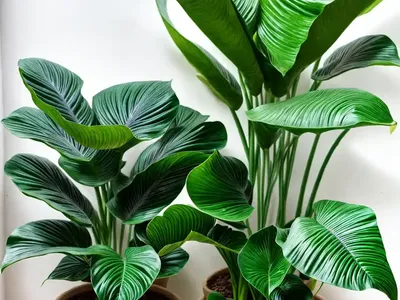
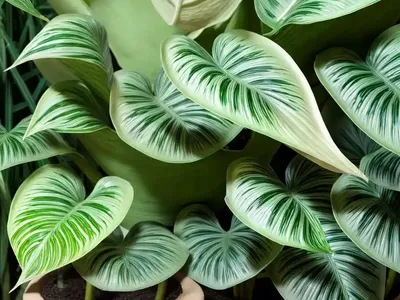
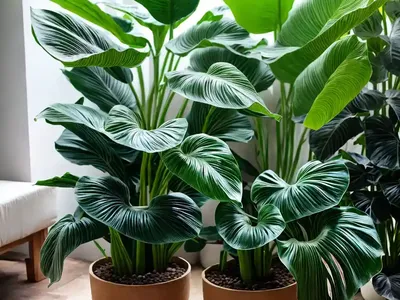
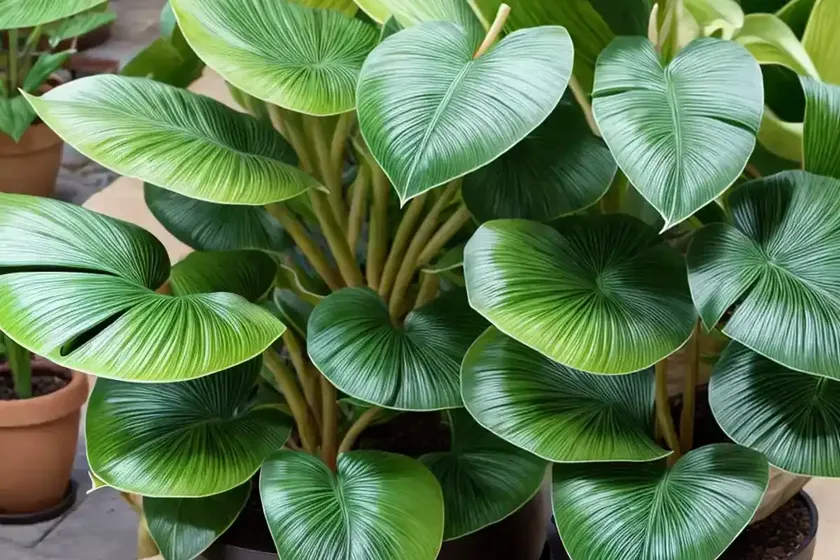
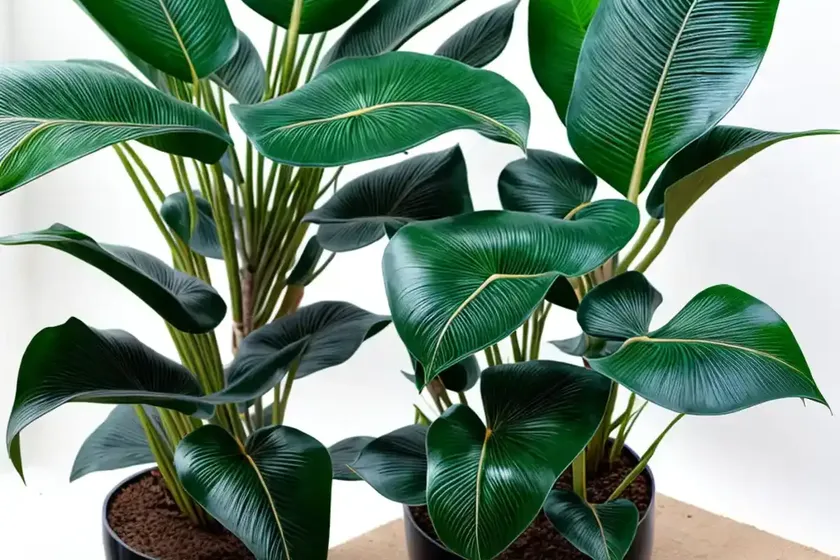
The Jewel Alocasia is characterized by its lush, dark green leaves, which are adorned with contrasting white or silver veining, giving the plant a jewel-like appearance and earning it the common name of “Jewel Alocasia.”
Key Takeaways – Jewel Alocasia (Alocasia reginula)
Culture
- Native to Southeast Asia, specifically Borneo
- Prized for its iridescent foliage with white or silver veining
- Popular choice for indoor gardens and tropical-themed landscapes
Uses
- Suitable for indoor cultivation
- Adds a touch of tropical elegance to home and office spaces
- Appreciated for its ornamental foliage
Water
- Requires consistently moist, well-draining soil
- Avoid overwatering to prevent root rot
- Maintain moderate to high humidity levels
Sunlight
- Thrives in bright, indirect light
- Avoid prolonged exposure to direct sunlight, which can scorch the leaves
- Well-suited for indoor environments with ample natural light
Fertilizer
- Benefits from regular, balanced fertilizer during the growing season
- Diluted, water-soluble fertilizers are recommended
- Reduce feeding during the plant’s dormant period
Soil
- Requires well-draining, nutrient-rich potting mix
- A mix of peat, perlite, and organic matter is ideal
- Keep the soil consistently moist, but not waterlogged
Pruning
- Trim yellowing or damaged leaves to maintain plant health and appearance
- Regularly remove spent or wilted foliage
- Be mindful of potential outdoor pests when pruning
Propagation
- Propagate through division of rhizomes or offsets
- Ensure each division has several healthy roots and a viable growing point
- Consider propagation in early spring to coincide with the plant’s active growth phase
Container
- Well-suited for decorative containers or planters
- Choose pots with drainage holes to prevent waterlogging
- Provide adequate space for the plant’s rhizome system to expand
Popularity
- Gaining popularity as a coveted houseplant
- Often featured in indoor plant collections and displays
- Appreciated for its unique and exotic appearance
Common Diseases
- Susceptible to fungal infections, particularly in humid conditions
- Watch for signs of leaf spot, powdery mildew, and root rot
- Maintain proper air circulation to prevent disease outbreaks
Disease Diagnosis
- Monitor the plant for changes in leaf color, texture, or growth patterns
- Consult with a plant specialist or extension service if disease symptoms arise
- Promptly isolate affected plants to prevent disease spread
Common Pests
- Prone to attacks from spider mites, aphids, and mealybugs
- Inspect the plant regularly for signs of pest infestation
- Implement preventive measures and organic pest control methods
Botanist’s Tips
- Provide consistent warmth and humidity for optimal growth
- Use a pebble tray or humidifier to increase humidity levels for indoor plants
- Rotate the plant periodically to ensure even growth and sunlight exposure
Fun Facts
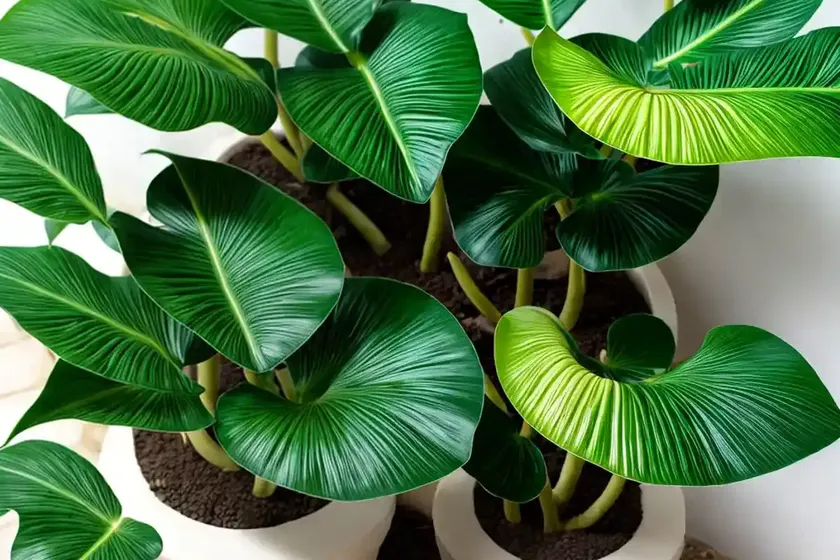
- The Jewel Alocasia is known for its distinctive, arrowhead-shaped leaves
- Its unique foliage pattern resembles the intricate veins of a gemstone
- In its native habitat, Alocasia reginula grows as an understory plant in the rainforest
Links to External Resources
To further expand your knowledge and appreciation for Jewel Alocasia, consider exploring the following resources:
- Royal Horticultural Society – Alocasia Reginula
- The Spruce – Alocasia Reginula: An Elegant and Compact Dwarf Elephant Ear
- University of Florida IFAS Extension – Alocasia Plant Poisoning
- Missouri Botanical Garden – Alocasia Reginula
Thank you for embarking on this journey into the enchanting world of Jewel Alocasia. Armed with this knowledge, you are well-equipped to nurture and enjoy the beauty of Alocasia reginula in your indoor spaces. Happy gardening!