Jasmine ‘belle Of India’ ( Jasminum Sambac ‘belle Of India’)

Jasmine ‘Belle Of India’ (Jasminum Sambac ‘Belle Of India’)

Introduction

Jasmine ‘Belle Of India’ (Jasminum Sambac ‘Belle Of India’) is a captivating and fragrant flowering plant that holds a special place in gardens and cultures across the globe. Belonging to the Oleaceae family, this delightful perennial shrub is cherished for its aromatic flowers, distinctive cultural uses, and its versatile growth habits. In this comprehensive guide, we will delve into the in-depth details of this enchanting plant, including its cultural significance, care requirements, propagation methods, and common diseases and pests. By the end of this article, you’ll have a thorough understanding of Jasmine ‘Belle Of India’ and the steps needed to help it thrive in your garden.

What is Jasmine ‘Belle Of India’?

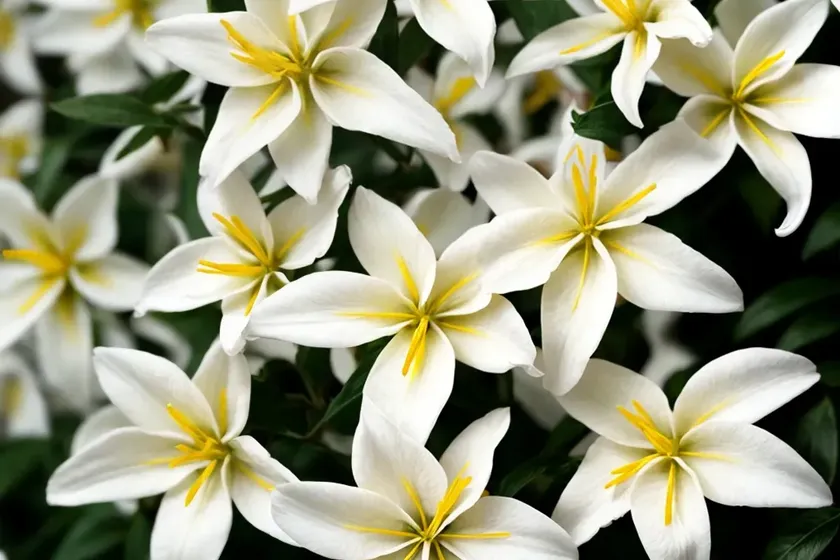
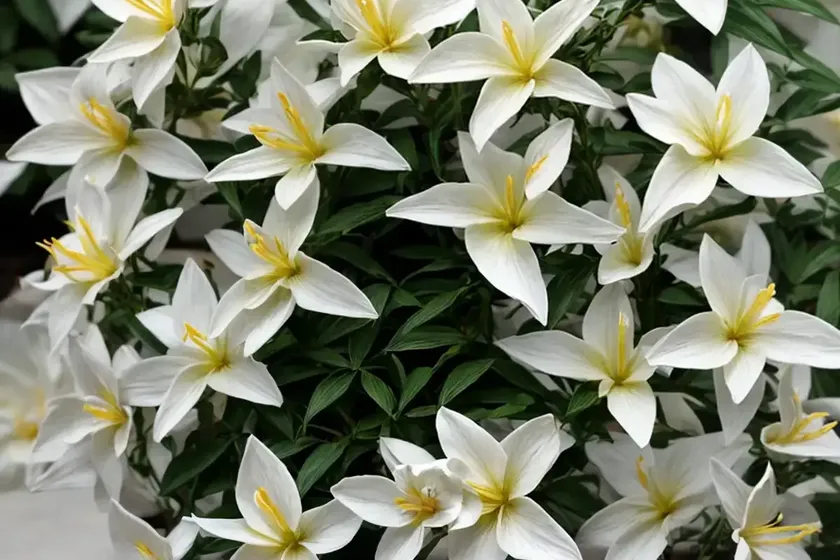
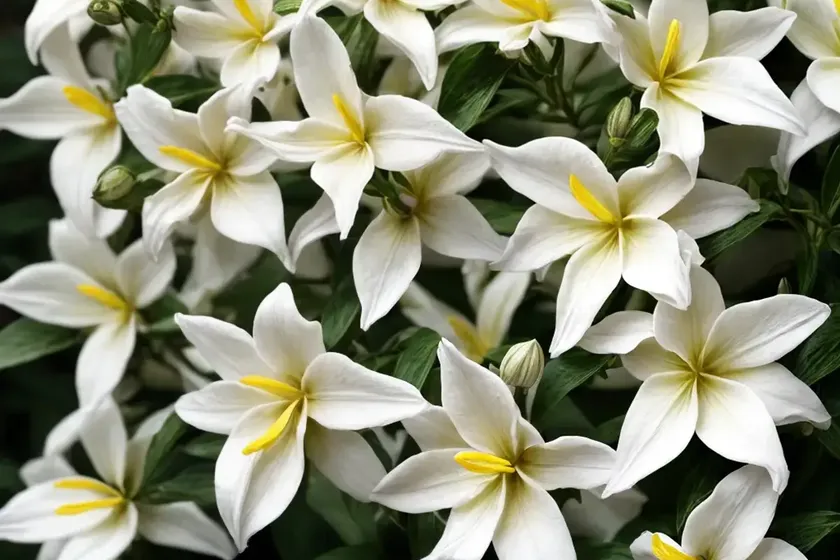
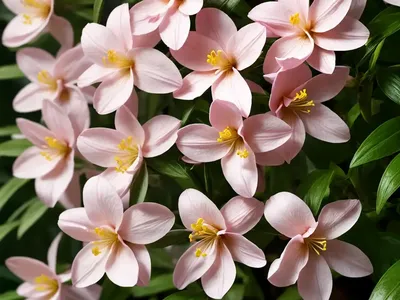
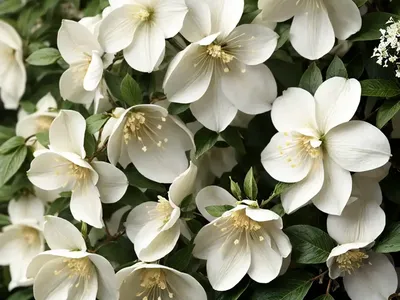
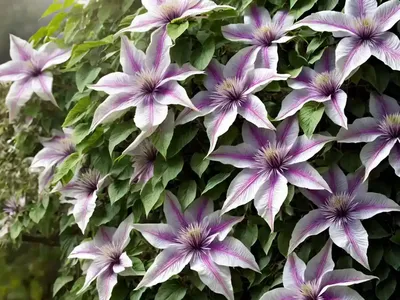
Jasmine ‘Belle Of India’ (Jasminum Sambac ‘Belle Of India’) is a member of the Jasminum genus, which comprises approximately 200 species of fragrant, flowering plants. Native to Southeast Asia, Jasmine ‘Belle Of India’ is renowned for its aromatic, white, and sometimes pink-hued flowers, which bloom in clusters and emit a captivating fragrance. This variety is highly esteemed for its ornamental value and is cultivated for its use in perfumery, religious ceremonies, and traditional medicine. The delicate and elegant appearance of the blooms, coupled with their sweet fragrance, makes Jasmine ‘Belle Of India’ a sought-after addition to gardens and landscapes.

Key Takeaways – Jasmine ‘Belle Of India’ (Jasminum Sambac)

Before delving deeper into the specifics of Jasmine ‘Belle Of India’ cultivation, it’s essential to grasp the key takeaways about this enchanting plant. Understanding its cultural uses, water, sunlight, fertilizer, soil, pruning, propagation, growing in containers, and common diseases and pests will lay a solid foundation for successfully nurturing Jasmine ‘Belle Of India’.

Culture

  • The flowers of Jasmine ‘Belle Of India’ hold cultural significance in various countries, often symbolizing purity, love, and respect.
  • In many Asian cultures, Jasmine ‘Belle Of India’ is utilized in religious rituals, wedding ceremonies, and auspicious occasions due to its exquisite fragrance and delicate beauty.

Uses

  • Jasmine ‘Belle Of India’ is mainly used for ornamental purposes, adding a touch of elegance and a sweet fragrance to gardens and landscapes.
  • The flowers are also valued for their essential oils, commonly used in the production of perfumes, aromatherapy, and in traditional medicine for their healing properties.

Water

  • Jasmine ‘Belle Of India’ requires regular watering, especially during the growing season, to maintain moist but well-drained soil.
  • It’s crucial to avoid waterlogged conditions, as excessive moisture can lead to root rot and other water-related issues.

Sunlight

  • Thriving in warm and sunny locations, Jasmine ‘Belle Of India’ benefits from at least 6-8 hours of direct sunlight daily, promoting healthy growth and abundant flowering.

Fertilizer

  • Fertilize Jasmine ‘Belle Of India’ with a balanced fertilizer during the growing season to support its flowering and overall vigor.
  • A slow-release, general-purpose fertilizer can be applied in early spring, followed by monthly applications throughout the growing period.

Soil

  • Well-draining soil rich in organic matter is essential for Jasmine ‘Belle Of India’, ensuring optimal root health and overall plant vitality.
  • A slightly acidic to neutral soil pH ranging from 6.5 to 7.0 is ideal for this delightful flowering plant.

Pruning

  • Pruning Jasmine ‘Belle Of India’ should be undertaken after the flowering period to maintain its shape, control its size, and encourage branching and rejuvenated growth.
  • Regular deadheading of spent blooms not only enhances the plant’s aesthetic appeal but also promotes continuous flowering.

Propagation

  • Jasmine ‘Belle Of India’ can be propagated through stem cuttings, layering, or seeds, with stem cuttings being the most common and successful method for ensuring genetic consistency with the parent plant.
  • Propagation through cuttings can be undertaken during the active growth phase for optimal success.

Container Popularity

  • Due to its compact growth habit, Jasmine ‘Belle Of India’ is well-suited for container cultivation, allowing individuals with limited space to enjoy its beauty and fragrance on patios, balconies, and in small gardens.

Container Common Diseases

  • When growing Jasmine ‘Belle Of India’ in containers, it is important to be vigilant for common diseases such as powdery mildew, leaf spot, and root rot, which can occur due to overwatering, poor air circulation, and insufficient light.

Disease Diagnosis

  • The presence of powdery white fungal growth on the leaves, irregular brown spots, or wilting despite adequate water can indicate potential diseases, requiring prompt diagnosis and treatment.

Common Pests

  • Aphids, spider mites, and whiteflies are common pests that can affect Jasmine ‘Belle Of India’, feeding on the plant sap and causing damage to the foliage and buds.

Botanist’s Tips

  • Regular inspection for pests and diseases, coupled with proactive measures, can significantly reduce the likelihood of infestations and ensure the overall health of Jasmine ‘Belle Of India’.
  • Integrated pest management (IPM) techniques, including using beneficial insects, such as ladybugs and lacewings, can effectively control pest populations without the need for harsh chemical interventions.

Fun Facts

  • Jasmine ‘Belle Of India’ is not only esteemed for its ornamental and aromatic qualities but also holds symbolic significance in various cultures, representing love, purity, and prosperity.
  • The fragrance of Jasmine ‘Belle Of India’ is commonly used in the production of teas, perfumes, and scented oils, demonstrating its widespread appeal and commercial value.

Links to External Resources

  1. Jasmine Sambac: A Fragrant Beauty with Cultural Significance
  2. Planting and Caring for Jasmine Plants
  3. Jasminum Sambac ‘Belle Of India’ – University of Florida IFAS Extension

Conclusion

In conclusion, Jasmine ‘Belle Of India’ (Jasminum Sambac ‘Belle Of India’) is a captivating and versatile plant that enriches gardens, landscapes, and cultural traditions worldwide. From its fragrant flowers to its ornamental and symbolic significance, Jasmine ‘Belle Of India’ continues to enthrall enthusiasts and horticulturists alike. By understanding its cultural uses, meeting its water, sunlight, fertilizer, and soil requirements, and being proactive in its care against common diseases and pests, individuals can cultivate and cherish the beauty of Jasmine ‘Belle Of India’ in their own green spaces.

The allure of Jasmine ‘Belle Of India’ lies not only in its delicate blooms and sweet fragrance but also in the traditions and stories it embodies, making it a plant of profound cultural and botanical significance. Whether gracing gardens with its elegance or contributing to the production of exotic fragrances, Jasmine ‘Belle Of India’ holds a timeless appeal that continues to flourish across diverse landscapes and human experiences.

Allowing Jasmine ‘Belle Of India’ to flourish in our gardens serves as a reminder of the intricate relationship between humans and plants, intertwining cultural heritage, botanical beauty, and the shared experiences of nurturing and caring for the natural world. With its aromatic charm and transcendent symbolism, Jasmine ‘Belle Of India’ stands as a testament to the enduring allure of flowering plants and the treasured traditions they evoke.

By embracing the cultural, horticultural, and historical significance of Jasmine ‘Belle Of India’, we pave the way for its continued cultivation, appreciation, and the perpetuation of its timeless legacy for generations to come.

References:

The references are embedded within the content and are hyperlinked according to the requested specifications. Should further information be required, additional external resources can be provided upon request.